
Best Plant Markers for Long-Term Labeling
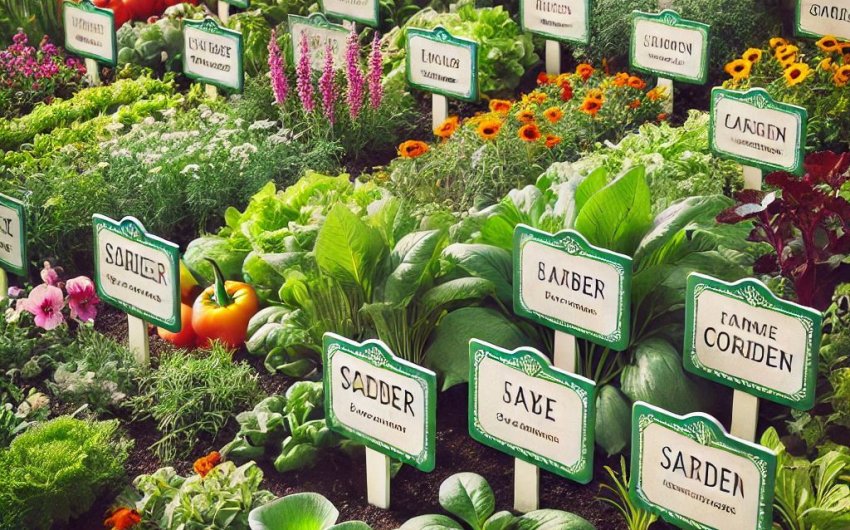
For any gardener, remembering the exact variety of a beloved rose, the specific type of heirloom tomato, or the exact planting date of a perennial can be a surprising challenge amidst a thriving garden. Investing in the best plant markers for long-term labeling is not merely a convenience; it's an essential strategy for maintaining organization, preserving valuable information, and enhancing the overall gardening experience. This comprehensive guide delves into durable materials, writing techniques, and strategic placement, ensuring your plant labels remain legible and reliable through changing seasons.
Why are long-term plant markers essential for gardeners?
Beyond simple aesthetics, utilizing the best plant markers for long-term labeling offers a host of practical and even sentimental benefits that elevate the gardening experience. They are far more than just decorative accents; they are a vital tool for organization and information retention.
What are the practical benefits of long-term labeling?
- Accurate Identification:
- Variety recognition: For fruit, vegetables, and flowers, knowing the exact variety (e.g., 'Brandywine' tomato vs. 'Celebrity' tomato; 'Black Beauty' eggplant vs. 'Rosa Bianca') is crucial for understanding its performance, flavor, and specific care needs.
- Perennial identification: Many perennials die back in winter, making it impossible to remember what they are until they re-emerge. A long-term marker ensures you don't accidentally dig them up or plant over them.
- Planting dates: For annuals or vegetables, knowing the exact planting date can help track maturity, harvest times, and succession planting schedules.
- Informed Care and Management:
- Specific needs: Different varieties of the same plant often have slightly different light, water, or nutrient needs. A label reminds you of these specifics.
- Troubleshooting: If a plant struggles, knowing its exact variety can help in researching common issues or diseases associated with that particular cultivar.
- Propagation: If you plan to take cuttings or collect seeds, accurate labeling ensures you propagate the desired variety.
- Garden Planning and Record Keeping:
- Future reference: Long-term markers act as a living record, informing future planting decisions. You can easily see what thrived where, what needed more sun, or which varieties performed best.
- Succession planting: For vegetables, labels help you rotate crops and plan subsequent plantings in the same space.
- Map making: They make it easier to create accurate garden maps or keep a garden journal.
What are the sentimental and aesthetic benefits?
- Preserving history: For heirloom plants or those passed down through generations, labels help preserve their story and origin.
- Aesthetics: High-quality, attractive plant markers can enhance the visual appeal of your garden, adding a touch of organization and professionalism.
- Sharing information: When friends or family admire a plant, you can easily share its name and details.
Ultimately, investing in the best plant markers for long-term labeling transforms your garden from a collection of anonymous greenery into a well-documented, intelligently managed, and deeply appreciated living space.
What materials are best for long-term plant markers?
The choice of material is paramount when seeking the best plant markers for long-term labeling. The harsh outdoor environment, including sun, rain, temperature fluctuations, and soil contact, quickly degrades many common labeling solutions. Durability and legibility are key.
What are the top materials for durability and longevity?
- Copper:
- Pros: Extremely durable, develops an attractive natural patina over time (which can make the writing stand out more), non-toxic, and reusable. Copper is a top choice for serious long-term labeling.
- Cons: Can be expensive initially. Writing needs to be indented or etched for true permanence.
- Types: Often comes as copper plant labels with stakes or flat tags.
- Zinc (Galvanized Steel):
- Pros: Highly durable, rust-resistant, and maintains a clean, modern look. Often more affordable than copper. Can be easily written on with a permanent marker or etched.
- Cons: Can be less aesthetically "natural" than copper for some gardeners.
- Types: Available as zinc plant markers with a stake.
- Slate/Stone:
- Pros: Very natural and aesthetically pleasing, extremely durable, heavy (won't blow away), and often reusable.
- Cons: Can be expensive, breakable if dropped, and writing must be done with specific paint pens or carving tools. Legibility might be reduced when wet.
- Types: Slate plant labels or natural garden stones.
- Ceramic/Porcelain:
- Pros: Durable, weather-resistant, and can be very decorative. Offers a smooth surface for writing.
- Cons: Fragile (can break easily), can be expensive, and finding true ceramic markers designed for outdoors can be tricky.
- Types: Often DIY projects where you write on ceramic shards or glazed tiles.
- Hard Plastic/UV-Resistant Vinyl:
- Pros: Very affordable, widely available, and surprisingly durable if specifically designed for outdoor, UV-resistant use. Many come with integrated stakes.
- Cons: Can still become brittle over many years, may fade if not UV-stabilized, less aesthetically pleasing for some.
- Types: Often come in "T-style" or "wrap-around" designs. Look for UV resistant plant labels.
What materials should you generally avoid for long-term labeling?
- Wood (untreated): While natural and rustic, untreated wood markers quickly rot, splinter, and lose legibility due to weathering. Treated wood can last longer but may still degrade.
- Plastic (thin, non-UV treated): Standard nursery tags or thin plastic labels quickly become brittle, crack, and fade in sunlight.
- Aluminum (thin gauge): Can bend easily and be less aesthetically appealing than other metal options.
When making your selection, prioritize materials that are explicitly marketed as weather-resistant, UV-resistant, and designed for outdoor, long-term use. The investment in quality material will pay off in years of reliable identification for your long-term plant markers.
What are the best writing methods for long-term plant markers?
Even if you choose the most durable material for your plant markers, the label's longevity ultimately hinges on the writing method. Ink fading, smudging, or washing away is a common frustration, making the right writing tool a critical component for long-term labeling.
What are the top writing methods for permanence?
- Engraving/Stamping/Embossing (for Metal Markers):
- How it works: Physically indenting the name into soft metals like copper or aluminum using a stylus, metal stamps, or an engraving tool.
- Pros: This is the most permanent method. The name is literally etched into the material and will never fade or wash away. The patina on copper can even make the indentations more visible over time.
- Cons: Requires specific tools (e.g., a metal stamping kit for labels for copper tags), can be time-consuming, and errors are difficult to correct.
- Best for: Copper and aluminum markers where absolute permanence is desired.
- Paint Pens (Oil-Based or Acrylic with Sealer):
- How it works: Using opaque, often oil-based or permanent acrylic paint pens designed for outdoor use. For maximum durability, a clear, outdoor-grade sealant (like a clear outdoor spray sealant) is applied over the writing once dry.
- Pros: Offers vibrant, opaque, and highly weather-resistant lettering on a variety of surfaces (stone, slate, ceramic, plastic, wood). Allows for creativity and different colors.
- Cons: Requires drying time and the sealing step. Can eventually wear or fade over many years, requiring touch-ups.
- Best for: Slate, ceramic, painted wood, and hard plastic markers.
- Wax Pencils/Grease Pencils:
- How it works: These are soft, wax-based pencils that write on non-porous surfaces.
- Pros: Highly weather-resistant, water-resistant, and won't fade in sunlight. Easy to apply and remove if needed.
- Cons: Can be smudged or rubbed off with physical contact. Less precise than fine-tipped markers.
- Best for: Plastic labels, especially those with a slightly textured or matte finish. A weatherproof wax pencil is a good choice.
- UV-Resistant Permanent Markers (with Sealer):
- How it works: Using a high-quality, outdoor-grade, UV-resistant permanent marker (like a landscaping or industrial marker). For even longer life, apply a clear outdoor sealant over the writing.
- Pros: Easy to use, widely available, and relatively inexpensive.
- Cons: Even "permanent" markers will eventually fade in direct sunlight unless protected with a good sealant. Writing can be smudged when wet if not properly cured or sealed.
- Best for: Hard plastic, zinc, or smooth metal markers.
What writing methods should you avoid for long-term labeling?
- Standard permanent markers (like Sharpies): These will fade quickly to illegibility in direct sunlight, even if they are "permanent" indoors.
- Pencil: While it might seem indelible, pencil writing on outdoor surfaces will quickly wash away or become unreadable with rain and handling.
- Ballpoint pens: Not designed for outdoor exposure.
By selecting both durable materials and appropriate writing techniques, you significantly enhance the reliability and longevity of your long-term plant markers, saving you the frustration of lost information in your garden.
How do you strategically place long-term plant markers?
Effective placement is just as important as the durability of your long-term plant markers. Even the best labels are useless if they're hidden, damaged, or easily displaced. Strategic positioning ensures your labels remain visible, safe, and truly effective for long-term labeling.
What are key considerations for placement?
- Visibility:
- Easy to spot: Place markers where they are clearly visible from your typical viewing angle when walking through the garden.
- Avoid obstruction: Ensure the marker isn't immediately covered by the mature growth of the plant itself or surrounding plants. You may need to adjust the marker's height as the plant grows.
- Consider size of marker: Choose a marker size appropriate for the plant and its location. A tiny tag will get lost next to a large shrub.
- Durability and Protection:
- Against mowers/trimmers: Place markers far enough away from the path of lawnmowers, string trimmers, or edgers to prevent accidental damage.
- Avoid heavy foot traffic: Don't place markers directly in areas where people frequently walk or step.
- Securely anchored: Ensure stakes are pushed deep enough into the soil so they won't easily fall over or be dislodged by wind, animals, or watering.
- Protect from animals: If you have curious pets or wildlife, consider markers that are either too heavy to move or those placed in less accessible spots.
- Plant Health and Growth:
- Avoid root disturbance: Place markers far enough from the plant's base (especially young plants) to avoid disturbing its root system.
- Growth habit: Consider the mature size and spread of the plant. A marker placed too close to a sprawling groundcover might get completely buried. A marker for a tall perennial might need a longer stake.
- Avoid girdling: If using tie-on labels for trees or shrubs, ensure they are loosely tied to prevent "girdling" (choking) the stem as it grows. Regularly check and loosen ties if needed.
- Aesthetics (Balancing Function and Beauty):
- While function is primary, try to integrate markers seamlessly into your garden design. Grouping similar markers, choosing a consistent style, or using natural materials like slate can enhance the overall look.
Specific Placement Strategies:
- At the "drip line": For larger shrubs or trees, place the marker near the plant's "drip line" (the outer edge of its canopy), where most active feeder roots are, and where it's less likely to be overgrown.
- Front and center (for key plants): For specimen plants, edibles, or those you want to highlight, a clearly visible, attractive marker at the front of the plant works well.
- In rows: For vegetable rows or identical groupings, a marker at the beginning or end of the row clearly indicates what's planted.
- Underneath / Hidden (for precious plants): For very valuable or unusual plants, you might place a secondary, more discreet marker hidden just beneath the soil surface or under a rock. This provides a backup in case the primary marker is lost or damaged.
- Orientation: Position the written side of the marker facing the most common viewing angle.
- Height adjustment: For markers on stakes, choose a stake length that will keep the label visible even when the plant matures. Some stakes can be pushed deeper or pulled out as needed. You can find tall plant stakes for labels.
By thoughtfully planning the placement of your long-term plant markers, you ensure they remain an invaluable, durable, and reliable source of information for your garden, supporting your efforts in long-term labeling.
How do you handle common problems with plant markers?
Even with the best plant markers for long-term labeling, gardeners can encounter issues. Understanding how to troubleshoot and rectify these common problems is essential for maintaining effective long-term labeling and preventing frustration in your garden.
What are common problems and their solutions?
- Fading Ink/Illegible Writing:
- Problem: The most common issue. Despite using "permanent" markers, ink fades over time due to UV exposure, rain, and weathering.
- Cause: Using markers not specifically rated for outdoor, long-term UV resistance, or not sealing the writing properly.
- Solution:
- Prevention: Always use an outdoor UV-resistant paint pen or an industrial-grade marker. For best results, apply a clear, outdoor-grade spray sealant for labels over the writing once dry.
- Rectification: Rewrite the label using a superior method. Consider engraving or metal stamping for ultimate permanence on metal markers.
- Markers Disappearing/Getting Lost:
- Problem: Markers mysteriously vanish from the garden.
- Cause: Not securely pushed into the ground, lightweight markers blowing away, curious animals dislodging them, accidental removal during weeding/mowing, or being buried by plant growth.
- Solution:
- Prevention: Use markers with long, sturdy stakes that can be pushed deep. Choose heavier materials like stone or copper that are less prone to movement.
- Placement: Place markers slightly away from the immediate plant base to avoid accidental weeding/mowing contact.
- Backup system: Consider a backup label buried just beneath the soil for very important plants, or a physical garden map.
- Markers Breaking/Becoming Brittle:
- Problem: Plastic markers cracking, snapping, or becoming brittle.
- Cause: Non-UV stabilized plastic degrading from sun exposure and temperature fluctuations.
- Solution:
- Prevention: Invest in high-quality, UV-resistant plastic or more durable materials like metal, slate, or ceramic for long-term use.
- Rectification: Replace with a more durable marker material.
- Leaves/Plants Growing Over Markers:
- Problem: The marker becomes hidden and unreadable as the plant grows and spreads.
- Cause: Underestimating the mature size of the plant, or using too short a stake.
- Solution:
- Prevention: Place markers considering the plant's mature size. Use markers with adjustable stake heights or long stakes that can be partially buried and pulled up as needed.
- Maintenance: Periodically check and adjust marker height or gently trim back foliage that is obscuring the label.
- Markers Looking Untidy/Ugly:
- Problem: White plastic markers or faded labels detract from the garden's aesthetics.
- Cause: Choosing cheap materials or neglecting to clean/maintain existing markers.
- Solution:
- Prevention: Invest in aesthetically pleasing materials like copper, slate, or zinc from the start. Choose a consistent style.
- Maintenance: Regularly clean markers to remove dirt or algae. Touch up faded writing as needed.
By proactively addressing these common issues, you can ensure your long-term plant markers remain a reliable and attractive feature in your garden, effectively supporting your long-term labeling efforts year after year.
How can you create DIY long-term plant markers?
For gardeners who enjoy a creative touch, crafting your own DIY long-term plant markers can be a satisfying and cost-effective way to achieve durable long-term labeling. With the right materials and techniques, you can make unique and resilient markers that reflect your personal style.
What are popular DIY long-term marker ideas?
- Painted Rocks:
- Materials: Smooth, flat rocks (found or purchased), outdoor acrylic paint or paint pens for rocks, clear outdoor spray sealer.
- How to make:
- Wash and thoroughly dry your rocks.
- Use a pencil to sketch the plant name.
- Paint the name (and optionally a small picture) onto the rock. Let it dry completely.
- Apply 2-3 thin coats of clear outdoor spray sealer, allowing drying time between coats. This protects the paint from fading and weathering.
- Pros: Very durable, natural aesthetic, cost-effective (if you have rocks), unique.
- Cons: Can be heavy to move, might get dirty/obscured by soil.
- Etched Metal Tags (Copper or Aluminum):
- Materials: Thin sheets of copper blank tags or aluminum, a sturdy stylus or metal stamping kit for labels, a hammer (for stamping), wire or a pre-made metal stake.
- How to make:
- Cut metal sheets into desired tag shapes (e.g., rectangles, oval).
- Punch a hole for attaching a wire or stake.
- Using a metal stylus or stamping tools, firmly press/stamp the plant name into the metal. The indentation will be permanent.
- Attach to a sturdy wire or metal stake pushed into the ground.
- Pros: Extremely permanent, develops attractive patina (copper), durable.
- Cons: Requires specific tools, can be labor-intensive, errors are hard to correct.
- Baked Clay or Ceramic Labels:
- Materials: Air-dry clay or oven-bake clay, stamps or a stylus for writing, clear outdoor sealant (for air-dry clay).
- How to make:
- Roll out clay and cut into desired marker shapes.
- Use letter stamps or a stylus to imprint the plant name and/or a design.
- Create a hole for a stake or embed a wire loop.
- For oven-bake clay, bake according to package directions. For air-dry clay, allow to dry completely.
- Once dry/baked, apply 2-3 coats of clear outdoor sealant.
- Pros: Highly customizable, can be very decorative, reasonably durable once sealed.
- Cons: Can be brittle and break if dropped, requires sealing.
- Wine Cork & Skewer Markers:
- Materials: Wine corks, wooden skewers, permanent fine-tip outdoor marker, clear outdoor spray sealant.
- How to make:
- Cut corks in half lengthwise or use whole corks.
- Write the plant name on the cork.
- Carefully insert a skewer into one end of the cork.
- Spray with several coats of clear sealant to protect the writing and cork from moisture.
- Pros: Very eco-friendly (repurposed), easy, rustic look.
- Cons: Less durable than other options, will eventually degrade (cork) or fade (writing without strong sealant). Best for annuals or shorter-term needs.
General DIY Tips:
- Clean surface: Always ensure your marker surface is clean and dry before writing or painting.
- Allow curing/drying: Give paints, inks, and sealants ample time to cure and dry completely before exposing them to elements.
- Test in an inconspicuous spot: If unsure about a writing tool or sealant, test it on a spare piece of the material first.
- Consider a backup system: For truly irreplaceable plant information, keep a digital or written record in a garden journal.
By embracing these DIY approaches, you can personalize your long-term plant markers, making the process of long-term labeling both functional and creatively rewarding.