
How to Use a Hoe for Weeding in Tight Spaces?
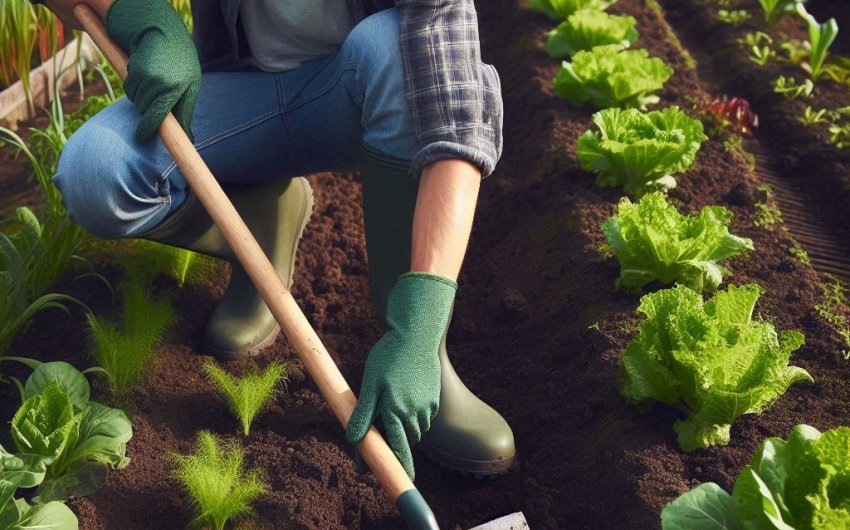
Mastering how to use a hoe for weeding in tight spaces is a valuable skill for any gardener aiming for an efficient and tidy garden, even in densely planted areas. This specialized technique allows for precise weed removal without disturbing established plants, ensuring your beds remain pristine and your efforts are maximized. With the right tool and a bit of practice, you can confidently tackle those challenging, confined spots, promoting healthier plant growth and maintaining immaculate garden aesthetics.
What types of hoes are best suited for tight spaces?
Choosing the right hoe is the first critical step when tackling weeds in cramped areas. Not all hoes are created equal, and some designs are specifically engineered for precision and maneuverability in close quarters, while others are better suited for open fields. Selecting the appropriate tool can make the difference between a frustrating chore and an efficient, satisfying task.
Oscillating Hoe (Action Hoe / Stirrup Hoe)
The oscillating hoe, also known as an action hoe or stirrup hoe, is arguably one of the best tools for weeding in tight spaces and between rows. Its unique design features a sharp, double-edged blade attached to a pivot, allowing it to cut weeds both on the push and pull stroke. This back-and-forth motion is incredibly efficient and minimizes soil disturbance.
- Key Features:
- Pivoting Head: The blade swivels, allowing it to slice weeds just below the soil surface from two directions.
- Sharp Edges: Both the front and back edges of the blade are sharpened, ensuring clean cuts.
- Lightweight: Typically lighter than traditional hoes, reducing fatigue during prolonged use.
- Narrow Blade Options: Available with blades as narrow as 3 inches, perfect for fitting between closely spaced plants.
- Why it's good for tight spaces: Its pivoting action means you don't need to lift the hoe as much, allowing you to work in constricted areas with less effort and precision. The narrow blades can easily navigate small gaps, slicing weed roots without harming your cultivated plants.
collinear Hoe (Long-Handled Weeding Hoe)
The collinear hoe is a specialty tool designed for light cultivation and weeding, particularly effective for smaller weeds and precision work. It features a very thin, sharp blade that is set in line with the handle, rather than at a right angle like a traditional hoe. This allows the gardener to stand more upright and use a sweeping motion, similar to a broom.
- Key Features:
- In-line Blade: The blade is parallel to the handle, enabling a shallow, slicing action.
- Very Sharp and Thin Blade: Designed to cut weed stems just below the soil surface with minimal effort.
- Lightweight Construction: Often made with lightweight materials for ease of use.
- Angled Head: The blade is set at a slight angle to the handle, optimized for ergonomic use.
- Why it's good for tight spaces: Its thin blade and the ability to work with a sweeping motion make it excellent for precise weeding around delicate seedlings or in tightly packed rows. You can target individual weeds with great accuracy, minimizing disturbance to surrounding plants. Look for models with smaller blade widths for even greater precision in very cramped spots.
Dutch Hoe (Push Hoe)
The Dutch hoe is another push-pull type of hoe, similar to the oscillating hoe in its basic function but with a fixed, flat blade. The blade is typically broader and pushed just below the soil surface to sever weed roots. While generally wider than oscillating or collinear hoes, smaller versions can still be effective in moderately tight spaces.
- Key Features:
- Flat, Sharp Blade: Designed to slice weeds just below the soil line on the push stroke.
- Fixed Angle: Unlike the oscillating hoe, the blade does not pivot.
- Good for Light Weeds: Most effective on young, shallow-rooted weeds.
- Why it's good for tight spaces: A narrower Dutch hoe can be maneuvered between rows, and its pushing action allows for controlled cuts. It's less ideal for extremely dense plantings compared to the oscillating or collinear hoe due to its fixed blade, but it's a solid choice for slightly wider row spacing.
Hand Hoes and Cultivators
For the absolute tightest spots, where even a narrow long-handled hoe might be too cumbersome, hand hoes or small hand cultivators become invaluable. These tools are designed for close-up, kneeling work.
- Japanese Hand Hoe (Horihyori): A multi-purpose tool with a sharp blade often used for weeding, digging, and planting. Its compact size makes it excellent for precision.
- Weeding Forks: Small, fork-like tools perfect for prying out individual weeds with taproots.
- Hand Cultivators: Small tools with prongs, ideal for breaking up soil and dislodging small weeds around delicate plants.
- Why they're good for tight spaces: When long handles are impractical, these tools offer unmatched precision and control for weeding between individual plants or in crowded container gardens.
When choosing a hoe for tight spaces, always prioritize a sharp blade, a manageable weight, and a blade width that matches the spacing of your plants. A sharp tool requires less force, reducing fatigue and improving accuracy. You can find quality tools by searching for garden weeding hoes for tight spaces online.
How do I properly prepare my garden bed for hoeing?
Proper garden bed preparation is crucial for effective hoeing, especially when dealing with tight spaces. A well-prepared bed not only makes weeding easier but also reduces the chances of damaging your cultivated plants. It's about setting the stage for efficient and precise work.
Remove Large Debris
Before you even think about grabbing your hoe, take a few minutes to clear the area. Large debris like sticks, rocks, and old plant stems can snag your hoe's blade, making your work less efficient and potentially damaging your tool or existing plants. This initial sweep ensures a smoother and safer hoeing experience. Think of it as clearing the runway before takeoff.
Water the Soil Appropriately
The moisture level of your soil is perhaps the most critical factor for successful hoeing.
- Too Dry: If the soil is bone dry, it becomes hard and compacted. Your hoe will struggle to penetrate, bouncing off the surface or creating dust clouds instead of cutting weeds. This also risks shearing off your hoe handle due to excessive force.
- Too Wet: Overly wet or soggy soil will clump to your hoe, making it heavy and ineffective. The mud can also spread weed seeds and damage soil structure. Weeds might also simply re-root in the wet soil.
The ideal soil moisture for hoeing is what gardeners call "workable" or "friable." This means the soil is slightly damp – not sticky or muddy, but not powdery dry either.
- The Squeeze Test: Grab a handful of soil and squeeze it.
- If it forms a ball that crumbles easily when poked, it's just right.
- If it stays in a solid lump and water drips out, it's too wet. Wait a day or two.
- If it falls apart immediately and feels gritty, it's too dry. Give it a light watering and wait a few hours.
Aim to hoe on a dry, sunny day, preferably after a light rain or a measured watering. This allows the sun to dry out the severed weeds, preventing them from re-rooting.
Hoe When Weeds Are Small
This is the golden rule of hoeing: hoe when weeds are young and small.
- Easier to Cut: Young weeds have shallow root systems and tender stems, making them incredibly easy to slice through with minimal effort. You'll glide through them.
- Less Soil Disturbance: Small weeds mean shallow hoeing, which disturbs less of your precious soil structure and avoids bringing dormant weed seeds to the surface where they can sprout.
- Preventing Seed Production: Catching weeds before they go to seed is vital for long-term weed control. A single mature weed can produce thousands of seeds, leading to endless future weeding.
- Less Competition: Removing weeds when they are small minimizes their competition with your cultivated plants for water, nutrients, and sunlight, leading to healthier growth for your desired crops.
Regular, light hoeing of young weeds is far more effective and less labor-intensive than battling mature, deeply rooted weeds. Make hoeing a frequent, quick task rather than a sporadic, arduous one.
Mark or Space Plants Clearly
When working in tight spaces, knowing exactly where your desirable plants are is paramount to avoid accidental damage.
- Plant in Rows: Planting vegetables or flowers in straight, evenly spaced rows makes it much easier to run a hoe between them. Use a string line as a guide when planting.
- Proper Spacing: Adhere to the recommended spacing for your plants. Overcrowding makes hoeing incredibly difficult and can lead to unhealthy plants due to competition.
- Use Markers: For newly planted seedlings or bulbs that haven't emerged yet, use garden markers or small sticks to clearly delineate their location.
- Identify Weeds vs. Seedlings: Learn to differentiate between young weed seedlings and your desired plant seedlings. This comes with practice, but knowing what your germinating plants look like is key.
By ensuring your garden bed is free of obstacles, has the right moisture content, targets young weeds, and your plants are clearly defined, you set yourself up for efficient and precise hoeing in tight spaces, preventing collateral damage and maximizing your weeding efforts.
What is the proper technique for using a hoe in narrow rows?
Using a hoe effectively in narrow rows and tight spaces requires more finesse and control than broad-stroke weeding in open areas. It's about precision, minimal disturbance, and protecting your cultivated plants while eradicating weeds. The technique varies slightly depending on the type of hoe, but the core principles remain the same.
The Stance and Grip
Your body position and how you hold the hoe directly impact your control and efficiency.
- Stand Upright: For long-handled hoes, try to maintain a relatively upright posture. This reduces strain on your back and allows you to see your work clearly. Avoid hunching over.
- Comfortable Grip: Hold the hoe handle firmly but not rigidly. One hand should be near the top of the handle, and the other lower down, providing leverage and control. Adjust your grip for comfort and to optimize the angle of the blade.
- Feet Position: Stand to the side of the row you are weeding, rather than directly over it. This gives you better visibility and reduces the risk of stepping on your plants. Move slowly along the row as you work.
The Stroke (Varies by Hoe Type)
The key to weeding in tight spaces is a shallow, controlled stroke. You are not tilling; you are simply severing weed roots just below the soil surface.
For Oscillating Hoes (Action/Stirrup Hoes):
- Push-Pull Motion: The beauty of the oscillating hoe is its back-and-forth action.
- Push: Gently push the blade forward, just below the soil surface (about 1/2 to 1 inch deep). The blade will slice through weed roots.
- Pull: Pull the blade back towards you. The blade will pivot, and its other sharp edge will slice through any remaining weeds on the return stroke.
- Short, Controlled Strokes: In tight spaces, use very short, deliberate push-pull motions. This gives you maximum control over the blade's movement.
- Parallel to Plants: Keep the blade as parallel to the row of your cultivated plants as possible. This allows you to skim along the row without hitting your desired plants.
- Visual Guidance: Always keep your eyes on the blade and the weeds you are targeting. This helps you steer the hoe precisely.
For Collinear Hoes (Long-Handled Weeding Hoes):
- Sweeping/Slicing Motion: The collinear hoe is used with a more horizontal, sweeping action, similar to how you might use a broom to sweep dust.
- Placement: Place the thin blade just below the soil surface, right next to the weed you want to remove.
- Sweep: Pull or push the blade with a gentle, sweeping motion, slicing through the weed stem at the root crown.
- Targeted Weeding: This hoe excels at precise, individual weed removal. You can literally "shave" off small weeds from around delicate seedlings.
- Minimal Depth: Maintain a very shallow depth. You want to cut the weed, not dig a trench.
- Blade Angle: Keep the blade at a slight angle (around 15-20 degrees) to the soil surface for the most effective cut.
For Dutch Hoes (Push Hoes):
- Pushing Motion: The Dutch hoe is primarily a pushing tool.
- Position: Place the blade flat on the soil, with the sharpened edge facing away from you.
- Push: Push the hoe forward with a steady, controlled motion, allowing the blade to slide just beneath the soil surface and sever weed roots.
- Controlled Force: Apply just enough force to cut the weeds. Too much force will dig too deep and disturb more soil.
- Overlap Slightly: For broader weeding areas, overlap your strokes slightly to ensure all weeds are cut. In tight spaces, be very precise with each push.
Working Around Established Plants
This is where the "tight spaces" challenge truly comes in.
- Approach from the Side: Always approach your cultivated plants from the side, with the flat of the hoe blade running parallel to their stems. Avoid pushing the hoe directly towards a plant.
- Small Increments: Work in very small increments. Instead of long, sweeping motions, use short, precise chops or slices.
- Adjust Angle: Tilt your hoe slightly to use just a corner or edge of the blade for extremely tight spots. This is particularly effective with collinear or oscillating hoes.
- "Draw" Weeds Out: With an oscillating or collinear hoe, after slicing the weed root, you can often use the blade to gently draw the severed weed to the surface, making it easier to rake away.
- Know When to Stop: Recognize when a hoe is no longer the best tool. If weeds are too close to your plants, too large, or have deep taproots, switch to hand weeding to prevent damage. Don't force the hoe.
Managing Severed Weeds
Once you've cut the weeds, you need to ensure they don't re-root.
- Leave on Surface (if sunny): On a dry, sunny day, you can often leave the severed weeds on the soil surface to dry out and die. They will then decompose, returning organic matter to the soil.
- Rake or Remove (if wet/shady): If the weather is damp or the area is heavily shaded, it's best to lightly rake the severed weeds out of the bed and add them to your compost bin to prevent them from re-rooting. Avoid composting weeds with mature seeds.
By mastering these precise hoeing techniques, you can efficiently maintain clean, weed-free beds even in your most densely planted areas, ensuring your desirable plants have all the resources they need to flourish. Remember to practice the correct way to use a hoe for weeding in tight spaces.
What common mistakes should I avoid when hoeing in confined areas?
Even with the right hoe and proper preparation, it's easy to fall into common traps that can make weeding in tight spaces less effective or even damaging. Being aware of these pitfalls will help you work more efficiently and protect your cultivated plants.
1. Digging Too Deep
This is one of the most common and damaging mistakes.
- Why it's wrong: Digging deep with a hoe disturbs too much soil. This can:
- Damage Plant Roots: You risk severing the feeder roots of your desirable plants, especially those that are shallow-rooted.
- Bring Up Dormant Weed Seeds: Every inch of soil below the surface contains a vast "weed seed bank." Digging deep brings these dormant seeds to the surface, where light and moisture encourage them to sprout, creating more weeds.
- Require More Effort: It's harder work to dig deep, leading to faster fatigue.
- Solution: Focus on a very shallow cut, just beneath the soil surface (about 1/2 to 1 inch deep). You only need to sever the weed's connection to its root system. For many hoes, this involves pushing or pulling the blade almost horizontally across the soil.
2. Hoeing When Weeds Are Too Large
Procrastination is the enemy of easy weeding.
- Why it's wrong:
- Difficult to Cut: Large weeds have thicker, tougher stems and more developed root systems, making them much harder to slice through with a hoe. You'll need more force, increasing the risk of damaging desirable plants.
- More Soil Disturbance: Removing a large weed inevitably disturbs more soil around its robust root system.
- Seed Production: Large weeds are likely to have gone to seed or be close to it, scattering thousands of new weed seeds into your garden.
- Solution: Hoe early and often. The best time to hoe is when weeds are still tiny, often just "thread stage" seedlings. They are barely visible but incredibly easy to dispatch. Make weeding a quick, frequent task rather than a huge chore.
3. Hoeing When Soil is Too Wet or Too Dry
As discussed in preparation, incorrect soil moisture severely hinders effectiveness.
- Why it's wrong:
- Too Wet: Wet soil clogs the hoe, makes it heavy, and creates mud. Weeds can easily re-root, and you risk compacting or damaging your soil structure.
- Too Dry: Hard, dry soil resists the hoe, making you work harder, potentially damaging your tool, and not effectively cutting weeds.
- Solution: Always check the soil moisture before you begin. The ideal is "workable" soil that is slightly damp and crumbles easily. If too dry, give a light watering and wait. If too wet, wait a day or two for it to dry out.
4. Ignoring Blade Sharpness
A dull hoe is an ineffective and frustrating tool.
- Why it's wrong: A dull blade tears at weeds and requires excessive force, leading to:
- Inefficient Cuts: Weeds may not be cleanly severed, allowing them to re-root.
- Increased Effort and Fatigue: You'll work harder for poorer results.
- Increased Risk of Damage: More force means less control, increasing the chance of accidentally hitting your cultivated plants.
- Solution: Keep your hoe blade razor-sharp. Use a sharpening file or whetstone regularly, even before each major weeding session. A sharp tool makes all the difference.
5. Overlooking the "Push" and "Pull" Mechanics
Some hoes are designed for specific motions.
- Why it's wrong: Using an oscillating hoe with only a push motion (or trying to use a Dutch hoe with a pull motion) negates its design efficiency. You're not getting the full benefit of the tool.
- Solution: Understand how your specific hoe is designed to work.
- Oscillating Hoe: Best with a push and pull motion.
- Dutch Hoe: Primarily a push motion.
- Collinear Hoe: Best with a shallow, sweeping push or pull. Practice the recommended technique for your chosen tool.
6. Working Too Close to Desirable Plants with Too Much Force
Precision is key in tight spaces.
- Why it's wrong: Aggressive or careless hoeing near cultivated plants can sever their stems, roots, or simply damage their delicate leaves.
- Solution:
- Slow Down: Take your time in confined areas.
- Short, Controlled Strokes: Use very small, deliberate motions.
- Change Angle: When very close, angle the hoe so only a corner of the blade is working, or even switch to a hand tool for delicate spots.
- Know When to Hand Weed: If a weed is truly intertwined with a desirable plant, it's safer to get down and remove it by hand.
By diligently avoiding these common mistakes, you'll find that using a hoe for weeding in tight spaces becomes a much more effective, less strenuous, and ultimately more rewarding part of your garden maintenance routine. Consistent application of these principles will keep your garden tidy and your plants thriving.
What are some advanced tips for precision hoeing in dense plantings?
Once you've mastered the basics of using a hoe in narrow rows, you can refine your technique further to tackle the trickiest, most densely planted areas with confidence and precision. These advanced tips focus on maximizing control, minimizing disturbance, and adapting your approach to challenging situations.
1. The "Slice and Lift" Method
This technique is particularly effective for very small weeds nestled close to desirable plants, especially with an oscillating hoe or collinear hoe.
- How it works:
- Position the hoe blade to just skim under the weed you want to remove.
- Perform a very short, precise slice to sever the weed's roots.
- Instead of moving on immediately, slightly lift and twist the hoe blade after the cut. This motion gently brings the severed weed to the surface of the soil, making it visible and preventing it from re-rooting.
- Benefits: Ensures complete removal of the weed, even tiny ones, and avoids leaving fragments that could regrow. It also means you don't need to go back and rake out tiny weeds later.
2. Using the "Corner" or "Edge" of the Blade
For extremely tight spots, or when working around very young or fragile seedlings, you don't always need to use the full width of your hoe blade.
- How it works: Angle your hoe so that only a small corner or just one edge of the blade touches the soil near the weed.
- Benefits: This gives you even finer control and allows you to "thread the needle" between closely spaced plants or to get at individual weeds without disturbing the surrounding soil or plants. It's like using a surgeon's scalpel instead of a broad knife. This is especially useful with the sharp, thin blades of a collinear or oscillating hoe.
3. The "Weed-Side Only" Approach
When weeds are primarily on one side of a plant or row, focus your hoeing efforts selectively.
- How it works: Instead of trying to hoe both sides of a plant simultaneously or with wide strokes, work methodically down one side of the row, then reposition yourself to work down the other side if needed. For individual plants, only target the area where the weed is present.
- Benefits: Reduces unnecessary disturbance to the soil and roots where there are no weeds. It also minimizes the chances of accidentally damaging the "clean" side of your plant.
4. Mastering the Reverse Stroke (for Oscillating Hoes)
While the oscillating hoe works on push and pull, many gardeners initially focus more on the push. Developing proficiency with the reverse (pull) stroke significantly enhances efficiency.
- How it works: Consciously apply light pressure on the pull stroke, allowing the trailing edge of the blade to cut weeds on the way back.
- Benefits: Doubles your weeding efficiency with each movement, ensures all weeds are severed, and leaves a cleaner, more refined surface. It also means less strain on your back because you're using both directions of motion.
5. Utilizing Different Hoe Sizes for Different Tasks
Just as you choose the right hoe type, consider having different blade widths available.
- Small Blade (2-4 inches): Ideal for very narrow rows, between individual plants, or intricate work in container gardens. A narrow oscillating hoe or a collinear hoe excels here.
- Medium Blade (5-7 inches): Good for slightly wider row spacing or general bed maintenance where precision is still important but you want a bit more coverage.
- Benefits: Having a selection allows you to switch tools based on the specific width of the space you're working in, optimizing efficiency and precision.
6. Incorporating Hand Weeding for "Zero Tolerance" Zones
No matter how skilled you are with a hoe, some areas are just too delicate or crowded.
- How it works: Define "zero tolerance" zones around your most precious or tightly planted specimens (e.g., newly transplanted seedlings, delicate herbs, or very densely planted flower beds). In these areas, put the hoe down and use your hands, a weeding fork, or a small Japanese weeding sickle.
- Benefits: Prevents accidental damage and ensures the most thorough removal of weeds where precision is absolutely paramount. It's about smart gardening, not stubborn reliance on one tool.
By incorporating these advanced techniques and understanding the nuances of how to use a hoe for weeding in tight spaces, you can transform your weeding routine into a more controlled, effective, and less labor-intensive activity, leading to a consistently tidy and flourishing garden.