
Best Garden Kneeling Pads for Comfort
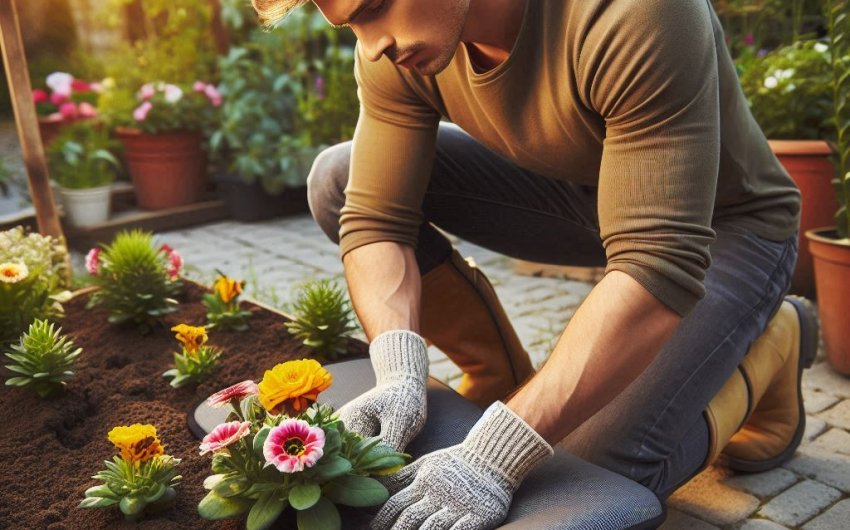
Protecting your knees while working in the garden is essential for comfort and preventing strain, making a quality kneeling pad an indispensable tool. Investing in the best garden kneeling pads for comfort can significantly enhance your gardening experience, allowing you to spend more time tending to your plants without discomfort. This guide will delve into what makes a kneeling pad truly effective and highlight top options designed to provide superior cushioning and support.
Why is a Garden Kneeling Pad Essential?
For anyone who spends time tending to their plants, a garden kneeling pad is far more than a luxury; it's an essential tool that can dramatically improve comfort, safety, and longevity in the garden. Understanding its benefits reveals why it's a must-have for seasoned gardeners and beginners alike.
Protects Knees from Hard/Rough Surfaces:
- Pavement and Concrete: Kneeling directly on hard surfaces like concrete, asphalt, or stone patios can cause immediate pain, bruising, and long-term joint damage. A pad provides a crucial barrier.
- Rocky or Uneven Soil: Garden beds often contain rocks, roots, or uneven ground. A kneeling pad cushions against these sharp or uncomfortable elements, preventing cuts, scrapes, and pressure points.
- Wet or Muddy Ground: It creates a barrier between your knees and damp or muddy soil, keeping your pants and knees dry and clean.
Reduces Joint Pain and Pressure:
- Cushioning Effect: The primary function of a kneeling pad is to distribute your body weight evenly across your knees, reducing pressure on individual points and delicate knee joints.
- Prevents Bursitis: Repeated kneeling on hard surfaces without protection can lead to bursitis (inflammation of the bursa sacs, fluid-filled sacs that cushion joints), characterized by pain, swelling, and tenderness. A good pad helps prevent this.
- Alleviates Arthritis Symptoms: For those with existing arthritis or joint sensitivity, a kneeling pad provides much-needed shock absorption and cushioning, making gardening less painful and more accessible.
Enhances Comfort and Extends Working Time:
- Improved Endurance: When your knees are comfortable, you can spend more time working in the garden without needing to frequently stand up to relieve pain or discomfort. This increases your efficiency.
- Focus on Gardening: Instead of focusing on aching knees, you can concentrate on the task at hand – weeding, planting, pruning, or deadheading – making gardening more enjoyable.
- Better Posture: Comfort often leads to better posture, reducing strain on your back and hips as well.
Provides Insulation from Temperature Extremes:
Advertisement- Cold Ground: In cooler weather or early spring, kneeling on cold, damp ground can be uncomfortable and potentially exacerbate joint stiffness. A pad acts as an insulating barrier.
- Hot Pavement: Conversely, in summer, kneeling on hot pavement can be unpleasant. The pad provides protection from heat transfer.
Versatility Beyond the Garden:
- A high-quality kneeling pad isn't just for gardening. It's incredibly useful for a variety of other tasks around the house:
- Housework: Cleaning floors, scrubbing tubs, painting baseboards.
- DIY Projects: Working on car engines, plumbing, or any task requiring kneeling on hard surfaces.
- Camping/Outdoors: Providing a comfortable seat or kneeler for outdoor activities.
- A high-quality kneeling pad isn't just for gardening. It's incredibly useful for a variety of other tasks around the house:
Investing in one of the best garden kneeling pads for comfort is a simple yet profound way to protect your body, enhance your gardening pleasure, and ensure you can continue enjoying your passion for years to come.
What Materials and Features Make the Best Kneeling Pads?
The effectiveness and comfort of a garden kneeling pad largely depend on the materials used and its design features. When searching for the best garden kneeling pads for comfort, understanding these elements is crucial for making an informed choice that will protect your knees for years of gardening.
Core Material (Cushioning and Support):
- EVA Foam (Ethylene-vinyl acetate):
- Characteristics: A very common material. It's lightweight, flexible, and offers good cushioning. Think of the material often used in yoga mats or athletic shoe soles.
- Pros: Good initial cushioning, relatively inexpensive, lightweight, closed-cell (doesn't absorb water readily).
- Cons: Can compress and lose cushioning over time, especially with heavy use. May not offer the most durable support for very long periods of kneeling.
- Ideal For: Light to moderate gardening, general home use, good entry-level option.
- Memory Foam:
- Characteristics: A type of polyurethane foam that conforms to the shape of your body, distributing pressure evenly.
- Pros: Superior pressure relief and cushioning, very comfortable, excellent for sensitive knees or those with joint pain.
- Cons: Can be more expensive, can sometimes retain heat. May not be as durable as gel or industrial foams in the long term without protective layers.
- Ideal For: Gardeners seeking maximum comfort, or those with pre-existing knee issues.
- Gel Inserts:
- Characteristics: Often used in combination with foam. Gel pockets or layers provide excellent shock absorption and pressure distribution by allowing material to move and adapt.
- Pros: Very effective at distributing pressure, durable cushioning, often provides a cooling sensation.
- Cons: Can increase cost, might add weight.
- Ideal For: Heavy-duty use, professional gardeners, or those requiring superior comfort and longevity. Some high-end kneeling pads with gel inserts are available.
- High-Density/Industrial Foams (e.g., NBR Rubber, Proprietary Blends):
- Characteristics: Engineered foams designed for durability and resilience, often used in professional or athletic contexts. They resist compression better than standard EVA foam.
- Pros: Excellent durability, maintains cushioning over time, good support, often water-resistant.
- Cons: Can be more expensive, may feel firmer initially than memory foam.
- Ideal For: Frequent, heavy use, professional gardeners, or those who prioritize long-term performance.
- EVA Foam (Ethylene-vinyl acetate):
Thickness:
- Minimum: Look for a kneeling pad that is at least 1 inch (2.5 cm) thick.
- Optimal: 1.5 to 2 inches (3.8 to 5 cm) thick generally provides the best balance of cushioning and support for most tasks. Thicker pads offer more comfort but can be bulkier.
Size:
- Adequate Surface Area: Ensure the pad is large enough to comfortably accommodate both knees without forcing you to squeeze them together or fall off the edges.
- Standard Size: Around 10x18 inches to 12x20 inches is common for single-person use.
- Larger Options: Some extra-large pads are available for those who move around a lot or prefer more space.
Outer Material/Covering:
- Water Resistance: Essential for outdoor use. Look for materials that repel water (closed-cell foam, durable fabrics with coatings) so the pad doesn't absorb moisture and become soggy or prone to mold.
- Durability/Abrasion Resistance: The outer layer should be tough enough to withstand kneeling on rough surfaces without tearing or puncturing.
- Easy to Clean: A surface that can be easily wiped clean with a damp cloth is a huge plus.
Portability and Storage Features:
- Lightweight: While thickness adds comfort, ensure the overall weight is manageable for carrying around the garden.
- Integrated Handle: A built-in handle makes carrying the kneeling pad from one spot to another much easier. Many of the best garden kneeling pads come with this.
- Hanging Hole: A small hole allows for easy hanging storage in a shed or garage.
By carefully considering these material properties and design features, you can confidently select one of the best garden kneeling pads for comfort that will provide lasting support and make your gardening tasks much more enjoyable.
What are the Best Standalone Kneeling Pads?
For gardeners who prioritize portability and simplicity, standalone garden kneeling pads are an excellent choice. These are the classic, individual pads designed solely for kneeling comfort. When seeking the best garden kneeling pads for comfort in this category, look for a balance of cushioning, durability, and ease of transport.
Gorilla Grip Thick Kneeling Pad:
- Why it's Popular: Often cited as a top-rated option due to its generous thickness and durable material.
- Key Features:
- Material: Made from high-density, non-recycled foam that resists compression.
- Thickness: Typically 1.5 inches (3.8 cm) or more, providing substantial cushioning.
- Size: Good size (e.g., 18 x 11 inches) to comfortably accommodate both knees.
- Waterproof: Closed-cell construction makes it waterproof and easy to clean.
- Built-in Handle: Convenient for carrying.
- Pros: Excellent comfort and shock absorption, very durable foam that holds its shape, lightweight, highly water-resistant.
- Cons: Some might find it slightly bulky for very tight spaces.
- Ideal For: General gardening, home repairs, yoga, and any task requiring prolonged kneeling on hard surfaces. A very popular choice, often available as a Gorilla Grip Kneeling Pad.
Kneelo Kneeler by Burgon & Ball:
- Why it's Popular: A premium option from a reputable UK gardening brand, known for its superior comfort and durable design.
- Key Features:
- Multi-Layered Core: Features a combination of impact-absorbing foam and a soft memory foam core, providing exceptional cushioning and support.
- Outer Cover: Durable, waterproof neoprene cover that is easy to wipe clean.
- Size: Generously sized (e.g., 20 x 12 inches) to provide ample kneeling space.
- Integrated Handle: For easy carrying.
- Pros: Top-tier comfort due to memory foam, very durable construction, excellent water resistance, stylish design.
- Cons: Higher price point than basic foam pads.
- Ideal For: Serious gardeners who spend a lot of time on their knees, those with knee pain, or anyone seeking premium comfort and longevity. Look for the Burgon & Ball Kneelo Kneeler.
Tommyco Professional Kneeling Pad:
- Why it's Popular: Often recommended for its ruggedness and industrial-grade foam, designed for professional use but great for demanding home gardeners.
- Key Features:
- Material: Made from ultra-thick, high-density closed-cell foam that resists bottoming out.
- Thickness: Often thicker than standard pads (e.g., 1.5 - 2 inches), providing serious shock absorption.
- Durability: Built to withstand harsh conditions and heavy use.
- Lightweight: Despite its thickness, it's typically easy to carry.
- Built-in Handle: Standard.
- Pros: Extremely durable, provides excellent protection on very rough or hard surfaces, long-lasting comfort.
- Cons: Can be on the firmer side compared to memory foam options.
- Ideal For: Demanding gardening tasks, construction, mechanics, or anyone needing very robust and long-lasting knee protection. You can find Tommyco Kneeling Pads.
Garden Works Garden Kneeler:
- Why it's Popular: Offers a good balance of comfort and affordability, making it a solid choice for everyday use.
- Key Features:
- Material: Usually high-density EVA foam.
- Thickness: Around 1-1.5 inches thick.
- Size: Standard size for comfortable kneeling.
- Waterproof: Easy to clean.
- Handle: Included for portability.
- Pros: Good value for money, sufficient comfort for most gardening tasks, lightweight.
- Cons: May not offer the same long-term compression resistance as premium foams.
- Ideal For: Casual gardeners, those on a budget, or as a general-purpose kneeler for various household chores.
When choosing a standalone kneeling pad, consider the intensity and frequency of your gardening activities, as well as any existing knee sensitivities. These top-rated options offer excellent solutions for ensuring your comfort and protecting your knees while you enjoy your garden.
What are the Best Kneeler-Stools/Benches?
For gardeners seeking enhanced versatility and support, a kneeler-stool (or kneeler-bench) offers the dual benefit of a comfortable kneeling pad and a convenient seat. These tools are excellent options for finding the best garden kneeling pads for comfort while also addressing back strain and mobility issues.
Fiskars Garden Kneeler and Seat (or similar brands like SONGMICS, Gardener's Supply Company):
- Why it's Popular: This is perhaps the most iconic and widely recognized design in the kneeler-stool category, offering robust functionality.
- Key Features:
- Dual Function:
- Kneeler: Flip it one way, and it provides a soft, padded surface (usually EVA foam) for kneeling, with sturdy side handles to help you get up.
- Stool/Bench: Flip it over, and the padded surface becomes a seat, allowing you to sit comfortably for lower tasks or take a break.
- Frame Material: Typically made of sturdy steel tubing, often powder-coated for rust resistance.
- Foldable: Most models fold flat for easy storage and portability.
- Side Handles: Crucial for stability and providing leverage when moving from a kneeling to a standing position.
- Dual Function:
- Pros:
- Versatile: Serves two essential functions in one tool.
- Back Support: Reduces back strain by providing a seat for low tasks.
- Assistance for Standing: The side handles are invaluable for gardeners with knee or back issues, making it easier and safer to get up.
- Durable Construction: Generally robust and long-lasting.
- Cons: Heavier and bulkier than a standalone kneeling pad. May not be ideal for navigating very tight garden spaces.
- Ideal For: Gardeners who experience back pain, prefer to sit for tasks, or need assistance getting up from a kneeling position. Excellent for planting, weeding, and pruning. A common and highly-rated option is the Abco Tech Garden Kneeler and Seat.
Pure Garden Garden Kneeler and Seat with Tool Pouch:
- Why it's Popular: Similar to the Fiskars design but often includes an added feature for convenience.
- Key Features:
- Same dual kneeler/stool functionality and foldable design.
- Tool Pouch: Comes with a detachable tool pouch that can attach to the side handles.
- Pros: All the benefits of a kneeler-stool, plus the added convenience of keeping frequently used hand tools (pruning shears, trowel, gloves) within easy reach. The tool pouch can often be removed if not needed.
- Cons: Slightly bulkier if the pouch is attached, similar weight considerations as other kneeler-stools.
- Ideal For: Gardeners who like to keep their tools organized and readily accessible while working. A very practical choice, often found as a Garden Kneeler with Tool Pouch.
MyLifeUNIT Rolling Garden Work Seat with Wheels:
- Why it's Popular: While not strictly a "kneeling pad," this rolling seat is an alternative for those who prefer to sit rather than kneel for prolonged periods.
- Key Features:
- Rolling Seat: A low-to-the-ground seat with wheels, allowing you to easily glide along garden rows without repeatedly getting up and down.
- Storage Tray: Often includes an under-seat storage tray for tools or supplies.
- Adjustable Height (some models): Some versions offer adjustable seat height.
- Pros: Eliminates kneeling entirely, great for long rows, reduces back strain from bending, keeps tools handy.
- Cons: Not suitable for all terrain (works best on flat, even surfaces like patios or wide, smooth pathways). Can be difficult to maneuver in dense planting beds. No actual kneeling pad included.
- Ideal For: Gardeners with large, flat garden beds, those with severe knee issues who cannot kneel, or anyone who spends a lot of time weeding or planting in rows. You can find various models of rolling garden seats.
When deciding between a standalone kneeling pad and a kneeler-stool, consider your physical needs, the layout of your garden, and how long you typically spend on different tasks. A kneeler-stool is an excellent investment for enhanced comfort and mobility for a variety of gardening activities.
How to Care for Your Garden Kneeling Pad?
Proper care and maintenance of your garden kneeling pad are crucial for extending its lifespan and ensuring it continues to provide the best garden kneeling pads for comfort over many seasons. A little attention after each use goes a long way.
Clean After Each Use:
- Remove Debris: Immediately after you finish gardening, shake or brush off any loose dirt, grass clippings, leaves, or plant debris from the kneeling pad.
- Wipe Down: For muddy or sticky residue, wipe the pad down with a damp cloth or sponge. For stubborn grime, a mild soap solution (like dish soap and water) can be used.
- Rinse (if applicable): If you've used soap, or if the pad is heavily caked with mud, a quick rinse with a garden hose is fine for most waterproof pads.
- Why it's Important: Leaving dirt and moisture on the pad can lead to mildew, mold, and premature degradation of the material. Dirt can also be abrasive.
Dry Thoroughly:
- Crucial Step: After cleaning or if the pad has gotten wet during use, ensure it is completely dry before storing it.
- Air Dry: Hang it up or stand it on its side in a well-ventilventilated area. Avoid direct, intense sunlight for prolonged periods, especially for foam pads, as UV rays can degrade certain materials over time.
- Avoid Trapped Moisture: Do not store a damp kneeling pad in a closed container, tool bag, or a poorly ventilated space, as this encourages mold and mildew growth.
Proper Storage:
- Cool, Dry Place: Store your kneeling pad in a cool, dry place away from direct sunlight and extreme temperatures. A shed, garage, or utility room is ideal.
- Hang or Stand: If your pad has a handle or hanging hole, utilize it to hang the pad. This helps with air circulation and keeps it off the ground, away from pests or dampness.
- Avoid Heavy Objects: Do not stack heavy objects on top of your kneeling pad for extended periods, as this can compress the foam and permanently reduce its cushioning ability.
Inspect for Damage:
- Regular Checks: Periodically inspect your kneeling pad for signs of wear and tear, such as:
- Cracks or Tears: On the outer cover or foam.
- Significant Compression: Areas that no longer rebound or provide sufficient cushioning.
- Mold/Mildew: Any dark spots or musty smells that persist after cleaning.
- Address Issues: Small tears might be repaired with a strong, flexible adhesive or patch kit. If the pad has lost its cushioning or is severely damaged, it's time to consider a replacement.
- Regular Checks: Periodically inspect your kneeling pad for signs of wear and tear, such as:
Specific Care for Kneeler-Stools/Benches:
- Frame Care: If the frame is metal (steel), ensure it is wiped dry after use to prevent rust. If it's painted or powder-coated, inspect for chips or scratches that could expose bare metal to rust. Touch up with rust-resistant paint if needed.
- Hinges/Moving Parts: If your kneeler-stool folds, keep the hinges and moving parts clean and free of grit. A light spray of silicone lubricant can help keep them operating smoothly, but wipe off excess.
- Fabric Cushions: If the kneeling surface is a removable fabric cushion, follow its specific cleaning instructions. Some may be machine washable.
By consistently applying these simple care tips, you'll ensure your garden kneeling pad remains in excellent condition, providing comfort and protection for your knees through countless hours of enjoyable gardening.