
How to Choose a Durable Gardening Trowel?
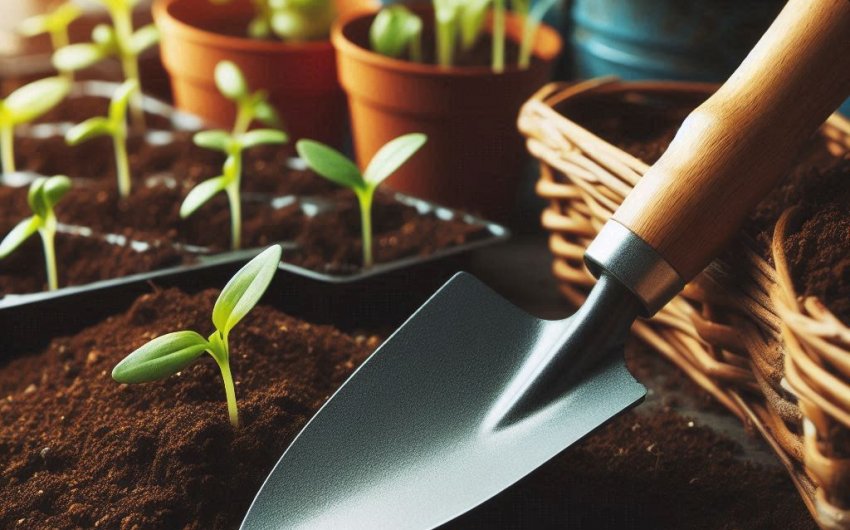
Selecting a gardening trowel that withstands the rigors of digging, planting, and weeding is paramount for any avid gardener. Learning how to choose a durable gardening trowel involves understanding the nuances of materials, construction, and ergonomic design, ensuring your chosen tool provides years of reliable service rather than bending or breaking after a few uses. An investment in a well-crafted, long-lasting hand trowel enhances your efficiency and comfort, transforming routine garden tasks into a more enjoyable and productive experience.
Why is trowel durability so important for gardeners?
A gardening trowel is arguably the most frequently used hand tool for many gardeners. From planting delicate seedlings to digging out stubborn weeds, it's constantly put to work. Its durability is paramount because a flimsy trowel can quickly bend, break, or lose its edge, leading to frustration, wasted money, and potential injury. Investing in a robust trowel means you'll have a reliable partner for countless hours of garden tasks.
What are the consequences of using a low-quality or flimsy trowel?
Using a trowel that isn't built to last can lead to several frustrating and unproductive scenarios in the garden.
- Bending or Breaking: This is the most common and immediate sign of a low-quality trowel. When you hit a root, a rock, or simply encounter compacted soil, a flimsy blade can easily bend, rendering it useless for digging. In worse cases, the blade might snap clean off the handle, creating a hazard.
- Rapid Dullness: Cheap trowels often have blades made from soft or poorly treated metal that quickly lose their edge. This makes digging much harder, as the blade struggles to penetrate soil or cut through roots, requiring more force and effort from the gardener.
- Handle Detachment or Splitting: The connection between the blade and the handle is a critical weak point in poorly constructed trowels. Handles can wobble, loosen, or completely detach. Wooden handles on cheap trowels may splinter or rot, while plastic ones can crack.
- Rust and Corrosion: Low-grade metal blades often lack proper rust resistance, quickly corroding when exposed to moisture in the soil. Rust weakens the blade and makes it less pleasant to use.
- Reduced Efficiency: Constantly struggling with a bending, dull, or broken trowel makes gardening tasks slower, more frustrating, and less enjoyable. You spend more time fighting your tool and less time nurturing your plants.
- Wasted Money: Continuously replacing cheap, failing trowels adds up over time, making the initial "saving" a false economy.
- Potential Injury: A bending blade can cause your hand to slip, or a snapping handle can result in cuts or strains. Durability is also a safety feature.
Investing in a durable gardening trowel from the outset eliminates these frustrations and ensures you have a reliable tool that can handle the rigors of gardening season after season, making your efforts more efficient and enjoyable.
What are the best blade materials for a durable gardening trowel?
The blade material is arguably the most critical component when learning how to choose a durable gardening trowel. It directly dictates the trowel's strength, ability to hold an edge, and resistance to corrosion – all vital for a long-lasting tool.
What are the advantages of stainless steel blades?
Stainless steel is a highly popular choice for gardening trowel blades due to its excellent combination of properties, particularly its resistance to rust.
- Corrosion Resistance: The primary benefit of stainless steel is its superior resistance to rust and corrosion. This makes it ideal for tools constantly exposed to wet soil, moisture, and fertilizers. While it's still good practice to clean and dry your trowel, a stainless steel blade is much more forgiving if left slightly damp.
- Ease of Cleaning: Its smooth, non-porous surface makes it very easy to clean off soil and sap, helping to prevent the buildup of grime that can harbor disease.
- Strength and Durability: High-quality stainless steel (e.g., specific grades like 420 or 304, though often not specified on basic trowels) is very strong and resistant to bending, especially when forged or made with thicker gauge metal.
- Aesthetics: Stainless steel maintains its shiny, clean appearance longer than carbon steel.
- Consideration: While generally very durable, lower grades of stainless steel might not hold an edge as keenly as high-carbon steel, though for most general gardening tasks, this is not a significant drawback. Look for reputable brands known for their stainless steel tools. The Fiskars Ergo Trowel often features a stainless steel blade.
Why is forged carbon steel or borate steel highly regarded?
For gardeners seeking the ultimate in strength and edge retention, forged carbon steel or specialized alloys like borate steel are top contenders.
- Superior Strength and Hardness: Carbon steel is inherently harder and stronger than stainless steel. When it's forged (shaped and strengthened through heating and hammering), it creates an incredibly robust blade that is highly resistant to bending, even in compacted or rocky soil.
- Excellent Edge Retention: Carbon steel can be sharpened to a very keen edge and holds that edge exceptionally well, meaning less frequent sharpening. This is particularly beneficial for tasks requiring precise cuts or digging through dense roots.
- Borate Steel (or Boron Steel): Some high-end European tools, notably from brands like DeWit, use borate steel. This is a specific alloy that is incredibly strong, hard, and light, often found in professional-grade tools.
- Consideration: The main drawback of carbon steel is its susceptibility to rust. It requires meticulous cleaning and drying after every use, and regular oiling (e.g., with camellia oil) to prevent corrosion. If you're willing to commit to this maintenance, a carbon steel trowel can be a lifelong tool. A DeWit Forged Trowel is an example of a high-quality carbon or borate steel trowel.
What about blade thickness and design?
Beyond the material, the actual design and thickness of the blade contribute to its durability and functionality.
- Thick Gauge Metal: A thicker gauge of metal in the blade provides greater strength and resistance to bending. Avoid trowels with thin, flimsy-looking blades.
- Tapered or Sharpened Edge: A blade that is slightly tapered or has a subtly sharpened edge makes it much easier to penetrate compacted soil or cut through small roots, reducing the effort you need to exert and the stress on the blade.
- Blade Shape:
- Standard Scooped Trowel: Ideal for scooping soil and digging general planting holes.
- Transplanter Trowel (Narrow and Long): Excellent for digging deep, narrow holes for bulbs or seedlings, and often features depth markings.
- Weeding Trowel (Pointed/Forked): Designed for prying out stubborn weeds.
- Full Tang Construction: This is a crucial feature for the strongest trowels. A full tang means the blade metal extends as one continuous piece all the way through the handle, often riveted on either side. This prevents the blade from bending at the handle connection or detaching. The Wilcox All-Pro Trowel is famous for its one-piece full tang design.
By carefully evaluating these blade features, you're well on your way to selecting a truly durable gardening trowel that will perform reliably for many seasons.
What defines a durable trowel handle and handle-to-blade connection?
Even the strongest blade is useless if its handle breaks or detaches. When learning how to choose a durable gardening trowel, scrutinizing the handle material and, critically, the handle-to-blade connection is just as important as the blade itself. These aspects ensure comfort, control, and longevity.
What are the best handle materials for durability and comfort?
The material and design of the handle impact not only its durability but also your comfort and grip during use.
- Hardwood (e.g., Ash, Hickory, Walnut):
- Pros: Traditional, aesthetically pleasing, strong, and offers a natural, comfortable grip that can feel good even when wet. It also absorbs some shock.
- Cons: Can splinter, crack, or rot over time if not properly maintained (e.g., by regularly oiling with linseed oil).
- Durability Factor: Look for a smooth, well-finished handle without obvious flaws or knots. The best ones are made from a single piece of strong hardwood.
- Fiberglass:
- Pros: Extremely strong, lightweight, and resistant to rot, rust, warping, and splintering. Offers good shock absorption. Highly durable and low maintenance.
- Cons: Can be more expensive than wood. Some people prefer the natural feel of wood.
- Durability Factor: Very reliable. Often used in longer-handled shovels but found in some high-quality trowels as well.
- Reinforced Plastic/Composite:
- Pros: Lightweight, resistant to weather and rust, often molded into ergonomic shapes. Can be quite durable when made from high-quality, reinforced materials (e.g., Fiskars' FiberComp).
- Cons: Cheaper plastics can be brittle and crack easily, especially in cold weather. Can sometimes feel less substantial than wood or metal.
- Durability Factor: Check for solid, thick construction and reputable brands known for their composite tools. Look for non-slip textures. The Fiskars Ergo Trowel is a good example of this type.
- Metal (Stainless Steel/Aluminum) with Overmold/Grip:
- Pros: Incredibly strong and impervious to rot/splintering. Often coated with a comfortable, non-slip rubberized or textured grip for ergonomic comfort.
- Cons: Can be heavier or colder to the touch depending on the core metal.
- Durability Factor: Very durable, especially if it's a full-tang design where the metal extends through the grip. The Wilcox All-Pro Trowel fits this description.
What is the most critical aspect of the handle-to-blade connection?
The point where the blade meets the handle is the most vulnerable spot on many trowels. A strong, secure connection is vital for durability.
- Full Tang Construction: This is the gold standard for trowel durability. A full tang means the blade metal extends in one continuous piece all the way through the length of the handle. The handle material (wood, plastic, or composite) is typically molded around or riveted to this metal extension.
- Why it's best: The force of digging is distributed along the entire length of the handle, virtually eliminating the risk of the blade bending or snapping off at the connection point. These trowels are incredibly strong and reliable for prying and digging in tough soil.
- Welded Connections: Some trowels have a blade that is welded to a metal tang or shaft that then inserts into the handle.
- Durability Factor: The strength here depends entirely on the quality of the weld. A poor weld can be a weak point. Look for thick, clean welds that show no signs of cracks or weakness.
- Riveted Connections: For trowels with separate blades and handles (especially wood handles), ensure the connection involves strong, multiple rivets that securely fasten the blade to the handle. A single, flimsy rivet is a recipe for failure.
- Avoid Weak Points: Steer clear of trowels where the blade is simply glued or thinly pressed into a plastic or wooden handle with no visible means of reinforcement. These will almost certainly fail under stress.
By meticulously inspecting both the handle material and, most importantly, the handle-to-blade connection (ideally opting for full tang), you'll gain confidence in how to choose a durable gardening trowel that will be a reliable workhorse in your garden for years to come.
What additional features enhance trowel durability and usability?
Beyond the core materials of the blade and handle, several additional features can significantly enhance a gardening trowel's durability, functionality, and overall user experience. These thoughtful design elements often distinguish a good trowel from a truly great, long-lasting one.
What are the benefits of a sharp blade and serrated edge?
While a trowel's primary function is digging and scooping, a well-designed edge can greatly improve its versatility and efficiency.
- Sharp Edge: A sharp edge allows the trowel to penetrate soil more easily, especially compacted earth or through small root systems, requiring less effort and reducing strain on your wrists and hands. It makes for cleaner cuts when dividing perennials or removing weeds.
- Serrated Edge: Some durable trowels, particularly transplanting or digging trowels, feature a serrated edge on one side of the blade.
- Functionality: This serrated edge is excellent for sawing through stubborn roots, breaking up clumps of soil, or even cutting open bags of soil or fertilizer. It adds significant versatility, reducing the need for a separate knife or pruners for minor cutting tasks. The Hori Hori Garden Knife is a prime example of a tool that leverages a serrated edge for versatility, sometimes functioning as a robust trowel.
- Durability Benefit: A sharp or serrated edge means less force is needed to accomplish tasks, reducing the overall stress on the blade and handle, thus contributing to the trowel's longevity.
Why are depth markings on a transplanter trowel useful?
For precise planting, especially with bulbs or seedlings, depth markings are an incredibly practical feature.
- Consistent Planting: Many transplanter trowels have inch or centimeter markings etched or stamped onto the blade. This allows you to dig holes to a consistent, accurate depth without needing a separate ruler.
- Improved Plant Health: Planting bulbs and seeds at the correct depth is crucial for their successful germination and growth. Too shallow or too deep can hinder development. Depth markings eliminate guesswork and ensure your plants get the best start. The Fiskars Ergo Transplanter often includes this feature.
How does overall balance and weight contribute to durability and comfort?
The feel of the trowel in your hand, influenced by its balance and weight, is a subtle but important indicator of quality.
- Balance: A well-balanced trowel feels like an extension of your hand. The weight should feel evenly distributed, not top-heavy or handle-heavy. Good balance reduces strain on your wrist and arm during repetitive tasks.
- Weight: While "durable" often implies "heavy," the best trowels strike a balance. They should feel substantial enough to be strong but not so heavy as to cause fatigue during prolonged use. Too light can indicate flimsy materials.
- User Experience: A comfortable, balanced trowel makes gardening more enjoyable. When you like using a tool, you're more likely to take care of it, contributing to its longevity.
Why is a hanging hole or strap beneficial?
These small features significantly improve storage and prolong the life of your trowel.
- Proper Storage: A hanging hole or loop/strap on the end of the handle allows you to hang the trowel on a hook in your shed or garage. This keeps it off the ground, preventing exposure to dampness (which can lead to rust or rot) and protecting it from being stepped on or lost.
- Accessibility: Hanging tools makes them easy to find and access when you need them.
- Prevents Damage: Proper storage protects the blade and handle from accidental damage, ensuring the trowel remains in good condition.
By considering these additional features alongside the core materials and construction, you'll be well-equipped on how to choose a durable gardening trowel that is not only tough and long-lasting but also a pleasure to use for all your planting and digging needs.