
Best Hedge Trimmers for Shaping Shrubs
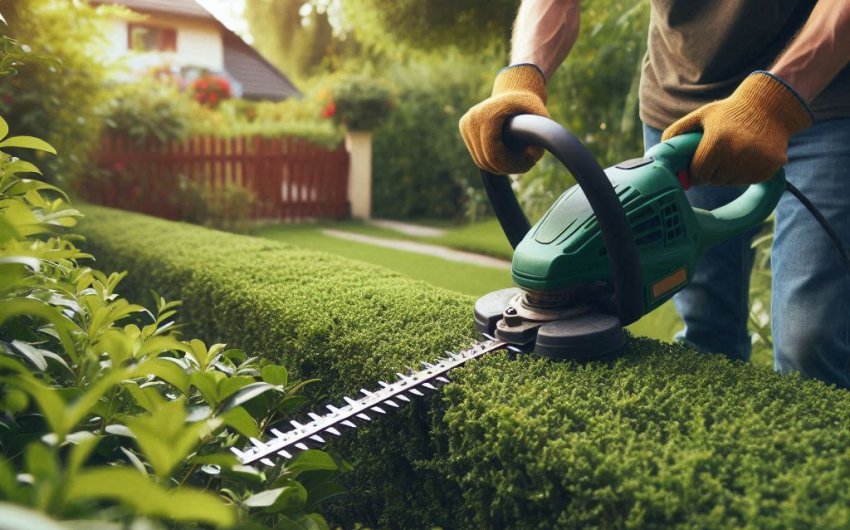
Achieving crisp lines and aesthetically pleasing forms for your hedges and shrubs relies heavily on the right tools. Selecting the best hedge trimmers for shaping shrubs is crucial for both precision and efficiency, transforming overgrown foliage into manicured masterpieces. This guide delves into the various types of trimmers, key features to consider, and top recommendations to help you find the ideal equipment for maintaining a beautifully sculpted garden.
Why are Hedge Trimmers Essential for Shaping Shrubs?
While basic hand pruners can tackle small tasks, hedge trimmers are indispensable for achieving efficient and precise shaping of shrubs and hedges. They offer a level of speed and uniformity that hand tools simply cannot match, making them a cornerstone for maintaining an aesthetically pleasing garden.
What is the Difference Between Pruning and Shaping?
Understanding the distinction between pruning and shaping is key to appreciating the role of hedge trimmers.
- Pruning: This is primarily about plant health. It involves removing dead, diseased, or damaged branches, thinning out dense growth to improve air circulation, or cutting back to encourage new growth. Pruning is often done with hand pruners, loppers, or even pruning saws for larger branches.
- Shaping (or Trimming): This focuses on aesthetics and maintaining a desired form. It involves shearing or cutting back the outer growth of hedges and shrubs to create uniform lines, geometric shapes, or defined boundaries. Hedge trimmers are specifically designed for this purpose, providing a clean, even cut across many branches simultaneously. While shaping contributes to overall plant health by removing excess growth, its main goal is visual appeal.
How Do Hedge Trimmers Improve Efficiency and Precision?
Hedge trimmers are engineered for speed and accuracy when performing shaping tasks.
- Multiple Blades: Their long, reciprocating blades allow you to cut many branches at once, drastically reducing the time it takes to trim a hedge compared to using hand pruners.
- Uniformity: The consistent cutting action of the blades helps create straight lines and even surfaces, giving your shrubs a professional, manicured look. This precision is difficult to achieve with manual tools, especially over large areas.
- Reduced Effort: Power-assisted trimmers (electric or gas) significantly reduce the physical effort required, making the task less tiring, particularly for larger hedges or extensive shaping projects. This combination of speed, uniformity, and reduced effort makes hedge trimmers the preferred tool for anyone serious about shaping shrubs efficiently.
What Are the Main Types of Hedge Trimmers?
When looking for the best hedge trimmers for shaping shrubs, you'll encounter several main categories, each with distinct power sources and ideal applications. Your choice will depend on the size of your garden, the thickness of your shrubs, and your preference for power versus portability.
Corded Electric Hedge Trimmers
Corded electric hedge trimmers are a popular choice for homeowners with smaller to medium-sized yards, offering a good balance of power and cost-effectiveness.
- Power Source: Plug directly into an electrical outlet via an extension cord.
- Benefits:
- Consistent Power: Provide continuous, consistent power as long as they are plugged in, meaning no loss of power over time.
- Lightweight: Generally lighter than gas models, reducing fatigue during use.
- Lower Maintenance: No fuel mixing, spark plugs, or engine maintenance required.
- Quieter and No Emissions: Quieter than gas trimmers and produce no fumes, making them more pleasant to use and environmentally friendly.
- Affordable: Often the most budget-friendly option. A corded electric hedge trimmer is a great value.
- Considerations: Limited by the length of your extension cord, requiring access to power outlets. The cord can also be a tripping hazard or get accidentally cut. Best for areas close to your house.
Cordless (Battery-Powered) Hedge Trimmers
Cordless hedge trimmers offer the ultimate in freedom and maneuverability, making them increasingly popular for all garden sizes.
- Power Source: Rechargeable lithium-ion batteries.
- Benefits:
- Ultimate Portability: No cords to worry about, allowing you to move freely around the garden without restriction.
- Quiet and Zero Emissions: Similar to corded models, they are quiet and environmentally friendly.
- Ease of Use: Simply charge the battery and go.
- Growing Power: Modern battery technology (especially 40V, 60V, or 80V systems) provides impressive power that rivals some gas models. Many brands offer a range of cordless hedge trimmers that share batteries with other lawn tools.
- Considerations: Limited by battery run time (though spare batteries can extend this). Battery and charger can add to the initial cost. Heavier than corded models due to the battery.
Gas-Powered Hedge Trimmers
Gas hedge trimmers are typically the most powerful option, ideal for large properties, thick branches, and professional use.
- Power Source: Small gasoline engines (often two-stroke, requiring a gas-oil mixture).
- Benefits:
- Maximum Power: Can cut through thicker branches with ease, making them suitable for very dense or overgrown hedges.
- Unlimited Run Time: As long as you have fuel, you can keep working.
- Cord-Free: No reliance on power outlets or battery charging.
- Considerations: Heaviest and loudest option. Require fuel mixing and regular engine maintenance (spark plugs, air filters). Produce exhaust fumes. More expensive than electric models. A gas-powered hedge trimmer is best for heavy-duty tasks.
What Key Features Should You Look for in Hedge Trimmers?
Beyond the power source, several key features contribute to the performance, comfort, and safety of the best hedge trimmers for shaping shrubs. Paying attention to these details will ensure you select a tool that's effective and easy to use for your specific needs.
Blade Length
The blade length dictates how much hedge you can cut in a single pass.
- Shorter Blades (18-20 inches): Ideal for small, ornamental shrubs, intricate shaping, or tight spaces. Offer more control and are lighter.
- Medium Blades (20-24 inches): A good all-around choice for most home gardens, providing a balance of reach and maneuverability.
- Longer Blades (24+ inches): Best for large, tall, or very long hedges, allowing you to cover more area quickly. Can be heavier and less precise for detailed shaping.
Cutting Capacity (Blade Gap)
The cutting capacity, also known as the blade gap or tooth spacing, refers to the maximum diameter of branch the trimmer can effectively cut.
- Small (0.5-0.6 inches): Suitable for light trimming of new growth and smaller shrubs.
- Medium (0.75-1 inch): Good for most established hedges and general shaping.
- Large (1 inch+): Necessary for thicker branches on mature or overgrown hedges. Ensure the trimmer's cutting capacity matches the typical branch thickness of your shrubs to avoid jamming or damaging the blades.
Weight and Ergonomics
Comfort and control are crucial, especially for longer trimming sessions.
- Weight: Lighter trimmers reduce fatigue, making them easier to handle, particularly for overhead work or long hedges. Corded electric trimmers are generally lightest, followed by cordless, then gas.
- Ergonomics (Handle Design): Look for comfortable, soft-grip handles that provide multiple gripping positions. An integrated wrap-around front handle is excellent for allowing various hand positions for cutting at different angles (horizontal, vertical). A good ergonomic design reduces strain on your arms and back.
Safety Features
Hedge trimmers have sharp, fast-moving blades, so safety is paramount.
- Dual-Action Blades: Most modern trimmers have dual-action blades, where both blades move, creating less vibration and a cleaner cut than single-action blades.
- Blade Tip Guard: Protects the blade tip from impact if you accidentally hit a hard surface like a wall or fence.
- Hand Guard: A clear plastic guard between the handle and the blades protects your hand from flying debris and accidentally touching the blades.
- Two-Handed Operation: Most trimmers require both hands to be on the handles to operate, preventing accidental startups and ensuring better control.
- Blade Sheath: A protective cover for the blades when the trimmer is stored. Always use it.
What are the Best Brands for Hedge Trimmers?
When investing in the best hedge trimmers for shaping shrubs, considering reputable brands known for quality, performance, and durability can provide peace of mind. Many top manufacturers offer a range of options across different power types to suit various gardening needs.
STIHL
STIHL is a renowned German brand, a leader in outdoor power equipment, particularly known for its powerful and reliable gas-powered tools. They also offer excellent battery and electric options.
- Reputation: Known for robust construction, powerful engines/motors, and professional-grade performance.
- Strengths: Excellent for heavy-duty work, large properties, and professional landscapers. Their battery systems are also highly regarded for power and longevity.
- Products: Offer a full range of gas, corded electric, and a comprehensive STIHL cordless hedge trimmer system with interchangeable batteries.
ECHO
ECHO is another top-tier brand in the outdoor power equipment industry, offering a strong lineup of gas and battery-powered tools known for their durability and performance.
- Reputation: Reliable, high-performance tools, often favored by professionals.
- Strengths: Their gas trimmers are exceptionally powerful. Their battery lines are expanding with robust options.
- Products: Known for their excellent gas hedge trimmers, but also offer a growing range of ECHO cordless hedge trimmers that share battery platforms.
DEWALT
While well-known for power tools, DEWALT has a strong presence in outdoor power equipment, especially with their popular 20V and 60V MAX battery systems.
- Reputation: Durable, professional-grade tools known for their robust construction and battery performance.
- Strengths: Excellent battery life and power, especially with their higher voltage systems. Ideal for users who already own other DEWALT battery tools.
- Products: Offer a variety of DEWALT cordless hedge trimmers that are powerful and well-balanced.
RYOBI
RYOBI is a popular choice for homeowners, offering a vast range of affordable and capable tools that share a common battery platform.
- Reputation: Good value, extensive battery system, suitable for most home garden tasks.
- Strengths: Affordability, the 18V ONE+ system allows you to power over 280 tools with the same battery, making it highly versatile for a homeowner.
- Products: A wide selection of RYOBI cordless hedge trimmers that are great for general shaping and maintenance.
Greenworks
Greenworks specializes exclusively in battery-powered outdoor equipment, offering a strong range of voltage options (24V, 40V, 60V, 80V) for various needs.
- Reputation: Focused on environmentally friendly battery tools, offering good power and performance for their price point.
- Strengths: Diverse battery platforms, good options for light to heavy-duty tasks, and often competitive pricing.
- Products: From lightweight 24V models for small shrubs to powerful 80V models for larger jobs, Greenworks has a Greenworks cordless hedge trimmer for most homeowners.
How Do You Safely Operate and Maintain Hedge Trimmers?
Safety and regular maintenance are paramount when using any power tool, especially sharp hedge trimmers. Proper care not only extends the life of your equipment but also ensures your safety and optimal performance when shaping shrubs.
Safety Precautions Before Operation
- Read the Manual: Always read the owner's manual before operating any new tool.
- Personal Protective Equipment (PPE):
- Eye Protection: Always wear safety glasses or goggles to protect against flying debris.
- Gloves: Wear thick work gloves to protect your hands.
- Hearing Protection: For gas or very loud electric models, use ear protection.
- Long Pants/Sleeves and Sturdy Footwear: Protect your skin from cuts and ensure good traction.
- Inspect the Area: Clear away any debris, loose objects, or obstacles from around the hedges you're trimming. Check for hidden wires or pipes.
- Inspect the Trimmer: Before each use, check the blades for damage, ensure all guards are in place, and confirm the power cord (if applicable) is intact.
- No Children or Pets: Ensure children and pets are clear of the working area.
- Stay Alert: Never operate when tired or under the influence of anything that impairs judgment.
Safe Operation Techniques
- Two-Handed Grip: Always use both hands to operate the trimmer. Most models are designed to require two-hand activation as a safety feature.
- Maintain Balance: Work from a stable position. Do not overreach or stand on unstable surfaces. For tall hedges, use a sturdy ladder designed for gardening tasks.
- Keep Blades Clear: Never try to clear jammed blades with your hands while the trimmer is running or plugged in (for electric) or battery inserted (for cordless). Disconnect power/remove battery first.
- Proper Cutting Technique: Use a sweeping motion. For sides, cut upwards; for tops, cut level. Avoid cutting through anything thicker than the trimmer's specified cutting capacity.
- Mind the Cord (Corded Models): Keep the extension cord behind you and away from the cutting path. Use a brightly colored, outdoor-rated extension cord.
Routine Maintenance for Longevity
- Clean Blades After Each Use: Sap and debris can gum up blades and lead to dullness and rust. Use a stiff brush and warm, soapy water to clean the blades.
- Lubricate Blades Regularly: After cleaning (and drying thoroughly), apply a light coating of blade lubricant spray or a few drops of general machine oil along the blades. This prevents rust and ensures smooth operation.
- Sharpen Blades (Annually/As Needed): Dull blades tear rather than cut, damaging the plant and making the trimmer work harder. Sharpening can be done professionally or at home with a file or sharpening stone.
- Check Fasteners: Periodically check and tighten any loose nuts, bolts, or screws.
- Storage: Store the trimmer in a dry, safe place. Always use the blade sheath to protect the blades and prevent accidental injury.
- Battery Care (Cordless Models): Store batteries in a cool, dry place. Avoid extreme temperatures. Follow manufacturer recommendations for charging and long-term storage.
By prioritizing safety and consistent maintenance, your chosen hedge trimmers for shaping shrubs will provide years of reliable service, keeping your garden looking its best.