
How to Pick the Right Lawn Edger for Perfect Borders?
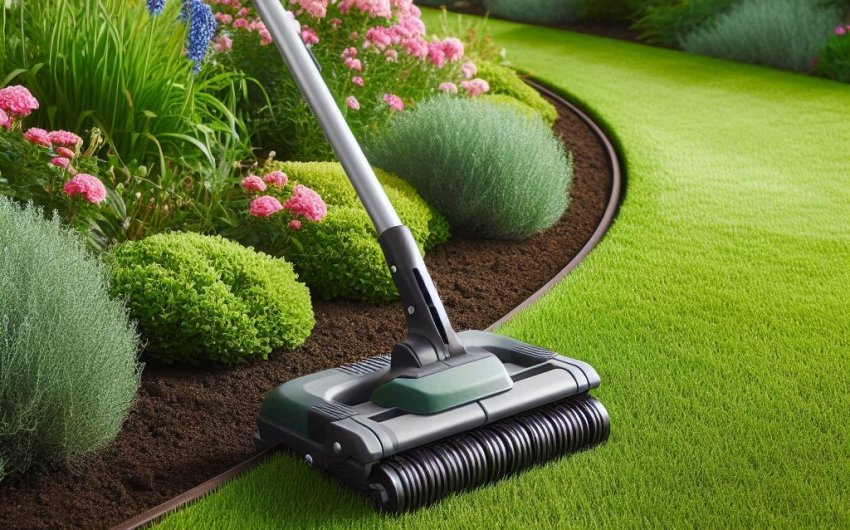
Achieving those crisp, clean lines that flawlessly separate your lush lawn from your garden beds, pathways, and driveways is a hallmark of a well-maintained landscape. This level of precision is often attributed to the right tool: a lawn edger. Far more than a mere aesthetic choice, knowing how to pick the right lawn edger for perfect borders can transform a tedious chore into an efficient and satisfying task, yielding professional-looking results for your entire yard.
Why is a Lawn Edger Essential for Your Garden?
Many homeowners might overlook the importance of a dedicated lawn edger, opting to use a string trimmer or even a shovel for their borders. However, for truly sharp, defined lines that elevate the overall look of your garden, a specialized edger is indispensable. It's the secret weapon for a polished and neat landscape.
How Does It Enhance Curb Appeal?
The visual impact of a neatly edged lawn is immediate and dramatic. It's one of the quickest ways to elevate your home's exterior and create a welcoming, well-cared-for impression.
- Creates Defined Lines: A lawn edger creates a crisp, clean separation between your lawn and other elements like garden beds, driveways, or sidewalks. This sharp demarcation immediately makes your landscape look more organized and professionally maintained. Without a defined edge, the lawn tends to blend haphazardly into adjacent areas, making the entire yard appear messy and unkempt.
- Boosts Visual Impact: Just like a frame around a picture, a well-defined border frames your lawn and garden beds, making them stand out. The eye naturally appreciates order and precision, and these clean lines draw attention to the beauty of your planting beds and the lushness of your turf.
- Professional Finish: The look achieved with a dedicated lawn edger mimics that of professional landscaping services. This attention to detail signals pride of ownership and significantly enhances your home's curb appeal, potentially increasing its market value.
- Highlights Garden Design: If you've invested time and effort into your garden beds, a clear edge ensures that they are truly highlighted as a distinct feature, rather than being overshadowed by encroaching grass. It emphasizes the intentional design of your outdoor space.
- Contributes to Overall Neatness: Beyond just borders, the act of edging tidies up the entire lawn, removing any shaggy overhang onto hard surfaces. This meticulous finish contributes to a pervasive sense of neatness and order throughout the yard.
How Does It Improve Garden Health and Maintenance?
Beyond aesthetics, using a lawn edger offers practical benefits that contribute to the health of your garden and simplify ongoing maintenance tasks. It helps manage grass growth and reduces competition between different plant types.
- Prevents Grass Creep: Grass, especially aggressive varieties, can quickly spread into adjacent garden beds, smothering desired plants and creating a messy interface. An edger cuts this runners and root growth, creating a barrier that actively prevents the lawn from encroaching into your flower beds or pathways. This means less weeding of grass out of your garden.
- Reduces Weeds in Beds: By preventing grass from spreading, you inherently reduce the number of grassy weeds that take root in your garden beds. This lessens the need for herbicide application or tedious hand-weeding.
- Simplifies Mowing: A clean edge provides a clear boundary for your lawnmower. This allows you to mow right up to the edge without scalping the lawn or inadvertently chewing up your garden plants. It makes mowing quicker and more precise.
- Better Water Management: A defined edge can help contain mulch within garden beds, preventing it from washing onto pathways or lawns during heavy rain. This keeps the mulch where it's needed, helping to retain soil moisture for your plants.
- Creates Clear Pathways: For gravel or paved pathways, edging prevents loose material from spilling onto the lawn and keeps grass from growing over the path's edge, maintaining a clean and safe walking surface.
- Promotes Air Circulation: By keeping the lawn contained, you allow for better air circulation around your garden plants, which can reduce the incidence of fungal diseases in dense plantings.
What are the Different Types of Edges?
When considering a lawn edger, it's helpful to understand the different types of borders you might want to create or maintain, as each can influence your tool choice.
- Soft Edge (Invisible Edge): This is the most common type created by simply cutting a crisp, vertical line between the lawn and the garden bed. There's no physical barrier installed. The appeal is its natural, seamless transition. This type of edge requires regular re-edging (typically every 2-4 weeks during growing season) to maintain its sharpness, but it's very effective at preventing grass creep. Most manual and powered edgers are suitable for creating a soft edge.
- Hard Edge (Visible Edge): This involves installing a physical barrier, such as metal edging, plastic edging, brick edging, or stone blocks, between the lawn and the garden.
- Pros: Requires less frequent maintenance once installed, as the barrier physically blocks grass runners. Can add a decorative element to the garden.
- Cons: Higher initial installation cost and effort. Edging may still be needed occasionally along the lawn side of the barrier to keep it looking tidy.
- Tool Choice: While a lawn edger isn't primarily for installing these barriers, it is used to prepare the trench where the barrier will be laid, or to maintain the lawn side after installation.
- Combination Edge: Many gardeners use a combination of both soft and hard edges depending on the area. For instance, a hard edge along a driveway for a clean, permanent line, and a soft edge around fluidly shaped garden beds where a more natural look is desired. The right lawn edger can handle both scenarios.
What Are the Main Types of Lawn Edgers?
Lawn edgers come in various forms, from simple hand tools to powerful motorized machines. The best choice for you depends on the size of your lawn, the complexity of your edging, and your willingness to exert physical effort.
What are Manual Edgers?
Manual edgers rely on human power to cut a clean edge. They are generally the most affordable, quietest, and require the most physical effort, making them suitable for smaller yards or detailed work.
- Half-Moon Edger (Manual Edging Tool):
- Description: This classic tool features a flat, half-moon-shaped steel blade attached to a long handle, often with a foot rest at the top of the blade.
- How it Works: You place your foot on the foot rest and push the sharpened blade into the ground along your desired edge. You then lift the blade and repeat, creating a series of overlapping cuts.
- Pros: Inexpensive, very precise for straight lines and gentle curves, quiet, no fuel or electricity needed, excellent for creating deep, crisp edges. Environmentally friendly. Great for maintaining existing edges or establishing new ones.
- Cons: Requires significant physical effort, can be tiring for large yards or tough soil (like clay). Time-consuming.
- Ideal For: Small yards, detailed work around complex garden beds, maintaining established edges, budget-conscious gardeners. A half-moon edger is a timeless tool.
- Rotary Edger (Push Edger):
- Description: Features two spiked or serrated wheels that cut into the turf as you push the tool along. One wheel has a flat blade that runs along the hard surface (driveway, sidewalk) or along the edge of a garden bed.
- How it Works: As the wheels turn, they cut and displace the excess grass, leaving a clean edge.
- Pros: Requires less bending than a half-moon edger, faster for long, straight runs, relatively quiet, no fuel or electricity. Good for maintaining existing edges along hard surfaces.
- Cons: Not effective for creating new edges in overgrown areas or for very deep cuts. Can struggle with thick grass or uneven terrain. Less precise for curves.
- Ideal For: Light maintenance of established edges along sidewalks and driveways.
What are Electric Edgers?
Electric edgers offer more power and speed than manual tools, reducing physical effort. They are popular for homeowners with medium-sized yards and accessible outdoor power outlets.
- Corded Electric Edgers:
- Description: Powered by an electric motor and require an extension cord. They typically have a spinning blade or wheel that cuts vertically.
- How it Works: You guide the edger along the desired line, and the spinning blade cleanly cuts the turf.
- Pros: Lighter and often less expensive than gas models, quieter than gas, no fuel mixing, instant start. Relatively low maintenance. Excellent for consistent edges.
- Cons: Limited by the length of the extension cord, which can be cumbersome and a tripping hazard. Not suitable for very large yards or areas without power access. Can struggle with very thick or tough grass.
- Ideal For: Small to medium-sized yards with easy access to power outlets, frequent edging, maintaining existing borders. A corded electric edger is a popular choice for homeowners.
- Cordless Electric Edgers (Battery-Powered):
- Description: Powered by rechargeable lithium-ion batteries. Offer the convenience of no cords with electric power.
- How it Works: Similar to corded electric edgers, but with greater freedom of movement.
- Pros: No cord limitations, relatively quiet, no emissions, easy to start, low maintenance. Increasingly powerful and long-lasting battery technology.
- Cons: Battery run time can be limited (though often sufficient for medium yards), batteries and chargers add to the initial cost. May not have the same raw power as gas models for very tough jobs.
- Ideal For: Medium-sized yards, areas without power access, those who value convenience and portability. Many are part of battery systems where one battery works with multiple tools. A cordless electric edger offers great flexibility.
What are Gas-Powered Edgers?
Gas-powered edgers are the most powerful option, designed for heavy-duty work, large properties, and challenging conditions. They offer unlimited mobility and superior cutting power.
- Walk-Behind Gas Edgers:
- Description: Resemble small lawnmowers but with a vertical cutting blade. They are typically four-wheeled and easy to push.
- How it Works: The powerful engine spins a thick metal blade that carves a deep, clean edge. Many have adjustable blade depths.
- Pros: Most powerful type, excellent for creating new edges in overgrown areas, tackling very tough turf, and handling long runs quickly. No cord limitations.
- Cons: Heaviest, loudest, require fuel mixing (for 2-stroke engines), emit fumes, require more maintenance (spark plugs, air filters), more expensive.
- Ideal For: Large properties, professional use, establishing new edges, tackling very overgrown areas. A walk-behind gas edger is a serious piece of equipment.
- Gas Stick Edgers (Dedicated):
- Description: Handheld tools with a long shaft and a blade at the end, powered by a gas engine. Similar to a string trimmer with an edging attachment, but a dedicated edger typically has more power and a sturdier guard for the blade.
- How it Works: You walk with the tool, guiding the spinning blade along the edge.
- Pros: Good power and mobility, suitable for medium to large yards. Can be more maneuverable than walk-behind models for complex curves.
- Cons: Can be heavy to hold for extended periods, noisy, require fuel, emit fumes, more maintenance than electric.
- Ideal For: Medium to large yards, areas with many curves, where power and mobility are key.
What are Trimmer/Edger Combos?
Many string trimmers offer the ability to rotate their head to function as an edger. While convenient, they have limitations compared to dedicated edgers.
- Description: A string trimmer that allows the shaft and cutting head to be rotated 90 degrees, turning the string line into a vertical cutting tool.
- Pros: Versatile, saves money and storage space (one tool for two jobs), convenient for quick touch-ups.
- Cons: The string line is less precise and powerful than a metal blade, often resulting in a softer, less defined edge. Can be messy, kicking up grass and debris. Not ideal for creating new, deep edges or tackling very overgrown areas. Requires string line replacement.
- Ideal For: Light, frequent touch-ups on existing edges, small yards, those on a budget who need basic functionality. A string trimmer with an edging feature offers dual functionality.
What Key Features to Look For When Buying an Edger?
Beyond the main types, specific features within each category can significantly impact performance, comfort, and durability. Paying attention to these details will help you pick the right lawn edger that meets your needs.
What Blade and Cutting Mechanism is Best?
The heart of any lawn edger is its cutting part. Its design directly affects the quality of the edge and the types of material it can handle.
- Blade Material (for power edgers):
- Steel: Most common, durable. Carbon steel is strong but can rust; stainless steel is more rust-resistant.
- Blade Thickness: Thicker blades are more durable and less prone to bending or breaking when hitting hard objects.
- Hardened or Forged Blades: Offer superior strength and longevity, especially for gas edgers.
- Blade Type (for power edgers):
- Flat Blade: Common for most edgers, provides a clean cut.
- Serrated Blade: Can be more aggressive for cutting through tough turf or small roots.
- Cutting Depth Adjustment: Essential for versatility. Allows you to set how deep the blade cuts into the soil. Look for easy-to-use lever adjustments. This is crucial for creating different edge depths or adapting to uneven terrain.
- Cutting Angle Adjustment (for some models): Some edgers allow the blade to be tilted for angled cuts, useful for specialized landscaping.
- Wheel/Guide System: For powered edgers, a good wheel system with a sturdy guide wheel helps you maintain a straight line and stable operation. Larger wheels often provide better stability over uneven ground.
- String vs. Blade (for combo tools): Understand the difference: string is for light trimming/edging and softer lines, while a metal blade provides a sharper, more defined edge and more power for tougher jobs.
What Power Source and Engine/Motor Size?
The power source and the size of the engine or motor determine the edger's capability and efficiency.
- Manual: No power source, relies solely on physical effort.
- Electric (Corded):
- Amperage (Amps): Indicates motor strength. Higher amps (e.g., 10-12 amps) generally mean more power for tougher jobs.
- Electric (Cordless/Battery):
- Voltage (Volts): Higher voltage (e.g., 20V, 40V, 80V) usually means more power and longer run time.
- Amp-Hours (Ah): Indicates battery capacity (how long it will run). Higher Ah means longer run time. Consider getting a second battery or a fast charger if you have a larger yard.
- Battery System: Many brands offer battery systems where one battery works across multiple tools (mowers, blowers, trimmers, edgers), which is cost-effective.
- Gas-Powered:
- Engine Size (cc - cubic centimeters): Higher cc generally means more power.
- 2-Stroke vs. 4-Stroke: 2-stroke engines are lighter but require mixing oil with gas. 4-stroke engines are heavier but use straight gas and are generally quieter and more fuel-efficient.
- Starting Mechanism: Look for easy-start systems (e.g., spring-assisted pull starts or electric starts).
What Ergonomics and Comfort Features are Important?
A comfortable lawn edger reduces fatigue and makes the task more enjoyable, especially for longer edging sessions.
- Handle Type and Grip:
- Adjustable Handle Height: Crucial for user comfort, allowing you to tailor the edger to your height and preferred working posture.
- Ergonomic Grips: Padded or rubberized grips reduce vibration and provide a more comfortable, non-slip hold.
- Loop Handles (for stick edgers): Provide a comfortable grip for guiding the tool.
- Weight and Balance: A well-balanced edger feels lighter and is easier to maneuver. For handheld power edgers, consider the weight, especially if you have a large area to edge.
- Vibration Dampening: Features that reduce vibration (especially on gas models) improve comfort and lessen hand fatigue.
- Ease of Starting (for power edgers): Look for features like "instant start" on electric models or "easy pull start" on gas models to avoid frustration.
- Safety Features: A robust blade guard is essential to protect you from debris. Look for safety switches or interlocks that prevent accidental starting.
What Other Considerations Are There?
Beyond the core features, a few other points can help you make a well-informed decision.
- Durability and Construction: Look for sturdy materials, solid connections, and quality components that suggest a long lifespan. Read reviews about common failure points.
- Maintenance Requirements:
- Manual: Sharpening the blade occasionally.
- Electric: Cleaning, checking/tightening fasteners.
- Gas: Spark plug replacement, air filter cleaning/replacement, oil changes (for 4-stroke), fuel stabilization.
- Noise Level: Electric edgers are generally quieter than gas models. This can be a factor if you have close neighbors or prefer a quieter working environment.
- Storage: Consider the size and shape of the edger and how easily it can be stored in your garage or shed. Some models are foldable or can be hung on a wall.
- Attachments (for some stick edgers): Some dedicated gas stick edgers or string trimmers can accept different attachments (e.g., brush cutter, pole saw), adding versatility.
By carefully considering your lawn size, the type of edges you desire, and your willingness to invest effort, you can confidently pick the right lawn edger that will consistently deliver those perfectly defined borders, elevating your garden's aesthetic and simplifying its maintenance.