
Top Garden Rakes for Clearing Leaves
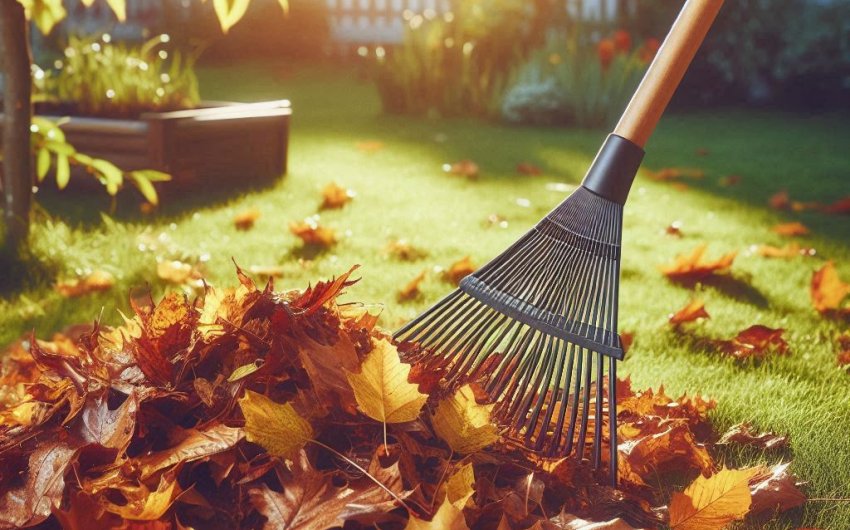
Choosing the right garden rakes for clearing leaves is essential for maintaining a tidy and healthy lawn, especially during autumn. With a myriad of options available, understanding the distinct features and ideal applications of various rake types can significantly streamline your yard work. This guide will explore the top choices, helping you select the perfect tool to tackle leaf accumulation with efficiency and ease.
Why is Clearing Leaves Important?
Regularly clearing leaves from your lawn and garden is more than just a chore; it's a vital part of maintaining plant health, preventing problems, and ensuring your landscape looks its best. Ignoring leaf accumulation can lead to a host of issues that impact your grass, plants, and even hard surfaces.
Prevents Lawn Damage:
- Suffocation: A thick layer of leaves can smother your grass. It blocks sunlight, which is essential for photosynthesis (the process grass uses to make food). Without light, the grass weakens and eventually dies, leading to bare spots in your lawn.
- Trapped Moisture: Leaves create a dense, moist blanket over the lawn. This trapped moisture, especially when combined with warmth, creates ideal conditions for various fungal diseases like snow mold, brown patch, and dollar spot to thrive. These diseases can quickly damage and kill large sections of your turf.
- Pest Harborage: Leaf piles provide excellent shelter for a variety of lawn pests, including slugs, snails, grubs, and even voles or mice. These pests can then cause damage to your grass and other garden plants.
Protects Garden Beds and Plants:
- Smothering Smaller Plants: While a thin layer of leaves can act as a beneficial mulch for garden beds, an excessive, thick layer can smother smaller, delicate perennials, annuals, and groundcovers. It prevents air circulation and can lead to rot.
- Fungal Issues: Similar to lawns, leaf debris in garden beds can trap moisture, promoting fungal diseases on the foliage and stems of ornamental plants.
- Pest Overwintering: Many garden pests, including spider mites, slugs, and certain insect larvae, use leaf litter as a place to overwinter, only to emerge in spring to attack your plants.
Maintains Aesthetic Appeal:
- Neatness: A lawn covered in leaves looks messy and unkempt, diminishing the overall beauty and curb appeal of your property.
- Safety Hazard: Wet leaves on pathways, driveways, or steps can become incredibly slippery, posing a significant slip-and-fall hazard for residents and visitors.
- Odor: As leaves decompose, especially in damp conditions, they can produce an unpleasant musty odor.
Benefits for Soil (When Managed Properly):
Advertisement- While excessive leaves are problematic, properly managed leaf material is incredibly beneficial. Shredded leaves can be:
- Composted: Added to a compost pile, they break down into nutrient-rich compost, which can then be used to enrich garden beds and lawns.
- Used as Mulch: Shredded leaves make an excellent, free mulch for garden beds, suppressing weeds, retaining moisture, and slowly adding organic matter to the soil.
- Mowed Into Lawn: For light leaf fall, a mulching lawnmower can chop leaves into fine pieces that quickly decompose and return nutrients to the lawn. This works well for preventing lawn thatch buildup too.
- While excessive leaves are problematic, properly managed leaf material is incredibly beneficial. Shredded leaves can be:
By understanding these reasons, it becomes clear that selecting effective garden rakes for clearing leaves is not merely about tidiness but about actively promoting a healthier, safer, and more vibrant outdoor space.
What Are the Main Types of Garden Rakes for Clearing Leaves?
When it comes to clearing leaves, not all garden rakes are created equal. Each type is designed with specific tasks and environments in mind. Understanding the main categories will help you choose the most effective tool for your particular leaf-clearing needs.
Leaf Rakes (Fan Rakes / Lawn Rakes):
- Description: This is the quintessential rake for leaves. It features a wide head with numerous long, flexible, fan-shaped tines (often made of plastic, bamboo, or flexible metal) that spread out to cover a large area. The tines are designed to gently glide over the grass, collecting leaves without digging into the turf.
- Pros:
- Excellent for Leaves: Unparalleled at gathering loose leaves, grass clippings, and light debris on lawns and smooth surfaces.
- Gentle on Grass: The flexible tines prevent damage to healthy grass blades.
- Wide Coverage: The broad head allows you to clear a large area with each pass, increasing efficiency.
- Lightweight: Typically light and easy to maneuver, reducing fatigue during long periods of raking.
- Adjustable Options: Many models offer adjustable head widths or telescoping handles, increasing versatility. A popular adjustable option is the AMES Adjustable Leaf Rake.
- Cons:
- Not for Heavy Debris: Not suitable for heavy, wet leaves, compacted leaves, sticks, stones, or dethatching. The flexible tines will bend or break.
- Less Effective on Uneven Surfaces: Can struggle on uneven ground or in gravel.
- Ideal Use: Best for light to moderate leaf fall on established lawns, patios, and driveways.
Shrub Rakes (Compact Leaf Rakes):
- Description: Essentially a smaller, narrower version of a traditional leaf rake. It has a fan-shaped head, but it's much more compact, allowing it to fit into tight spaces.
- Pros:
- Access to Tight Spaces: Perfect for raking under shrubs, in flower beds, between closely planted plants, or around fences where a wider rake won't fit.
- Lightweight and Maneuverable: Easy to handle in confined areas.
- Gentle: Still gentle enough for delicate plants in garden beds.
- Cons:
- Limited Coverage: Due to its narrow head, it's inefficient for clearing large open areas.
- Not for Heavy Debris: Like larger leaf rakes, not designed for heavy or embedded debris.
- Ideal Use: Detail work in garden beds, around landscaping, and in narrow passages. You can find a good shrub rake for this purpose.
Landscape Rakes (Bow Rakes / Level Head Rakes):
- Description: These are heavy-duty rakes with strong, rigid tines, often made of steel, arranged in a straight or slightly curved line. The head is usually much narrower than a leaf rake. Some models have a flat edge on the back for leveling soil.
- Pros:
- Heavy-Duty: Excellent for moving larger quantities of leaves, especially wet or compacted ones.
- Versatile: Can also be used for spreading mulch, leveling soil, breaking up clods, and clearing heavier debris like small sticks and stones.
- Durable: Built to withstand demanding tasks.
- Cons:
- Aggressive on Lawns: The rigid tines can damage grass if not used carefully, especially on delicate turf.
- Heavier: Can be more tiring to use for extended periods of leaf collection compared to a leaf rake.
- Less Efficient for Scattered Leaves: Not as good at gathering thinly scattered, dry leaves as a fan rake.
- Ideal Use: Moving large piles of leaves, wet leaves, or leaves mixed with other debris on rough surfaces, bare ground, or during garden bed preparation. Also suitable for spreading compost or mulch. Consider a true temper bow rake.
Thatch Rakes (Dethatching Rakes / Scarifying Rakes):
- Description: These rakes have short, stiff, often sharpened metal tines that are designed to aggressively dig into the lawn surface. While their primary purpose is thatch removal, they can also lift and collect some embedded leaves and debris.
- Pros:
- Lifts Embedded Debris: Effective at pulling up matted leaves that are partially embedded in the grass.
- Dethatching Benefits: Doubles as a tool to remove thatch, which is important for lawn health.
- Cons:
- Not a Primary Leaf Rake: Very inefficient for general leaf collection. The tines are too stiff and close together for sweeping large areas.
- Aggressive: Can damage healthy grass if not used correctly.
- Physically Demanding: Dethatching is hard work.
- Ideal Use: For minor leaf embeddedness, or when you also need to dethatch your lawn. A manual dethatching rake serves this dual purpose.
By understanding the distinct characteristics and best uses of these main types of garden rakes for clearing leaves, you can make an informed decision and equip yourself with the right tools for efficient and effective yard maintenance.
What Materials and Features to Look for in a Garden Rake?
Choosing the right garden rakes for clearing leaves isn't just about the type; it also involves selecting the right materials and features to ensure durability, comfort, and efficiency. A well-made rake can significantly improve your leaf-clearing experience.
Tine Material: The material of the rake's tines is crucial for its performance and longevity.
- Polypropylene (Plastic):
- Pros: Lightweight, affordable, rust-proof, gentle on lawns (less likely to scratch surfaces). Flexible, which helps prevent clogging with leaves.
- Cons: Can become brittle over time with UV exposure, especially cheaper models. Tines can break with heavy use or when encountering sticks/rocks. Less effective on wet, heavy leaves.
- Ideal For: Light to moderate dry leaf collection on lawns and smooth surfaces. Many polypropylene leaf rakes are available.
- Steel (Spring Steel or Tempered Steel):
- Pros: Very durable, strong, effective on wet and compacted leaves, good for heavier debris. Spring steel tines offer flexibility combined with strength.
- Cons: Heavier than plastic, can rust if not cared for, can be more aggressive on lawns (potential for damage if not used carefully). More expensive.
- Ideal For: Heavier leaf collection, mixed debris, and general yard work on various surfaces. Look for a steel tine leaf rake with tempered steel tines for durability.
- Bamboo:
- Pros: Very lightweight, traditional, gentle on lawns, inexpensive.
- Cons: Fragile, prone to breaking, less durable than plastic or steel. Not good for wet leaves or heavy debris.
- Ideal For: Very light, dry leaf collection on delicate surfaces.
- Aluminum:
- Pros: Lightweight, rust-proof, sturdy. Often used for landscape rakes due to its strength-to-weight ratio.
- Cons: Can be more expensive. Tines may bend under extreme pressure if not a high-grade aluminum alloy.
- Ideal For: Durable, lighter-weight alternatives to steel landscape rakes.
- Polypropylene (Plastic):
Handle Material: The handle affects weight, durability, and comfort.
- Wood (Ash, Hickory):
- Pros: Traditional, strong, good natural feel, environmentally friendly. Ash and hickory are durable hardwood choices.
- Cons: Can splinter, can rot if left exposed to moisture, heavier than fiberglass or aluminum.
- Ideal For: Those who prefer a traditional feel and don't mind occasional maintenance.
- Fiberglass:
- Pros: Very strong, lightweight, weather-resistant (won't rot or splinter), good shock absorption.
- Cons: Can be more expensive, can become brittle if exposed to extreme UV over many years, less "give" than wood.
- Ideal For: Durability and reduced weight, especially for heavy-duty rakes. Many fiberglass handled rakes are available.
- Aluminum:
- Pros: Very lightweight, rust-proof, durable.
- Cons: Can sometimes feel colder to the touch, can bend or dent under extreme force, potentially less shock absorption than fiberglass.
- Ideal For: Lightweight rakes where minimal weight is desired.
- Wood (Ash, Hickory):
Handle Length and Ergonomics:
- Length: Choose a handle length that is appropriate for your height. When standing upright, the top of the handle should reach roughly to your chin or nose. A handle that's too short forces you to stoop, leading to back strain. Too long and it's unwieldy.
- Adjustable/Telescoping Handles: These are excellent for versatility, allowing multiple users of different heights to use the same rake comfortably, or for reaching under bushes. Look for models with sturdy locking mechanisms. A telescoping leaf rake is a great investment.
- Grips: Padded or ergonomic grips on the handle can significantly reduce hand fatigue and blistering during extended use.
Head Width:
- Wide Heads (24-30+ inches): Ideal for quickly clearing large, open areas like expansive lawns.
- Medium Heads (18-22 inches): A good all-around choice for average-sized lawns and general use.
- Narrow Heads (8-16 inches): Essential for working in tight spaces, around plants, and in flower beds (shrub rakes).
- Adjustable Heads: Allow you to change the width of the rake head, making it versatile for both open areas and confined spaces. This is a very valuable feature for many garden rakes for clearing leaves.
Tine Design:
- Flat vs. Round Tines: Flat tines can be more effective at catching and holding leaves. Round tines are less likely to snag or get caught.
- Tine Spacing: Closely spaced tines are better for fine debris and small leaves. Wider spacing is better for larger leaves and to prevent clogging.
- Tine Reinforcement: Look for rakes where the tines are securely attached and potentially reinforced where they join the head, especially for steel rakes.
By considering these materials and features, you can select garden rakes for clearing leaves that are not only effective but also comfortable to use and durable enough to last for many seasons.
How Do You Use Garden Rakes Effectively for Clearing Leaves?
Using garden rakes for clearing leaves effectively involves more than just dragging them across the ground. Proper technique, strategic planning, and understanding how to minimize effort can significantly boost your efficiency and reduce strain, making the task much more manageable.
Wear Appropriate Gear:
- Gloves: Always wear a good pair of gardening gloves to protect your hands from blisters, splinters, and sharp debris.
- Footwear: Wear sturdy, closed-toe shoes to prevent injuries from unseen sticks or rocks.
- Eye Protection: If there's a risk of debris kicking up, especially when raking near bushes or hard surfaces, consider wearing safety glasses.
Choose the Right Rake for the Job:
- Large, Open Lawn with Dry Leaves: A wide-head leaf rake (polypropylene or flexible steel) is your best bet for speed and efficiency.
- Tight Spaces, Under Shrubs, or Flower Beds: A narrow shrub rake or a fan rake with an adjustable head is essential.
- Wet, Matted Leaves or Leaves Mixed with Sticks: A sturdy steel leaf rake or even a landscape/bow rake will be more effective for breaking up and moving heavier piles.
- Embedded Leaves or Thatch: A dethatching rake can help lift deeply embedded leaves.
Rake When Leaves Are Dry:
- Optimal Conditions: Always try to rake leaves when they are dry. Dry leaves are lighter, easier to move, and less likely to stick to the rake or to each other.
- Avoid Wet Leaves: Wet leaves are heavy, slimy, and clump together, making them much harder to rake and increasing the risk of back strain. They can also compact and damage your lawn. If you must rake wet leaves, use a more robust rake like a steel-tined one.
Develop a Strategy:
- Divide and Conquer: For large yards, divide the area into smaller, manageable sections. This makes the task seem less daunting.
- Work with the Wind: If there's a gentle breeze, rake with the wind. Let it help push leaves in the direction you want them to go.
- Rake Towards a Collection Point: Choose a central collection point for your leaves (e.g., a tarp, a compost bin, a leaf bag). Rake leaves towards this point rather than all over the yard.
- Create Windrows: Rake leaves into long, narrow piles (windrows) across your lawn. This makes it easier to gather them into larger piles or onto a tarp.
Use Proper Raking Technique:
- Stand Upright: Keep your back straight, bend your knees, and hinge from your hips, not your waist.
- Use Your Legs and Arms, Not Just Your Back: Engage your core and use your leg muscles to power the raking motion, pulling the rake towards you. Let your arms guide the rake rather than doing all the heavy lifting.
- Short, Smooth Strokes: Use short, controlled, sweeping motions rather than long, jerky ones. This gives you better control and reduces strain.
- Alternate Sides: If you have a dominant side, try to switch hands or body positions periodically to balance the muscle use and prevent overuse injuries.
- Avoid Overloading the Rake: Don't try to pull too many leaves at once. Smaller, consistent piles are more efficient and less strenuous.
Efficient Collection Methods:
- Use a Tarp: Lay out a large leaf tarp at your collection point. Once you have a decent pile, rake or scoop the leaves directly onto the tarp. When full, grab the corners and drag the tarp to your compost pile, curb, or disposal area. This saves countless trips with a wheelbarrow or bags.
- Leaf Scoops: For scooping leaves into bags or bins, leaf scoops or "bear claws" are excellent tools. They are worn on the hands and allow you to pick up large volumes of leaves at once.
- Leaf Bags/Bins: Have your leaf bags or yard waste bins readily available at your collection point.
Consider Mulching Leaves (for Light Leaf Fall):
- For very light leaf fall, consider running your lawnmower over the leaves (if it has a mulching function). This chops them into fine pieces that decompose quickly, returning nutrients to your lawn. This reduces the need for raking altogether.
By mastering these techniques and leveraging the right garden rakes for clearing leaves, you can transform the often-dreaded autumn chore into a more efficient, comfortable, and satisfying task, leaving you with a healthier and tidier outdoor space.
What Are Some Top-Rated Garden Rakes for Clearing Leaves?
Selecting a high-quality rake can make a world of difference in your leaf-clearing efficiency and comfort. While specific models may vary in availability, certain brands consistently produce top-rated garden rakes for clearing leaves known for their durability, design, and performance. Here are some categories and examples of well-regarded rakes.
Overall Best All-Purpose Leaf Rake (Polypropylene/Plastic):
- Features to Look For: Wide head (24-30 inches), durable yet flexible plastic tines, sturdy handle (fiberglass or strong wood), comfortable grip.
- Why it's Top-Rated: These rakes are lightweight, gentle on lawns, and excellent at sweeping up dry leaves quickly.
- Example: The Fiskars Ergo D-Handle Steel Garden Rake (though steel, Fiskars often makes excellent lighter rakes too, check their specific leaf rake models). For plastic, a good general choice is often a True Temper Poly Leaf Rake due to its wide head and tine design.
- Pros: Very efficient for general leaf collection, affordable, easy to maneuver.
- Cons: Not suitable for heavy, wet leaves or tough debris.
Best for Heavy-Duty Use and Wet Leaves (Steel Tine Leaf Rake):
- Features to Look For: Strong, spring-steel or tempered steel tines, usually a slightly narrower head than plastic leaf rakes, robust handle (fiberglass or reinforced wood).
- Why it's Top-Rated: These rakes can tackle wet, matted leaves, small sticks, and general yard debris without bending or breaking. They offer more leverage and digging power.
- Example: The AMES Steel Tine Leaf Rake or a similar model from brands like Bully Tools.
- Pros: Durable, effective on challenging leaf conditions, versatile for mixed debris.
- Cons: Heavier, can be more aggressive on lawns, potentially higher cost.
Most Versatile (Adjustable Head Leaf Rake):
- Features to Look For: A mechanism that allows the user to adjust the width of the rake head, typically a fan rake design.
- Why it's Top-Rated: Provides the flexibility to expand the head for wide-open areas and narrow it for tight spots, making it essentially two rakes in one.
- Example: The GARDENA Adjustable Rake is often praised for its quality and ease of adjustment. Many other brands offer similar adjustable models.
- Pros: Highly versatile, saves space (no need for multiple rakes), efficient for various tasks.
- Cons: The adjustment mechanism could be a point of failure on cheaper models.
Best for Tight Spaces (Shrub Rake):
- Features to Look For: Narrow head (typically 8-12 inches wide), usually with plastic or flexible steel tines, shorter or standard length handle.
- Why it's Top-Rated: Designed specifically to fit into confined areas without damaging surrounding plants.
- Example: A Radius Garden Ergonomic Shrub Rake offers a comfortable grip, or simply a basic, well-constructed small leaf rake from any reputable brand.
- Pros: Essential for detail work, lightweight and easy to maneuver in tight spots.
- Cons: Inefficient for large open areas.
Best Ergonomic Rake (Reduces Strain):
- Features to Look For: D-grip handles, curved or angled handles, padded grips, lightweight materials, design specifically aimed at reducing back and wrist strain.
- Why it's Top-Rated: Focuses on user comfort, making long raking sessions less tiring and reducing the risk of injury.
- Example: The Radius Garden PRO Ergonomic Rake is known for its unique O-handle design. Other brands offer different ergonomic features.
- Pros: Comfortable, reduces fatigue, great for those with back issues or who rake frequently.
- Cons: Can be more expensive, the ergonomic design might feel unusual at first.
When making your final choice among garden rakes for clearing leaves, consider your specific needs: the size of your yard, the type and volume of leaves you typically deal with, your budget, and any physical considerations. Reading recent customer reviews on Amazon can also provide valuable insights into real-world performance and durability.