
How Do I Care for Rattan Garden Furniture in Tropical Climates?
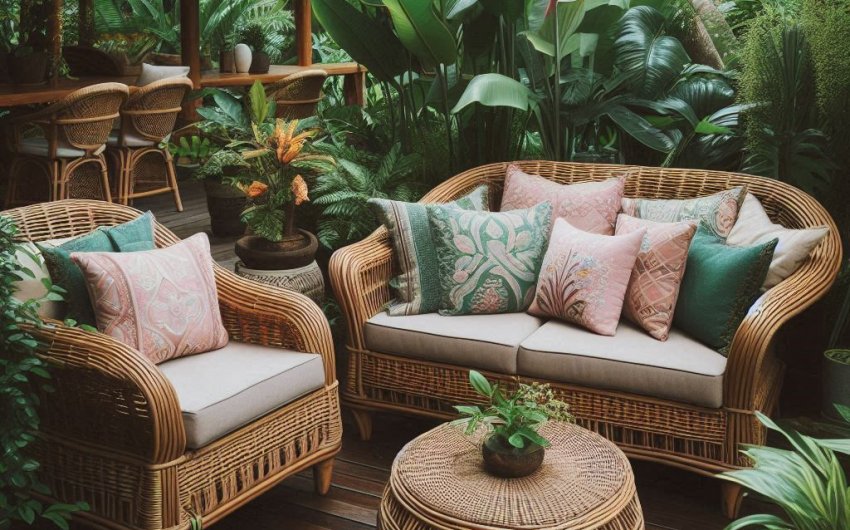
To care for rattan garden furniture in tropical climates, you must primarily focus on protecting it from extreme humidity, intense sun, and heavy rainfall. This means regularly cleaning to prevent mold, utilizing high-quality furniture covers, positioning furniture under shelter, and choosing synthetic (HDPE) rattan over natural rattan for superior durability in such challenging conditions.
Why is Rattan Furniture Challenging in Tropical Climates?
Tropical climates are characterized by high heat, intense humidity, torrential rainfall, and strong UV radiation. These conditions pose significant challenges for outdoor furniture, and natural rattan, while beautiful, is particularly vulnerable. Understanding these challenges is the first step to proper care.
High Humidity and Moisture
- Mold and Mildew Growth: The constant moisture in the air creates a perfect breeding ground for mold and mildew, leading to unsightly black spots and a musty smell.
- Rot and Decay: Natural rattan is a plant fiber. Prolonged exposure to moisture can cause it to rot and break down structurally.
- Swelling and Warping: Rattan fibers absorb water, causing them to swell. As they dry, they can warp, crack, and lose their original shape.
Intense UV Radiation
- Fading: Direct, strong sunlight can quickly fade the color of rattan, making it look dull and aged.
- Brittleness: UV rays break down the natural fibers of rattan, making them brittle, weak, and prone to cracking and splintering. This leads to structural failure.
Heavy Rainfall
- Saturation: Downpours can completely saturate natural rattan, prolonging drying times and exacerbating moisture-related issues.
- Dirt and Grime: Rain can splash dirt and debris onto the furniture, which then gets trapped in the woven fibers.
Pests
- Insects: High humidity can also attract certain pests that might feed on natural plant fibers over time.
Given these challenges, the distinction between natural rattan and synthetic rattan (often called resin wicker or all-weather wicker) becomes critical.
Natural Rattan vs. Synthetic Rattan in Tropical Climates
The term "rattan" is often used broadly, but there's a huge difference in how natural and synthetic versions perform in tropical environments.
Natural Rattan
- Description: Made from the stems of palm plants, often used for traditional woven furniture.
- Performance in Tropical Climates: Poor. Highly susceptible to mold, mildew, rot, fading, and brittleness. Will deteriorate rapidly without extreme, constant care and ideally, indoor placement.
- Care Needs: Requires frequent cleaning, sealing, and ideally, bringing indoors or covering completely during high humidity/rain. Not recommended for uncovered outdoor use in tropical zones.
Synthetic Rattan (Resin Wicker / All-Weather Wicker)
- Description: Woven strands made from high-density polyethylene (HDPE) or sometimes PVC, designed to mimic the look of natural rattan.
- Performance in Tropical Climates: Excellent. Specifically engineered to resist all the challenges of tropical weather.
- Care Needs: Significantly lower maintenance.
- Key Features:
- UV resistant: Won't fade or become brittle in intense sun.
- Waterproof: Impervious to rain and humidity; won't rot, swell, or mold.
- Easy to clean: Wipes down easily.
- Durable: Designed for long-term outdoor use.
For optimal longevity and minimal fuss in a tropical climate, synthetic (HDPE) rattan is overwhelmingly the superior choice for garden furniture. Most "rattan garden furniture" sold today for outdoor use is, in fact, synthetic rattan. This guide will focus on caring for this type, acknowledging that natural rattan should primarily be an indoor or very well-sheltered patio choice in the tropics.
What is the Best Material for Synthetic Rattan in Tropics?
While "synthetic rattan" is a broad term, the specific material it's made from matters for tropical climates.
High-Density Polyethylene (HDPE)
HDPE is the gold standard for synthetic rattan and the most recommended material for tropical use.
- Superior Durability: It's a very tough and resilient plastic.
- Excellent UV Resistance: HDPE is engineered to resist degradation and fading from strong UV rays.
- Non-Porous: It doesn't absorb water, so it's completely immune to rot, mold, and mildew.
- Temperature Stable: Resists cracking in heat and becoming brittle in cold (though tropical climates rarely experience cold).
- Appearance: Often looks the most natural, especially higher-quality weaves.
- Look for a WPC Outdoor Sectional made from HDPE for robust tropical performance.
PVC (Polyvinyl Chloride)
Less desirable than HDPE but still used.
- Cheaper: Often found in more budget-friendly synthetic rattan furniture.
- Less Durable: Can become brittle over time, especially in high heat and sun, leading to cracking.
- Fading: More prone to fading than HDPE.
Polypropylene (PP)
Often used for lower-cost molded plastic furniture, less common for woven rattan look.
- Lightweight: Very easy to move.
- Affordable: Cheapest option.
- Least Durable: Most susceptible to UV degradation and becoming brittle, especially in extreme tropical conditions. Not recommended for long-term use in direct, intense tropical sun.
Always confirm the specific type of plastic used when buying synthetic rattan for a tropical climate. Opt for HDPE whenever possible.
How to Clean Synthetic Rattan Garden Furniture in Tropical Climates?
Regular and proper cleaning is crucial to prevent mold and mildew buildup and keep your synthetic rattan looking fresh in a tropical environment.
Regular Cleaning Routine
- Dust/Debris Removal (Weekly):
- Use a soft brush or vacuum cleaner with a brush attachment to remove loose dirt, leaves, and sand from the weave.
- A quick blast with a leaf blower (on low setting) can also be effective.
- Mild Wash (Every 2-4 Weeks, or as needed):
- Prepare a solution of warm water and mild dish soap (or a specialized outdoor furniture cleaner).
- Use a soft cloth or sponge to wipe down all surfaces.
- For stubborn dirt or mildew, use a soft-bristled brush (like a car wash brush) to gently scrub the woven areas.
- Thorough Rinse:
- Rinse the furniture completely with a garden hose on a low-pressure setting. Ensure all soap residue is removed, as it can attract dirt.
- Air Dry:
- Allow the furniture to air dry completely. For cushions, stand them on their side to promote airflow.
Addressing Mold and Mildew
Even HDPE, while resistant, can get surface mold if left perpetually damp and dirty.
- Identify: Black spots or a fuzzy white/green film indicate mold or mildew.
- Solution:
- For light mold, the mild soap solution and scrubbing might be enough.
- For heavier mold, mix 1 part bleach with 3 parts water. Always test in an inconspicuous area first.
- Alternatively, use a dedicated outdoor mildew remover.
- Application: Apply the solution, let it sit for a few minutes (check product instructions), then scrub with a soft brush.
- Rinse and Dry: Rinse thoroughly with fresh water and allow to dry completely in the sun.
Cushions Care
Outdoor cushions are often the most vulnerable part of rattan furniture in humid climates.
- Performance Fabrics: Ensure your cushions are made from solution-dyed acrylics like Sunbrella, which are highly resistant to mold, mildew, and fading.
- Quick-Drying Foam: Look for cushions with open-cell foam that allows water to drain quickly.
- Removable Covers: Zippered, removable covers make washing much easier. Machine wash them according to the manufacturer's instructions, usually on cold and air dry.
- Stand on Edge: After rain, stand cushions on their side to promote airflow and quick drying.
- Storage: Store cushions in a watertight deck box or bring them indoors during heavy rain or extended periods of non-use. This is the single most effective step to extend cushion life.
- A watertight deck box is essential for tropical climates.
How to Protect Synthetic Rattan Furniture from Tropical Elements?
Beyond cleaning, proactive protection is vital for extending the lifespan of your synthetic rattan in harsh tropical conditions.
Use Furniture Covers
High-quality furniture covers are your best defense against constant sun and heavy rain.
- Waterproof and Breathable: Choose covers made from durable, waterproof fabric that also allows for some airflow to prevent condensation and moisture buildup underneath.
- UV Protection: Covers shield furniture from intense UV rays, preventing fading and material degradation.
- Secure Fit: Look for covers with drawstrings, elastic hems, or buckles to ensure they stay on during windy conditions.
- Daily Use: If you can, cover your furniture daily when not in use, especially during the sunniest part of the day or during rain season.
- Classic Accessories Veranda Patio Covers are highly rated for protection.
Provide Shade
Reducing direct sun exposure significantly helps extend the life of synthetic rattan and its cushions.
- Umbrellas: Large cantilever or market umbrellas can provide excellent movable shade. Ensure they have heavy bases and can be securely closed during windy conditions.
- Pergolas or Awnings: More permanent structures offer consistent shade and some rain protection.
- Covered Patios/Lanai: Ideal for placing rattan furniture, as they offer natural shelter.
Ensure Proper Drainage
Preventing water from pooling on or around the furniture is crucial.
- Slatted Surfaces: Choose tables and chairs with slatted or woven designs that allow water to drain off quickly.
- Elevated Legs: Furniture with legs that lift it slightly off the ground allows for better airflow and prevents moisture from getting trapped underneath.
- Patio Drainage: Ensure your patio or deck has good drainage to prevent standing water around the furniture.
Rotate and Reposition
- Even Exposure: If possible, occasionally rotate the position of your furniture to ensure even exposure to sun and elements, preventing one side from deteriorating faster.
- Clear Debris: Regularly clear leaves, branches, and other debris that can accumulate on or around your furniture, as they trap moisture and encourage mold.
What to Look for When Buying Synthetic Rattan for Tropical Climates?
Making the right purchase decision upfront saves a lot of hassle later.
Material (HDPE is Key)
- Confirm HDPE: Don't just rely on "all-weather wicker" or "resin rattan." Look for product descriptions that explicitly state HDPE (High-Density Polyethylene) as the material.
- UV Stabilizers: High-quality HDPE synthetic rattan is manufactured with integrated UV stabilizers to resist sun damage and fading. This should be mentioned in product specifications.
Frame Material
- Aluminum Frame: The best choice. It's lightweight and inherently rust-resistant, crucial in humid tropical environments.
- Powder-Coated Steel: Acceptable if it's thick, well-welded, and has a high-quality powder coating. However, any scratch can lead to rust.
Weave Quality
- Tight Weave: A tighter, more consistent weave indicates better craftsmanship and durability. It's less likely to unravel.
- Hand-Woven vs. Machine-Woven: Hand-woven often indicates higher quality and attention to detail.
Cushion Quality
- Outdoor Fabric: Insist on outdoor-specific fabrics like Sunbrella, Outdura, or other solution-dyed acrylics. These are engineered for outdoor performance, resisting UV fading, mold, and water absorption.
- Quick-Drying Foam: Cushion inserts should be made from open-cell foam that allows water to drain quickly, preventing sogginess and mildew.
- Removable, Zippered Covers: For easy cleaning.
Construction and Fasteners
- Welded Frames: Look for fully welded aluminum frames rather than bolted ones, which can loosen over time.
- Stainless Steel Hardware: Any exposed bolts, screws, or fasteners should be stainless steel to prevent rust.
What Are Common Issues and Troubleshooting for Rattan in Tropics?
Even with the best synthetic rattan, minor issues can arise. Knowing how to troubleshoot helps maintain your furniture.
Issue: Green or Black Spots (Mold/Mildew)
- Cause: Insufficient cleaning, constant dampness, lack of sunlight in a specific area.
- Solution: Clean with a solution of 1 part bleach to 3 parts water (for resistant surface mold) or an outdoor mildew remover. Scrub gently and rinse thoroughly. Increase airflow around the furniture if possible. Consider better sun exposure or more frequent covering.
Issue: Fading or Dullness
- Cause: Prolonged, intense UV exposure, especially if the rattan isn't high-quality HDPE with good UV stabilizers.
- Solution: While fading can't be reversed, future fading can be minimized with consistent use of furniture covers and placing furniture in shaded areas. For superficial dullness, a good cleaning can sometimes restore shine.
Issue: Weave Coming Undone
- Cause: Poor quality weave, exposure to extreme heat making the plastic brittle, physical damage.
- Solution: For minor unraveling, you can sometimes re-weave it back into place or secure with a strong outdoor adhesive. For significant damage, sections may need professional repair or replacement.
Issue: Frame Rusting (if not aluminum)
- Cause: The frame is steel, and the powder coating has been scratched or chipped, exposing the metal to moisture.
- Solution: Sand down the rusted area, apply a rust-inhibiting primer, and then a compatible outdoor paint. This is a temporary fix, and consistent maintenance will be required. This highlights why an aluminum frame is superior.
Caring for rattan garden furniture in tropical climates hinges on understanding the extreme environmental factors and choosing the right materials from the outset. By prioritizing high-quality HDPE synthetic rattan with aluminum frames, committing to regular cleaning to combat humidity, and diligently using furniture covers for sun and rain protection, you can ensure your outdoor living space remains beautiful and functional for many years to come.