
What Are the Best Garden Furniture Options for Eco-Conscious Luxury?
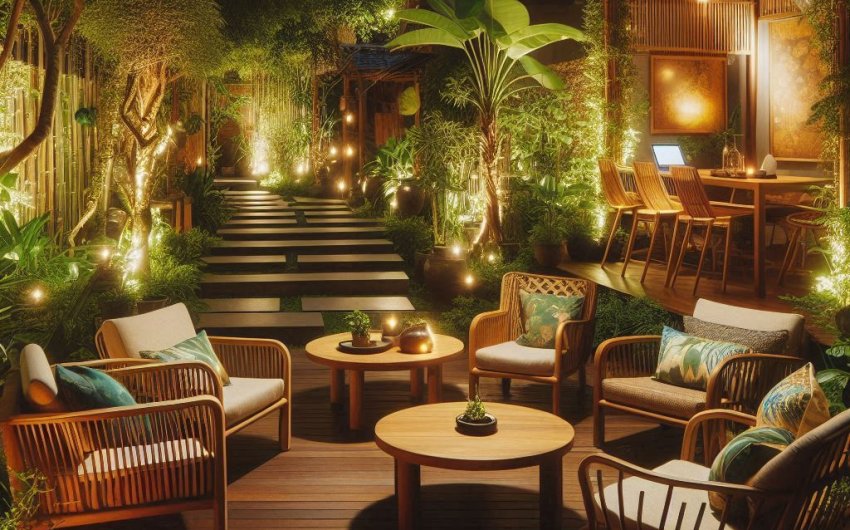
Creating an exquisite outdoor living space often involves selecting garden furniture that combines comfort, style, and durability. But for many modern homeowners, there's an increasingly important consideration: sustainability. You want pieces that not only look luxurious and perform beautifully but also align with your values, minimizing environmental impact. The good news is that eco-conscious luxury in outdoor furniture is no longer a niche concept; it's a growing trend offering stunning options that are both indulgent and responsible.
Gone are the days when "eco-friendly" meant compromising on aesthetics or quality. Today's sustainable garden furniture is crafted from innovative recycled materials, ethically sourced natural resources, and manufactured with processes that prioritize the planet. This guide will explore the best garden furniture options for eco-conscious luxury, helping you build a sophisticated and sustainable outdoor oasis that you can feel good about.
What Defines Eco-Conscious Luxury in Garden Furniture?
It's more than just a buzzword; it's a set of principles that guide material selection and manufacturing.
1. Sustainable Materials
The origin and nature of the materials are paramount.
- Recycled/Upcycled Content: Furniture made from recycled plastics (like HDPE lumber), reclaimed wood, or upcycled metals drastically reduces waste and the demand for virgin resources. This circular economy approach is a cornerstone of sustainability.
- Ethically Sourced Natural Materials: For new natural materials (like wood), eco-conscious luxury means ensuring they come from responsibly managed forests (e.g., FSC-certified wood) or rapidly renewable resources (like bamboo).
- Non-Toxic Finishes: Finishes, glues, and treatments should be low-VOC (Volatile Organic Compounds) and non-toxic, minimizing harmful chemicals released into the environment or your outdoor space.
2. Durability and Longevity
The longer furniture lasts, the more sustainable it is.
- Investment in Quality: Eco-conscious luxury pieces are built to last for decades, not just a few seasons. This reduces the need for frequent replacements, saving resources and reducing landfill waste.
- Weather Resistance: Materials that inherently withstand outdoor elements (UV, rain, temperature fluctuations) without degrading quickly contribute to longevity.
- Reparability: Furniture designed to be repaired, rather furnished, rather than discarded, also enhances its sustainability.
3. Ethical Manufacturing Practices
Beyond the material, how the furniture is made matters.
- Reduced Energy Consumption: Manufacturers employing energy-efficient processes and renewable energy sources are preferred.
- Waste Reduction: Factories that minimize waste during production and manage their waste streams responsibly.
- Fair Labor Practices: Ensuring that workers involved in the production process are treated fairly and work in safe conditions.
4. Timeless Design
Design that endures contributes to sustainability.
- Classic Aesthetics: Furniture with timeless designs won't quickly go out of style, reducing the urge to replace it purely for aesthetic reasons.
- Versatility: Pieces that can adapt to evolving outdoor decor trends or seamlessly integrate into various landscape styles offer lasting appeal.
What Are the Best Material Options for Eco-Conscious Luxury?
These materials combine high performance, beautiful aesthetics, and strong sustainability credentials.
1. Recycled HDPE (High-Density Polyethylene) Lumber
The ultimate in eco-friendly outdoor furniture.
- Source: Made from recycled plastics (e.g., milk jugs, detergent bottles) that are diverted from landfills. This is a truly circular economy material.
- Luxury Aspect: High-quality HDPE lumber is engineered to look and feel like painted wood but without the maintenance. It's often hefty, giving a substantial feel, and comes in rich, fade-resistant colors. Brands like Polywood offer a range of luxurious designs.
- Durability: Virtually indestructible. It won't rot, splinter, crack, chip, peel, or be affected by insects or moisture. It's impervious to extreme weather.
- Maintenance: Requires no painting, staining, or sealing. Simply wash with soap and water.
- Environmental Impact: Diverts plastic from landfills, uses less energy in production than virgin plastics, and is itself recyclable at the end of its very long life. You can find recycled plastic outdoor furniture.
2. Sustainably Sourced Teak
The classic choice, with a responsible twist.
- Source: Traditionally, teak has been a luxury staple. For eco-conscious luxury, look for FSC-certified (Forest Stewardship Council) teak. This guarantees the wood comes from responsibly managed forests, promoting reforestation and protecting ecosystems.
- Luxury Aspect: Teak is renowned for its rich golden-brown color, fine grain, and smooth, almost oily feel. It develops a beautiful silvery-gray patina over time if left untreated. It has a classic, elegant aesthetic.
- Durability: Unmatched natural durability for outdoor use. Its high oil content makes it naturally resistant to rot, decay, insects, and extreme weather. It can last for decades, even generations.
- Maintenance: Requires minimal maintenance if left to weather naturally. Oiling can preserve the golden color.
- Environmental Impact: FSC certification ensures responsible forestry, promoting biodiversity and community well-being. It's a natural, biodegradable material. A FSC-certified teak patio set is a true luxury item.
3. Woven All-Weather Resin Wicker (HDPE or Polypropylene on Aluminum Frame)
A popular aesthetic with improved sustainability.
- Source: While "wicker" usually refers to a weaving style, eco-conscious luxury wicker uses synthetic fibers made from HDPE or polypropylene. Look for brands that use high-quality, often virgin, polymers (which are more durable and last longer) or increasingly, those incorporating recycled content. The best quality is solution-dyed, meaning the color goes all the way through the fiber, preventing fading.
- Luxury Aspect: Offers the classic look and texture of natural wicker but with vastly superior weather resistance. Designs range from classic to modern, often with plush, high-performance cushions.
- Durability: Highly resistant to UV fading, cracking, mold, mildew, and moisture. Won't unravel like natural wicker. Built on rust-proof aluminum frames for durability and lighter weight.
- Maintenance: Easy to clean with soap and water.
- Environmental Impact: While derived from plastic, its extreme longevity means less frequent replacement, reducing waste. Look for brands committed to responsible manufacturing. A high-end all-weather wicker patio set provides comfort and style.
4. Recycled or Recyclable Aluminum
Strong, lightweight, and versatile.
- Source: Aluminum is infinitely recyclable, making furniture made from recycled aluminum a highly sustainable choice. Even virgin aluminum has a relatively low environmental impact compared to other metals due to its abundance and efficient production processes.
- Luxury Aspect: Offers a sleek, modern, and often minimalist aesthetic. Often paired with high-performance fabrics. Its lightness allows for graceful, airy designs.
- Durability: Inherently rust-proof, corrosion-resistant, and strong. Usually powder-coated for an extremely durable, chip-resistant, and fade-resistant finish.
- Maintenance: Very low maintenance; simply wipe down or hose off.
- Environmental Impact: High recyclability significantly reduces its carbon footprint. Production from recycled aluminum uses 95% less energy than from raw materials.
What About Outdoor Fabrics for Cushions?
Cushions are a big part of the luxury and sustainability story.
- Solution-Dyed Acrylic (e.g., Sunbrella): While a synthetic material, its extreme durability (often guaranteed for 5-10 years against fading) and stain/mold/mildew resistance means it lasts far longer than conventional outdoor fabrics, reducing waste. The solution-dying process (color added during fiber production) uses less water and energy than traditional dyeing. It's also highly recyclable.
- Recycled Polyester (RPET): Look for fabrics made from recycled PET plastic bottles. This is an emerging, truly eco-friendly option for outdoor cushions and textiles.
- Removable, Washable Covers: This is crucial for longevity, allowing easy cleaning and replacement of covers if needed, rather than discarding the entire cushion.
What Types of Eco-Conscious Luxury Garden Furniture Are Available?
From intimate seating to grand dining, sustainable options abound.
1. Deep Seating Sectionals and Sofas
For ultimate outdoor lounge comfort.
- Materials: Look for large, comfortable sectionals or sofas made from recycled HDPE lumber or FSC-certified teak. Pair them with plush, solution-dyed acrylic cushions or those made with recycled fabric.
- Luxury Aspect: These pieces offer sink-in comfort, generous proportions, and high-end finishes, creating an outdoor living room feel.
- Eco-Conscious Touch: Enjoy luxurious relaxation knowing your furniture is made from sustainable materials designed to last. A sustainable outdoor sectional can be the focal point.
2. Dining Sets
For elegant al fresco meals.
- Materials: Consider elegant dining sets crafted from recycled aluminum with HDPE lumber tabletops, or solid FSC-certified teak dining tables and chairs.
- Luxury Aspect: Clean lines, robust construction, and ample seating for entertaining. The beauty of natural wood or the sleekness of aluminum combine with comfort for long dinners.
- Eco-Conscious Touch: Investing in a durable, sustainably sourced dining set means countless meals enjoyed with minimal environmental impact. A FSC-certified outdoor dining set is a timeless choice.
3. Loungers and Daybeds
For ultimate relaxation.
- Materials: HDPE lumber chaise loungers are incredibly comfortable and durable. Teak daybeds with ample cushioning offer a resort-like feel.
- Luxury Aspect: Designed for pure relaxation, these pieces are often oversized and feature adjustable positions for personalized comfort.
- Eco-Conscious Touch: Enjoy guilt-free sunbathing or napping on materials that are built to last and are responsibly sourced.
4. Accent Pieces and Accessories
The details complete the look.
- Side Tables and Coffee Tables: Choose pieces in matching HDPE lumber, FSC-certified teak, or recycled aluminum.
- Planters: Opt for planters made from recycled plastic (high-quality ones can mimic stone or concrete), lightweight fiberclay, or sustainable wood.
- Outdoor Rugs: Look for outdoor rugs made from recycled plastic bottles (PET fibers). These are durable, easy to clean, and come in a wide array of patterns and colors. An outdoor rug made from recycled materials adds warmth.
How to Care for Eco-Conscious Luxury Garden Furniture?
Even the most durable furniture benefits from proper care to ensure maximum longevity.
General Cleaning
Keep it looking pristine.
- Regular Cleaning: Periodically wipe down or hose off furniture to remove dust, pollen, and debris. For most materials (HDPE, aluminum, resin wicker), a mild soap solution and a soft brush or cloth are sufficient.
- Cushion Care: Follow manufacturer instructions for cleaning cushion covers (most solution-dyed fabrics can be spot-cleaned or machine washed).
Material-Specific Care
Tailor care to the material.
- HDPE Lumber: Very low maintenance. No sealing, staining, or painting needed. Simply wash with soap and water.
- FSC-Certified Teak: If you want the teak to weather to its natural silvery-gray patina, very little maintenance is needed beyond cleaning. If you prefer to maintain the golden-brown color, apply a teak sealer or teak oil annually.
- Aluminum: Wash with mild soap and water. Avoid abrasive cleaners that could damage the powder coating.
- Resin Wicker: Hose off to clean. Use a soft brush for any stubborn dirt.
Winter Storage and Protection
Extend lifespan in harsh climates.
- Covers: Invest in high-quality, weatherproof covers for all your garden furniture, especially if you live in an area with harsh winters. This protects it from snow, ice, and extreme temperature fluctuations.
- Storage: If possible, store cushions indoors in a dry, protected area during the off-season. For furniture itself, consider storing it in a garage or shed if not covered. A good outdoor furniture cover is essential.
What Are Some Final Considerations for Eco-Conscious Luxury?
Think holistically about your purchase.
Longevity is Key
The most sustainable product is the one that lasts longest.
- Investment: View eco-conscious luxury garden furniture as an investment. While the upfront cost might be higher, its extended lifespan means you won't need to replace it frequently, reducing overall consumption and waste.
Certifications and Transparency
Look for proof of sustainability.
- FSC Certification: For wood, always look for the FSC certification.
- Brand Values: Research brands that openly share their manufacturing processes, material sourcing, and commitment to sustainability. Look for companies that prioritize recycled content, ethical labor, and waste reduction.
Local Sourcing
Reduce transportation impact.
- Buy Local (if possible): While harder for specialized outdoor furniture, buying from local manufacturers or suppliers can reduce the carbon footprint associated with long-distance shipping.
Creating an outdoor living space with eco-conscious luxury garden furniture is about making choices that reflect both your aesthetic preferences and your commitment to the planet. By prioritizing durable materials like recycled HDPE lumber, FSC-certified teak, recycled aluminum, and high-performance sustainable fabrics, you can build a sophisticated, comfortable, and environmentally responsible outdoor oasis that you and your loved ones can enjoy for decades to come, knowing you've made a positive impact.