
How to Choose the Best Garden Décor for Your Outdoor Space?
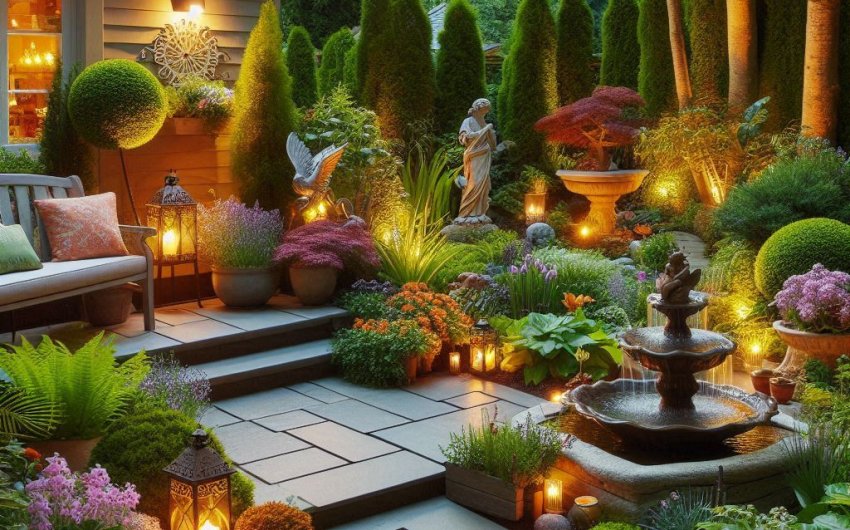
Transforming an outdoor area into a personalized retreat involves more than just plants; it requires thoughtful touches that enhance ambiance and reflect individual style. Learning how to choose the best garden decor for your outdoor space is a process of balancing aesthetics, functionality, and suitability for the environment. Whether your aim is to create a serene sanctuary, a vibrant entertaining zone, or a whimsical escape, the right decorative elements can elevate your garden from a simple plot to a captivating extension of your home, inviting relaxation and enjoyment.
How do I define my garden's style and theme?
Before you even start browsing for items, the most crucial first step in learning how to choose the best garden decor for your outdoor space is to define your garden's existing or desired style and theme. This provides a clear roadmap for all your choices, ensuring cohesion and preventing a cluttered, haphazard look. Your garden decor should feel like a natural extension of your home and your personality.
What is my personal aesthetic?
Think about your preferences and the style of your home. Do you gravitate towards:
- Modern/Minimalist: Clean lines, simple forms, neutral colors, and a focus on natural materials like metal, concrete, or polished wood. Decor would be sleek sculptures, geometric planters, and subtle lighting.
- Traditional/Formal: Symmetrical layouts, classic statuary, manicured hedges, and often features like stone fountains or urns. Decor might include classical garden statues, elegant benches, or formal planters.
- Cottage/Romantic: Abundant flowering plants, whimsical elements, vintage finds, and soft colors. Decor would lean towards birdbaths, fairy garden elements, distressed furniture, and charming signs.
- Rustic/Farmhouse: Natural, weathered materials like reclaimed wood, galvanized metal, and rough stone. Think old wagon wheels, wooden barrels as planters, and simple, sturdy benches.
- Bohemian/Eclectic: A mix of textures, colors, and global influences. Decor could include colorful outdoor rugs, macrame hangings, floor cushions, and a collection of unique, found objects.
- Coastal/Nautical: Inspired by the beach, with blues, whites, sandy tones, and natural elements like driftwood, shells, and rope. Decor might include nautical lanterns, striped cushions, or sailboat motifs.
- Japanese/Zen: Focus on tranquility, naturalism, asymmetry, and symbolism. Decor includes stone lanterns, water basins, natural rocks, and carefully pruned plants.
Your existing indoor decor can also offer clues. Does your home have a modern feel? Or is it more traditional? Aim for continuity between your indoor and outdoor spaces.
What is the existing architecture of my home?
Your home's architectural style provides a natural starting point for your garden decor.
- Harmony: The garden should ideally harmonize with the house. A sleek modern house might look out of place with overly rustic garden decor, just as a Victorian home would clash with stark minimalist pieces.
- Complementary vs. Contrasting: You can choose decor that directly complements the architecture (e.g., traditional decor for a Colonial home) or that offers a subtle, tasteful contrast (e.g., minimalist decor for a farmhouse, but in natural materials).
- Materials: Pay attention to the materials used on your house (brick, wood, stucco, stone) and try to echo or complement them in your garden decor.
What is the overall ambiance I want to create?
Beyond a specific style, think about the feeling you want your garden to evoke.
- Relaxing and Serene: This might mean incorporating water features for calming sounds, comfortable seating, soft lighting, and natural, muted colors.
- Vibrant and Energetic: Use bold colors, playful sculptures, diverse textures, and lively arrangements.
- Whimsical and Playful: Incorporate unexpected elements, garden gnomes, wind chimes, and found objects.
- Entertaining and Social: Focus on comfortable seating, dining areas, outdoor kitchens, and ample lighting for gatherings.
By taking the time to define your style, considering your home's architecture, and envisioning the desired ambiance, you build a strong foundation for selecting garden decor that truly transforms your outdoor space into a personal sanctuary.
How do I choose garden decor based on functionality and placement?
Beyond aesthetics, the practical aspects of garden decor are just as important. Understanding how an item will function, where it will be placed, and how it will withstand the elements are crucial steps in learning how to choose the best garden decor for your outdoor space. Functionality and placement go hand-in-hand to ensure your decor is not only beautiful but also practical and durable.
What purpose will the decor serve?
Garden decor isn't always purely ornamental. Many items serve a dual purpose, combining beauty with utility.
- Seating: Benches, chairs, or even decorative tree stumps provide a place to rest and enjoy the garden. Choose comfort and durability for outdoor use.
- Lighting: Lanterns, string lights, or pathway lights enhance ambiance after dark and improve safety.
- Planters: Decorative pots, window boxes, or tiered planters add height and allow you to incorporate more plants.
- Water Features: Fountains or bird baths add soothing sounds, attract wildlife, and create a focal point.
- Privacy Screens: Trellises, decorative panels, or strategically placed outdoor screens can provide privacy or define separate garden "rooms."
- Storage: Storage benches or discreet deck boxes can hide away gardening tools or cushions while looking decorative.
Consider the primary function you need, then look for options that fit your chosen garden style.
Where will the decor be placed?
The specific location within your garden dictates the type, size, and material of the decor you choose.
- Focal Points: For a prominent spot where you want to draw the eye, choose a larger, more impactful piece like a statement sculpture, a significant water feature, or a unique bench. These should be visually interesting from multiple angles.
- Pathways/Borders: Along paths or as borders, smaller, repetitive elements like garden stakes, low decorative fencing, or a series of identical lanterns work well to create rhythm and definition.
- Seating Areas: Near a patio or deck, focus on comfort and creating an "outdoor room" feel with elements like outdoor rugs, cushions, and appropriate lighting.
- Shady Nooks: For dimly lit areas, consider decor that stands out without relying on bright colors, such as light-colored statues, reflective objects, or decor that adds texture.
- Seasonal Placement: Some decor might be temporary (e.g., holiday lights, specific seasonal planters) and can be easily moved or stored.
Consider how the piece interacts with its surroundings – will it be dwarfed by large plants, or will it overwhelm a small space?
What materials are best for outdoor durability?
Your garden decor will be exposed to varying weather conditions, so material durability is crucial.
- Weather Resistance: Choose materials that can withstand sun, rain, wind, and temperature fluctuations in your climate.
- Common Durable Materials:
- Stone/Concrete: Extremely durable, heavy, and long-lasting. Excellent for statues, bird baths, and benches. They often develop an attractive patina over time.
- Metal: Wrought iron, aluminum, and stainless steel are very durable. Look for powder-coated metals for rust resistance. Rust can be part of a rustic aesthetic, but structural rust is an issue.
- Resin/Fiberglass: Lightweight, durable, and often molded to look like stone or wood. Many modern outdoor planters and statues are made from these materials.
- Treated Wood/Cedar: Naturally rot-resistant or pressure-treated wood is good for furniture, pergolas, and raised beds. Requires occasional sealing or staining. Look for FSC-certified wood for sustainability.
- Ceramic (Glazed, Outdoor-Rated): For pots and decorative items, ensure they are clearly labeled as frost-resistant or outdoor-rated to prevent cracking in freezing temperatures.
- UV-Stabilized Plastics: Durable and lightweight for planters and some furniture.
Consider how each piece will fare through the seasons and how much maintenance (cleaning, sealing, bringing indoors) you're willing to commit to. By aligning your garden decor with its intended function, strategic placement, and the demands of your climate, you ensure your choices are both beautiful and practical, enhancing your outdoor space for years to come.
How do color, texture, and scale impact garden decor choices?
Once you've considered style, function, and placement, honing in on the details of color, texture, and scale is crucial for truly mastering how to choose the best garden decor for your outdoor space. These elements are the building blocks of visual design, influencing the mood and visual harmony of your garden. A thoughtful interplay of these factors creates depth and interest.
How do I choose colors for my garden decor?
Color theory applies just as much in the garden as it does indoors. The colors of your garden decor should complement your plants, hardscaping, and home exterior.
- Complementary Colors: If your garden is full of vibrant green foliage, consider decor in natural tones (stone, wood) or pops of complementary colors like deep reds, oranges, or blues to create contrast.
- Harmonious Colors: For a serene or monochromatic look, choose decor in shades that blend seamlessly with your plants (e.g., blues, greens, silvers for a cool-toned garden).
- Accent Colors: Use small, deliberate pops of bright color (e.g., a vibrant garden sphere, a painted bench) to draw the eye or add energy, but avoid overdoing it to prevent visual clutter.
- Natural Palette: Often, the most timeless approach is to stick to a largely natural palette (greens, browns, grays, whites, stone colors) for major decor pieces, allowing the natural colors of your plants to shine.
- Patina: Consider how colors will change over time. Many natural materials (copper, stone, untreated wood) develop a beautiful patina, enhancing their character.
What about texture in garden decor?
Texture adds depth, tactile appeal, and visual interest, even in monochrome designs.
- Contrast and Variety: Mix different textures to create richness. For example, combine the rough texture of a natural stone statue with the smooth surface of a polished ceramic pot, or the soft, feathery texture of ornamental grasses with the hard, sharp lines of a metal sculpture.
- Natural Textures: Incorporate decor made from rough-hewn wood, natural stone, woven rattan, or weathered metal. These blend well with the organic textures of plants.
- Subtle Details: Even within a single material, texture can vary. A smooth concrete planter contrasts with a rough concrete bird bath. These subtle differences add interest without adding clutter.
Why is scale so important for garden decor?
Scale refers to the size of an object in relation to its surroundings and other objects. Getting the scale right is vital for visual harmony and preventing decor from looking out of place.
- Proportion to Space:
- Small Gardens: In a compact garden, large, oversized decor pieces will overwhelm the space and make it feel even smaller. Opt for smaller, more delicate items or one carefully chosen, medium-sized focal point.
- Large Gardens: In expansive gardens, tiny decorative pieces will get lost and appear insignificant. Here, larger statement pieces, multiple larger planters, or substantial benches are needed to fill the space appropriately.
- Proportion to Plants and Structures:
- Ensure a statue isn't dwarfed by tall shrubs next to it, or conversely, that a small fountain isn't overwhelmed by a massive shade tree.
- Consider the size of your house or fence. A small lantern might look out of place on a very large wall, while a grand urn might overwhelm a tiny patio.
- Visual Weight: Scale also relates to visual weight. A dark, solid piece will appear heavier than a light-colored, airy piece of the same physical size. Use this to create balance.
- Perspective: Use scale to play with perspective. Placing smaller objects in the foreground and progressively larger ones further back can create an illusion of greater depth in a shallow garden.
By thoughtfully applying the principles of color, texture, and scale to your garden decor choices, you can create a cohesive, visually appealing, and harmonious outdoor space that truly reflects your personal style and enhances your enjoyment of your garden.