
How to Create a Drought-Resistant Lawn with Xeriscaping?
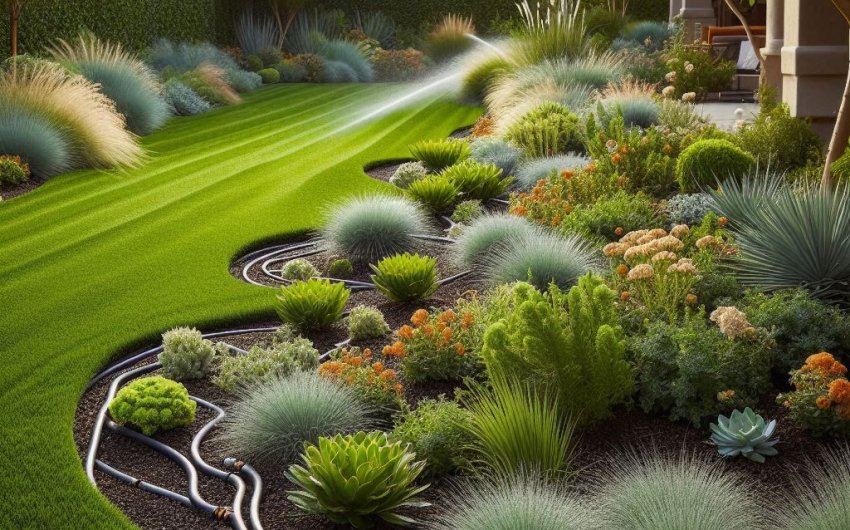
Creating a drought-resistant lawn with xeriscaping is a strategic and increasingly popular approach for homeowners seeking beautiful outdoor spaces that thrive with minimal water. As water resources become more constrained and environmental consciousness grows, transforming traditional thirsty lawns into resilient, water-wise landscapes offers significant benefits. Xeriscaping, a comprehensive set of landscaping principles focused on water conservation, provides the blueprint for cultivating a lush yet sustainable lawn that can withstand dry periods without constant irrigation.
What is Xeriscaping and Why Apply it to Your Lawn?
Understanding the core philosophy of xeriscaping and its particular relevance to lawns is the first step toward transforming your outdoor space into a water-efficient oasis.
Defining Xeriscaping
Xeriscaping is a comprehensive landscaping approach that emphasizes water conservation. The term comes from the Greek word "xeros," meaning dry, and "scape," meaning scene. It's not about creating a barren, desert-like landscape, but rather designing a beautiful, functional garden that requires little or no supplemental irrigation beyond natural rainfall. The principles of xeriscaping apply to the entire landscape, including planting beds, hardscapes, and crucially, the lawn areas. It's about selecting appropriate plants, designing efficiently, and managing water wisely to reduce consumption.
Why Apply Xeriscaping Principles to Your Lawn?
Traditional lawns, often composed of water-intensive grass varieties, are typically the biggest water hogs in a residential landscape. Applying xeriscaping principles specifically to your lawn offers compelling benefits:
Significant Water Savings
The most direct and impactful benefit is significant water savings. Traditional turfgrass can consume up to 70% of a homeowner's outdoor water use, especially in hot, dry climates. By converting to a drought-resistant lawn through xeriscaping, you drastically reduce the need for irrigation, leading to lower water bills and less strain on local water supplies. This is particularly crucial in areas prone to droughts or with water restrictions.
Reduced Maintenance: Less Mowing and Fertilizing
Drought-resistant lawns often require reduced maintenance. Many water-wise turfgrass varieties grow slower and denser, meaning less frequent mowing. Furthermore, these grasses are typically better adapted to local conditions and require less fertilizer and fewer chemical treatments to thrive. This translates to more free time for you and a healthier environment around your home.
Increased Environmental Sustainability
Embracing a drought-resistant lawn is a strong step towards increased environmental sustainability. Beyond saving water, it reduces your carbon footprint by minimizing lawnmower fuel consumption (less mowing) and decreasing the need for chemical fertilizers and pesticides. This protects local waterways from runoff pollution and supports beneficial insects and soil organisms, fostering a healthier ecosystem right in your backyard.
Resilience to Drought and Water Restrictions
In an era of unpredictable weather patterns and increasing water scarcity, a drought-resistant lawn offers crucial resilience. When neighbors' traditional lawns turn brown and crispy under water restrictions or prolonged dry spells, your xeriscaped lawn will likely remain green and vibrant, or at least recover quickly once moisture returns. This built-in hardiness ensures your landscape remains attractive even when water is scarce.
Aesthetic Appeal and Biodiversity
A common misconception is that water-wise landscaping lacks aesthetic appeal. In reality, a well-designed drought-resistant lawn can be incredibly beautiful, offering varied textures and colors not found in a monoculture of traditional turf. It can also be part of a larger xeriscape that incorporates a diverse array of drought-tolerant plants, enhancing biodiversity by providing habitat and food for local wildlife. This creates a richer, more dynamic landscape than a conventional lawn.
What Are the Key Principles of Xeriscaping for Lawns?
Xeriscaping is based on a set of seven core principles, all of which can be adapted and applied to create a water-wise lawn.
1. Planning and Design: The Foundation
Effective xeriscaping, especially for a lawn, begins with thorough planning and design.
- Assess Your Site: Before doing anything, evaluate your existing lawn. Identify areas that receive full sun, partial sun, and shade. Note existing drainage patterns, slopes, and compacted areas. Understand your soil type.
- Define Functional Areas: Consider how you actually use your lawn. Do you need a large expanse for sports or entertaining, or do you mostly use it for visual appeal? Reduce turf to only the areas where it is truly functional and necessary. Convert unused or low-traffic lawn areas into drought-tolerant planting beds or permeable hardscapes. This is called turf reduction.
- Choose the Right Turfgrass Zones: Different areas of your yard will have different water needs. Group plants with similar water requirements together in "hydrozones." For your lawn, this might mean selecting a highly drought-tolerant turf for sunny, sloped areas, and a slightly less drought-tolerant, but still water-wise, grass for more trafficked, level areas.
- Draw It Out: Sketch out your plans. This helps visualize changes and ensure efficiency.
2. Soil Improvement: The Invisible Foundation
Healthy soil is the foundation of any resilient landscape, especially a drought-resistant lawn.
- Aeration: Aerating compacted soil allows water to penetrate deeply rather than running off, and encourages deeper root growth for turfgrass. You can use a manual core aerator or rent a powered one. A Core Aerator Tool can be effective for smaller areas.
- Organic Matter: Incorporating organic matter like compost into your soil dramatically improves its structure. For sandy soils, compost acts like a sponge, increasing water retention. For clay soils, it helps break up compaction, improving drainage and aeration. Mix 2-4 inches of compost into the top 6-12 inches of existing soil before planting new turf or overseeding. This investment in soil health will significantly reduce future watering needs.
3. Efficient Irrigation: Delivering Water Wisely
Even drought-resistant lawns may need some supplemental watering during prolonged dry spells, but how you water matters.
- Deep and Infrequent: The golden rule of water-wise irrigation is to water deeply and infrequently. This encourages turfgrass roots to grow deeper, making the lawn more resilient to drought. Shallow, frequent watering leads to shallow roots and a less robust lawn.
- Monitor Soil Moisture: Don't water on a fixed schedule. Instead, water only when your lawn truly needs it. Use the "screwdriver test" (push a screwdriver into the soil; if it goes in easily, it's moist enough) or simply observe your grass (dull color, footprints remain). A Soil Moisture Meter can provide a precise reading.
- Optimal Time: Water in the early morning (before 10 AM). This minimizes evaporation from the sun and wind, allows water to soak in deeply, and gives grass blades time to dry, which helps prevent fungal diseases.
- Drip Irrigation/Soaker Hoses (for adjacent beds): While sprinklers are used for turf, for adjacent planting beds within your xeriscape, consider drip irrigation or soaker hoses. These methods deliver water directly to the plant roots, significantly reducing waste. A Soaker Hose Kit is efficient.
- Smart Controllers: Consider a smart irrigation controller that adjusts watering schedules based on local weather conditions, rainfall, and plant needs. This takes the guesswork out of watering.
4. Plant Selection: Choosing Water-Wise Turf
This is perhaps the most fundamental principle for a drought-resistant lawn.
- Choose Drought-Tolerant Turfgrasses: Select turfgrass varieties that are naturally adapted to your climate and require less water. Research options suitable for your hardiness zone and sunlight conditions. Examples include:
- Warm-Season Grasses (for hot climates): Bermudagrass, Zoysiagrass, Buffalograss, St. Augustinegrass (some varieties).
- Cool-Season Grasses (for temperate climates): Tall Fescue (some drought-tolerant cultivars), Fine Fescues, Kentucky Bluegrass (some drought-tolerant cultivars).
- Native Grasses: Even better, consider native grass species that are inherently suited to your local rainfall patterns.
- Groundcovers and Alternative Lawns: For areas that don't need to be mowed or heavily trafficked, consider drought-tolerant groundcovers or "alternative lawns" that mimic a lawn aesthetic but use much less water. Examples include various sedums, creeping thyme, or low-growing fescues that are allowed to grow longer. A Creeping Thyme Seed Mat can be a great alternative.
5. Mulching: Retaining Moisture and Suppressing Weeds
While you don't mulch the lawn itself, mulching around adjacent planting beds is crucial for overall water conservation in your landscape.
- Organic Mulch: Apply a 2-4 inch layer of organic mulch (like shredded bark, wood chips, or compost) to all exposed soil in planting beds.
- Benefits: Mulch significantly reduces water evaporation from the soil surface, keeps soil temperatures more moderate, and suppresses weeds that compete for water and nutrients. This means your plants need less frequent watering.
6. Reduced Turf Areas (Turf Reduction)
This principle involves strategically reducing the total area of your lawn to conserve water and redirect it to other, more diverse plantings.
- Eliminate Unnecessary Lawn: Convert areas of your lawn that are rarely walked on or serve no real purpose into drought-tolerant planting beds, rock gardens, or permeable patios.
- Shape Turf Sensibly: Design lawn areas with smooth curves or simple shapes that are easy to irrigate efficiently. Avoid narrow strips or odd shapes that lead to water waste.
- Integrate Plantings: Blend your lawn with beds of drought-tolerant shrubs, perennials, and ornamental grasses.
7. Appropriate Maintenance: Supporting Drought Resistance
The way you maintain your lawn directly impacts its drought resistance.
- Mowing Height: Mow your drought-tolerant turfgrass at its highest recommended setting (typically 2.5-4 inches, depending on grass type). Taller grass shades the soil, reduces evaporation, and encourages deeper root growth, making the lawn more drought-resistant. Never remove more than one-third of the blade length at a time. A Greenworks Cordless Lawn Mower set to a high blade can help.
- Fertilization: Use organic, slow-release fertilizers sparingly, typically once a year in spring or fall, if needed. Over-fertilizing, especially with quick-release nitrogen, can promote lush, shallow growth that is more susceptible to drought stress. Remember that a healthy soil (principle #2) often reduces the need for heavy fertilization.
- Weed Control: A dense, healthy, water-wise lawn will naturally outcompete many weeds. For persistent weeds, use non-chemical methods like hand-pulling, proper mowing, or natural spot treatments.
How Do You Convert Your Existing Lawn to a Drought-Resistant One?
Converting a traditional lawn to a drought-resistant one is a process that requires planning and effort, but the long-term rewards are substantial.
Step 1: Assess Your Existing Lawn and Plan Your New Design
- Observe and Map: Spend time observing your lawn's sun exposure, drainage issues, and compacted areas. Sketch out the areas you want to keep as turf and those you plan to convert to other plantings. This helps you visualize your future drought-resistant landscape.
- Test Your Soil: Get a soil test to determine your soil's type (sand, clay, loam), pH, and nutrient levels. This information is crucial for proper soil amendments. A Soil Test Kit can be purchased at garden centers.
- Select New Turfgrass: Based on your climate, sun exposure, and desired maintenance, research and select the most appropriate drought-tolerant turfgrass species or cultivar for your area. Consider factors like desired texture, color, and cold/heat tolerance.
Step 2: Remove the Existing Turf (or Sections of it)
This is often the most labor-intensive step. There are several methods for removing your old, water-hungry lawn.
Sheet Mulching (Lasagna Gardening)
This is an excellent, no-dig method that improves soil as it removes the lawn.
- Process: Lay down overlapping layers of cardboard (remove tape and labels) directly over your existing grass. Water it thoroughly. Then, layer various organic materials on top, such as shredded leaves, straw, compost, and manure, creating a "lasagna" effect.
- Timeframe: Leave it for several months, ideally over winter, to allow the grass and lower layers to decompose.
- Pros: Requires no digging, builds healthy soil, suppresses weeds, environmentally friendly.
- Cons: Takes time, adds height to the bed.
Solarization
Effective for killing grass and weeds in large, sunny areas.
- Process: Mow the grass very short, water thoroughly, then cover the area with clear plastic sheeting (4-6 mil thick). Bury the edges to create a seal.
- Timeframe: Leave for 4-8 weeks during the hottest, sunniest part of the year. The sun heats the soil under the plastic, killing the grass and weed seeds.
- Pros: Effective, chemical-free.
- Cons: Plastic is visible, requires intense sun and heat, not suitable for all climates or shaded areas.
Sod Cutter
For fast removal, a sod cutter can be rented.
- Process: A machine cuts and lifts strips of sod.
- Pros: Quickest method for large areas.
- Cons: Labor-intensive (moving the heavy sod rolls), removes topsoil, requires disposing of the sod.
Hand Digging
For smaller areas, hand digging can be an option.
- Process: Use a spade or shovel to manually dig up chunks of sod.
- Pros: Precise for small areas.
- Cons: Very labor-intensive and physically demanding.
Step 3: Improve Your Soil
Once the old turf is removed, it's time to create the best possible foundation for your new drought-resistant lawn.
- Aeration: If the soil is compacted, aerate it.
- Incorporate Organic Matter: Add a 2-4 inch layer of high-quality compost (and sand if you have heavy clay) and work it into the top 6-12 inches of soil. This is a crucial step for building a resilient, water-efficient lawn. A Garden Rototiller can help incorporate amendments.
- Leveling: Rake the soil smooth and level the area.
Step 4: Plant Your New Drought-Resistant Turf
Now you're ready to establish your new lawn. You can do this by seeding or laying sod.
Seeding
- Timing: For cool-season grasses, late summer/early fall is best. For warm-season grasses, late spring/early summer. Check specific grass recommendations.
- Apply Seed: Spread your chosen drought-tolerant grass seed evenly over the prepared soil using a Broadcast Spreader for consistent coverage.
- Lightly Cover: Rake the seed lightly into the soil (no more than 1/4 inch deep) or gently roll with a lawn roller to ensure good seed-to-soil contact.
- Mulch (Optional): Cover with a very thin layer of straw to help retain moisture and deter birds.
- Watering: This is critical for germination! Keep the seedbed consistently moist with light, frequent watering until seedlings are established (typically 2-3 weeks, or more). This is the only time you'll water frequently.
Laying Sod
- Timing: Sod can be laid almost any time of year, but avoid extreme heat or cold.
- Prepare Base: Ensure the soil is well-prepared, leveled, and slightly moist.
- Lay Sod: Lay sod strips tightly together, staggering seams like bricks. Cut pieces to fit.
- Roll: Roll the sod with a lawn roller to ensure good contact with the soil.
- Watering: Water immediately and deeply after laying. For the first 2-3 weeks, water frequently enough to keep the sod and the underlying soil moist, encouraging roots to establish. Gradually reduce frequency as the sod takes root.
Step 5: Implement Efficient Irrigation Practices
Once your new lawn is established, immediately shift to xeriscaping's efficient watering habits.
- Deep and Infrequent: Train your lawn to be drought-resistant by watering deeply but rarely. Wait until the grass shows signs of stress (dull color, footprints don't spring back) before watering again.
- Early Morning: Always water in the early morning.
- Monitor: Continuously monitor your lawn's needs, especially during dry spells.
Step 6: Maintain with Water-Wise Practices
Ongoing maintenance supports the long-term drought resistance of your lawn.
- High Mowing: Continue to mow at the highest recommended blade setting for your grass type.
- Leave Clippings: Let grass clippings remain on the lawn to return nutrients and add organic matter.
- Sparse Fertilization: Use organic, slow-release fertilizers only when necessary, based on soil test results.
- Aeration: Periodically aerate compacted areas to improve water penetration.
- Overseeding: Annually overseed with your drought-tolerant grass seed to maintain density and fill any thin spots, especially in fall for cool-season grasses.
By systematically applying these xeriscaping principles, you can create a beautiful, resilient, and truly drought-resistant lawn that requires significantly less water and effort, contributing to a more sustainable and enjoyable outdoor living space.