
How Do I Maintain a Lawn on a Rental Property?
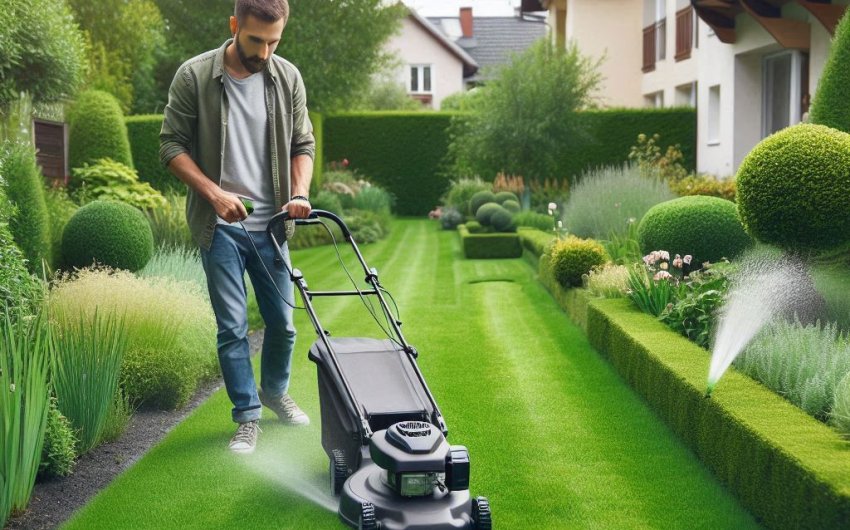
Navigating the responsibilities of property upkeep as a tenant often includes the significant task of maintaining outdoor spaces. Understanding how to maintain a lawn on a rental property is crucial, not only for ensuring compliance with your lease agreement but also for fostering a harmonious relationship with your landlord and protecting your security deposit. Unlike owning a home, lawn care in a rental context requires a nuanced approach, balancing typical maintenance practices with an awareness of contractual obligations and the property's overall condition.
What are my responsibilities for lawn care in a rental property?
Before you even pick up a mower, understanding your exact responsibilities for lawn care in a rental property is the most critical first step. Lease agreements vary wildly, and what's expected of a tenant can range from basic mowing to comprehensive landscape maintenance. Clarity here is key to avoiding disputes with your landlord and safeguarding your security deposit.
Where can I find my specific lawn care obligations?
Your lease agreement is the definitive document outlining your responsibilities. Do not rely on verbal agreements or assumptions.
- Read the Lease Carefully: Before signing, or if you're already a tenant, re-read your entire lease agreement. Look for clauses specifically addressing "yard maintenance," "landscaping," "exterior upkeep," "grounds care," or similar terms.
- Specific vs. General Clauses:
- Some leases are very specific: "Tenant is responsible for mowing, weeding, watering, and fertilizing all lawn areas."
- Others are more general: "Tenant responsible for maintaining the property's exterior in a neat and tidy condition."
- Some might explicitly state what the landlord is responsible for (e.g., tree trimming, major landscaping), implying all other tasks fall to the tenant.
- Clarify Ambiguities: If any language related to lawn care is unclear, or if you're unsure about the extent of your duties, contact your landlord or property manager in writing (email is best) for clarification before you move in or before a problem arises. Get their response in writing as well. This creates a clear record for both parties.
- HOA/Community Rules: In some communities, there might be Homeowners Association (HOA) rules or specific community guidelines that dictate lawn care standards. Check if your lease mentions adherence to such rules.
What are common tenant responsibilities for lawn care?
While leases vary, some common tenant responsibilities for lawn care often include:
- Mowing: This is almost universally a tenant's responsibility if there's a lawn. This includes regular mowing to maintain an appropriate height and prevent overgrowth.
- Weeding: Many leases expect tenants to keep garden beds and lawn areas free of weeds. This can range from pulling a few dandelions to more comprehensive weeding.
- Watering: Tenants are typically responsible for watering the lawn and plants, especially during dry periods, to prevent them from dying due to neglect. This usually means paying for the water bill associated with outdoor use.
- Basic Trimming/Edging: Keeping lawn edges neat and trimming around obstacles like fences, trees, and sidewalks is often expected.
- Leaf Raking/Removal: During fall, collecting and disposing of leaves is frequently a tenant's job.
- Disposing of Yard Waste: Proper disposal of grass clippings, leaves, and other yard waste is usually the tenant's responsibility. This might mean bagging it for municipal pickup or composting.
What responsibilities typically fall to the landlord?
Usually, landlords are responsible for more significant, costly, or structural aspects of landscape maintenance.
- Major Tree/Shrub Pruning: Large tree trimming, especially for mature trees, or pruning tall shrubs often falls to the landlord due to safety concerns and specialized equipment requirements.
- Pest and Disease Control: Addressing widespread lawn diseases, major pest infestations (e.g., grubs), or fertilizing for specific nutrient deficiencies might be the landlord's duty.
- Major Landscaping Projects: Installing new garden beds, planting new trees, or making significant changes to the landscape are typically landlord responsibilities.
- Irrigation System Repair: If there's an existing sprinkler system, major repairs to it usually fall to the landlord, though ensuring it's used correctly (not over or underwatering) might be the tenant's role.
- Providing Equipment: Some landlords may provide basic lawn care equipment (like a mower), but this is not always the case and should be explicitly stated in the lease.
Before taking any action, always refer to your lease agreement and, if in doubt, communicate with your landlord. This clarity is the foundation for successfully knowing how to maintain a lawn on a rental property.
What essential tools do I need for basic lawn maintenance?
Equipping yourself with the right tools is fundamental to successfully understanding how to maintain a lawn on a rental property. While you might not need a professional arsenal, having a few essential items will make routine upkeep efficient and effective, keeping your outdoor space looking neat and tidy in line with your lease obligations.
What power tools are essential for lawn care?
Power tools make quick work of larger tasks, but consider your garden size and personal comfort before investing.
- Lawn Mower: This is the most crucial piece of equipment.
- Electric Corded Mower: Good for smaller to medium-sized lawns, environmentally friendly, quieter than gas, and requires less maintenance. You'll need access to outdoor power outlets and an extension cord. A Greenworks corded electric mower is a popular choice.
- Battery-Powered (Cordless) Mower: Offers the freedom of a gas mower without the fumes or noise. Ideal for medium-sized lawns. Batteries need charging. A Ryobi 40V cordless mower is a well-regarded option.
- Gas Mower: Best for larger lawns, more powerful, but louder, requires fuel and more maintenance.
- Reel Mower: A classic, non-motorized option for very small lawns or if you prefer a quiet, eco-friendly approach. Requires more effort.
- Consideration: Some landlords provide a mower. If not, renting one or hiring a lawn service are alternatives to buying.
- String Trimmer (Weed Whacker): Essential for trimming grass in areas the mower can't reach, such as around fences, trees, garden beds, and along walkways. Available in electric (corded or battery) or gas models. A Black+Decker electric string trimmer is often sufficient for home use.
- Leaf Blower (Optional but Convenient): While not strictly essential, a leaf blower can significantly speed up cleanup of leaves and grass clippings from patios, walkways, and driveways, keeping the property tidy. Electric (corded or battery) models are popular for home use.
What hand tools are necessary for general upkeep?
Hand tools are crucial for precision work and tasks that don't require power.
- Garden Rake: For raking leaves, spreading mulch, or leveling soil. A Bow Rake is sturdy for heavy work, while a Leaf Rake is better for collecting leaves.
- Hand Pruners (Bypass Shears): For light pruning of small shrubs, cutting back overgrown perennials, or deadheading flowers. Look for sharp, comfortable Bypass Pruners.
- Weeding Tool (Hand Weeder or Trowel): For manually removing weeds from garden beds or the lawn. A Hand Weeder or a sturdy Garden Trowel are versatile.
- Garden Gloves: Protect your hands from dirt, blisters, and thorns. Look for durable, comfortable gardening gloves.
- Wheelbarrow or Garden Cart: For moving soil, mulch, weeds, or grass clippings around the property. A Garden Cart with wheels is often easier to maneuver than a traditional wheelbarrow.
- Hose and Sprinkler (if no irrigation system): For watering the lawn and plants. A durable Garden Hose and a suitable Lawn Sprinkler are essential.
When acquiring tools, consider their quality. While you don't need top-of-the-line professional gear, investing in reasonably durable tools will save you frustration and replacement costs in the long run. These essential tools form the backbone of how to maintain a lawn on a rental property effectively and efficiently.
What are the key steps for routine lawn maintenance on a rental property?
Consistent, routine care is the secret to a healthy, well-maintained lawn, which is often a key expectation in rental agreements. Understanding these fundamental steps is vital for successfully maintaining a lawn on a rental property and ensuring it always looks its best.
How often should I mow and at what height?
Mowing is the most frequent and visible aspect of lawn care, directly impacting the lawn's appearance and health.
- Frequency: During the active growing season (spring through fall, depending on your climate and grass type), aim to mow at least once a week. In periods of rapid growth, you might need to mow every 5 days. In slower growth periods, you can extend to every 10-14 days. Consistency prevents the grass from getting too long, which can stress it when cut.
- Mowing Height: This is crucial for grass health. Avoid cutting more than one-third of the grass blade's height at a time.
- Cool-Season Grasses (e.g., Fescue, Bluegrass, Ryegrass): Generally prefer to be cut taller, around 2.5 to 3.5 inches. Taller grass shades the soil, conserves moisture, and helps suppress weeds.
- Warm-Season Grasses (e.g., Bermuda, Zoysia, St. Augustine): Can be cut shorter, typically between 1 to 2.5 inches, though specific varieties vary.
- Adjust Mower Deck: Always adjust your mower's cutting deck to the appropriate height for your grass type.
- Leave Clippings (Mulch Mowing): If you mow frequently and only remove one-third of the blade, leave the grass clippings on the lawn. This is called mulch mowing. The clippings break down quickly, returning valuable nutrients (especially nitrogen) to the soil, acting as a natural fertilizer. A mulching blade helps chop them finely. Only bag clippings if they are excessively long and will clump on the lawn.
- Sharp Blade: Always use a sharp mower blade. A dull blade tears grass blades, leaving ragged cuts that turn brown and are more susceptible to disease. Sharpen your blade at least once a season, or replace it.
What are proper watering techniques for a healthy lawn?
Watering correctly is essential. Too little water stresses the lawn, while too much can lead to disease.
- Deep and Infrequent: The goal is to water deeply and infrequently, rather than lightly and frequently. This encourages grass roots to grow deeper into the soil in search of moisture, making the lawn more drought-resistant.
- How Much? Aim for about 1 inch of water per week, either from rainfall or irrigation. You can measure this by placing an empty tuna can or rain gauge in the path of your sprinkler.
- When to Water: The best time to water is in the early morning (between 4 AM and 9 AM). This allows the water to soak in before evaporation rates are high and gives the grass blades time to dry before nightfall, which helps prevent fungal diseases. Avoid watering in the evening, as wet grass overnight creates ideal conditions for disease.
- Signs of Drought Stress: If the grass blades start to fold in half, turn a dull bluish-gray color, or if footprints remain visible after walking on the lawn, it's a sign your lawn needs water.
How do I manage weeds and bare spots?
Weeds can quickly detract from a lawn's appearance, and bare spots invite further weed invasion.
- Weed Prevention (Cultural Practices): The best defense against weeds is a dense, healthy lawn. Proper mowing height, adequate watering, and occasional fertilization (if allowed by your lease) all contribute to a turf strong enough to outcompete weeds.
- Manual Weeding: For a few scattered weeds, hand-pulling is effective, especially after rain when the soil is soft. Use a hand weeder for stubborn taproots.
- Spot Treatment with Herbicides: If manual weeding isn't feasible for a larger infestation, you can use a selective lawn herbicide spray that targets broadleaf weeds without harming your grass. Always read and follow product instructions carefully. Look for weed killer for lawns.
- Addressing Bare Spots:
- Prepare the area: Loosen the soil in the bare spot with a rake or trowel. Remove any dead grass or debris.
- Add topsoil/compost: Mix in a thin layer of fresh topsoil or compost to provide nutrients.
- Spread grass seed: Choose a grass seed that matches your existing lawn and is suitable for your climate. Scatter the seeds evenly.
- Lightly rake and cover: Lightly rake the seeds into the top 1/4 inch of soil and then lightly cover with a thin layer of peat moss or straw to protect them.
- Keep moist: Water frequently with a gentle spray until the seeds germinate and the new grass is established.
- Landlord Permission: Always check your lease or ask your landlord before applying any chemicals (herbicides, pesticides, strong fertilizers) or doing extensive overseeding or soil amendments, as this might be outside your responsibility or require specific products.
By consistently applying these routine maintenance steps, you'll successfully fulfill your obligation of maintaining a lawn on a rental property and enjoy a beautiful outdoor space.
What should I consider for seasonal lawn care and special situations?
Lawn care isn't just about mowing; it involves adapting to the seasons and handling unexpected challenges. Understanding these aspects is key to successfully maintaining a lawn on a rental property year-round and avoiding issues that could affect your lease or security deposit.
How does lawn care change with the seasons?
The needs of your lawn shift throughout the year, requiring different approaches depending on the season and your grass type.
- Spring (Awakening and Growth):
- Mowing: Start regular mowing as soon as growth begins.
- Fertilizing (if permitted/needed): If your lease allows and your lawn needs it, a light fertilizer application can boost spring growth. Choose a spring lawn fertilizer.
- Weed Control: Apply a pre-emergent herbicide (if permitted by landlord) to prevent crabgrass or deal with broadleaf weeds as they emerge.
- Bare Spots: Early spring is a good time to overseed bare spots if winter damage occurred.
- Summer (Stress and Maintenance):
- Mowing: Continue regular mowing, but consider raising the cutting height slightly to help the grass cope with heat and drought.
- Watering: This is crucial. Ensure deep, infrequent watering. If water restrictions are in place, communicate with your landlord about your inability to water.
- Weed Control: Spot-treat weeds as needed. Avoid widespread herbicide application during extreme heat.
- Pest/Disease: Keep an eye out for signs of drought stress, insect pests (e.g., grubs), or lawn diseases, and report them to your landlord if they're beyond your responsibility to treat.
- Fall (Recovery and Preparation):
- Mowing: Continue mowing until growth stops for the season, gradually lowering the cutting height for the last few cuts to prevent winter matting.
- Fertilizing (if permitted/needed): A fall fertilizer application is often the most important for cool-season grasses, providing nutrients for root growth and winter hardiness. Look for a fall lawn fertilizer.
- Overseeding: Fall is the best time to overseed cool-season grasses to fill in thin spots.
- Leaf Removal: Rake or mulch mow fallen leaves regularly. Excessive leaf cover can smother grass and encourage disease.
- Winter (Dormancy):
- Mowing: Stop mowing when grass growth ceases.
- Foot Traffic: Minimize foot traffic on dormant or frozen grass to prevent damage.
- Salt: If you use salt for ice melting on walkways, ensure it doesn't get onto the lawn, as it can cause significant damage. Consider pet-safe alternatives like calcium chloride or magnesium chloride.
What if I encounter major lawn problems or pests?
Sometimes, issues arise that are beyond routine care or your typical tenant responsibilities.
- Identify the Problem: Try to identify what's causing the issue (e.g., large dead patches, widespread fungal growth, insect damage, significant drainage issues). Photos can be helpful.
- Check Lease Again: Review your lease to confirm who is responsible for such issues. Large-scale pest infestations, widespread diseases, or significant drainage/grading problems usually fall to the landlord.
- Communicate Immediately: Inform your landlord or property manager promptly and in writing. Explain the problem, provide photos, and ask for guidance on how they wish to proceed. This protects you by showing you've noticed the issue and tried to resolve it within your purview or sought their assistance.
- Don't Self-Treat Major Issues: Unless explicitly stated in your lease or approved by your landlord, avoid applying large amounts of pesticides, fungicides, or making significant soil amendments on your own. This could cause further damage, violate your lease, or be a costly endeavor that isn't your responsibility.
What about pets and lawn damage?
Pets, particularly dogs, can cause significant damage to lawns.
- Urine Spots: Dog urine is highly concentrated in nitrogen salts, which can "burn" grass, creating brown spots with green rings around them.
- Dilution: Immediately water the area where your dog urinates with a hose to dilute the salts.
- Designated Area: Try to train your dog to use a specific, less visible area of the yard, or a patch of artificial turf if permitted.
- Dietary Supplements: Some pet stores offer supplements that claim to reduce urine damage, but their effectiveness varies.
- Traffic Patterns: Repetitive dog traffic can create worn paths or compacted soil. Try to vary walking routes or create designated paths if allowed by the landlord.
- Communication: If your pet causes significant or recurring damage, it's best to communicate proactively with your landlord to find a solution or discuss potential costs for repair to avoid issues when you move out.
By being proactive, observant, and communicating effectively with your landlord, you can navigate the seasonal changes and unexpected challenges, ensuring you successfully know how to maintain a lawn on a rental property throughout your tenancy.