
What Are the Benefits and Care Tips for a Zoysia Grass Lawn?
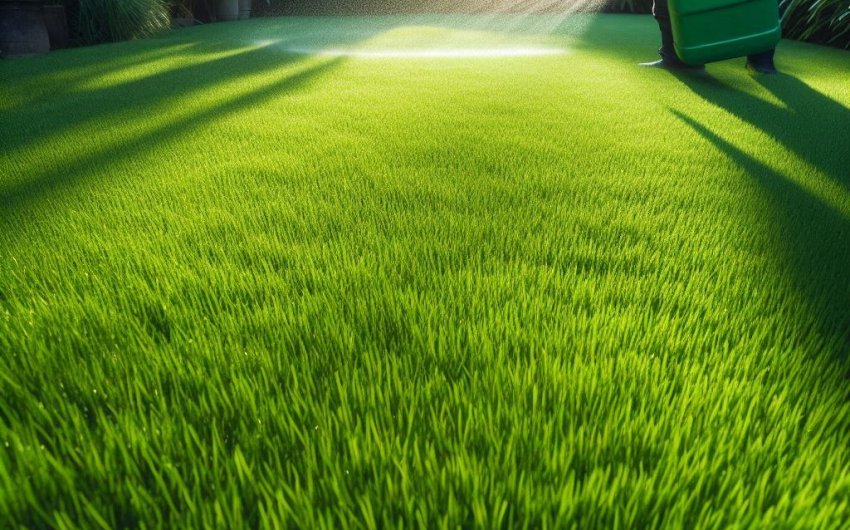
Seeking a resilient and attractive turf for your yard? Understanding the unique characteristics of Zoysia grass can help you cultivate a beautiful and low-maintenance lawn. This comprehensive guide explores the numerous benefits and care tips for a Zoysia grass lawn, providing insights into why this warm-season grass might be the perfect choice for your landscape and how to keep it thriving.
What Are the Main Benefits of Zoysia Grass?
Zoysia grass is a popular warm-season turfgrass known for its ability to create a dense, luxurious, and durable lawn. It offers several distinct advantages that make it an attractive option for many homeowners, especially in warmer climates.
Is Zoysia Grass Drought Tolerant?
One of the most significant benefits of Zoysia grass is its excellent drought tolerance. This is a major advantage in regions experiencing water restrictions or hot, dry summers.
- Deep Root System: Zoysia develops a deep, extensive root system. These deep roots allow the grass to tap into water reserves deeper in the soil, even when the surface is dry. This makes it much more resilient during periods of drought compared to shallow-rooted grass types.
- Dormancy during Drought: When faced with severe or prolonged drought, Zoysia grass has a remarkable ability to go dormant. It will turn a straw-like tan color, conserving its energy and moisture until watering or rainfall returns. Once conditions improve, it typically greens up quickly. This dormancy is a survival mechanism, not a sign of death.
- Water Conservation: Due to its inherent drought tolerance, a Zoysia lawn generally requires significantly less irrigation than many other popular turfgrasses like Tall Fescue or Kentucky Bluegrass. This translates to lower water bills and a reduced environmental footprint.
How Well Does Zoysia Grass Tolerate Heat?
As a warm-season grass, Zoysia grass thrives in hot temperatures. This makes it an ideal choice for the Southern and transition zones of the United States.
- Optimal Growth in Heat: Zoysia performs best when temperatures are consistently warm, typically between 80-95°F (27-35°C). Unlike cool-season grasses that struggle and go dormant in summer heat, Zoysia maintains its vibrant green color and actively grows during the hottest months.
- Resilience to Summer Stress: Its heat tolerance means it's less prone to disease and stress during peak summer heat waves, offering a more consistent and healthy appearance throughout the warmest part of the year.
Is Zoysia Grass Good for High Traffic Areas?
Zoysia grass is renowned for its exceptional wear tolerance, making it an excellent choice for lawns that experience a lot of activity.
- Dense Growth Habit: Zoysia spreads primarily by stolons (above-ground runners) and rhizomes (underground runners), forming a very dense, thick turf. This dense growth creates a strong, resilient mat that can withstand heavy foot traffic, pets, and active play.
- Quick Recovery: Even if compacted or slightly damaged by intense activity, Zoysia has a good capacity for recovery due to its aggressive spreading nature. It can repair bare spots more effectively than many other grasses.
- Ideal for Families and Pets: If you have children, pets, or frequently entertain outdoors, Zoysia's durability means your lawn will maintain its attractive appearance without showing excessive wear and tear.
Does Zoysia Grass Resist Weeds?
The dense growth habit of Zoysia grass provides a natural defense against invading weeds.
- Crowding Out Weeds: As Zoysia establishes and thickens, its dense mat creates a formidable barrier. Weed seeds struggle to find open space to germinate and compete for light and nutrients. This effectively crowds out weeds, reducing the need for herbicides.
- Reduced Herbicide Use: While no lawn is entirely weed-proof, a healthy and dense Zoysia lawn will significantly minimize weed pressure, potentially reducing your reliance on chemical weed control products.
Is Zoysia Grass Low Maintenance?
Compared to many other turfgrasses, Zoysia grass can indeed be considered a low-maintenance option once it is well-established.
- Less Mowing: Zoysia has a slower vertical growth rate than many other grasses. This means you won't need to mow as frequently, saving you time and effort. In peak season, it might need mowing once every 7-10 days, compared to weekly for some other varieties.
- Less Fertilizing: Due to its efficient nutrient uptake and slower growth, Zoysia typically requires less fertilizer than more demanding grass types. Over-fertilizing can even encourage thatch buildup.
- Natural Pest Resistance: Its dense growth and robust nature contribute to a general resistance to common lawn pests, further simplifying care.
What Are the Care Tips for a Zoysia Grass Lawn?
While Zoysia grass is considered low-maintenance, it still requires proper care to establish effectively and maintain its vibrant health and density. Understanding its specific needs will ensure your Zoysia grass lawn thrives.
How Do I Water My Zoysia Grass?
Even with its drought tolerance, proper watering is crucial, especially during establishment and prolonged dry spells.
- Establishment Watering:
- Sod: Keep the sod consistently moist for the first 2-3 weeks, watering lightly several times a day. Gradually reduce frequency but increase duration to encourage deeper root growth.
- Plugs/Sprigs: Water daily for the first few weeks, ensuring the soil around the new growth stays moist.
- Established Lawn Watering:
- Deep and Infrequent: The goal is to encourage deep root growth. Water deeply (enough to moisten the soil 6-8 inches down) but infrequently.
- When to Water: Water when the grass shows signs of stress, such as dull green color, wilting, or footprints remaining on the lawn after walking.
- Amount: Typically, 1 inch of water per week, including rainfall, is sufficient during the growing season. Use a rain gauge to measure natural rainfall.
- Time of Day: Water early in the morning (before 10 AM) to minimize evaporation and allow foliage to dry before nightfall, reducing disease risk.
- Drought Dormancy: If your Zoysia goes dormant (turns tan) during a drought, it is healthy. You can let it stay dormant or provide deep watering every 2-3 weeks to help it stay green, though this is not strictly necessary for its survival.
How Should I Mow My Zoysia Grass?
Mowing plays a significant role in the health and appearance of your Zoysia lawn.
- Mowing Height: Zoysia typically performs best when mowed between 1-2 inches high. A lower height encourages a denser, golf-course like appearance, but might require more frequent mowing.
- Mowing Frequency: Due to its slower growth, Zoysia usually only needs to be mowed every 7-10 days during the peak growing season. This can be less frequent in cooler periods.
- The "One-Third Rule": Never remove more than one-third of the grass blade height at any single mowing. Removing too much at once can stress the grass and lead to scalping.
- Sharp Blades: Always use a sharp lawn mower blade. Dull blades tear the grass, leading to frayed tips that turn brown and make the lawn susceptible to disease. Sharpen your blade every 10-12 hours of mowing.
- Clippings: Leave grass clippings on the lawn if they are small. They return valuable nutrients and organic matter to the soil.
When and How Do I Fertilize Zoysia Grass?
Zoysia grass has relatively modest fertilizer needs compared to other lawn types.
- Soil Test: Before applying any fertilizer, perform a soil test kit to determine your lawn's specific nutrient deficiencies. This prevents over-fertilization, which can harm the grass and lead to thatch buildup.
- Fertilizing Schedule:
- First Application (Late Spring/Early Summer): Once Zoysia has fully greened up and is actively growing (when soil temperatures are consistently above 65°F or 18°C), apply a slow-release lawn fertilizer with a balanced N-P-K ratio (e.g., 16-4-8 or 15-0-15). Aim for about 0.5-1 pound of nitrogen per 1,000 square feet.
- Optional Second Application (Mid-Summer): If your Zoysia lawn is heavily used or you desire a deeper green, a second, lighter application (0.5 lbs nitrogen per 1,000 sq ft) can be done around July. Avoid fertilizing in late summer or fall, as this encourages new growth that can be damaged by winter cold.
- Water In: Always water your lawn thoroughly after fertilizing to help the nutrients reach the soil and prevent burn.
How Do I Manage Thatch and Aerate My Zoysia Lawn?
Thatch is a layer of organic material (dead grass stems, roots, clippings) that accumulates between the soil surface and the green grass blades. While a thin layer is healthy, too much can harm your Zoysia lawn.
- Why Thatch is a Problem:
- Prevents water, air, and nutrients from reaching the soil.
- Harbors pests and diseases.
- Makes the lawn feel spongy and unhealthy.
- Dethatching: Zoysia is prone to thatch buildup due to its dense growth.
- When: Dethatch in late spring or early summer when the grass is actively growing and can quickly recover.
- How: Use a dethatching rake for small areas or rent a power dethatcher for larger lawns. Aim to remove thatch layers thicker than 0.5 inches.
- Aeration: Aeration involves creating small holes in the soil to alleviate compaction and improve the movement of air, water, and nutrients to the root zone.
- When: Aerate in late spring or early summer, similar to dethatching.
- How: Use a core aerator (rentable) that pulls out small plugs of soil. Leave the plugs on the lawn to break down and return nutrients.
- Frequency: Dethatching and aeration might be needed every 1-3 years for Zoysia, depending on thatch buildup and soil compaction.
How Do I Control Weeds in Zoysia Grass?
While Zoysia's density helps suppress weeds, some persistent weeds may still appear.
- Pre-Emergent Herbicides: These chemicals prevent weed seeds from germinating.
- When: Apply in early spring (when soil temperatures reach 50-55°F or 10-13°C) to prevent summer annual weeds. A fall application can help with winter weeds.
- Considerations: Do not apply if you plan to overseed your Zoysia, as it will prevent grass seeds from germinating too.
- Post-Emergent Herbicides: These chemicals kill existing weeds.
- When: Apply when weeds are actively growing.
- Product Selection: Choose a weed killer for Zoysia grass that is safe for warm-season lawns. Always read the label carefully to ensure it won't harm your Zoysia.
- Hand-Weeding: For a few stubborn weeds, hand-pulling is often the safest and most effective method.
- Mowing: Regular, proper mowing height helps suppress weeds by shading them out and preventing them from going to seed.
What Are Common Challenges with Zoysia Grass?
Despite its many advantages, Zoysia grass does come with a few challenges that homeowners should be aware of before choosing it for their lawn. Understanding these can help you manage your Zoysia grass lawn expectations.
Does Zoysia Grass Take a Long Time to Establish?
One of the most notable drawbacks of Zoysia grass is its slow establishment rate, especially when grown from seed.
- Slow Spreading: Zoysia grows and spreads slowly, meaning it takes a considerable amount of time to fully fill in and create that dense turf.
- Methods of Establishment and Their Speed:
- Sod: Provides an instant lawn, but is the most expensive. It still needs proper care for the first few weeks to root in. You might need a sod cutter for initial preparation.
- Plugs: Small pieces of Zoysia grass planted individually. These are more affordable than sod but take 1-2 seasons to fully knit together into a complete lawn.
- Sprigs: Individual stolons (runners) planted in rows. Takes even longer than plugs to establish.
- Seed: Zoysia seed is slow to germinate and establish. It's often not recommended for large areas due to its slow growth and lower success rate compared to vegetative methods. A lawn spreader can help with seed application.
- Patience is Key: If you're looking for an immediate lush lawn, Zoysia might not be the best choice unless you opt for sod. Patience is a virtue when establishing Zoysia.
What About Zoysia Grass and Shade Tolerance?
While Zoysia excels in heat and sun, its shade tolerance is generally moderate to poor compared to some cool-season grasses.
- Prefers Full Sun: Zoysia performs best in areas receiving at least 6-8 hours of direct sunlight per day.
- Thinning in Shade: In heavy shade, Zoysia grass will become thin, sparse, and susceptible to disease. It won't form that desirable dense mat.
- Solutions for Shady Areas:
- Prune Trees: Trim tree limbs to allow more sunlight to reach the lawn.
- Alternative Groundcover: Consider planting shade-tolerant groundcovers, ferns, or other plants in heavily shaded areas where Zoysia won't thrive.
- Shade-Tolerant Varieties: Some newer Zoysia cultivars (like 'Emerald' or 'Palisades') have slightly better shade tolerance than older varieties, but none are truly full-shade grasses.
Does Zoysia Grass Go Dormant in Winter?
Yes, as a warm-season grass, Zoysia grass goes dormant and turns a straw-brown color in cooler temperatures.
- Winter Dormancy: Zoysia will begin to lose its green color and turn tan or brown once soil temperatures consistently drop below 55°F (13°C), typically in late fall. It will remain dormant throughout winter and re-green in spring when temperatures rise.
- Aesthetic Impact: This winter dormancy can be a aesthetic concern for some homeowners who prefer a green lawn year-round.
- Solutions:
- Overseeding: In some cases, homeowners in the transition zone may overseed their Zoysia lawn with a cool-season annual ryegrass in the fall. This provides a temporary green color over the winter, but it requires extra effort and can compete with the Zoysia in spring.
- Winterizer Fertilizers: Some winterizer fertilizers are formulated to help warm-season grasses store nutrients for spring green-up, but they won't prevent dormancy.
Is Zoysia Grass Susceptible to Thatch Buildup?
Yes, due to its dense growth habit and slower decomposition of stolons and rhizomes, Zoysia grass is prone to thatch buildup.
- Understanding Thatch: As discussed previously, thatch is a layer of dead organic material that accumulates above the soil line.
- Consequences: Excessive thatch (over 0.5 inches thick) can create problems:
- Prevents water, nutrients, and air from reaching the roots.
- Harbors pests and diseases.
- Makes the lawn feel spongy and unhealthy.
- Management: Regular dethatching and aeration are essential maintenance practices for a Zoysia lawn to prevent severe thatch issues.
How Do I Transition to a Zoysia Grass Lawn?
If you've decided the benefits and care tips for a Zoysia grass lawn align with your needs, transitioning your existing lawn to Zoysia requires careful planning and execution.
Preparation: Clearing the Existing Lawn
The most effective way to establish a Zoysia lawn is to start with a clean slate.
- Kill Existing Grass:
- Non-Selective Herbicide: For warm-season grasses, a non-selective herbicide like glyphosate (e.g., Roundup) can be applied. Follow product instructions carefully. This typically requires several weeks and possibly multiple applications.
- Solarization: Cover the area with clear plastic sheeting for 6-8 weeks during the hottest part of summer. This uses solar heat to kill existing vegetation and weed seeds.
- Manual Removal: For small areas, you can simply dig up the old turf using a sod cutter or shovel.
- Clear Debris: Remove all dead grass, weeds, rocks, and other debris from the area.
- Soil Amendments (Optional but Recommended):
- Soil Test: Perform a soil test kit to determine your soil's pH and nutrient levels. Zoysia prefers a soil pH between 6.0 and 7.0.
- Amendments: Based on your soil test, incorporate necessary amendments like compost (to improve soil structure and nutrients) or lime/sulfur (to adjust pH) into the top 4-6 inches of soil. A roto-tiller can help with this.
- Grade the Area: Ensure the area is level and graded correctly to provide proper drainage away from your house or structures.
- Final Raking: Rake the area smooth, removing any remaining clumps or debris, preparing a fine, firm seedbed.
Installation Methods: Sod, Plugs, or Seed
The method you choose will impact establishment time and cost.
Installing Zoysia Sod
- Best Time: Late spring to early summer (when Zoysia is actively growing).
- Process:
- Order fresh Zoysia sod from a reputable supplier. Have it delivered on the day you plan to install.
- Lay the sod strips tightly against each other, staggering the seams like bricks.
- Use a sharp utility knife or sod cutter to trim edges and fit around obstacles.
- Roll the sod with a sod roller to ensure good contact between the sod and the prepared soil.
- Watering: Water immediately after installation and keep consistently moist (several times a day for short periods) for the first 2-3 weeks until the sod roots into the soil. Gradually reduce frequency as it establishes.
Planting Zoysia Plugs
- Best Time: Late spring to mid-summer.
- Process:
- Obtain Zoysia plugs (often sold in trays).
- Dig holes (using a plug planter or hand trowel) 6-12 inches apart in a grid pattern.
- Plant each plug, ensuring the top of the plug is level with the soil surface.
- Gently press soil around each plug to ensure good soil-to-root contact.
- Watering: Water thoroughly immediately after planting and keep the plugs consistently moist until they start to spread. This can be daily for the first few weeks.
- Filling In: Plugs will spread and fill in over 1-2 growing seasons.
Seeding Zoysia Grass
- Best Time: Late spring to early summer (when soil temperatures are consistently 65°F (18°C) or higher).
- Process:
- Purchase high-quality Zoysia grass seed.
- Spread the seed evenly using a broadcast spreader at the recommended rate.
- Lightly rake the seeds into the top 1/8 to 1/4 inch of soil.
- Roll the area lightly to ensure good seed-to-soil contact.
- Cover with a light layer of straw mulch to help retain moisture and deter birds (optional).
- Watering: This is the most critical step for seeded Zoysia. Keep the seedbed consistently moist until germination and for several weeks after. This means light watering 2-4 times a day.
- Patience: Germination can take 2-3 weeks, and full establishment can take 1-2 years.
How Do I Deal with Winter Dormancy in My Zoysia Lawn?
The winter dormancy of Zoysia grass is a natural process, but it can be a concern for homeowners who prefer a green lawn year-round. Understanding how to manage it and your options is important for care tips for a Zoysia grass lawn.
Understanding Dormancy
- Natural Process: Zoysia grass, being a warm-season grass, enters a dormant state when soil temperatures drop below approximately 55°F (13°C). This is a survival mechanism, not a sign of the grass dying.
- Color Change: During dormancy, the chlorophyll (green pigment) breaks down, and the grass blades turn a straw-like tan or brown color.
- Duration: Dormancy typically lasts from late fall through early spring, depending on your climate zone. The colder the winter, the longer the dormancy period.
- Resilience: Even though it's brown, the roots are still alive and healthy, waiting for warmer temperatures to resume growth.
Management During Dormancy
- Minimal Watering: Unless you're experiencing a prolonged winter drought, dormant Zoysia needs very little to no watering. Overwatering dormant grass can lead to disease problems.
- No Fertilizing: Do not fertilize dormant Zoysia. It won't use the nutrients, and it can actually cause damage or encourage winter weeds.
- Limited Traffic: While Zoysia is wear-tolerant when actively growing, try to limit heavy foot traffic on dormant grass. The brown blades are more brittle and can break, leading to damaged spots that might be slow to green up in spring.
- Weed Control (If Necessary): If winter annual weeds appear in your dormant Zoysia, you can hand-pull them or use a targeted post-emergent herbicide that is safe for dormant Zoysia grass.
Options for Winter Color
For those who strongly prefer a green lawn year-round, especially in the transition zone, there are two primary options.
Overseeding with Annual Ryegrass
- Process:
- Timing: Wait until your Zoysia has gone fully dormant and turned brown in the fall.
- Preparation: Lightly mow the dormant Zoysia. You can lightly rake or dethatch to expose some soil, but don't aggressively disturb the Zoysia roots.
- Seed: Broadcast annual ryegrass seed evenly over your dormant Zoysia lawn at the recommended rate. Annual ryegrass germinates quickly.
- Water: Keep the seedbed moist until germination and for several weeks after.
- Benefits: Provides a green lawn throughout the winter months.
- Drawbacks:
- Extra Work: Requires additional mowing, watering, and potentially fertilizing for the ryegrass.
- Competition: As spring approaches, the ryegrass will compete with the emerging Zoysia. This competition can sometimes delay the Zoysia's spring green-up or thin it out.
- Spring Transition: The ryegrass will eventually die out in late spring as temperatures rise, often leaving an uneven looking lawn during the transition period. Some people spray a light dose of glyphosate in early spring to kill off the ryegrass and allow the Zoysia to take over cleanly.
Lawn Painting/Turf Colorant
- Process:
- Purchase a lawn paint or turf colorant designed for dormant grass.
- Mix with water according to instructions and apply with a pump sprayer onto the brown, dormant Zoysia.
- Benefits: Provides an immediate, uniform green color without affecting the grass's health. Non-toxic and safe for pets.
- Drawbacks:
- Temporary: The color will last for a few weeks to a couple of months depending on the product and weather, then may fade, requiring reapplication.
- Appearance: While effective, some people find the painted look less natural than living grass.
- Cost: Requires purchasing the product and applying it.
Understanding these benefits and care tips for a Zoysia grass lawn will help you decide if it's the right choice for your landscape and enable you to maintain its beauty and resilience throughout the seasons.