
How to Grow and Maintain a Clover Lawn?
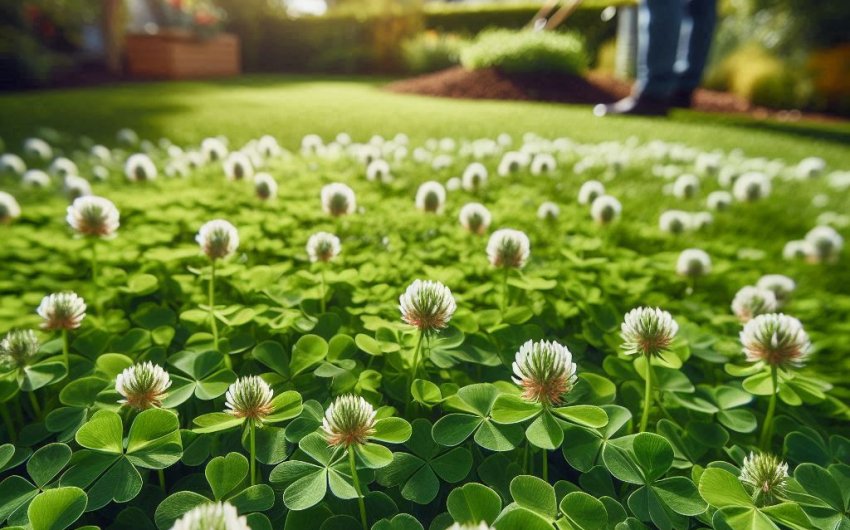
Learning how to grow and maintain a clover lawn offers an appealing alternative to traditional turfgrass, providing a low-maintenance, eco-friendly, and drought-tolerant ground cover. This often-overlooked plant can create a beautiful, lush green carpet that benefits both your landscape and local pollinators. Understanding the right varieties, planting techniques, and ongoing care will pave the way for a successful and thriving clover lawn.
Why Choose a Clover Lawn Over Traditional Grass?
Opting for a clover lawn instead of traditional turfgrass provides numerous environmental and practical advantages. Many homeowners are discovering that clover can be a more sustainable, resilient, and lower-maintenance alternative for their yard.
Environmental Benefits
- Nitrogen Fixation:
- Self-Fertilizing: Clover is a legume, meaning it has a symbiotic relationship with beneficial bacteria in its roots that can take nitrogen from the air and convert it into a usable form in the soil. This process is called nitrogen fixation.
- Reduced Fertilization Needs: Because clover essentially fertilizes itself and the surrounding soil, a pure clover lawn (or a lawn with a high percentage of clover) rarely needs supplemental nitrogen fertilizer. This saves money and reduces nutrient runoff into waterways.
- Pollinator Support:
- Bee-Friendly: Clover flowers are a significant nectar and pollen source for bees, including honeybees and native solitary bees, as well as other beneficial insects.
- Biodiversity: Choosing clover contributes to local biodiversity and supports declining pollinator populations, which are vital for our ecosystem.
- Drought Tolerance:
- Deep Roots: Many clover varieties, particularly white clover, develop deeper root systems than common lawn grasses.
- Less Watering: This allows them to tap into deeper soil moisture, making clover lawns more drought-tolerant and requiring significantly less watering than traditional grass, especially during dry spells. This can lead to substantial water bill savings.
- Weed Suppression:
- Dense Growth: Clover grows densely and spreads vigorously, outcompeting many common broadleaf weeds for space, water, and nutrients.
- Reduced Herbicides: This dense growth often means less need for herbicides, contributing to a healthier environment.
Low Maintenance Advantages
- Reduced Mowing:
- Lower Growth Habit: Most clover varieties used for lawns (especially microclover) have a much lower growth habit than grass.
- Less Frequent Mowing: This translates to less frequent mowing – sometimes only a few times a year, or even not at all if you prefer a natural, flowering look.
- No Fertilization (or Minimal):
- As mentioned with nitrogen fixation, clover largely takes care of its own fertility, eliminating the need for expensive and time-consuming fertilizer applications.
- Green Color Retention:
- Year-Round Green: Clover tends to stay green throughout drier periods and summer heat when traditional grass lawns often turn brown. Its deeper roots help it maintain its color longer.
- Improved Winter Color (in mixes): In temperate climates, clover can retain some green color into winter, or at least recover quickly in spring, providing a more consistent green appearance.
- Pest Resistance:
- Clover is generally less susceptible to many common lawn pests and diseases that plague traditional monoculture grass lawns, reducing the need for pesticides.
Other Benefits
- Soft Underfoot: Clover creates a soft, cushiony surface that is pleasant to walk on barefoot.
- Aesthetic Appeal: With its small, round leaves and delicate flowers, a clover lawn offers a unique, natural, and charming aesthetic.
While clover offers many benefits, it's important to be aware that pure clover lawns may not withstand heavy foot traffic as well as some robust grass types, and the flowers can attract bees, which is a consideration for those with bee allergies. However, for many, the advantages of a clover lawn far outweigh these minor drawbacks.
What Are the Best Clover Varieties for Lawns?
Selecting the right clover variety is crucial for successfully growing and maintaining a clover lawn. Different types of clover have distinct characteristics regarding growth habit, hardiness, and flowering, making them suitable for various lawn needs.
1. White Clover (Trifolium repens)
This is the most common and widely used clover for lawns, often simply referred to as "Dutch White Clover."
- Growth Habit: Spreading, low-growing, forms a dense mat.
- Leaves: Small, round, typically with the classic three leaflets (though four-leaf clovers are rare mutations).
- Flowers: Produces small white flowers, especially in spring and summer, which are highly attractive to bees.
- Hardiness: Very cold hardy (down to USDA Zone 3), tolerant of various soil types, and moderately drought tolerant.
- Uses:
- Full Clover Lawn: Can be planted as a pure clover lawn for low-maintenance areas.
- Grass Mixes: Often included in grass seed mixes (typically 5-10% by weight) to provide nitrogen fixation and improve turf resilience.
- Considerations:
- Flowers attract bees: This is a major benefit for pollinators, but can be a concern for those with bee allergies, especially in high-traffic areas where people walk barefoot.
- Slipperiness: Can be a bit slippery when wet.
- Spreading: Spreads vigorously by stolons (above-ground runners), which can lead to it outcompeting slower-growing grass types if not managed.
2. Microclover (Trifolium repens var. microphyllum)
Microclover is a specific cultivar of white clover that has been bred for desirable lawn characteristics.
- Growth Habit: Even lower-growing and more compact than standard white clover. It spreads densely.
- Leaves: Smaller leaves (about 1/3 to 1/2 the size of traditional white clover), which gives the lawn a finer texture.
- Flowers: Produces fewer flowers than standard white clover, and the flowers it does produce are often smaller and less prominent. This makes it less attractive to bees than regular white clover, which can be a pro or con depending on your priorities.
- Hardiness: Similar hardiness to white clover.
- Uses:
- Pure Microclover Lawn: Excellent for a dense, uniform, low-mow lawn.
- Grass Mixes: Integrates very well into grass seed mixes because its smaller leaves and lower growth blend more seamlessly with turfgrass, making it less conspicuous than standard white clover. It's often marketed as a "lawn alternative" or "low-maintenance lawn mix."
- Considerations:
- Cost: Generally more expensive than standard white clover seed.
- Availability: May be less readily available than standard white clover. You can often find microclover seeds from specialized seed suppliers.
3. Red Clover (Trifolium pratense)
Less commonly used for lawns due to its taller growth, but worth noting for specific applications.
- Growth Habit: Taller, more upright growth than white clover, typically reaching 1-2 feet.
- Flowers: Produces larger, purplish-red flowers.
- Hardiness: Perennial but often treated as a biennial or short-lived perennial.
- Uses:
- Cover Crop: Primarily used as a cover crop in vegetable gardens to improve soil fertility and suppress weeds.
- Forage Crop: Important forage for livestock.
- Pollinator Gardens: Excellent for attracting pollinators.
- Considerations:
- Not Ideal for Lawns: Its height and coarser texture make it unsuitable for a manicured lawn. If you want a more "wildflower meadow" look, it could be mixed in, but not as a primary lawn species.
Summary of Best Choices for Lawns
- For a pure clover lawn or prominent clover in a mix: White Clover (especially Dutch White Clover)
- For a fine-textured, low-mow lawn that blends well with grass and has fewer flowers: Microclover
When purchasing seeds, ensure you are buying inoculated clover seeds. Inoculation means the seeds have been treated with the specific Rhizobium bacteria necessary for nitrogen fixation. This ensures your clover can start "making its own fertilizer" right away. You can find inoculated clover seeds online or at garden centers.
How Do You Prepare the Soil for a Clover Lawn?
Proper soil preparation for a clover lawn is crucial for ensuring successful germination and long-term establishment. Just like traditional grass, clover needs a good foundation, even though it's less demanding once established.
1. Test Your Soil
- Why: A soil test provides vital information about your soil's current nutrient levels and pH. While clover is adaptable, knowing your soil's baseline helps address any significant deficiencies.
- pH Preference: Clover prefers a slightly acidic to neutral pH, typically between 6.0 and 7.0.
- How: You can purchase a home soil test kit for a general reading, or send a sample to your local cooperative extension office for a more detailed analysis and recommendations.
2. Clear the Area
- Remove Existing Vegetation: This is the most labor-intensive step, especially if you're converting an existing lawn.
- Method 1 (Non-Chemical - Preferred):
- Solarization: Cover the area with clear plastic sheeting for 6-8 weeks during the hottest part of summer. The sun's heat will "cook" and kill existing grass and weed seeds.
- Smothering/Sheet Mulching: Cover the area with layers of cardboard, newspaper, and compost. This suppresses weeds and slowly builds soil. This takes longer (several months).
- Digging/Tilling: Physically dig out or till the existing grass and weeds. Ensure you remove as many roots as possible to prevent regrowth.
- Method 2 (Chemical - Use with Caution):
- If absolutely necessary for tough perennial weeds, a non-selective herbicide like glyphosate can be used. Follow product instructions carefully and allow the recommended time before planting. This is less eco-friendly and generally not recommended for a "natural" clover lawn.
- Method 1 (Non-Chemical - Preferred):
- Remove Debris: Clear any rocks, sticks, or other large debris from the area.
3. Improve Soil Drainage and Structure
- Organic Matter is Key: Clover thrives in well-draining soil. If you have heavy clay soil, it's essential to incorporate ample organic matter.
- Add Compost: Spread a 2-4 inch layer of well-rotted compost over the entire area.
- Other Amendments: You can also use aged manure, leaf mold, or other quality organic materials.
- Incorporate Amendments: Use a garden fork or a tiller to incorporate the organic matter into the top 4-6 inches of existing soil. This loosens compacted soil, improves drainage, and adds initial nutrients.
- Leveling: Rake the area smooth and level. Remove any remaining clumps or large debris. A lawn roller can be used lightly to create a firm, even seedbed.
4. Adjust Soil pH (If Necessary)
- Based on Soil Test: If your soil test indicates a pH outside the optimal 6.0-7.0 range:
- Too Acidic (low pH): Apply agricultural lime according to soil test recommendations to raise the pH.
- Too Alkaline (high pH): Add elemental sulfur or peat moss to lower the pH.
- Timing: Make pH adjustments several weeks or even months before planting to allow them to take effect.
By meticulously preparing the soil, you create an inviting and nurturing environment, greatly increasing your chances of successfully learning how to grow and maintain a clover lawn.
When Is the Best Time to Plant a Clover Lawn?
Choosing the optimal time to plant a clover lawn significantly impacts its establishment and long-term success. Like traditional grass, clover has preferred temperature ranges for germination and initial growth.
Ideal Planting Times
The best times to plant clover are when temperatures are moderate, and there's adequate moisture, allowing the seeds to germinate and establish strong roots before extreme weather hits.
- Early Spring:
- Timing: As soon as the danger of hard frost has passed and the soil begins to warm up, typically late March to early May in most temperate zones.
- Benefits: This allows the clover to establish itself before the intense heat of summer. Spring rains often provide natural moisture for germination.
- Considerations: Can face competition from fast-growing spring weeds.
- Late Summer to Early Fall:
- Timing: Late August to October, when daytime temperatures begin to cool down but before the first hard frost.
- Benefits: This is often considered the absolute best time for planting clover (and grass).
- Warm Soil: Soil is still warm from summer, which aids germination.
- Cooling Air: Air temperatures are cooler, reducing stress on young seedlings.
- Increased Moisture: Fall rains are typically more reliable.
- Less Weed Competition: Many aggressive summer annual weeds are finishing their life cycle.
- Considerations: Need enough time for the clover to establish a strong root system before winter dormancy. Aim for at least 4-6 weeks of growth before consistent freezing temperatures.
Factors Influencing Timing
- Soil Temperature: Clover seeds germinate best when soil temperatures are consistently between 55°F and 75°F (13°C and 24°C).
- Moisture Availability: Adequate moisture is crucial for germination. Planting before a period of consistent rainfall or having access to irrigation is important.
- Weed Pressure: Planting when weed pressure is naturally lower (e.g., late summer/early fall) can reduce competition for your new clover.
- Climate Zone: Always consider your specific USDA Plant Hardiness Zone and local climate patterns. For very cold northern climates, spring planting might be the primary option to ensure winter survival. In milder southern climates, planting windows might be longer or shifted later into fall.
When to Avoid Planting
- Mid-Summer: Avoid planting clover in the peak of summer. High temperatures combined with intense sun can quickly dry out young seedlings, making establishment difficult and requiring excessive watering.
- Late Fall/Winter: Planting too late in the fall, just before hard freezes, won't give the clover enough time to establish roots. This can lead to winter kill or poor spring emergence.
By carefully selecting your planting window, you give your clover the optimal conditions for successful germination and robust growth, putting you on the path to understand how to grow and maintain a clover lawn.
How Do You Plant Clover Seeds for a Lawn?
Successfully planting clover seeds for a lawn involves a few straightforward steps to ensure good germination and a dense, uniform stand. This process is similar whether you're planting a pure clover lawn or overseeding clover into an existing grass lawn.
Seeding Rate
- Pure Clover Lawn:
- White Clover: Approximately 1/2 to 1 lb per 1,000 sq ft (0.23 to 0.45 kg per 93 sq m).
- Microclover: Due to its smaller seed size and dense growth, use less: approximately 1/4 to 1/2 lb per 1,000 sq ft (0.11 to 0.23 kg per 93 sq m).
- Overseeding into Grass Lawn (as a mix):
- Use a lighter rate, about 1/4 lb per 1,000 sq ft (0.11 kg per 93 sq m) for white clover, and even less for microclover.
- Key: Avoid over-seeding, as this can lead to overcrowding and weaker plants.
Steps for Planting Clover Seeds
Prepare the Seedbed (As detailed in the "Soil Preparation" section):
- Ensure the area is cleared of existing vegetation, leveled, and the soil has been amended with organic matter. The soil should be finely raked to create a smooth, firm seedbed.
- For overseeding into an existing lawn:
- Mow the grass short (around 1.5-2 inches).
- Dethatch the lawn if you have a thick thatch layer (over ½ inch).
- Aeration is highly recommended, as the holes provide ideal pockets for clover seeds to fall into and ensure good seed-to-soil contact. You can use a core aerator for this.
- Lightly rake any bare spots to loosen the soil surface.
Inoculate Seeds (If Not Pre-Inoculated):
- Most reputable clover seeds come pre-inoculated. If yours aren't, you'll need to purchase a specific Rhizobium leguminosarum inoculant and mix it with your seeds just before planting. Follow package instructions carefully. This beneficial bacteria is essential for nitrogen fixation.
Spread the Seeds:
- Even Distribution: Use a handheld broadcast spreader or a walk-behind spreader for larger areas to ensure even distribution.
- Small Seeds: Clover seeds are small. To help with even spreading, you can mix the seeds with some sand or fine topsoil before putting them in the spreader.
- Criss-Cross Pattern: For best coverage, spread half the seeds walking in one direction (e.g., north-south), and the other half walking perpendicularly (e.g., east-west).
Ensure Seed-to-Soil Contact:
- Light Raking: After spreading, gently rake the seeds into the top 1/8 to 1/4 inch of soil. You want the seeds to be in contact with the soil, but not buried too deeply.
- Light Rolling (Optional): For large areas, you can use a light lawn roller to gently press the seeds into the soil, but this is less critical than for grass seeds.
Water Gently and Consistently:
- Crucial Step: This is the most important factor for germination. Water immediately after seeding with a very fine spray.
- Keep Moist: The top inch of soil must remain consistently moist (but not soggy) until the seeds germinate and the seedlings are established (typically 2-3 weeks). This may mean light watering 1-3 times a day, especially in warm, dry weather. Avoid heavy watering that could wash away seeds.
- After Germination: Once seedlings emerge, gradually reduce the frequency of watering and increase the depth to encourage deeper root growth.
Protect from Birds (Optional):
- Birds love seeds. A very thin layer of straw (weed-free, such as straw erosion control blankets) can help hide seeds from birds and also retain moisture. Remove it once seedlings emerge.
What to Expect After Planting
- Germination Time: Clover seeds typically germinate in 7-14 days under ideal conditions.
- Establishment: The young clover will be delicate at first. Avoid heavy foot traffic on the newly seeded area for at least 4-6 weeks.
- First Mow: If you are overseeding into grass, wait until the new clover is well established (several inches tall) before the first mow. Set your mower height higher than usual.
By meticulously following these steps for planting, you set the stage for successfully learning how to grow and maintain a clover lawn.
How Do You Maintain a Clover Lawn?
Maintaining a clover lawn is significantly less demanding than a traditional turfgrass lawn, fulfilling its promise of being low-maintenance. However, it still benefits from some basic care to ensure it remains healthy, dense, and attractive.
1. Watering
- Establishment Phase: As mentioned in planting, consistent light watering is crucial for the first 2-3 weeks until seedlings are established.
- Mature Lawn: Once established, clover is much more drought-tolerant than most grasses.
- Less Frequent Watering: You will likely need to water a pure clover lawn much less frequently – sometimes only during extended dry spells.
- Deep Watering: When you do water, water deeply to encourage deep root growth.
- Observational Watering: Water when the clover starts to look stressed (e.g., wilting slightly) rather than on a fixed schedule.
2. Mowing
- Frequency: This is where clover truly shines in terms of low maintenance.
- Pure Clover Lawn: If you prefer the natural, flowering look, you can choose not to mow at all! The clover will naturally stay relatively low. If you prefer a tidier look or want to encourage bushier growth and more flowers later, mow once a month or every few weeks.
- Clover-Grass Mix: If clover is mixed with grass, you'll mow more frequently, but you can set your mower height higher (3-4 inches). Mowing removes flowers, which can be desirable for those concerned about bees, but will reduce pollinator activity.
- Mower Setting: Always set your mower to its highest setting (3-4 inches). Mowing too short can stress clover and reduce its vigor.
3. Fertilizing
- Rarely Needed: Due to its nitrogen-fixing capabilities, a clover lawn (especially pure clover) rarely, if ever, needs supplemental nitrogen fertilizer. This is a huge cost and labor saver.
- Phosphorus/Potassium: A soil test might indicate a need for phosphorus or potassium every few years, but this is uncommon. If needed, choose a fertilizer with little to no nitrogen (e.g., 0-10-10).
4. Weed Control
- Natural Suppression: A dense, healthy clover lawn is excellent at outcompeting many broadleaf weeds naturally.
- Problem Weeds: If aggressive perennial weeds (like dandelions or thistle) do appear:
- Hand-pulling: This is the preferred method for isolated weeds. Remove them quickly before they establish.
- Herbicides (Use with Extreme Caution): Most broadleaf herbicides designed for grass lawns will kill clover. If you must use a herbicide, identify the specific weed and choose a spot treatment that won't harm clover, which can be challenging to find. Generally, avoid herbicides on a clover lawn.
5. Pest and Disease Management
- Generally Resistant: Clover is less susceptible to many common lawn pests and diseases that affect grass.
- Monitoring: Keep an eye out for any unusual yellowing, spots, or insect activity. Address issues promptly if they arise, opting for organic pest control methods when possible (e.g., neem oil spray).
6. Overseeding (Optional)
- Maintain Density: Over time, especially in high-traffic areas or after a particularly harsh winter, patches of clover might thin out.
- Rejuvenate: Overseed with more clover seeds (at the recommended overseeding rate) in spring or early fall to maintain density and fill in any bare spots.
7. Managing Clover Bloom and Bees
- Embrace Flowers: For the most ecological benefits, embrace the beautiful white flowers and the bees they attract.
- Mowing to Reduce Flowers: If you are concerned about bee stings in high-traffic areas (e.g., where children or pets play barefoot), you can mow the lawn more frequently (every 1-2 weeks) during peak bloom to keep the flowers cut down. Mow just before you plan to use the area. Be aware this will reduce the pollinator benefits.
- Footwear: Wear shoes when walking on flowering clover.
By understanding these straightforward maintenance practices, you'll find that learning how to grow and maintain a clover lawn is a rewarding step towards a beautiful, sustainable, and less demanding landscape.