
How to Care for a Lawn in Areas with Frequent Frost?
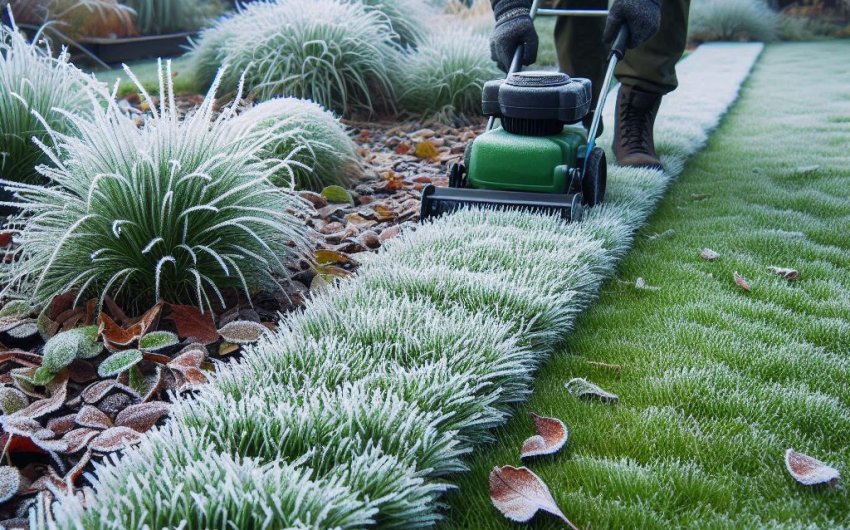
Maintaining a healthy, vibrant lawn can be a challenge in any climate, but when winter brings the regular threat of freezing temperatures, the task becomes even more complex. Frost can stress turf grass, leading to discoloration, damage, and vulnerability to disease. If you're seeking to understand how to care for a lawn in areas with frequent frost, you're in the right place. This comprehensive guide will illuminate the specific strategies and essential seasonal preparations needed to protect your turf, ensure its winter survival, and promote a vigorous spring rebound, allowing your lawn to emerge green and healthy even after a harsh, frosty season.
How does frost actually damage a lawn?
Understanding the mechanism of frost damage is crucial for effective prevention and recovery strategies when learning how to care for a lawn in areas with frequent frost. It's not just about the cold.
What happens to grass blades during a frost?
Frost damage occurs when the temperature of grass blades drops to 32°F (0°C) or below, causing water within the plant cells to freeze.
- Ice Crystal Formation: When water freezes inside plant cells, it expands, forming sharp ice crystals. These crystals can puncture cell walls, damaging the cellular structure.
- Dehydration: As water freezes in the cells, it draws moisture out of the surrounding cells, leading to cellular dehydration. This is similar to what happens during drought.
- Cell Collapse: Once the cells are damaged or dehydrated, they lose their turgor (internal pressure), causing the grass blades to wilt, turn translucent, and eventually turn brown or black.
- Discoloration: The classic brown or purple discoloration after a frost is a sign of this cellular damage and pigment breakdown.
- Vulnerability: Frost-damaged grass is weakened and becomes more susceptible to disease, fungal infections (like snow mold), and further stress.
What's the difference between light frost and hard freeze?
- Light Frost: Occurs when temperatures dip briefly to just below freezing (32°F / 0°C) for a few hours, typically overnight. It causes cosmetic damage to the leaf tips and can stunt growth, but usually, the grass recovers quickly if the crown and roots are unharmed.
- Hard Freeze: Occurs when temperatures drop well below freezing (e.g., 28°F / -2°C or lower) for an extended period (several hours). This causes more extensive damage, often killing the entire grass blade down to the crown and potentially harming shallow roots.
Does frost kill grass permanently?
Generally, no. For most common turf grass varieties (especially cool-season grasses in temperate zones), frost causes dormancy and superficial damage to the blades, but the grass crowns (the growing point at the base of the blade) and roots typically survive. The grass will green up again in spring. However, repeated severe hard freezes, or early hard freezes when grass is not yet properly hardened off, can cause more significant damage or even kill some grass types not adapted to cold. Warm-season grasses, being less cold-tolerant, are more prone to injury or dormancy in frosty conditions.
What type of grass is best for frosty areas?
Choosing the right grass type is the most fundamental step in how to care for a lawn in areas with frequent frost. Different grass species have varying levels of cold tolerance.
What are cool-season grasses and their benefits in frost?
Cool-season grasses are perfectly adapted to regions with cold winters and hot summers. They actively grow in cooler temperatures (60-75°F / 15-24°C) and go dormant in extreme heat or cold.
- Examples:
- Kentucky Bluegrass: Excellent cold hardiness, beautiful dark green color, and self-repairing due to rhizomes. It goes dormant in severe cold but greens up quickly.
- Tall Fescue: Very durable, deep roots provide good drought tolerance, and it handles cold well.
- Perennial Ryegrass: Quick to germinate, good wear tolerance, and good cold tolerance. Often used in mixes with Kentucky Bluegrass.
- Fine Fescue (Creeping Red Fescue, Chewings Fescue, Hard Fescue): Good for shady, dry, and cold areas, but less tolerant of traffic.
- Benefits in Frosty Areas:
- Dormancy: They naturally enter dormancy, a survival mechanism where growth slows or stops, and they conserve energy, allowing them to withstand freezing temperatures.
- Crown Survival: Their crowns and root systems are generally very cold-hardy.
- Early Spring Green-up: They are among the first to green up when spring temperatures arrive.
What are warm-season grasses and their limitations in frost?
Warm-season grasses thrive in hot summer temperatures (80-95°F / 27-35°C) and go dormant and turn brown when temperatures consistently drop below 50-55°F (10-13°C), making them less suitable for areas with frequent hard frosts.
- Examples: Bermuda Grass, Zoysia Grass, St. Augustine Grass, Centipede Grass.
- Limitations in Frosty Areas:
- Dormancy: They go completely brown and dormant with the first significant frost, remaining so until spring.
- Frost Injury: While dormant, a hard freeze can still damage crowns or rhizomes, potentially leading to slow spring green-up or even patches dying.
- Transition Zones: In "transition zones" (areas where both cool and warm seasons can grow), homeowners often struggle to decide. Many will overseed warm-season lawns with cool-season ryegrass in fall to maintain green color through winter, a practice called "winter overseeding."
Can I mix grass types for better frost tolerance?
Yes, many grass seed blends for cold climates combine different cool-season varieties to leverage their individual strengths (e.g., Kentucky Bluegrass for color and self-repair, Perennial Ryegrass for fast germination and wear tolerance, Fescue for shade or drought tolerance). This creates a more resilient and adaptable lawn.
How do I prepare my lawn for winter in frosty regions?
Proper fall preparation is the single most important factor in how to care for a lawn in areas with frequent frost. These steps build resilience before the cold sets in.
What is the final mowing height before winter?
- Cool-Season Grasses: Gradually lower your mowing height over a few weeks, aiming for 2-2.5 inches (5-6 cm) for the final cut before winter dormancy.
- Benefits: This prevents the blades from matting down under snow, which can lead to snow mold. It also reduces the amount of leaf tissue susceptible to freezing.
- Warm-Season Grasses: Mow warm-season grasses slightly lower (around 1.5-2 inches) for the final cut before dormancy.
How important is late-season fertilization?
A late-season, slow-release fertilizer application is crucial for cool-season grasses to build winter hardiness and promote a strong spring green-up.
- Timing: Apply a winterizer lawn fertilizer in late fall (October-November for many regions), after active top growth has stopped but before the ground freezes solid.
- Type: Look for a "winterizer" fertilizer, which is typically higher in potassium (K) and often has some nitrogen (N) in a slow-release form. Potassium improves the plant's cold tolerance and strengthens cell walls.
- Warm-Season Grasses: Generally, warm-season grasses should not be fertilized in late fall as it can stimulate new growth that is easily damaged by frost. Their last fertilization is usually in late summer.
Why is clearing leaves important before frost?
- Prevent smothering: A thick layer of fallen leaves can smother your grass, blocking sunlight and air circulation.
- Reduce disease risk: Trapped moisture under leaves creates a perfect breeding ground for fungal diseases like snow mold, which thrive in cool, damp conditions under snow cover.
- Promote decomposition: If you choose to mulch leaves with your mower, ensure they are finely shredded and evenly distributed, allowing them to decompose and return nutrients to the soil. Otherwise, rake them completely.
How does aeration help prevent frost damage?
- Improved drainage: Aeration alleviates soil compaction, allowing water to drain more efficiently. This prevents water from sitting on the surface and freezing around grass crowns, which can cause "ice lensing" and damage.
- Deeper roots: Healthy, well-aerated soil encourages deeper root growth, making the grass more resilient to environmental stresses, including cold.
- Nutrient uptake: Helps the grass absorb the critical potassium from your winterizer fertilizer.
- Timing: Aerate in early fall for cool-season grasses.
What special considerations are there during frosty periods?
Once frost hits, your care routine changes significantly. Knowing how to care for a lawn in areas with frequent frost means understanding what to do and, more importantly, what not to do.
Should I walk on a frosted lawn?
Absolutely avoid walking on a frosted lawn! This is one of the most important rules for winter lawn care.
- Damage: When grass blades are frozen, they become brittle. Walking on them can cause the ice crystals within the cells to shatter, permanently damaging the cell walls.
- Appearance: This damage often results in visible brown or black footprints that can persist until spring.
- Timing: Wait until the frost has completely melted before walking on the lawn.
Should I water my lawn in winter?
Even in frosty areas, your lawn might need occasional winter watering, especially cool-season grasses or if the ground isn't consistently frozen.
- Dormant but not dead: Cool-season grasses are dormant, but their crowns and roots still need some moisture to survive.
- When to water:
- If you have a prolonged dry spell during winter with no snow cover and temperatures are above freezing for several days (e.g., 40°F / 4°C or above).
- If the ground is not frozen solid.
- How to water: Water lightly in the morning on a day above freezing, allowing the water to soak in before nightfall when temperatures drop again. This prevents ice formation.
- Warm-season grasses: These generally need less winter watering once fully dormant, as they are more sensitive to cold, wet conditions.
Is it okay to drive on a frozen lawn?
No, driving on a frozen lawn is even more damaging than walking. Vehicle weight can cause severe compaction and structural damage to the frozen turf. Avoid parking or driving on your lawn whenever the ground is frozen.
What about snow cover?
Snow cover can actually be beneficial for your lawn in frosty areas.
- Insulation: A blanket of snow acts as an insulator, protecting the grass crowns and roots from extreme cold and drying winds.
- Moisture: As snow melts, it provides a slow release of moisture to the soil.
- Disease risk: However, a prolonged, deep snow cover in unfrozen or wet conditions can sometimes lead to fungal diseases like snow mold, especially if the lawn was not properly mowed and cleared of leaves in fall.
How do I help my lawn recover from winter frost?
Even with the best preparations, winter can be tough. How to care for a lawn in areas with frequent frost also includes strategies for a strong spring recovery.
What are the first steps in spring?
- Inspect for damage: Once the snow melts and temperatures rise, carefully inspect your lawn for any thinning, brown patches, or signs of snow mold.
- Gentle raking: Lightly rake over the entire lawn with a leaf rake to remove any remaining debris or matted grass. This also helps break up mild compaction and allows air circulation.
- Address snow mold: If you see circular matted patches that may have white, pink, or gray fungal growth, you likely have snow mold. Rake these areas gently to break up the mycelial mat and promote drying. Fungicides are rarely needed as the disease usually disappears as temperatures rise.
Should I fertilize in early spring?
- Cool-Season Grasses: A light fertilization in early spring (as growth begins) can help cool-season grasses recover and green up. However, the most important feeding is the fall "winterizer" application.
- Warm-Season Grasses: Wait until warm-season grasses have fully broken dormancy and begun actively growing before their first spring fertilization. This is usually in late spring.
Is overseeding necessary after winter?
- Assess damage: If you have significant bare or thin patches, overseeding in spring (for cool-season) or late spring/early summer (for warm-season) can help fill in damaged areas and improve density.
- Preparation: Ensure proper soil preparation (aeration, light topdressing with compost) before overseeding for best results. Use high-quality grass seed for overseeding.
What about managing compaction in spring?
- Aeration: If fall aeration wasn't done or if you have severe winter compaction, spring is another opportunity to aerate.
- Continue good practices: Maintain proper mowing height, watering deep and infrequently, and continue topdressing with compost to build long-term soil health.
By implementing these strategic steps, knowing how to care for a lawn in areas with frequent frost transforms from a daunting challenge into a manageable routine. A well-prepared, properly maintained lawn will not only endure the harshest winter conditions but will also rebound vigorously in spring, providing a lush, green canvas for your outdoor living all season long.