
What Are the Best Practices for Lawn Care in Urban Areas?
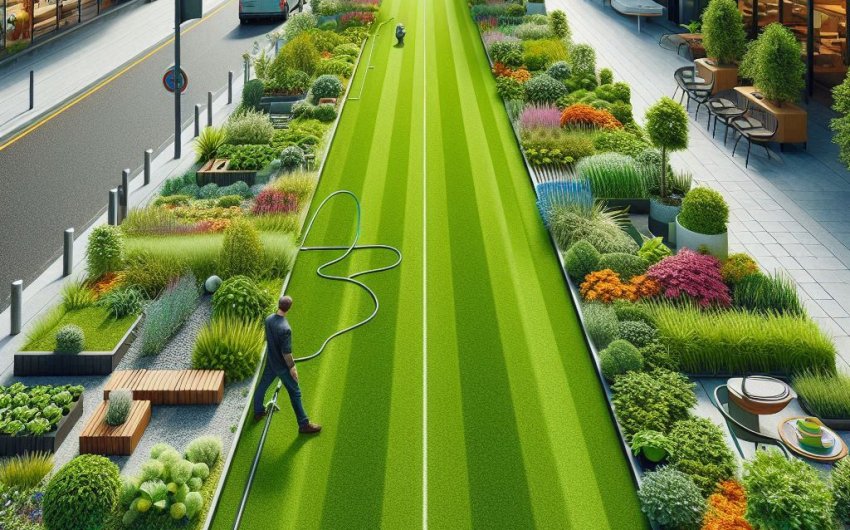
Maintaining a healthy and vibrant lawn in a bustling city environment presents unique challenges. From compacted soil to limited space and unique microclimates, lawn care in urban areas requires specific strategies to ensure your green space thrives. This guide will provide the best practices to overcome these hurdles and cultivate a beautiful, resilient lawn, no matter how small your plot.
What Makes Urban Lawn Care Different?
Urban environments come with a distinct set of conditions that directly impact how you care for your lawn. Understanding these differences is the first step toward effective urban lawn care.
Unique Challenges in City Landscapes
- Compact Soil: City soil is often heavily compacted due to construction, foot traffic, and vehicle movement. This compaction restricts water penetration, nutrient absorption, and root growth, making it difficult for grass to thrive.
- Limited Space: Urban lawns are typically smaller than suburban or rural counterparts. This means every square foot counts, and efficient use of space is crucial.
- Heat Island Effect: Cities are generally warmer than surrounding rural areas due to heat absorbed by concrete, asphalt, and buildings. This "urban heat island" effect puts extra stress on grass, increasing its water needs and susceptibility to heat stress.
- Reduced Airflow: Tall buildings and fences can block natural airflow, creating pockets of stagnant air that can increase humidity and promote fungal diseases.
- Pollution: Air and water pollution can impact soil health and grass vigor. Runoff from impervious surfaces can also carry pollutants into your lawn.
- Shade Obstacles: Buildings, fences, and sometimes even other landscaping features can cast significant shade, limiting sunlight for grass that prefers full sun.
- High Foot Traffic: Pathways, small yards, and common areas often experience more concentrated foot traffic, leading to wear and tear on turf.
Benefits of Urban Lawns
Despite the challenges, urban lawns offer significant advantages.
- Aesthetic Appeal: A well-maintained lawn enhances curb appeal and creates a welcoming atmosphere in often dense surroundings.
- Cooling Effect: Green spaces, even small ones, help mitigate the urban heat island effect by absorbing less heat and releasing moisture through transpiration.
- Improved Air Quality: Grass helps filter pollutants from the air, contributing to better air quality in the neighborhood.
- Noise Reduction: Lawns and other greenery can help absorb sound, reducing noise pollution in busy areas.
- Stormwater Management: Turf grass can help absorb rainwater runoff, reducing the burden on urban drainage systems and preventing localized flooding.
- Biodiversity: Even a small patch of grass can support beneficial insects and provide a habitat for local wildlife.
- Recreational Space: Provides a soft, safe area for play, relaxation, and outdoor enjoyment.
How Do You Choose the Right Grass for an Urban Environment?
Selecting the correct grass type is fundamental to successful lawn care in urban areas, as it needs to withstand specific city stresses.
Adapting to Urban Conditions
Different grass types have varying tolerances to shade, heat, and traffic. Matching the grass to your specific urban microclimate is essential.
Recommended Grass Types for Urban Lawns
- For Shady Areas:
- Fine Fescue (Creeping Red, Chewings, Hard, Sheep): These cool-season grasses are excellent for shade, require less water, and tolerate poor soil better than many other types. They often have a finer texture.
- Rough Bluegrass (Poa trivialis): Another cool-season option that tolerates significant shade and moist conditions. However, it can be aggressive and less drought-tolerant.
- St. Augustinegrass (for warm climates): A warm-season grass that has good shade tolerance compared to other warm-season varieties, especially broad-leaved cultivars.
- For Sunny, High-Traffic Areas (Warm Climates):
- Bermudagrass: Extremely heat and drought-tolerant, forms a very dense and durable turf that recovers well from traffic. Requires full sun.
- Zoysiagrass: Slower growing but forms a very dense, tough, and durable lawn. Excellent heat and drought tolerance, good traffic recovery.
- For Sunny, Moderate-Traffic Areas (Cool Climates):
- Tall Fescue: Known for its deep root system, making it more drought-tolerant and resilient to heat than other cool-season grasses. It also tolerates moderate traffic.
- Kentucky Bluegrass: While it loves sun and can be beautiful, it needs more water than tall fescue and has moderate heat and drought tolerance. However, some newer cultivars are more resilient. Often used in blends.
- Mixed Blends: Often, a mixture of grass seeds (e.g., Kentucky Bluegrass, Perennial Ryegrass, and Fine Fescue) provides a more adaptable lawn, as different grasses thrive in different conditions within the same area. This is a common strategy for urban lawn care.
Factors to Consider When Choosing
- Sunlight Exposure: Map out how much direct sun your lawn receives throughout the day. This is the most crucial factor.
- Climate Zone: Understand your USDA hardiness zone to select grasses that are suited to your regional temperatures.
- Traffic Level: How much foot traffic will your lawn endure? Choose durable grasses for high-traffic zones.
- Water Availability/Restrictions: If you anticipate water restrictions, prioritize drought-tolerant varieties.
- Maintenance Preferences: Some grasses require more frequent mowing, fertilization, or specialized care.
How Do You Prepare the Soil in an Urban Lawn?
Soil preparation is arguably the most critical step for successful lawn care in urban areas, especially given the common issue of compaction.
Addressing Soil Compaction
Urban soils are notoriously compact, which chokes grass roots and prevents water and nutrients from penetrating.
- Core Aeration: This is the most effective way to alleviate compaction. An aerator (you can rent one or use a manual M.J. Hummel Manual Lawn Coring Aerator for small areas) removes small plugs of soil, creating channels for air, water, and nutrients to reach the root zone. Aim to aerate at least once a year, or twice if your soil is heavily compacted.
- Liquid Aeration: While not as effective as core aeration, liquid aeration products (which contain wetting agents and soil conditioners) can help improve soil structure on a smaller scale.
- Avoid Compacting Activities: After aeration, try to limit heavy foot traffic or vehicle movement on your lawn.
Improving Soil Quality and Drainage
Even if your soil isn't heavily compacted, it likely lacks the rich organic matter found in more rural settings.
- Soil Testing: Before making any amendments, get a soil test. This will tell you your soil's pH level and nutrient deficiencies. Many local extension offices offer affordable testing. A basic Rapitest 1818 Soil Test Kit can give you quick insights.
- Amending with Organic Matter: This is vital. Topdress your lawn annually (or more frequently for poor soil) with a thin layer (1/4 to 1/2 inch) of high-quality compost, well-rotted manure, or mushroom compost.
- Benefits: Organic matter improves soil structure, enhances water retention in sandy soils, improves drainage in clay soils, and provides a slow release of nutrients.
- Adjusting pH: Based on your soil test, you may need to adjust the pH:
- To raise pH (make less acidic): Apply limestone (dolomitic or calcitic).
- To lower pH (make more acidic): Apply sulfur.
- Always follow application rates recommended by your soil test results.
- Enhancing Drainage: For areas with persistent standing water, consider installing French drains or grading the landscape slightly to direct water away from the lawn.
Steps for New Lawn Installation or Major Renovation
If you're starting a new lawn or undertaking a significant renovation in an urban area:
- Clear the Area: Remove all debris, old turf, and weeds.
- Rough Grade: Level the area, ensuring a slight slope away from any structures for drainage.
- Deep Tilling/Loosening: If possible, till the top 6-8 inches of soil to break up compaction. For heavily compacted areas, a specialized rototiller might be needed.
- Incorporate Amendments: Spread a generous layer of compost (2-4 inches) and any necessary pH adjusters over the tilled soil, then till again to thoroughly mix it in.
- Fine Grade: Rake the area smooth, removing any rocks or large clods.
- Sod or Seed:
- Sod: Provides an instant lawn and is good for erosion control, but can be more expensive.
- Seed: More economical and offers a wider choice of grass varieties, but requires more initial care to establish. When seeding an urban lawn, choose a blend suited to your specific conditions.
A healthy soil foundation is the secret to overcoming many of the unique challenges of urban lawn care.
What are the Best Watering Practices for Urban Lawns?
Efficient and effective watering is paramount for lawn care in urban areas, especially with the heat island effect and potential water restrictions.
Principles of Smart Watering
- Deep and Infrequent: The goal is to encourage deep root growth. Water deeply enough for the moisture to penetrate 4-6 inches into the soil. Then, allow the top layer of soil to dry out somewhat before watering again. This forces roots to grow deeper in search of water, making the grass more drought-tolerant.
- Early Morning Watering: The best time to water is between 4 AM and 10 AM. This allows the grass blades to dry before nightfall, reducing the risk of fungal diseases, while minimizing water loss due to evaporation from intense midday sun.
- Avoid Evening Watering: Watering in the evening leaves grass wet overnight, creating an ideal environment for diseases like brown patch and dollar spot.
- Monitor Soil Moisture: Don't just water on a fixed schedule. Use a soil moisture meter like the XLUX T10 Soil Moisture Sensor Meter or simply feel the soil. If it's dry an inch or two down, it's time to water.
- Signs of Thirsty Grass: Look for grass blades that appear dull, bluish-gray, or have footprints that remain visible after you walk across them.
Watering Tools for Urban Spaces
- Smart Sprinkler Controllers: These systems connect to local weather data and soil sensors to automatically adjust watering schedules, preventing overwatering or underwatering. A Rachio 3 Smart Sprinkler Controller can save water and time.
- Rain Gauges: A simple Stratus Long-Term Rain Gauge helps you measure how much water your lawn is receiving from rain or your irrigation system, ensuring you hit the 1-1.5 inches per week target during active growth.
- Soaker Hoses: For targeted watering that reduces evaporation and keeps foliage dry, a soaker hose delivers water directly to the soil level.
- Hose-End Sprinklers: For small urban lawns, a good quality oscillating or pulsating sprinkler can be efficient. Ensure it provides even coverage.
Dealing with Water Restrictions
Urban areas often face water restrictions during dry periods.
- Prioritize Established Lawns: Focus water on established grass rather than newly seeded areas, which need consistent moisture.
- Water Critically Stressed Areas: If you have to choose, water areas that show the most stress or are most visible.
- Consider Drought Dormancy: Some grass types (like Kentucky Bluegrass) can go dormant during severe drought and revive when water returns. This is a natural survival mechanism.
- Rainwater Harvesting: Install a rain barrel to collect rainwater from your gutters, which can then be used to water your lawn and plants. This is an excellent sustainable practice for urban lawn care.
By adopting these smart watering strategies, you can minimize water waste while ensuring your urban lawn stays healthy and green.
What Are the Best Mowing and Fertilization Practices for Urban Lawns?
Consistent mowing and strategic fertilization are key components of lawn care in urban areas, helping to build a strong, resilient turf.
Mowing Techniques for Urban Lawns
- Mow at the Right Height: This is one of the simplest yet most effective practices. Taller grass blades provide natural shade for the soil, keeping it cooler and reducing water evaporation. They also encourage deeper root growth.
- Cool-Season Grasses: Aim for 2.5 to 3.5 inches.
- Warm-Season Grasses: Aim for 2 to 3 inches.
- Never Remove More Than One-Third: When mowing, never cut off more than one-third of the grass blade's total height at one time. Cutting too much at once stresses the grass, making it more susceptible to disease and environmental stress.
- Keep Mower Blades Sharp: Dull blades tear the grass, leaving ragged edges that are more susceptible to disease and water loss. Sharpen your mower blades at least once per season, or more often if you mow frequently. A Rotary Lawn Mower Blade Sharpener can make this easy.
- Mulch Grass Clippings: Leaving clippings on the lawn (unless they are excessively long or clumpy) returns valuable nutrients to the soil and helps retain moisture. They act as a natural, free fertilizer.
- Vary Mowing Pattern: Change the direction you mow each time to prevent ruts and avoid compacting the soil in the same spots.
- Consider an Electric or Reel Mower: For smaller urban lawns, an electric mower (corded or battery-powered) or a classic reel mower is quieter, produces no emissions, and can be perfect for tight spaces. A Greenworks 48V (2x24V) 20" Cordless Lawn Mower is a popular battery option.
Fertilizing Urban Lawns
The goal of fertilization is to provide essential nutrients for healthy growth without overdoing it, which can lead to excessive growth and increased water needs.
- Soil Test First: Always start with a soil test to determine what nutrients your lawn actually needs. This prevents over-application and saves money.
- Balanced, Slow-Release Fertilizer: Opt for a slow-release granular fertilizer. This provides nutrients gradually over time, reducing the risk of nutrient leaching into stormwater and promoting more consistent growth.
- Timing is Key:
- Cool-Season Grasses: Best fertilized in early fall (most important) and early spring. A light application in late fall (winterizer) can also be beneficial.
- Warm-Season Grasses: Fertilize in late spring/early summer when they are actively growing.
- Avoid Over-Fertilizing: Too much nitrogen can cause rapid, weak growth that's more susceptible to stress and disease. It also contributes to runoff.
- Organic Options: Consider organic fertilizers like milorganite, bone meal, or compost tea. These improve soil health over time and release nutrients slowly.
- Targeted Nutrition: If your soil test indicates specific deficiencies (e.g., low potassium), choose a fertilizer blend that addresses those needs. Potassium (the third number in the N-P-K ratio) is particularly important for drought and heat stress tolerance.
By integrating these mowing and fertilization practices, you'll build a more robust lawn capable of withstanding the demands of urban lawn care.
How Do You Manage Pests, Weeds, and Diseases in Urban Lawns?
Pest, weed, and disease management in urban areas requires a nuanced approach, often prioritizing environmentally friendly methods due to proximity to homes and public spaces.
Integrated Pest Management (IPM) for Lawns
IPM focuses on prevention and monitoring, using pesticides only as a last resort.
- Healthy Lawn First: A thick, healthy lawn is your best defense against most pests and diseases. Follow all the practices mentioned above (proper watering, mowing, soil health, and fertilization).
- Monitor Regularly: Inspect your lawn frequently for signs of pest activity (e.g., thinning grass, brown patches, visible insects) or disease symptoms (spots, discoloration).
- Identify Correctly: Accurately identify the pest or disease before taking action. Many symptoms can look similar.
- Cultural Controls:
- Proper Mowing Height: Deters some pests and diseases.
- Aeration and Dethatching: Reduces thatch where pests can hide and improves air circulation.
- Proper Watering: Avoid over or under-watering.
- Right Grass Type: Choose disease-resistant varieties.
- Biological Controls: Introduce beneficial nematodes for grubs or encourage natural predators like ladybugs.
- Least Toxic Options: If intervention is needed, start with the least toxic methods:
- Handpicking: For larger pests like grubs (if visible) or slugs.
- Insecticidal Soaps or Neem Oil: Effective for soft-bodied insects.
- Targeted Pesticides (Last Resort): If chemical control is necessary, choose targeted products and apply them according to label directions. Always consider runoff and impact on surrounding areas.
Effective Weed Control in Urban Settings
Weeds compete with grass for water, nutrients, and sunlight.
- Prevention:
- Dense Turf: A thick, healthy lawn chokes out many weeds by simply leaving no space for them to grow.
- Proper Mowing: Mowing at the correct height can prevent some weeds from going to seed.
- Pre-Emergent Herbicides: Applied in early spring or fall before weed seeds germinate. This forms a barrier that prevents new weeds from sprouting. Look for Scotts Halts Crabgrass & Grassy Weed Preventer.
- Manual Removal: For small urban lawns, hand-pulling weeds (especially broadleaf weeds like dandelions) is a very effective, chemical-free method. A dandelion weed puller can make this easier.
- Spot Treatment: If you have isolated weed patches, use a post-emergent herbicide specifically designed for broadleaf weeds or grassy weeds, applied directly to the weed. This reduces overall chemical use.
- Organic Herbicides: Some organic options are available, often using ingredients like horticultural vinegar or corn gluten meal (which also acts as a pre-emergent).
Managing Lawn Diseases
Fungal diseases are common and often linked to environmental conditions.
- Cultural Practices: This is your primary defense:
- Good Air Circulation: Prune overhanging trees or shrubs to improve airflow, reducing humidity on grass blades.
- Proper Watering: Avoid late-day watering.
- Dethatching and Aeration: Reduces thatch where fungi can thrive.
- Balanced Fertilization: Avoid excessive nitrogen, which can promote disease.
- Clean Mower Blades: Prevent spreading disease from one part of the lawn to another.
- Fungicides: In severe cases, a targeted fungicide may be necessary. Always identify the specific disease before applying any fungicide, and follow label instructions carefully.
By combining proactive measures with targeted interventions, you can effectively manage pests, weeds, and diseases while minimizing environmental impact, crucial for urban lawn care.
What Are Sustainable and Eco-Friendly Urban Lawn Care Practices?
Embracing sustainable practices is increasingly important in lawn care in urban areas, benefiting both your lawn and the wider environment.
Reducing Environmental Impact
- Minimizing Chemical Use:
- Use Natural Fertilizers: Opt for organic compost, worm castings, or slow-release granular organic fertilizers that break down naturally and enrich the soil.
- Spot Treat Weeds: Instead of broadcasting herbicides over the entire lawn, target individual weeds or small patches.
- IPM for Pests: Prioritize cultural and biological controls over synthetic pesticides.
- Water Conservation:
- Efficient Irrigation: Implement smart watering systems, rain sensors, and deep, infrequent watering.
- Drought-Tolerant Plants: Choose grass varieties suited to your climate's water availability.
- Rainwater Harvesting: Collect rainwater in barrels for irrigation.
- Energy Efficiency:
- Electric or Manual Mowers: Switch from gas-powered mowers to electric (corded or battery) or manual reel mowers for reduced emissions and noise.
- Reduce Mowing Frequency: Mow only when necessary, allowing grass to grow slightly taller.
Promoting Biodiversity
- Native Plants: Incorporate native plants in your landscape beds around the lawn. These are adapted to local conditions, require less water and maintenance, and support local pollinators and wildlife.
- Reduce Lawn Area: Consider converting some lawn areas into native plant beds, perennial gardens, or permeable hardscapes to reduce maintenance and increase biodiversity.
- Pollinator-Friendly Plants: Plant flowers that attract bees, butterflies, and other beneficial insects.
- Support Soil Life: Healthy soil is teeming with beneficial microbes and organisms. Regular additions of compost and avoidance of harsh chemicals foster this crucial underground ecosystem.
Composting and Recycling
- Mulch Grass Clippings: As discussed, leaving grass clippings on the lawn returns nutrients.
- Compost Yard Waste: Collect leaves and other yard waste to add to a compost pile. This creates nutrient-rich organic matter for your lawn and garden, reducing landfill waste. A Dual Chamber Tumbling Composter can make composting easier.
- Recycle Old Equipment: Properly dispose of or recycle old lawn care equipment and chemical containers according to local regulations.
Consider a "Lawn Alternative"
For very small urban spaces, or areas with extreme shade or traffic, a traditional grass lawn might not be the best choice.
- Groundcovers: Consider shade-tolerant groundcovers like creeping thyme, sedum, or clover. Clover also fixes nitrogen in the soil, reducing the need for fertilizer.
- Permeable Pavers: For high-traffic areas, permeable pavers allow water to seep into the ground, reducing runoff.
- Container Gardens: Utilize pots and planters for diverse plantings, adding greenery without a traditional lawn.
- Artificial Turf: While not eco-friendly, it offers a no-maintenance green surface for specific scenarios.
Embracing these sustainable practices makes your urban lawn care routine more environmentally responsible, creating a healthier micro-ecosystem right outside your door.
How Do You Handle Specific Urban Lawn Care Scenarios?
Urban environments often present unique scenarios that require tailored solutions for effective lawn care in urban areas.
Lawns Under Trees
- Challenge: Intense shade, competition for water and nutrients from tree roots.
- Solutions:
- Choose Shade-Tolerant Grass: Fine fescues are generally the best choice.
- Raise Mower Height: Mow at the highest setting (3+ inches) to maximize the grass's ability to photosynthesize.
- Deep Watering: Ensure both the grass and the tree receive enough water, watering deeply and infrequently.
- Root Barriers (Last Resort): For very aggressive tree roots, consider professional installation of root barriers, though this can be disruptive.
- Consider Alternatives: If grass consistently struggles, transition the area under the tree to a mulched bed with shade-loving groundcovers or plants.
Lawns in Small Spaces or Courtyards
- Challenge: Limited space, potential for stagnant air, restricted sunlight.
- Solutions:
- Container Lawns/Grow Bags: For tiny areas, growing grass in large pots or grow bags offers flexibility.
- Artificial Turf: A low-maintenance option for very small, high-traffic areas where natural grass struggles.
- Micro-Clover: A type of clover that stays short and can tolerate some traffic, requiring less water and no fertilizer.
- Focus on Borders: If the lawn itself is struggling, emphasize surrounding plant beds with vibrant, easy-to-maintain plants.
- Manual/Electric Equipment: More practical for small areas due to noise and space.
Lawns on Slopes or Terraces
- Challenge: Erosion, difficulty watering, runoff.
- Solutions:
- Terracing: For steep slopes, creating terraces can provide level planting areas, reduce erosion, and make watering easier.
- Drought-Tolerant Grasses: These will hold soil better and require less water.
- Hydroseeding: A method for establishing grass on slopes using a mix of seed, mulch, fertilizer, and water sprayed onto the surface, which helps with erosion control.
- Slow, Deep Watering: Use soaker hoses or drip irrigation to apply water slowly and prevent runoff. Multiple shorter watering cycles (cycle and soak) can be effective.
- Erosion Control Blankets: For new seeding on slopes, these can protect seeds and soil until establishment.
Lawns Adjacent to Hardscapes (Concrete, Pavement)
- Challenge: Heat reflection, increased sun exposure, chemical runoff from de-icers/cleaners.
- Solutions:
- Drought/Heat-Tolerant Edges: Plant heat-tolerant grasses like Bermuda or Zoysia along these edges if appropriate for your climate.
- Increased Watering: These areas may need slightly more frequent watering due to reflected heat.
- Protect from Runoff: Be mindful of where snow melt or cleaning solution runoff goes, as they can damage grass. Use environmentally friendly de-icers.
- Edging: Install physical edging to prevent grass from growing onto hard surfaces and to create a clean line.
By addressing these specific urban scenarios with targeted strategies, your lawn care in urban areas will be much more effective, leading to a healthier and more beautiful green space, even amidst the concrete jungle.