
How Do I Establish and Maintain a Fescue Lawn?
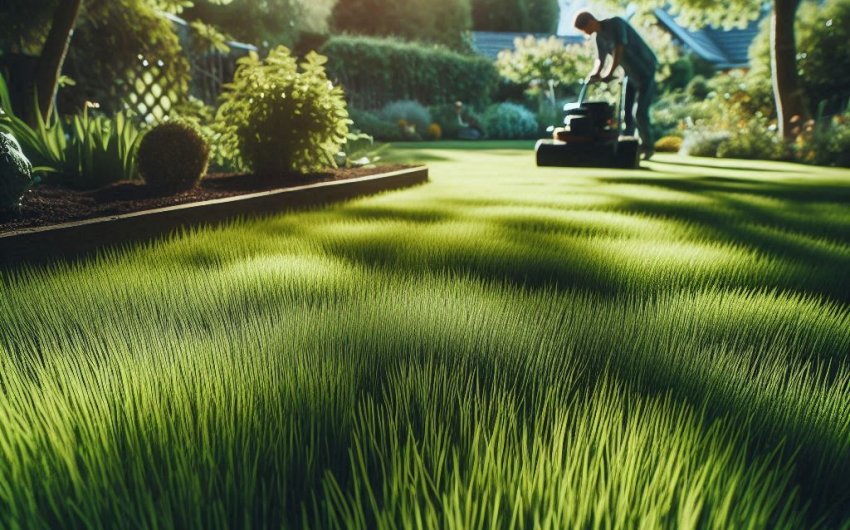
Fescue, particularly Tall Fescue and Fine Fescues, is a popular choice for lawns, especially in cool-season and transition zones, thanks to its notable drought tolerance and ability to thrive in partial shade. If you're looking to establish a resilient, beautiful lawn, knowing how to establish and maintain a Fescue lawn effectively is key. From proper soil preparation and seeding techniques to ongoing watering, mowing, and fertilization, nurturing Fescue requires specific considerations that differ from other grass types. This comprehensive guide will walk you through every step, ensuring your Fescue lawn remains lush and healthy for years to come.
Why Choose a Fescue Lawn?
Fescue grass encompasses several species within the Festuca genus, most commonly used for lawns are Tall Fescue and various Fine Fescues. These grasses offer distinct advantages, making them a preferred choice for many homeowners seeking a durable and adaptable lawn.
What are the Key Benefits of a Fescue Lawn?
- Drought Tolerance: This is arguably Fescue's biggest selling point. Tall Fescue, especially, develops a deep root system (up to 2-3 feet deep) that allows it to access deeper soil moisture, making it more resilient to dry spells and heat compared to Kentucky Bluegrass or Perennial Ryegrass. Fine Fescues also exhibit good drought tolerance, often going dormant and then bouncing back.
- Shade Tolerance: Many Fescue varieties, particularly Fine Fescues (like Creeping Red Fescue, Chewings Fescue, and Hard Fescue), are excellent choices for areas with partial shade, where other grasses might struggle. Tall Fescue also performs better in partial shade than Kentucky Bluegrass.
- Low Maintenance (Once Established): While requiring proper initial establishment and care, Fescue lawns, especially Fine Fescues, generally need less frequent mowing and fertilization than more aggressively growing cool-season grasses.
- Traffic Tolerance: Tall Fescue is quite durable and can withstand moderate to high foot traffic once established, making it suitable for active families. Fine Fescues are generally less traffic tolerant due to their fine blades.
- Disease Resistance: Many modern Fescue cultivars are bred with improved resistance to common lawn diseases.
- Attractive Appearance: Fescue varieties can produce a beautiful, dark green, relatively coarse (Tall Fescue) or fine (Fine Fescue) textured lawn.
Where Does Fescue Grow Best?
- Cool-Season Zone: Fescue is a cool-season grass, meaning it thrives in regions with cold winters and moderate summers.
- Transition Zone: Tall Fescue is particularly well-suited for the "transition zone" of the United States, where hot summers are too harsh for traditional cool-season grasses and cold winters are too harsh for warm-season grasses. Its heat tolerance allows it to bridge this gap.
- Shady Areas: Fine Fescues are ideal for shaded parts of lawns in cool-season climates.
How Do You Prepare the Soil for a Fescue Lawn?
Proper soil preparation is the most critical step in learning how to establish and maintain a Fescue lawn. A healthy soil foundation ensures strong root development, which is essential for Fescue's drought tolerance and overall vigor.
Why is Soil Preparation So Important?
- Root Development: Fescue's deep root system needs loose, well-draining soil to grow effectively.
- Nutrient Availability: Proper soil pH and nutrient levels are crucial for healthy grass growth.
- Water Infiltration: Good soil structure allows water to penetrate deeply, preventing runoff and ensuring moisture reaches the roots.
Step-by-Step Soil Preparation:
- Clear the Area: Remove all existing weeds, debris, rocks, and old turf.
- Manual Removal: For small areas, hand-pulling or using a hoe is effective.
- Non-Selective Herbicide: For large areas with persistent weeds or old turf, a non-selective herbicide like glyphosate (if you choose chemical methods) can be used. Follow product instructions carefully and allow adequate time for it to work and dissipate before planting.
- Sod Cutter: Rent a sod cutter for large areas of existing turf.
- Test Your Soil: This is a non-negotiable step.
- Why: A soil test reveals your soil's pH, nutrient levels (Nitrogen, Phosphorus, Potassium), and often its composition.
- How: Purchase a home soil test kit or, preferably, send a sample to your local university extension office.
- Amend the Soil Based on Test Results:
- pH Adjustment: Fescue generally prefers a soil pH between 6.0 and 7.0 (slightly acidic to neutral).
- If pH is too low (acidic): Add lime (dolomitic or calcitic) as recommended by the soil test.
- If pH is too high (alkaline): Add sulfur as recommended.
- Organic Matter: Incorporate 4-6 inches of high-quality compost into the top 6-8 inches of soil. This is the single best amendment for almost any soil type. It improves drainage in clay, water retention in sand, and provides nutrients. You can buy organic compost for lawns.
- Nutrient Deficiencies: Add any recommended fertilizers (e.g., bone meal for phosphorus, greensand for potassium) as indicated by your soil test.
- pH Adjustment: Fescue generally prefers a soil pH between 6.0 and 7.0 (slightly acidic to neutral).
- Till/Grade the Area:
- Tilling: Use a rototiller to incorporate amendments to a depth of 6-8 inches. Break up any large clods of soil.
- Grading: Rake the area smooth, ensuring a gentle slope away from your home's foundation (1-2% grade) to ensure proper drainage. Remove any remaining rocks or debris. The surface should be firm but not compacted.
By meticulously preparing your soil, you provide your Fescue lawn with the optimal conditions to establish strong, deep roots, setting it up for long-term success.
How Do You Plant Fescue Seed for the Best Results?
Once your soil is perfectly prepared, the actual planting of Fescue seed requires attention to detail to ensure good germination and a dense, even lawn. This is a critical step in how to establish and maintain a Fescue lawn.
When is the Best Time to Plant Fescue Seed?
- Fall is Optimal: For cool-season grasses like Fescue, the best time to plant is in late summer to early fall (typically mid-August to mid-October, depending on your climate).
- Why: Soil temperatures are still warm enough for germination (50-65°F / 10-18°C), but air temperatures are cooling, reducing stress on young seedlings. There's also less competition from weeds, and fall rains help with consistent moisture.
- Spring is Second Best: Early spring (March to early May) is a secondary option.
- Why: Soil is warming, but you face competition from spring weeds and the inevitable summer heat stress on young, shallow-rooted seedlings.
Step-by-Step Seeding Process:
- Choose High-Quality Seed:
- Purity: Look for a seed bag with high purity (low weed seed percentage).
- Cultivars: Choose modern, improved Fescue cultivars known for disease resistance, drought tolerance, and desirable appearance. A high-quality Tall Fescue seed blend is a good starting point. If you're establishing a shady lawn, ensure your mix has a high percentage of Fine Fescues.
- Calculate Seed Rate: Follow the seed bag's recommendations for seeding rate (e.g., lbs per 1,000 sq ft). Using too little results in a thin lawn; too much leads to competition.
- Apply Seed Evenly:
- Spreaders: Use a broadcast spreader for large areas for even distribution. Go over the area twice, in perpendicular directions (e.g., north-south then east-west) to ensure uniform coverage.
- Small Areas: For very small patches, you can hand-spread.
- Lightly Cover the Seed:
- Contact: Seeds need good seed-to-soil contact to germinate. Rake the seed very lightly into the top 1/8 to 1/4 inch of soil. Don't bury it too deeply.
- Rolling (Optional): Lightly roll the area with a lawn roller (partially filled with water) to ensure good contact.
- Apply a Starter Fertilizer:
- Nutrients for Growth: Apply a starter fertilizer (high in phosphorus) at the recommended rate. This provides essential nutrients for strong root development in young seedlings. A lawn starter fertilizer is formulated for this purpose.
- Mulch Lightly (Optional but Recommended):
- Protection: Spread a very thin layer (1/8 to 1/4 inch) of weed-free straw over the seeded area. This helps retain moisture, prevents seed from washing away, and deters birds.
- Caution: Don't apply too thickly, or it will smother seedlings. Use seed-free straw, not hay.
By following these planting steps, you give your Fescue lawn the best chance for successful germination and early development, laying the groundwork for a robust and healthy turf.
How Do You Water a Newly Seeded Fescue Lawn?
Watering is the most critical factor immediately after seeding and during the establishment phase of a Fescue lawn. Inconsistent moisture will lead to poor germination and weak seedlings, sabotaging all your previous efforts in how to establish and maintain a Fescue lawn.
What is the Specific Watering Schedule for New Seed?
The goal is to keep the top 1/2 inch of soil consistently moist without being soggy, for 2-3 weeks, or until the seedlings are well-established.
- Immediate Watering After Seeding: As soon as you've spread the seed, water the area thoroughly but gently. Use a sprinkler that delivers a fine spray to avoid washing away the seeds. Ensure the top 1-2 inches of soil are saturated.
- Frequent, Light Waterings (First 2-3 Weeks):
- Frequency: For the next 2-3 weeks (or until most seeds have germinated and developed their first set of true leaves), water 2-3 times a day.
- Duration: Each watering session should be relatively short (5-10 minutes, depending on your sprinkler and weather), just enough to keep the top layer of soil moist. Avoid puddling.
- Check Soil: Consistently check the top 1/2 inch of soil. If it feels dry, water.
- Gradual Transition to Deeper, Less Frequent Waterings (Weeks 3-6):
- Encourage Roots: Once the grass is 1-2 inches tall and uniformly green, gradually reduce watering frequency while increasing the duration of each session. This encourages roots to grow deeper.
- Schedule: Transition to watering once a day, then every other day, and finally 2-3 times per week, ensuring water penetrates 2-3 inches deep.
- Long-Term Watering (After 6+ Weeks):
- Mature Lawn Schedule: Once the Fescue lawn is mature (6+ weeks and has been mowed a few times), transition to watering deeply and infrequently – typically 1 inch of water per week (including rainfall), applied in one or two sessions. This promotes Fescue's characteristic deep root system.
Important Watering Tips for Establishment:
- Avoid Walking on New Seedlings: Stay off the newly seeded area as much as possible to avoid disturbing the seeds or compacting the soil.
- Morning Watering: Always water in the early morning to minimize evaporation and allow grass blades to dry before nightfall, reducing disease risk.
- Monitor Weather: Adjust your watering schedule based on temperature, humidity, and rainfall. On hot, windy days, you may need to water more frequently.
- Patience: Fescue can take 7-21 days to germinate, and full establishment takes several weeks. Consistent moisture is paramount during this time.
Mastering the watering routine for new Fescue seed is perhaps the most critical determinant of a successful stand, ensuring you truly know how to establish and maintain a Fescue lawn.
How Do You Mow a Fescue Lawn for Optimal Health?
Mowing is a fundamental part of maintaining any lawn, but for a Fescue lawn, specific practices are particularly important to support its deep root growth, shade tolerance, and overall resilience, especially in warmer conditions.
What are the Best Mowing Practices for Fescue?
- Mow High:
- Height: Set your mower deck to its highest possible setting, typically 3-4 inches (7.5-10 cm) for Tall Fescue. Fine Fescues can sometimes be mowed a little shorter, around 2-3 inches, but higher is always better for stress tolerance.
- Why it works: Taller blades promote deeper root growth (roots grow proportionally to blade height). This allows Fescue to access more moisture deeper in the soil, enhancing its drought tolerance. Taller grass also shades the soil, keeping it cooler and suppressing weed germination.
- The "1/3 Rule":
- Principle: Never remove more than one-third of the grass blade's height in a single mowing session. If your grass is 6 inches tall, don't cut more than 2 inches off.
- Why it works: Removing too much at once stresses the grass, depletes its energy reserves, and makes it more vulnerable to disease and environmental stress.
- Leave Grass Clippings (Mulch Mowing):
- Method: Use a mulching mower blade or remove the bagging attachment.
- Why it works: Grass clippings are a natural source of nitrogen and organic matter. They return nutrients to the soil, act as a natural mulch (helping with moisture retention and weed suppression), and improve soil health over time.
- Caution: Only leave clippings if you follow the 1/3 rule. Excessive clippings can clump and lead to thatch.
- Keep Mower Blades Sharp:
- Clean Cut: Sharp blades make a clean, precise cut, allowing the grass to heal quickly.
- Dull Blades: Dull blades tear and fray the grass blades, leaving ragged ends that turn brown, lose more moisture, and are more susceptible to disease. Sharpen your blades annually or every 25 hours of use. A lawn mower blade sharpener can do the trick.
- Adjust Mowing Frequency:
- Growth-Based: Mow based on growth, not a strict schedule. In spring, you might mow twice a week. In summer heat or drought, growth slows, and you might only need to mow every 10-14 days or stop mowing if the lawn goes dormant.
- Mow When Dry:
- Avoid Wet Grass: Mow when the grass is dry to prevent clumping, uneven cuts, and the spread of fungal diseases.
By following these mowing best practices, you support your Fescue lawn's natural strengths, ensuring its long-term health and resilience. This is fundamental to how to establish and maintain a Fescue lawn.
How Do You Fertilize a Fescue Lawn?
Proper fertilization provides the essential nutrients for a thick, healthy Fescue lawn, improving its vigor, disease resistance, and ability to withstand environmental stress. However, timing and product choice are critical, especially given Fescue's cool-season nature.
What are the Key Principles of Fertilizing Fescue?
- Soil Test First: Before applying any fertilizer, conduct a soil test. This identifies specific nutrient deficiencies and pH imbalances, allowing you to fertilize precisely and avoid over-application.
- Focus on Fall and Spring Applications: Fescue, being a cool-season grass, does most of its active growth and energy storage in the cooler temperatures of fall and spring.
- Fall (Most Important): The most crucial fertilization period. A fall application (late August to November, depending on climate) provides nutrients for root development, winter hardiness, and early spring green-up. Split into two applications: one in early fall, one in late fall.
- Spring: A lighter application in early to mid-spring (March to April) supports green-up and blade growth. Avoid heavy nitrogen in late spring/early summer, which can push tender growth susceptible to summer stress.
- Choose the Right Fertilizer Type:
- Slow-Release Nitrogen: Opt for fertilizers with a significant portion of their nitrogen in a "slow-release" or "controlled-release" form. This provides a steady supply of nutrients over several weeks, preventing surge growth and reducing nutrient leaching. A slow-release lawn fertilizer for cool season grass is ideal.
- Balanced N-P-K (or based on soil test): While nitrogen (N) promotes green growth, ensure adequate phosphorus (P) for root development and potassium (K) for overall plant health, stress tolerance, and disease resistance.
- Weed & Feed (Use with Caution): Granular "weed and feed" products combine fertilizer with herbicide. Only use if you have active weeds and understand the specific herbicide's effects. They are less targeted than spot treatments.
- Apply Evenly: Use a broadcast spreader to apply granular fertilizer evenly. Go over the lawn twice, in perpendicular directions, to prevent streaking.
- Water In: After applying granular fertilizer, water the lawn lightly. This helps move the fertilizer into the soil and prevents it from burning the grass blades.
General Fertilization Schedule for Fescue (Example, adjust to soil test/climate):
| Season | Timing | Fertilizer Type (N-P-K Ratio Examples) | Purpose |
|---|---|---|---|
| Early Spring | March - April | 10-0-0, 20-0-5 (lighter N) | Spring green-up, recover from winter |
| Late Spring/Early Summer | May - June | (Optional/Light) 10-0-0, 16-4-8 (low N) | Maintain vigor, if not going dormant |
| Late Summer | Late August - Sept. | 20-5-10, 24-0-12 (balanced/higher N) | Recovery from summer, root development |
| Late Fall | Oct. - Nov. | 10-0-0, 15-0-15 (winterizer, higher K) | Root development, winter hardiness, early spring color |
Important Fertilization Don'ts:
- Don't Fertilize a Dormant Lawn: Never apply fertilizer to a brown, dormant Fescue lawn. It won't be absorbed and can burn the grass.
- Don't Over-Fertilize: Too much nitrogen can lead to excessive top growth, making the grass more susceptible to disease, increasing water demand, and potentially causing fertilizer burn.
- Don't Fertilize Before a Rainstorm: Heavy rain can wash away granular fertilizer before it's absorbed, wasting product and potentially polluting waterways.
By carefully managing your fertilization program, you provide your Fescue lawn with the precise nutrients it needs to build strong roots, resist stress, and maintain its rich green color throughout the year. This is a vital component of how to establish and maintain a Fescue lawn.
How Do You Manage Pests and Diseases in a Fescue Lawn?
While Fescue lawns are generally quite resilient, they are not immune to pests and diseases. Proactive management and early detection are key to maintaining a healthy turf and are essential considerations in how to establish and maintain a Fescue lawn.
What are Common Pests of Fescue Lawns?
- Grubs: Larvae of beetles (like Japanese beetles) that feed on grass roots, causing brown, dying patches that can be easily pulled back like a carpet.
- Identification: Dig up a patch of affected turf and look for C-shaped white grubs.
- Solution: Apply grub control granulars (preventative in spring/early summer, curative in late summer/early fall). Biological controls like milky spore or beneficial nematodes can also be used.
- Chinch Bugs: Tiny insects that suck sap from grass blades, causing irregular brown patches, especially in hot, dry conditions. Often found at the base of the grass blade.
- Identification: Push a bottomless coffee can into the affected area, fill with water, and watch for bugs to float up.
- Solution: Improve soil moisture. Use insecticidal soap or specific chinch bug killer if severe.
- Sod Webworms: Larvae of moths that chew off grass blades at the crown, causing ragged brown patches. Look for silky tunnels near the soil surface.
- Solution: Use specific insecticides or cultural controls.
What are Common Diseases of Fescue Lawns?
- Brown Patch: A common fungal disease (especially in Tall Fescue) that causes irregular circular brown patches, often with a darker "smoke ring" around the edges, particularly in hot, humid weather with high nitrogen.
- Prevention: Avoid over-fertilizing with nitrogen in summer. Water in the morning to allow grass to dry. Improve air circulation.
- Solution: Apply a lawn fungicide if severe.
- Dollar Spot: Small, circular, straw-colored patches (dollar-sized) that can merge to form larger irregular areas. Appears in warm, humid weather with low nitrogen.
- Prevention: Maintain proper nitrogen levels. Avoid prolonged leaf wetness.
- Solution: Apply fungicide if severe.
- Rust: Appears as rusty-orange powdery spores on grass blades that can rub off on shoes or clothes. Weakens grass.
- Prevention: Maintain good turf vigor. Fertilize appropriately.
- Solution: Often clears with proper cultural practices; fungicides are rarely needed.
General Pest and Disease Management Strategies:
- Integrated Pest Management (IPM): Combine cultural practices, biological controls, and chemical treatments (only when necessary and targeted) for the most sustainable approach.
- Promote Healthy Turf: A thick, well-maintained Fescue lawn is the best defense against pests and diseases. Follow all the guidelines for mowing, watering, aeration, and fertilization.
- Early Detection: Regularly inspect your lawn for any unusual spots, discoloration, or pest activity. Early detection allows for prompt, more effective treatment.
- Proper Mowing Height: Helps grass develop deeper roots, making it more resilient.
- Watering Habits: Water deeply and infrequently in the morning to prevent fungal growth.
- Air Circulation: Avoid over-fertilizing that leads to excessive, dense growth.
- Clean Mower Blades: Prevent the spread of disease by cleaning your mower blades after mowing diseased areas.
By being vigilant and adopting proactive measures, you can effectively manage pests and diseases, ensuring your Fescue lawn remains vibrant and healthy. This ongoing care is fundamental to how to establish and maintain a Fescue lawn for long-term success.
What is a Year-Round Maintenance Schedule for a Fescue Lawn?
To truly master how to establish and maintain a Fescue lawn, it's helpful to have a seasonal approach to its care. This schedule outlines the key tasks throughout the year to keep your Fescue looking its best.
Fescue Lawn Care Calendar:
| Season | Months | Key Tasks |
|---|---|---|
| Spring | March - May | Early Spring: Apply pre-emergent herbicide (if needed, prevents crabgrass but also new grass seed). Lightly fertilize with a balanced slow-release fertilizer. |
| Late Spring: Begin regular mowing at 3-4 inches. Monitor for weeds and spot-treat as needed. Continue deep, infrequent watering as needed. | ||
| Summer | June - August | Mowing: Continue mowing high (3-4 inches), reduce frequency as growth slows. Leave clippings. |
| Watering: Crucial! Water deeply (1 inch per week) in the early morning. Watch for signs of drought stress. | ||
| Heat/Dormancy: Fescue may go dormant (turn brown) in severe heat/drought. Reduce/stop watering unless you choose to actively irrigate for greenness. Avoid foot traffic on dormant grass. | ||
| Pest/Disease Watch: Be vigilant for grubs, chinch bugs, brown patch. Treat only if necessary and with appropriate products. | ||
| Fall | Sept. - November | Early Fall (Optimal): Aerate your lawn. Overseed with a high-quality Fescue blend (critical for density). Apply a starter fertilizer. |
| Mid-Fall: Apply a broadleaf weed killer for perennial weeds (dandelions, plantains). | ||
| Late Fall (Very Important): Apply a winterizer fertilizer (higher in Potassium) for root development and winter hardiness. Continue mowing until growth stops. Rake leaves. | ||
| Winter | December - Feb. | Dormancy: Lawn is typically dormant. Minimal activity needed. |
| Protection: Keep heavy traffic off frozen grass. Avoid salt from de-icing roads/walkways near the lawn. | ||
| Planning: Service mower, plan spring tasks, consider a soil test kit for next season. |
By adhering to this year-round maintenance schedule, you will systematically build and preserve a resilient, beautiful Fescue lawn, equipped to handle seasonal challenges and remain a source of pride for your home. This disciplined approach is truly how to establish and maintain a Fescue lawn for long-term success.