
How to Care for a Lawn with Heavy Moss Growth?
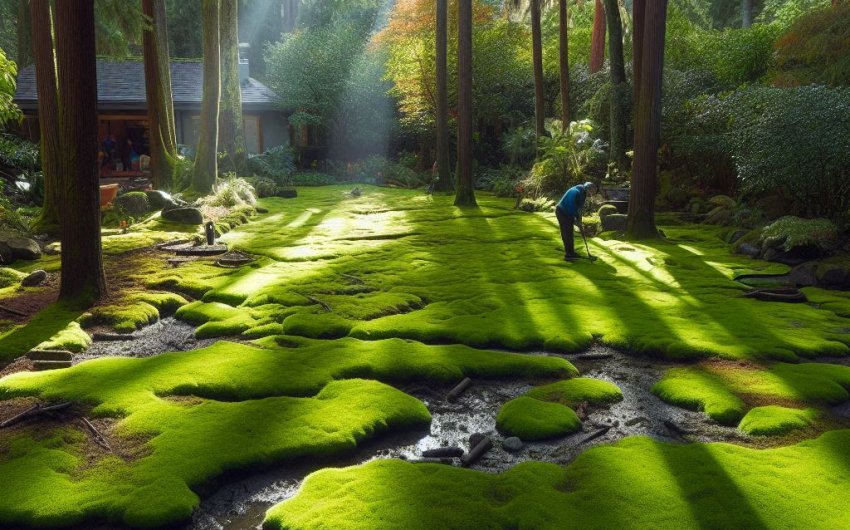
Learning how to care for a lawn with heavy moss growth can transform a spongy, green carpet of unwanted growth into a lush, healthy turf. Moss isn't just an eyesore; its presence is a clear indicator of underlying issues in your lawn's health that favor moss over grass. Tackling a moss problem effectively means not just removing the moss you see, but also correcting the conditions that allowed it to thrive in the first place. This comprehensive guide will walk you through identifying the causes of moss, removing it safely, and implementing long-term solutions to ensure your grass can outcompete moss and flourish.
Why Does Moss Grow in Lawns, and What Does It Indicate?
Moss in lawns is a very common problem, especially in certain climates. It's not a weed that competes directly with grass in the same way broadleaf weeds do. Instead, moss is an opportunistic plant that colonizes areas where grass struggles to grow, acting as a symptom of underlying lawn health issues rather than the primary problem itself.
Common Conditions That Favor Moss Growth
Moss thrives in environments that are typically unfavorable for healthy turfgrass. Understanding these conditions is the first step toward effective removal and prevention.
- Shade: This is one of the most significant factors. Grass needs ample sunlight (typically 4-6 hours of direct sun for most turf varieties) to grow densely. Moss, however, tolerates and often prefers shady, damp conditions. If trees, buildings, or fences cast consistent shade on your lawn, moss will likely flourish there.
- Poor Drainage and Excessive Moisture: Moss loves consistently wet soil.
- Compacted Soil: Soil that is heavily compacted prevents water from percolating deep into the ground. Instead, it sits on the surface, creating a perpetually damp environment ideal for moss.
- Low-Lying Areas: Depressions in the lawn or areas at the bottom of slopes can collect water, leading to saturation.
- Overwatering: Watering too frequently or shallowly can keep the surface of the soil moist, encouraging moss.
- Acidic Soil pH: Most turfgrass varieties prefer a slightly acidic to neutral soil pH (between 6.0 and 7.0). Moss tolerates, and often thrives in, more acidic conditions (pH below 5.5).
- Nutrient Deficiency/Poor Fertility: Thin, weak grass due to lack of essential nutrients can't outcompete moss. Moss can survive in very poor, nutrient-depleted soils where grass struggles.
- Thatch Buildup: A thick layer of thatch (dead grass material) on the soil surface can prevent air, water, and nutrients from reaching the grass roots, weakening the grass and providing a moist, hospitable layer for moss to grow on.
- Poor Air Circulation: In areas with dense shrubs or trees, or structures that block airflow, humidity can build up, keeping the soil surface and grass blades damp, which encourages moss.
How Can I Accurately Diagnose My Lawn's Moss Problem?
Before you embark on a plan to eliminate moss, it's crucial to correctly identify the underlying causes specific to your lawn. A proper diagnosis ensures you implement the most effective long-term solutions.
Visual Inspection of Moss-Affected Areas
- Location: Note where the moss is growing most heavily. Is it under specific trees? In low spots? Along a shaded side of the house? This immediately points to shade or drainage issues.
- Moss Type: Different types of moss can indicate different problems, though treating the underlying conditions is generally the same.
- Sheet Moss: Forms dense, flat mats. Often indicates heavy shade, high humidity, and acidic soil.
- Haircap Moss: Taller, more upright moss. Can indicate similar conditions but might tolerate slightly drier periods.
- Spreading Moss: Low-growing, velvety. Often found in compacted, poor soil.
- Grass Health: Observe the grass in and around the moss. Is it thin, pale, and struggling? Or is the moss simply in an area where grass won't grow at all?
Performing a Soil Test
A soil test is perhaps the most important diagnostic tool. It provides crucial information about your soil's pH and nutrient levels, which are invisible to the naked eye.
- How to Get a Test: Contact your local university extension office. They usually offer inexpensive soil testing services and provide detailed reports with recommendations tailored to your region. You can also purchase a home soil test kit, though these may not be as comprehensive as lab tests.
- What to Look For:
- pH Level: If your soil pH is below 6.0, it's considered acidic, and this heavily favors moss.
- Nutrient Deficiencies: Low levels of essential nutrients (nitrogen, phosphorus, potassium, etc.) can explain why your grass is weak and moss is thriving.
Assessing Drainage and Compaction
- The Percolation Test: Dig a small hole (about 6-8 inches deep and wide) in a mossy area. Fill it with water.
- Good Drainage: Water should drain completely within 10-15 minutes.
- Poor Drainage: If water sits for hours or doesn't drain, you have a serious drainage problem.
- The Screwdriver Test for Compaction: Try pushing a screwdriver or a wire flag into the soil.
- Healthy Soil: It should slide in relatively easily.
- Compacted Soil: If it's very difficult to push in, your soil is compacted.
Examining Thatch Layer
- How to Check: Use a trowel to lift a small section of turf. Observe the layer of brownish, spongy material between the green grass blades and the soil surface.
- Problem Thatch: If this layer is thicker than 1/2 inch, it's considered excessive thatch and can hinder grass growth while providing a moist bed for moss.
By systematically diagnosing these factors, you'll have a clear roadmap for addressing the root causes of your heavy moss growth, not just the symptoms.
What's the Best Way to Remove Existing Moss from My Lawn?
Once you've identified the underlying causes, the next step is to actively remove the existing moss. This can be done through chemical treatments or manual removal.
Chemical Moss Killers (Moss Control Products)
Moss killers are effective at destroying the moss, but they are a temporary solution if the underlying conditions aren't addressed. They typically contain iron-based compounds.
- Active Ingredients: Look for products containing ferrous sulfate (iron sulfate) or ferric sulfate. These compounds blacken and kill moss without harming the grass.
- Application:
- Granular Products: Apply evenly with a broadcast spreader. Often combined with fertilizer.
- Liquid Concentrates: Mix with water and apply with a pump sprayer. Good for spot treating.
- Hose-End Sprayers: Attach directly to your hose for easy application. Products like Scotts MossEX Granules or Bonide MossMax are popular.
- Timing: Apply on a cool, calm day when rain is not expected for 24-48 hours. The moss should be moist, but not soaking wet.
- Results: Moss will turn black within a few hours to a few days.
- Caution: Iron can stain concrete, patios, and driveways, so be careful during application.
Manual Removal (Raking or Dethatching)
After the moss has turned black from a chemical treatment (or if you prefer a chemical-free approach), you'll need to remove the dead moss physically.
- Raking: For small areas, a sturdy steel rake can be effective. Rake vigorously to pull up the dead moss.
- Dethatching (Power Raking): For widespread or heavy moss growth, a dethatcher (also called a power rake) is highly effective. You can rent one from a home improvement store or purchase a corded electric dethatcher for consistent use.
- Process: Run the dethatcher over the affected areas. It will pull up vast amounts of dead moss and thatch. Be prepared for a large volume of debris.
- Aerating: For compacted areas, aeration can help break up the soil, bringing plugs to the surface. While not directly removing moss, it improves the environment for grass. A manual core aerator is good for small spots, or rent a larger machine.
Dispose of Moss Properly
Collect all the removed moss and dispose of it. Do not add it to your compost pile unless you are certain your compost reaches very high temperatures, as moss spores can easily spread. Bag it with yard waste or send it to a municipal composting facility.
What Long-Term Strategies Will Prevent Moss from Returning?
Removing existing moss is only half the battle. To prevent heavy moss growth from returning, you must implement long-term strategies that improve your lawn's health and address the underlying conditions.
Improve Drainage and Aeration
- Aeration: Regularly aerate your lawn (at least once a year, or twice for heavily compacted areas). Core aeration removes small plugs of soil, creating channels for air, water, and nutrients to penetrate deeper, improving root growth and alleviating compaction. Rent a core aerator for larger lawns.
- Topdressing: After aeration, consider topdressing with a thin layer (1/4 to 1/2 inch) of sand, compost, or a sand-compost mix. This further improves soil structure and drainage over time.
- Address Low Spots: Fill low-lying areas that collect water with a sand-based soil mix to ensure water drains away. For severe cases, consider installing french drains or other landscape drainage solutions.
Adjust Soil pH
- Lime Application: If your soil test shows an acidic pH (below 6.0), apply lime (calcium carbonate). Lime raises soil pH, making it less acidic and more favorable for grass growth.
- Timing: Apply lime in fall or early spring.
- Type: Granular dolomitic lime (which also provides magnesium) is often preferred for lawns. Pelletized limestone is easier to spread.
- Rate: Follow soil test recommendations precisely. Over-liming can also cause problems. It takes time for lime to work, so retest your soil annually.
Increase Sunlight
- Pruning Trees and Shrubs: If shade is the primary cause, consider pruning lower branches of trees and shrubs to allow more sunlight to reach the lawn. Thinning the canopy can also improve air circulation.
- Replace Grass in Deep Shade: In areas of very deep, persistent shade where grass simply won't grow (less than 3 hours of direct sun), consider alternatives to turfgrass.
- Shade-Tolerant Groundcovers: Plants like hostas, ferns, ajuga, or vinca can create an attractive, low-maintenance alternative to grass.
- Mulch Beds: Create a mulched area under trees, extending out to the drip line, to completely suppress moss and provide a tidy appearance. Use organic cedar mulch.
Optimize Fertilization
- Regular Feeding: A well-nourished lawn is dense and robust, effectively outcompeting moss. Follow a regular fertilization schedule based on your soil test results. Use a slow-release lawn fertilizer appropriate for your grass type and season. Scotts Turf Builder UltraFeed is a popular slow-release option.
- Iron Supplements (Caution): While iron kills moss, adding too much iron (beyond what your grass needs) can acidify the soil over time and stain concrete. Use it for targeted moss killing, not as a general fertilizer unless your soil test indicates an iron deficiency.
Overseeding with Shade-Tolerant Grass
- After Moss Removal: Once you've removed the moss and addressed the underlying conditions, overseed the bare patches.
- Choose the Right Seed: If shade is an issue, select a shade-tolerant grass seed blend suitable for your climate. Fine fescues (creeping red fescue, chewing fescue, hard fescue) are often excellent choices for shady areas. Jonathan Green Black Beauty Grass Seed has varieties specifically for shady lawns.
- Proper Technique: Ensure good seed-to-soil contact. Keep the newly seeded areas consistently moist until germination.
How Do Proper Mowing and Watering Habits Impact Moss Control?
Your daily and weekly lawn care routines, specifically how you mow and water, play a significant role in either encouraging or discouraging moss growth. Adjusting these habits is a simple yet powerful way to support a healthy, moss-free lawn.
Mowing Practices for Moss Prevention
- Mow High: This is one of the easiest and most impactful changes you can make. Mow your lawn at the highest recommended height for your grass type, typically 2.5 to 3 inches (or even 3.5-4 inches for some cool-season grasses).
- Benefits: Taller grass blades create more shade on the soil surface, inhibiting moss seed germination. They also encourage deeper, stronger root growth, making the grass more robust and resilient.
- Don't Mow Too Low: Scalping your lawn (mowing too short) stresses the grass, weakens it, and opens up bare patches for moss to invade. It also exposes the soil to more sunlight initially, but then leaves the grass too weak to compete.
- Sharp Mower Blades: Ensure your mower blades are sharp. Dull blades tear the grass, leading to ragged edges that are more susceptible to disease and stress. Use a blade sharpener or have them professionally sharpened regularly.
- Mowing Frequency: Mow frequently enough so that you only remove one-third of the grass blade height at any one time. This maintains a healthy height without shocking the plant.
Watering Practices for Moss Prevention
- Water Deeply and Infrequently: This is crucial for moss control.
- Deep: When you water, provide enough water to penetrate 6-8 inches deep into the soil. This encourages grass roots to grow deep, making them more resilient to drought and competition.
- Infrequent: Water only when the grass shows signs of stress (e.g., foot traffic leaves impressions, grass blades turn dull blue-green). Then, water deeply again. This allows the soil surface to dry out between waterings, creating an inhospitable environment for moss spores.
- Avoid Frequent, Shallow Watering: This is a common mistake that actually encourages moss. Shallow watering keeps the top layer of soil constantly moist, which is exactly what moss loves, while only promoting shallow grass roots that are vulnerable.
- Water in the Morning: The best time to water is early morning (before 10 AM). This allows the grass blades to dry completely before nightfall, reducing the risk of fungal diseases that thrive in prolonged dampness.
- Check Sprinkler Coverage: Ensure your irrigation system is providing even coverage and not overwatering certain areas, especially shaded ones. Use a rain gauge to measure output.
By consistently applying these improved mowing and watering habits, you'll dramatically shift the environmental balance in favor of healthy grass and against heavy moss growth, making your lawn less susceptible to future moss invasions.
When Should I Call a Professional for My Moss Problem?
While many moss problems can be effectively tackled with DIY methods, there are instances where professional help can be invaluable, especially for severe or persistent issues.
Persistent Moss Despite Efforts
- You've Tried Everything: If you've diligently followed all the advice – applied moss killer, raked, aerated, limed, improved drainage, adjusted watering, and overseeded – but the moss keeps returning stubbornly, it might be time for expert intervention.
- Complex Underlying Issues: Sometimes, the underlying problems are more complex than can be easily fixed by a homeowner. This could include severe compaction that requires specialized equipment, major grading issues leading to pooling water, or unique soil deficiencies.
Large-Scale or Severe Infestations
- Overwhelmed by the Task: If your entire lawn is covered in thick moss, the sheer scale of removal and renovation might be too much for a single homeowner to handle efficiently.
- Heavy Equipment Needed: Professionals have access to commercial-grade dethatchers, aerators, and possibly even verticutters (slicers) that can penetrate the soil more effectively than rental equipment, especially for severely compacted areas.
Limited Time or Physical Capability
- Busy Schedule: Lawn renovation, especially for moss, can be labor-intensive and time-consuming. If you don't have the time to dedicate to it, a professional service can provide the necessary care.
- Physical Limitations: Dethatching and aerating can be physically demanding. If you have physical limitations, hiring a professional is a safe and practical choice.
Unsure of the Cause or Solution
- Mystery Moss: If you've diagnosed the problem but are still unsure of the most effective long-term solution, a lawn care professional can conduct a thorough assessment and propose a tailored plan. They often have more in-depth knowledge of local soil types, common lawn diseases, and the specific needs of different grass varieties in your region.
- Pesticide/Herbicide Application: While moss killers are generally safe, some broader lawn issues might require more potent chemicals. If you're uncomfortable handling certain lawn chemicals, professionals are trained and licensed for their safe application.
Benefits of Hiring a Professional
- Expert Diagnosis: They can accurately identify all contributing factors, including those you might have missed.
- Specialized Equipment: Access to commercial-grade equipment for efficient and effective treatment.
- Tailored Solutions: Development of a comprehensive, long-term plan specifically for your lawn's unique needs.
- Time and Labor Savings: Frees up your time and prevents strenuous manual labor.
- Guaranteed Results: Many reputable companies offer guarantees on their services.
When tackling heavy moss growth, remember it's a marathon, not a sprint. Consistency in addressing the underlying issues is key. Whether you choose to go the DIY route or seek professional help, understanding how to care for a lawn with heavy moss growth and committing to a comprehensive lawn care strategy will ultimately lead to a healthier, more vibrant turf that can withstand the opportunistic invasion of moss.