
What Are the Best Grasses for Low-Light Lawns?
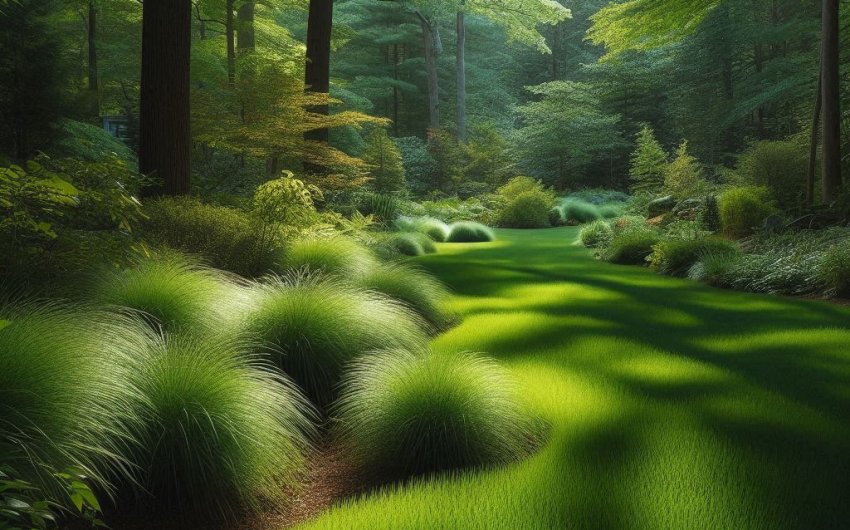
Maintaining a lush, green lawn in a low-light area can feel like an impossible task, especially when traditional grass varieties struggle to thrive. However, understanding what are the best grasses for low-light lawns can transform these challenging spots into verdant, enjoyable spaces. While no grass can grow in complete darkness, certain species are significantly more shade-tolerant than others, offering a viable solution for shady yards, areas under trees, or north-facing sections of your property.
What Defines a Low-Light or Shady Lawn Area?
Before selecting the best grasses for low-light lawns, it's crucial to accurately assess the amount and type of shade your lawn receives. Not all shade is created equal, and understanding the nuances will significantly impact your success.
1. Full Shade
- Definition: An area that receives less than 3 hours of direct sunlight per day, and often no direct sun at all. It may still be bright from reflected light (e.g., off a light-colored wall).
- Typical Locations: Under dense tree canopies (especially evergreens), on the north side of a house or tall fence, or beneath a deck.
- Challenges: Very limited energy for photosynthesis, higher humidity, often intense root competition from trees, and slower drying of dew or moisture (increasing disease risk).
- Best Grasses For: Only the most shade-tolerant grass types will survive here, and even then, their density and vigor will be reduced. You might need to adjust expectations for turf quality or consider alternative groundcovers.
2. Partial Shade / Part Sun
- Definition: An area that receives 3 to 6 hours of direct sunlight per day. This can be morning sun, late afternoon sun, or dappled light throughout the day.
- Typical Locations: Under deciduous trees (sun in spring, dappled in summer), east-facing locations (morning sun), or west-facing locations (afternoon sun, which can be more intense and drying).
- Challenges: The quality of sun matters. Afternoon sun can be very harsh and drying, even for "part sun" grasses.
- Best Grasses For: A wider range of grass types will do well here, especially if the direct sun is morning sun.
3. Dappled Shade
- Definition: Sunlight filters through tree leaves all day, creating shifting patterns of sun and shadow. It's like a constant indirect light, providing more consistent but less intense light than direct sun.
- Typical Locations: Under mature, open-canopied trees.
- Challenges: Often the ideal type of shade for many shade-tolerant grasses, as it provides consistent light without scorching.
- Best Grasses For: Many "partial shade" tolerant grasses will thrive beautifully here.
4. Dense / Deep Shade
- Definition: Receives virtually no direct sun, and very little reflected or indirect light. It is consistently dark and often dry (due to tree root competition) or perpetually damp.
- Typical Locations: Very close to large, dense evergreen trees, or in narrow gaps between tall buildings.
- Challenges: Extremely difficult for any grass to grow due to the severe lack of light, often compounded by root competition or poor air circulation.
- Best Grasses For: No grass will thrive in truly deep shade. You might achieve minimal sparse growth, but it's often more realistic to consider alternative groundcovers, mulched areas, or shade-loving gardens.
Why is Knowing the Type of Shade Important for Grass?
- Survival: Grasses, like all plants, need light for photosynthesis. Without enough, they can't produce energy to grow, leading to thin, weak, brown, or dead patches.
- Density and Color: Even shade-tolerant grasses will be less dense and might have a slightly paler color in shadier conditions compared to full sun.
- Disease Risk: Shady areas often stay wet longer, increasing the risk of fungal diseases.
- Choosing the Right Grass: Matching the grass species and cultivar to your specific shade level is paramount for establishing and maintaining a healthy lawn.
By accurately assessing your lawn's light conditions, you can make an informed decision about what are the best grasses for low-light lawns and set realistic expectations for your shady green spaces.
What Are the Best Cool-Season Grasses for Low-Light Lawns?
Cool-season grasses are well-suited for regions with cold winters and hot summers, typically thriving in the spring and fall. Among these, several varieties stand out as the best grasses for low-light lawns, offering better performance in shaded conditions than their sun-loving counterparts.
1. Fine Fescues (Various Types)
Fine Fescues are generally considered the most shade-tolerant of the cool-season grasses. This group includes several distinct types that are often blended together for optimal performance.
- Types:
- Creeping Red Fescue (Festuca rubra): Very shade tolerant, fine texture, forms a dense sod due to creeping rhizomes. Good for areas with moderate foot traffic.
- Chewings Fescue (Festuca rubra commutata): Similar to Creeping Red but without rhizomes (bunch-type). Very fine texture, good shade tolerance.
- Hard Fescue (Festuca trachyphylla): Excellent shade tolerance, very low water and nutrient requirements, tough blades. More drought tolerant.
- Sheep Fescue (Festuca ovina): Similar to Hard Fescue, good for very dry, poor soil in shade.
- Appearance: Very fine, thin blades, giving the lawn a soft, almost wispy appearance. Colors range from medium to dark green, sometimes with a bluish tint.
- Shade Tolerance: Excellent. They can tolerate significant shade (partial to full shade), though they will be less dense in very deep shade.
- Other Benefits:
- Low Maintenance: Require less water and fertilizer than many other turfgrasses.
- Drought Tolerance: Generally good drought tolerance once established.
- Cold Hardiness: Excellent cold hardiness.
- Considerations:
- Traffic: Can tolerate moderate foot traffic, but heavy traffic will thin them out.
- Disease: Can be susceptible to Red Thread and Dollar Spot in certain conditions.
- Establishment: May take longer to establish from seed.
- Often found in Shade Grass Seed Mixes.
2. Tall Fescue (Festuca arundinacea)
While often considered a sun grass, newer varieties of Tall Fescue show good shade tolerance.
- Appearance: Broader blade than fine fescues, medium to dark green color. Forms a deep, extensive root system.
- Shade Tolerance: Good to very good, especially newer cultivars specifically bred for shade. It tolerates partial shade well, and can perform in fuller shade better than Kentucky Bluegrass.
- Other Benefits:
- Drought Tolerance: Excellent drought tolerance due to deep roots.
- Heat Tolerance: Good heat tolerance for a cool-season grass.
- Traffic Tolerance: Good traffic tolerance.
- Disease Resistance: Often bred for improved disease resistance.
- Considerations:
- Texture: Coarser texture than fine fescues or Kentucky bluegrass.
- Clumping: Tends to grow in clumps if not overseeded regularly.
- Thatch: Can build up thatch if not managed.
3. Rough Bluegrass (Poa trivialis)
Sometimes called Rough Stalk Bluegrass. Used primarily in very wet, shady areas.
- Appearance: Bright, apple-green color, very fine texture. Has stolons, meaning it spreads to form a dense turf.
- Shade Tolerance: Excellent. One of the best for full shade, especially where moisture is consistently present.
- Other Benefits:
- Moisture Loving: Thrives in damp, shady conditions where other grasses struggle.
- Quick Establishment: Establishes quickly.
- Considerations:
- Heat Sensitivity: Very poor heat and drought tolerance. Will go dormant or die in hot, dry summers if not consistently watered.
- Traffic: Not very tolerant of heavy foot traffic.
- Color: Its bright green color can sometimes stand out against other darker green grasses.
- Invasiveness: Can be invasive in areas where it thrives. Usually only used in specific, problematic wet shade spots or mixed in small percentages.
Why Blends are Often Best for Shade:
Many successful low-light lawns use a blend of these cool-season grasses.
- Combined Strengths: A mix combines the strengths of different fescues (e.g., fine texture and shade tolerance of creeping red, drought tolerance of hard fescue, and traffic tolerance of tall fescue).
- Adaptability: Different microclimates within a single shady area (e.g., dappled vs. full shade) can be better served by a diverse blend.
- Disease Resistance: A blend helps prevent a single disease from wiping out the entire lawn.
When overseeding or planting a new lawn in a cool-season region, look for grass seed mixes specifically marketed as "shade blends." These will typically contain a higher percentage of fine fescues and shade-tolerant tall fescue cultivars, providing the best grasses for low-light lawns.
What Are the Best Warm-Season Grasses for Low-Light Lawns?
Warm-season grasses are adapted to regions with hot summers and mild winters, thriving during the warmest months and going dormant in cooler weather. While generally less shade-tolerant than cool-season fescues, some varieties still stand out as the best grasses for low-light lawns in warm climates.
1. St. Augustinegrass (Stenotaphrum secundatum)
Often considered the most shade-tolerant warm-season grass.
- Appearance: Coarse-bladed, dense, dark green turf that spreads by stolons (above-ground runners). Forms a thick, carpet-like lawn.
- Shade Tolerance: Very good. Some cultivars are specifically bred for improved shade tolerance (e.g., 'Palmetto', 'Raleigh', 'Seville'). It performs well in partial shade.
- Other Benefits:
- Heat & Drought Tolerance: Good heat and drought tolerance once established.
- Salt Tolerance: Good for coastal areas.
- Weed Suppression: Its dense growth habit helps suppress weeds.
- Considerations:
- Cold Hardiness: Only hardy to USDA Zone 8 or 9. Susceptible to freeze damage.
- Traffic Tolerance: Only moderate traffic tolerance.
- Thatch: Prone to heavy thatch buildup, requiring dethatching.
- Pest Susceptibility: Can be prone to Chinch Bugs and Brown Patch disease.
- Typically grown from sod or plugs.
- A shade-tolerant St. Augustinegrass such as Palmetto St. Augustine is a good option.
2. Zoysiagrass (Zoysia japonica)
A tough, slow-growing grass known for its density.
- Appearance: Fine to medium-bladed, dense, deep green turf that spreads slowly by rhizomes and stolons. Forms a very dense, traffic-tolerant lawn.
- Shade Tolerance: Good. It tolerates partial shade better than Bermudagrass but less than St. Augustinegrass. Some cultivars show better shade tolerance (e.g., 'Meyer', 'Emerald').
- Other Benefits:
- Drought Tolerance: Excellent drought tolerance once established due to deep root system.
- Heat Tolerance: Very good heat tolerance.
- Traffic Tolerance: Excellent traffic tolerance.
- Weed Suppression: Extremely dense growth helps crowd out weeds.
- Low Maintenance: Requires less mowing and fertilization once established.
- Considerations:
- Slow Establishment: Very slow to establish from seed, often planted from sod or plugs.
- Dormancy: Goes dormant (turns brown) earlier in fall and greens up later in spring than other warm-season grasses.
- Thatch: Can be prone to thatch buildup.
- Can be a Zoysia Grass Seed option.
3. Centipedegrass (Eremochloa ophiuroides)
A low-growing, low-maintenance choice for humid, warm climates.
- Appearance: Coarse-bladed, apple-green grass that forms a dense, low-growing turf. Spreads by stolons.
- Shade Tolerance: Moderate to good. It performs reasonably well in partial shade but is not as shade-tolerant as St. Augustinegrass.
- Other Benefits:
- Low Maintenance: Requires less mowing, fertilizer, and water once established.
- Heat & Drought Tolerance: Good heat and moderate drought tolerance.
- Acidic Soil Tolerance: Tolerates acidic soils better than many other grasses.
- Considerations:
- Cold Hardiness: Poor cold tolerance, generally hardy only to USDA Zone 7b or 8.
- Traffic Tolerance: Poor traffic tolerance.
- Iron Deficiency: Can be prone to iron chlorosis (yellowing) in high pH soils.
- Thatch: Can develop thatch.
- Often established via Centipede Grass Seed or plugs.
4. Bermudagrass (Cynodon dactylon)
While a sun-loving grass, some newer cultivars show improved shade tolerance.
- Appearance: Fine to medium-bladed, vigorous spreader by stolons and rhizomes. Forms a very dense, tough turf.
- Shade Tolerance: Generally poor to moderate. Most Bermudagrass varieties will thin out and struggle in anything more than light shade. Look for specific shade-tolerant cultivars if considering this option (e.g., some turf-type Bermudas).
- Other Benefits:
- Drought Tolerance: Excellent drought tolerance.
- Heat & Traffic Tolerance: Excellent heat and traffic tolerance.
- Repairability: Recovers quickly from damage.
- Considerations:
- Very Aggressive: Can be invasive in flower beds.
- High Maintenance: Requires frequent mowing and fertilization for optimal appearance.
- Dormancy: Goes completely brown in winter.
When planning a lawn in a warm climate with low-light areas, assess your specific shade level and prioritize St. Augustinegrass or Zoysiagrass for the best grasses for low-light lawns.
What are the Special Care Considerations for Low-Light Lawns?
Even when you plant the best grasses for low-light lawns, these areas require specific care adjustments to help them thrive. Shade-tolerant grasses still need adequate light for photosynthesis, and the unique conditions of shaded environments present their own challenges.
1. Mowing Adjustments
- Mow Higher: This is perhaps the most critical adjustment for shade. Set your mower blades to the highest recommended height for your grass type (typically 3-4 inches or 7.5-10 cm).
- Why: Taller grass blades have more surface area to capture limited light, increasing photosynthesis. They also help shade the soil, reducing moisture loss.
- Mow Less Frequently: Shaded grass grows more slowly than grass in full sun. You won't need to mow as often. Only mow when necessary, following the "one-third rule" (never remove more than one-third of the blade length in a single mowing).
- Sharp Blades: Always use a very sharp mower blade. Dull blades tear the grass, causing ragged, brown tips and making the plant more susceptible to disease, which is already a higher risk in shade.
2. Watering Adjustments
- Check Soil Moisture: Shady areas typically retain moisture longer than sunny areas due to less evaporation.
- Avoid Overwatering: Overwatering is a common killer of shade grass, leading to root rot and fungal diseases.
- Water Only When Needed: Use the "finger test" or a moisture meter to check soil moisture before watering. Water deeply but less frequently than sunny areas.
- Water Early in the Morning: If you do need to water, do it in the early morning (e.g., 4 AM - 9 AM). This allows the grass blades to dry completely before nightfall, significantly reducing the risk of fungal diseases. Avoid evening watering in shady areas.
- Improve Drainage: If your shady area is consistently soggy, you may need to improve drainage through aeration or by amending the soil with organic matter.
3. Fertilization Adjustments
- Less Nitrogen: Shade grass requires less nitrogen than full-sun grass. Too much nitrogen can lead to lush, weak growth that is highly susceptible to disease.
- Balanced Fertilizer: Use a balanced slow-release granular fertilizer (e.g., 10-10-10 or one with slightly lower nitrogen, higher phosphorus, and potassium) at about half the rate recommended for full-sun lawns.
- Timing: Fertilize in late fall and early spring for cool-season grasses. For warm-season grasses, fertilize lightly in late spring/early summer. Avoid fertilizing in mid-summer heat or winter dormancy.
- Organic Options: Topdressing with compost annually can provide a gentle, slow-release of nutrients and improve soil health without the risk of over-fertilization.
4. Improve Air Circulation
- Pruning Trees/Shrubs: Prune lower branches of trees and thin out dense shrubs that are shading the lawn. This not only increases light penetration but also improves airflow, helping the grass dry faster and reducing disease risk.
- Avoid Overcrowding: Don't plant dense shrubs or other plants too close to the lawn's edge, as this can impede air circulation.
5. Managing Thatch and Compaction
- Aeration: Shady lawns are often prone to compaction and thatch buildup due to reduced decomposition rates. Core aerate annually or every other year to improve air and water penetration.
- Dethatching: If thatch builds up to more than 1/2 inch (1.3 cm), consider dethatching (power raking) in the appropriate season.
6. Dealing with Tree Roots
- Mulch or Groundcover: If tree roots are a major issue, consider giving up on grass in that specific spot. Expand the tree's mulch ring, or plant shade-tolerant groundcovers that can compete with tree roots (e.g., Epimedium, Hellebores, Wild Ginger).
- Deep Watering: If trying to grow grass over roots, ensure very deep, infrequent watering to encourage grass roots to grow below the tree roots.
By implementing these specialized care strategies, you can significantly improve the health and appearance of your low-light lawns and help the chosen grasses thrive in their challenging environment.
What Are Alternatives to Grass for Low-Light Lawns?
For areas of truly deep or dense shade, or where turfgrass simply won't thrive despite all efforts, considering alternatives to traditional lawn grasses can be a more sustainable and aesthetically pleasing solution. These alternatives contribute to beautiful low-light lawns without the constant struggle of brown patches.
1. Groundcovers
Groundcovers are low-growing plants that spread to form a dense mat, often providing lush green coverage or seasonal blooms in challenging shady areas.
- Advantages:
- Shade Tolerance: Many varieties are specifically adapted to deep shade.
- Low Maintenance: Once established, they often require less mowing, watering, and fertilizing than grass.
- Weed Suppression: Their dense growth helps suppress weeds.
- Erosion Control: Good for slopes or areas prone to erosion.
- Texture and Color: Offer a wider variety of textures, colors, and sometimes flowers compared to grass.
- Top Choices for Shade:
- Bugleweed (Ajuga reptans): Very tough, low-growing, spreads readily, comes in green, bronze, or variegated foliage, with blue or purple flower spikes. Can be aggressive.
- Epimedium (Bishop's Hat / Barrenwort): Delicate foliage, unique flowers in spring. Extremely drought-tolerant once established in dry shade.
- Pachysandra (Pachysandra terminalis): Dense, evergreen groundcover. Good for formal look. Can be aggressive spreader.
- Creeping Jenny (Lysimachia nummularia 'Aurea'): Bright chartreuse foliage, vigorous spreader, likes moist shade.
- Wild Ginger (Asarum canadense): Native, heart-shaped velvety leaves, forms a dense groundcover in moist shade.
- Sweet Woodruff (Galium odoratum): Fine-textured, delicate white flowers in spring, naturalizes well.
- Vinca (Periwinkle - Vinca minor): Trailing stems with glossy evergreen leaves and small blue or white flowers. Very tough.
2. Moss Gardens
For truly deep shade, especially where soil is perpetually damp or slightly acidic, a moss garden can be a stunning and low-maintenance option.
- Advantages:
- Ultimate Shade Tolerance: Moss thrives where grass cannot.
- No Mowing: No maintenance beyond keeping it free of fallen leaves.
- No Fertilizing: Doesn't require fertilizer.
- Unique Aesthetic: Creates a serene, ancient, velvety carpet.
- Considerations:
- Establishment: Requires consistently damp conditions to establish.
- Foot Traffic: Not tolerant of heavy foot traffic.
- pH: Prefers slightly acidic soil.
3. Shade Garden Beds
Transforming problem shady lawn areas into dedicated garden beds filled with shade-loving perennials, shrubs, and trees.
- Advantages:
- Design Freedom: Allows for a rich tapestry of colors, textures, and heights.
- Reduced Maintenance: Once established, many shade perennials require less intensive care than a lawn.
- Pollinator Friendly: Many shade plants attract beneficial insects and wildlife.
- Top Plants for Shade Garden Beds:
- Hostas: Incredible variety of foliage colors and textures.
- Astilbe: Feathery plumes of color.
- Ferns: Wide range of sizes and frond textures.
- Hellebores (Lenten Rose): Early spring blooms, evergreen foliage.
- Ligularia: Bold foliage, bright yellow/orange flowers (for wet shade).
- Coral Bells (Heuchera): Colorful, ornamental foliage.
- Tiarella (Foamflower): Delicate flowers, interesting foliage.
- For a comprehensive guide, refer to "What Are the Best Perennial Flowers for Shady Gardens?"
4. Hardscaping
When all else fails, or for very high-traffic areas in deep shade, hardscaping is a durable, no-maintenance option.
- Advantages:
- Zero Plant Maintenance: No watering, mowing, or fertilizing.
- Durability: Withstands heavy foot traffic.
- Design Element: Can add structure and visual appeal.
- Options:
- Patios or Walkways: Create inviting outdoor living spaces or clear paths.
- Gravel Areas: Lay down decorative gravel (with landscape fabric underneath for weed suppression).
- Decks: Extend existing decks or build a small, intimate seating area.
By exploring these alternatives, you can create functional, beautiful, and low-maintenance outdoor spaces, even in challenging low-light lawns, ensuring every part of your yard contributes to its overall charm and usability.