
How Do I Care for a Wildflower Lawn?
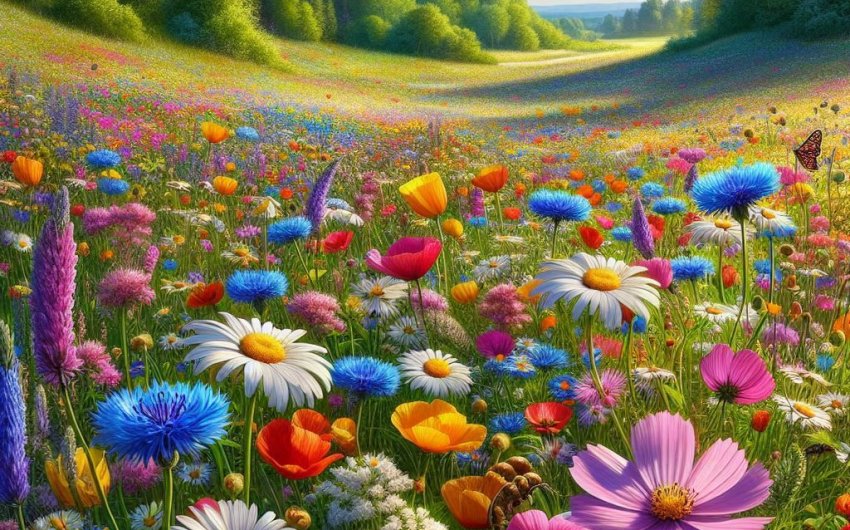
Transforming a traditional turfgrass lawn into a vibrant wildflower meadow is a truly rewarding endeavor, offering a burst of natural beauty, enhanced biodiversity, and significantly reduced maintenance. If you're wondering how do I care for a wildflower lawn, you're embarking on a journey towards a more eco-friendly and dynamic landscape. Unlike conventional lawns that demand constant mowing, watering, and fertilizing, wildflower lawns embrace a more natural approach, providing continuous blooms and attracting pollinators while requiring a different set of care principles.
What is a Wildflower Lawn and Why Should I Consider One?
Before delving into the specifics of how do I care for a wildflower lawn, it's helpful to understand what truly defines this type of landscape and the compelling reasons gardeners are increasingly embracing it. A wildflower lawn is a departure from the monoculture of traditional turfgrass, embracing diversity and natural processes.
What Defines a Wildflower Lawn?
A wildflower lawn, often called a meadow lawn or pollinator lawn, is a cultivated area primarily sown with a mix of native or naturalized wildflowers and sometimes grasses, creating a less formal, more ecological landscape.
- Diversity: Unlike a traditional lawn dominated by one or two grass species, a wildflower lawn features a rich tapestry of flowering plants.
- Natural Appearance: It's designed to mimic the look and function of a natural meadow or prairie, with plants growing to varying heights and blooming sequentially throughout the season.
- Reduced Inputs: It requires significantly less mowing, watering, and chemical inputs (fertilizers, pesticides, herbicides) compared to a conventional turfgrass lawn.
- Ecological Function: It provides vital habitat and food sources for a wide array of wildlife.
Why Should I Consider a Wildflower Lawn?
The benefits of cultivating a wildflower lawn extend far beyond its aesthetic appeal.
1. Environmental Benefits
- Biodiversity Boost: This is perhaps the most significant advantage. Wildflower lawns attract and support a diverse range of pollinators (bees, butterflies, moths), beneficial insects, birds, and other small wildlife, helping to combat declining pollinator populations.
- Reduced Water Usage: Once established, many wildflowers are drought-tolerant and require significantly less supplemental irrigation than thirsty turfgrass, especially native mixes.
- Reduced Chemical Use: Wildflower lawns thrive without synthetic fertilizers, herbicides, and pesticides, protecting soil health, water quality, and beneficial insects.
- Carbon Sequestration: Deep-rooted perennials in a meadow capture and store more carbon in the soil than shallow-rooted turfgrass.
- Erosion Control: The diverse root systems of wildflowers are excellent at stabilizing soil, particularly on slopes.
2. Low Maintenance (Different Type of Maintenance)
- Less Mowing: The most noticeable change. Instead of weekly mowing, a wildflower lawn typically needs to be mowed only once or twice a year.
- Less Watering: Established meadows are often self-sufficient, relying primarily on rainfall.
- No Fertilizing: Wildflowers are adapted to leaner soils and do not require supplemental fertilizer.
- No Herbicide/Pesticide: A healthy meadow ecosystem is more resilient to pests and diseases, often without chemical intervention.
3. Aesthetic and Enjoyment
- Dynamic Beauty: Offers a continuous, changing display of colors and textures throughout the growing season, unlike the uniform green of turf.
- Unique Charm: Creates a more natural, wild, and charming aesthetic that stands out.
- Sensory Experience: Attracts colorful butterflies and buzzing bees, filling the air with movement and sometimes fragrance.
- Connection to Nature: Provides a direct connection to local ecosystems right in your yard.
4. Cost Savings
- Reduced expenses on fuel for mowers, water bills, fertilizers, pesticides, and weed killers.
5. Adaptability
- Can be created in various sizes, from small patches in urban gardens to large expanses in rural settings.
- Can be adapted for full sun or partial shade, and for different soil types, by choosing the appropriate seed mix.
While establishing a wildflower lawn requires some initial effort and patience, the long-term benefits for both the environment and the gardener make it a worthwhile investment in creating a truly vibrant and sustainable landscape. The subsequent sections will guide you through how do I care for a wildflower lawn step-by-step.
How Do I Prepare My Site for a Wildflower Lawn?
Proper site preparation is the most critical step in successfully learning how do I care for a wildflower lawn. Skipping this stage or doing it poorly will lead to persistent weed problems and a sparse meadow. The goal is to eliminate existing vegetation and create a clean slate for your wildflowers.
1. Clear Existing Vegetation
This is the most important and often most labor-intensive step. You need to remove all existing grass and weeds.
- Method 1: Solarization (Recommended for Larger Areas)
- Mow Short: Mow the area as short as possible.
- Water: Water the area thoroughly to encourage weed seeds to germinate.
- Cover: In late spring or early summer, lay clear, heavy-gauge (at least 4-6 mil) plastic sheeting directly over the prepared area.
- Secure: Anchor the edges of the plastic very securely with rocks, soil, or stakes to create an airtight seal.
- Wait: Leave the plastic in place for 6-8 weeks (or even longer in cooler climates), allowing the sun's heat to "cook" and kill existing vegetation and many weed seeds.
- Remove: Once vegetation is dead (brown and brittle), remove the plastic.
- Method 2: Sheet Mulching / Lasagna Gardening (Organic)
- Mow Short: Mow the area as short as possible.
- Layer: Lay down overlapping layers of cardboard (remove all tape and labels) directly over the grass/weeds. Wet the cardboard thoroughly.
- Add Organic Matter: Layer nitrogen-rich materials (e.g., green grass clippings, manure, coffee grounds) and carbon-rich materials (e.g., straw, shredded leaves, wood chips). Alternate layers like a lasagna.
- Wait: This method takes longer (at least 6 months to a year) for the layers to decompose and smother vegetation. You can plant directly into the top layers in spring after sufficient decomposition.
- Method 3: Hand Removal / Sod Removal (Small Areas)
- Dig or Cut: For small areas, you can manually dig out or use a sod cutter to remove existing turf.
- Shake Soil: Shake as much soil off the roots as possible to retain precious topsoil.
- Method 4: Herbicide (Least Recommended for Wildflowers)
- While effective, using a non-selective herbicide like glyphosate can be an option, but it goes against the "natural" ethos of many wildflower gardeners. If used, follow all safety instructions and allow sufficient time for the chemical to dissipate before planting.
2. Amend the Soil (Sparingly)
Unlike vegetable gardens, wildflower lawns generally prefer lean soil. Overly rich soil can encourage aggressive weeds or cause wildflowers to grow too tall and flop.
- If your soil is very poor (heavy clay, pure sand): You can incorporate a modest amount of compost (e.g., a 1-2 inch or 2.5-5 cm layer worked into the top 6 inches or 15 cm). This improves drainage and structure without making it overly fertile.
- Avoid Excessive Fertilization: Do not add synthetic fertilizers. Wildflowers thrive in conditions that would cause turfgrass to struggle.
3. Ensure Good Drainage
Most wildflowers prefer well-drained soil.
- Test: If water pools for more than a few hours after a rain, you might have drainage issues.
- Solutions: Incorporating organic matter will help improve drainage in clay soils. For severely poorly drained areas, consider a slightly raised bed.
4. Final Raking and Leveling
- Rake Smooth: After preparing the soil, gently rake the area to remove any remaining debris (rocks, roots, clumps) and create a relatively smooth, even surface. This ensures good seed-to-soil contact.
- Avoid Over-Compacting: Don't heavily compact the soil after preparation. A loose, airy top layer is good for seed germination.
Proper preparation creates the essential blank canvas for your wildflowers, setting the stage for successful mulberry magic in your garden.
How Do I Choose the Right Wildflower Seed Mix?
Selecting the appropriate wildflower seed mix is a pivotal step in successfully learning how do I care for a wildflower lawn. The right mix ensures the chosen species will thrive in your specific climate and site conditions, offering continuous blooms and ecological benefits.
1. Know Your Region and Climate (USDA Hardiness Zone)
- Native vs. Non-Native: Prioritize mixes that contain native wildflowers to your specific region or state. Native plants are adapted to your local climate, soil, and rainfall patterns, making them more resilient, requiring less care, and providing the best support for local pollinators and wildlife.
- USDA Hardiness Zone: Ensure the plants in the mix are hardy in your USDA Hardiness Zone.
- Local Suppliers: Look for seed suppliers that specialize in regional native seed mixes. Your local agricultural extension office or native plant society can also provide guidance.
2. Match the Mix to Your Site Conditions
- Sunlight:
- Full Sun Mix: For areas receiving 6+ hours of direct sun. Most common wildflower mixes are for full sun.
- Partial Shade Mix: For areas receiving 3-6 hours of sun or dappled light. These mixes will contain more woodland edge species.
- Full Shade Mix: Very few wildflowers thrive in deep, dark shade. If this is your condition, manage expectations and look for highly specialized mixes or consider alternatives.
- Soil Moisture:
- Dry/Well-Drained Mix: For sandy soils or areas that dry out quickly.
- Average/Mesic Mix: For typical garden soil that is consistently moist but not soggy.
- Wet/Moist Mix: For areas with consistently damp soil or poor drainage.
- Soil Type: While most mixes are adaptable, some seeds prefer specific soil types (e.g., sandy, clay). Good preparation (amending with organic matter) helps.
3. Consider Annuals vs. Perennials
Wildflower mixes typically contain a combination of these.
- Annuals:
- Pros: Bloom quickly in the first year, providing immediate color. Can fill in gaps while perennials establish.
- Cons: Die after one season; require reseeding or relying on self-seeding (which isn't always reliable) for subsequent years.
- Perennials:
- Pros: Return year after year, providing long-term benefits and beauty. Establish deeper root systems.
- Cons: May not bloom much in the first year as they focus on root development. Takes longer to fully mature.
- Recommendation: A mix with both annuals and perennials is often ideal. The annuals provide instant gratification, while the perennials establish for long-term enjoyment of your wildflower lawn.
4. Look for Diversity in Bloom Time and Structure
A good mix will provide continuous interest.
- Staggered Blooms: Choose a mix with species that bloom at different times throughout the growing season (spring, summer, fall) to ensure continuous color and food for pollinators.
- Varying Heights and Forms: A diverse mix will contain plants of different heights (low-growing, medium, tall) and growth habits, creating a more natural and visually appealing meadow.
5. Check the Seed Mix Contents and Purity
- Read the Label: Reputable seed suppliers will clearly list all the species in the mix and their percentages.
- Avoid "Mystery Mixes": Be wary of cheap mixes with generic names or no species list. They may contain invasive non-native species or a high percentage of common, less desirable annuals.
- Pure Seed: Look for mixes that are 100% pure seed, with no inert fillers (like rice hulls or vermiculite), or a very low percentage of filler.
- Weed Seeds: Ensure the mix is certified to be free of noxious weed seeds.
6. Consider Specific Goals
- Pollinator Focus: If attracting specific pollinators (e.g., monarch butterflies), ensure the mix contains their preferred host and nectar plants.
- Bird Food: Some mixes focus on plants that produce seeds for birds.
- Specific Colors/Aesthetics: If you have a color preference, look for mixes highlighting certain hues.
By carefully considering these factors when choosing your seed mix, you lay the groundwork for a thriving and ecologically rich wildflower lawn. You can find Regional Wildflower Seed Mixes online.
How Do I Sow Wildflower Seeds for a New Lawn?
Proper sowing technique is crucial for successful germination and establishment when learning how do I care for a wildflower lawn. Getting the seeds in the ground correctly ensures they have the best chance to grow into a vibrant meadow.
1. Timing is Key
- Fall Sowing (Recommended for Many Regions):
- When: After a few hard frosts in late fall, but before persistent snow cover (late October to early December in many temperate climates).
- Why: Allows seeds to go through a natural cold stratification period (a period of cold exposure needed by some perennial seeds to break dormancy). The seeds lie dormant over winter and germinate naturally in early spring when conditions are right. This mimics nature.
- Spring Sowing:
- When: As soon as the danger of hard frost has passed and the soil can be worked (early spring, roughly March to May depending on your zone).
- Why: Good for annual wildflowers and perennial seeds that don't require cold stratification.
- Consider: If sowing cold-stratification-requiring perennials in spring, you may need to artificially stratify them in your refrigerator for a few weeks before sowing.
2. Prepare the Seedbed (As detailed in "How Do I Prepare My Site")
- Clear and Clean: Ensure the area is completely free of existing grass and weeds. This is paramount.
- Rake Smooth: Create a smooth, relatively level surface for good seed-to-soil contact.
- Loose Top Layer: The very top layer of soil should be loose and friable, not compacted.
3. Mixing the Seed
Wildflower seeds are often very tiny, making even distribution challenging.
- Use a Carrier: Mix the wildflower seeds with an inert carrier material to ensure even spreading.
- Options: Sand (clean play sand or coarse sand), sawdust, fine dry compost, or vermiculite.
- Ratio: Use 5-10 parts carrier to 1 part seed by volume.
- Why Mix: Prevents clumping and allows you to visually see where you've already spread seed.
4. Sowing the Seed
- Divide and Conquer: Divide your seed mix (with carrier) into two equal halves.
- Cross-Hatch Method:
- Broadcast the first half of the mix walking in one direction (e.g., north-south).
- Broadcast the second half walking perpendicular to the first direction (e.g., east-west).
- This ensures thorough and even coverage across the entire area, preventing bare spots or overly dense clumps.
- Sowing Rate: Follow the seeding rate recommended on your wildflower seed mix package (e.g., 1 ounce per 100-200 square feet). Do not over-sow, as too many seedlings can compete and weaken each other.
5. Ensure Good Seed-to-Soil Contact
This step is critical for germination.
- Lightly Rake In: After broadcasting, gently rake the seeds into the very top 1/8 to 1/4 inch (0.3-0.6 cm) of soil. Do not bury them too deeply; most wildflower seeds need light to germinate.
- Roll or Tamp: Lightly roll the area with a lawn roller or walk over it to press the seeds firmly into contact with the soil. This prevents them from being blown away or drying out quickly.
6. Initial Watering (If Spring Sowing)
- Keep Consistently Moist: If sowing in spring, you must keep the seedbed consistently moist until the seedlings are well established (4-6 weeks or more). This usually means light watering 1-2 times per day (or more in hot, dry weather), taking care not to wash away the tiny seeds. A fine spray from a hose or a very gentle setting on a sprinkler is best.
- Fall Sowing: For fall sowing, initial watering is less critical if natural rainfall is expected, but if you have a prolonged dry spell after sowing, a light watering can help.
7. Protect from Traffic (Until Established)
- Avoid Walking: Keep foot traffic off the newly seeded area until the wildflowers are well established.
By carefully executing these sowing steps, you set the foundation for a beautiful and resilient wildflower lawn.
How Do I Manage and Maintain an Established Wildflower Lawn?
Caring for an established wildflower lawn is fundamentally different from maintaining traditional turf. It requires less frequent intervention, but a shift in perspective from constant manicuring to thoughtful stewardship.
1. Mowing (Once or Twice Annually)
This is the biggest difference from a turf lawn.
- When:
- Late Fall (Most Common): After the plants have bloomed, set seed, and died back, typically in late autumn after the first hard frosts. This allows seeds to mature and drop, ensuring future generations.
- Early Spring (Alternative): You can also mow in very early spring before new growth emerges. This can be done if you prefer to leave stalks for winter interest or wildlife.
- Height: Mow relatively high, usually 4-6 inches (10-15 cm).
- Collect Clippings (Important!): Always collect the clippings. Do not leave them on the meadow. Removing them helps prevent a buildup of nutrients (wildflowers prefer lean soil) and thatch, and allows more light to reach germinating seeds.
- Equipment: A regular rotary mower can work for smaller areas. For larger meadows, a flail mower or sickle bar mower is ideal.
- Purpose: Mowing helps suppress woody growth (trees, shrubs) from invading and encourages certain wildflowers by allowing more light to reach the soil.
2. Weeding (Selective, Especially in Early Years)
Weed management is critical, especially in the first 1-3 years as the wildflower lawn establishes.
- Target Aggressive Weeds: Focus on removing aggressive weeds that compete directly with your wildflowers, especially:
- Broadleaf Weeds: Dandelions, thistles, plantain.
- Invasive Species: Any non-native invasive plants that try to establish.
- Unwanted Grasses: If turfgrass starts to creep back in.
- Methods:
- Hand-Pulling: Best for smaller areas or isolated weeds. Do this regularly while weeds are small.
- Spot Treatment: For larger patches of aggressive weeds, you can carefully spot-spray with an organic or targeted herbicide if absolutely necessary (but try to avoid this for a truly ecological meadow).
- "Weed Walks": Make regular passes through your meadow, especially in spring and early summer, to catch weeds before they get large or go to seed.
- Avoid General Herbicides: Do NOT use broad-spectrum lawn herbicides, as they will kill your wildflowers.
3. Watering (Minimal Once Established)
- Establishment Phase: As mentioned, new wildflower lawns (especially spring-sown ones) need consistent moisture for 4-6 weeks to germinate and establish.
- Established Meadow: Once established (after the first year or two), most native wildflower mixes are remarkably drought-tolerant and should thrive on natural rainfall.
- Supplemental Watering (Only if Severe Drought): Only water if you experience prolonged, severe drought conditions and you see signs of widespread wilting. Water deeply to encourage deep roots.
4. Fertilizing (Generally Not Needed)
- Avoid Fertilizer: Wildflowers generally prefer lean soil and do not require supplemental fertilization. In fact, adding fertilizer can encourage aggressive weeds or cause wildflowers to grow too tall and flop.
5. Overseeding (Optional and Strategic)
- Filling Gaps: If you notice bare spots or areas where certain desired species are thinning out, you can overseed.
- Timing: Best done in late fall or early spring.
- Preparation: Lightly scratch the soil surface in the bare spots before sowing.
- Species Specific: Consider adding more of a specific desired wildflower species.
6. Managing Woody Growth
- Monitor for Trees/Shrubs: Young tree and shrub seedlings (saplings) will inevitably try to establish themselves in your meadow.
- Removal: Regularly pull or cut back these woody invaders before they become established. Mowing once or twice a year will also help suppress them.
7. General Observation and Enjoyment
- Observe Succession: A wildflower meadow is a dynamic ecosystem. The mix of species may shift over time as some plants thrive and others decline. This natural succession is part of the meadow's charm.
- Enjoy Wildlife: Take time to observe the bees, butterflies, birds, and other creatures that your wildflower lawn attracts.
Maintaining a wildflower lawn is a partnership with nature. By providing minimal, thoughtful care, you allow the inherent beauty and ecological benefits of the meadow to flourish, turning your yard into a testament to mulberry magic and natural splendor.