
How to Choose Garden Statues and Sculptures?
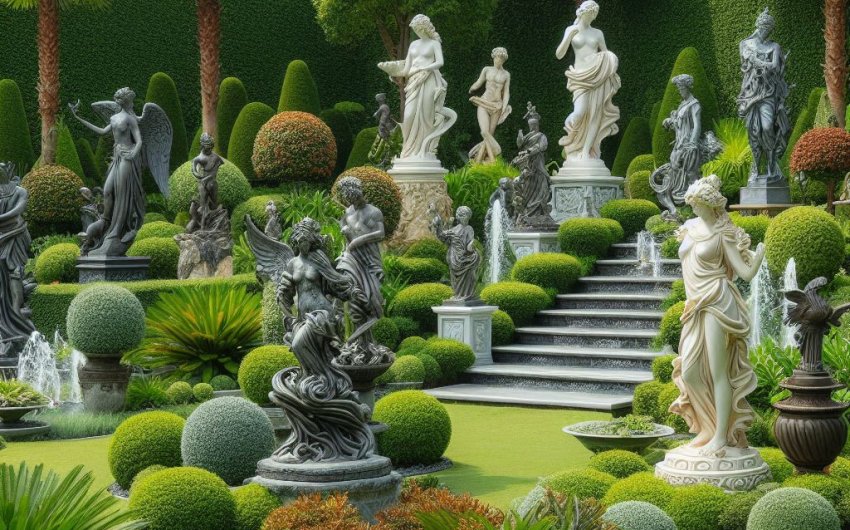
Selecting the perfect garden statues and sculptures is an art that can profoundly elevate the beauty and character of your outdoor living space. These decorative elements do more than just fill empty spots; they introduce personality, create focal points, and add a touch of whimsy or elegance to your landscape design. Thoughtful consideration of various factors will guide you in choosing pieces that harmonize with your garden's aesthetic and stand the test of time.
What is Your Garden's Style and Theme?
Before you even start browsing for garden statues and sculptures, take a moment to define the existing style and theme of your garden. The most impactful pieces are those that feel like a natural extension of your outdoor space, rather than an afterthought. A cohesive design ensures that your chosen artwork enhances, rather than clashes with, your plants and hardscaping.
Matching Traditional Garden Styles
If your garden leans towards a traditional, formal, or classic aesthetic, certain types of garden sculptures will fit seamlessly. These styles often feature manicured hedges, structured pathways, and a sense of timeless elegance.
- Classical or Greco-Roman Figures: Think of statues of muses, Roman gods, or elegant human figures. These often evoke a sense of history and grandeur. Materials like cast stone, concrete, or aged bronze work best.
- Tiered Fountains and Birdbaths: While not strictly sculptures, ornate tiered fountains or classic birdbaths with sculpted bases add both visual interest and the soothing sound of water, fitting perfectly into a formal setting.
- Gargoyles and Grotesques: For a touch of old-world charm, these intricate figures, often seen on historic buildings, can add a quirky yet classic element to nooks or wall features.
- Urns and Pedestals: While functional for planting, empty decorative garden urns or pedestals can serve as sculptural elements themselves, adding height and architectural interest.
Complementing Modern and Contemporary Designs
Modern and contemporary gardens typically favor clean lines, minimalist forms, and abstract expressions. The focus is often on texture, shape, and negative space.
- Abstract Forms: Look for sculptures that emphasize shape, line, and material over realistic representation. Think sleek metal forms, geometric shapes, or abstract representations of nature.
- Stainless Steel or Corten Steel: These materials offer a sharp, modern aesthetic. Corten steel sculptures develop a beautiful rust patina over time, adding an organic yet industrial feel.
- Smooth, Polished Stone: Large, minimalist stones or polished stone spheres can add a serene, contemplative feel.
- Reflective Surfaces: Mirrored spheres or polished metal elements can play with light and reflections, adding dynamic interest.
Enhancing Rustic, Cottage, or Whimsical Gardens
For gardens that embrace a more relaxed, natural, or playful atmosphere, your choices for garden statues and sculptures can be quite diverse and charming.
- Animals and Wildlife: Garden gnomes, frogs, turtles, rabbits, birds, or even mythical creatures like fairies can add a touch of whimsy. These are often made from resin, ceramic, or concrete.
- Whimsical Figures: Consider playful figures like children at play, mischievous spirits, or fantastical characters.
- Found Object Art: Repurposed items like old farm tools, driftwood, or antique watering cans can be arranged artistically to create unique, rustic sculptures.
- Birdhouses and Feeders (Decorative): While functional, elaborately designed birdhouses or feeders can also serve as delightful sculptural elements.
- Fairy Garden Elements: For miniature gardens, tiny houses, bridges, and tiny creatures create an enchanting, whimsical world.
By thoughtfully considering your garden's inherent style, you can select garden statues and sculptures that not only look good but also feel right at home.
What is the Right Size and Scale?
The size and scale of your chosen garden statues and sculptures are paramount to their visual impact. A piece that is too small will get lost, while one that is too large can overwhelm the space. Achieving the correct balance ensures your artwork enhances your garden rather than detracting from it.
Considering the Size of Your Garden
The overall size of your garden dictates the maximum appropriate size for your sculptures.
- Small Gardens/Patios: In compact spaces, select smaller, more delicate pieces that don't overcrowd the area. A small concrete birdbath, a subtly placed frog statue, or a wall-mounted plaque might be ideal. Overly large items will make the space feel even smaller and cluttered.
- Medium-Sized Gardens: Here, you have more flexibility. You can introduce a few medium-sized pieces or one significant focal point. Ensure there's still enough open space around the sculpture to allow it to "breathe" and be fully appreciated.
- Large Gardens/Estates: Expansive gardens can accommodate much larger, grander sculptures without feeling dwarfed. A life-sized deer statue, a prominent fountain, or a series of large abstract forms can fill the space effectively and create compelling vistas.
Understanding Scale in Relation to Surrounding Elements
Scale refers to the relationship between the size of your sculpture and the size of the elements around it – including plants, hardscaping, and even nearby buildings.
- Plants: If a statue is placed among tall shrubs or large perennial plants, it needs to be tall or wide enough to not be completely hidden once the plants mature. Conversely, a tiny gnome next to a massive oak tree will disappear.
- Hardscaping: If placing a sculpture near a large patio, a long pathway, or a retaining wall, ensure its size complements these features. A small statue on a vast patio will look insignificant.
- Focal Points: If the sculpture is intended to be a focal point, it should be large enough to draw the eye from a distance. If it's meant as a subtle discovery, it can be smaller and tucked away.
- Viewing Distance: Consider from where the sculpture will primarily be viewed. A piece viewed from across the garden needs to be larger than one meant for intimate viewing up close.
Tips for Determining the Right Size
- Measure Your Space: Before buying, measure the area where you intend to place the sculpture. This includes height, width, and depth.
- Use a Stand-In: Cut out a cardboard shape or place an empty box roughly the size of the sculpture you're considering. Put it in the intended spot and view it from different angles and distances. This helps visualize its presence.
- Consider Verticality: Don't forget about vertical space. A tall, slender sculpture can add height without taking up much horizontal room, making it suitable for smaller spaces that need a vertical accent.
- Avoid Clutter: It's often better to have one or two well-placed, appropriately scaled pieces than many small, scattered items that create visual clutter.
By carefully evaluating both the size of your garden and the scale of your chosen garden statues and sculptures relative to their surroundings, you can ensure they create the desired impact and contribute positively to your landscape design.
What Materials are Best for Outdoor Sculptures?
The material of your chosen garden statues and sculptures is a critical factor, impacting not only their aesthetic appeal but also their durability, maintenance requirements, and how they weather over time. Different materials respond to the outdoor environment in unique ways.
Durable and Weather-Resistant Materials
For longevity and minimal upkeep, opt for materials known for their resilience against the elements.
- Cast Stone/Concrete: These are among the most popular choices due to their incredible durability, weight (making them stable), and ability to mimic natural stone. They weather beautifully, often developing a desirable patina of moss and lichen over time. They are heavy, so consider placement. You can find many styles of cast stone garden statues online.
- Bronze: Highly prized for its timeless beauty and extreme longevity, bronze develops a unique green or blue-green patina (verdigris) over years, which protects the metal. Bronze garden sculptures are expensive but are considered investments and heirlooms.
- Fiberglass/Resin: These lightweight, versatile materials can be molded into intricate shapes and finished to resemble various textures like stone, metal, or wood. They are durable and relatively inexpensive. However, lighter pieces might need to be secured in windy areas. Ensure they are specifically rated for outdoor use to prevent fading or cracking.
- Corten Steel (Weathering Steel): This steel alloy is designed to develop a stable, rust-like appearance over time, forming a protective layer that prevents further corrosion. It offers a modern, industrial, yet organic aesthetic and is incredibly durable.
- Granite/Natural Stone: While costly and extremely heavy, solid granite or other natural stone sculptures are virtually indestructible and unique due to the stone's natural patterns.
Materials Requiring Special Care or with Unique Characteristics
Some materials offer specific aesthetics but may require more care or have distinct aging processes.
- Terra Cotta/Ceramic: These materials offer warmth and color. While charming, they are prone to cracking in freezing temperatures if not properly glazed and drained. In cold climates, bring them indoors during winter or ensure they are empty and dry.
- Wood: Wooden sculptures, especially from durable hardwoods like teak or cedar, can be beautiful. However, they require sealing or treatment to protect against rot, insects, and weathering. Untreated wood will weather to a silvery-gray.
- Wrought Iron: Often used for gates, benches, and decorative elements, wrought iron garden art can be very elegant. It requires regular painting or sealing to prevent rust, though a rusted patina can be desirable for a rustic look.
- Glass/Stained Glass: Beautiful for catching light, glass sculptures must be made from tempered or specially designed outdoor glass to withstand temperature fluctuations. Smaller elements might be incorporated into metal or stone pieces.
Table: Material Pros and Cons for Outdoor Sculptures
| Material | Pros | Cons | Weathering/Aging |
|---|---|---|---|
| Cast Stone | Durable, heavy, natural look, affordable | Heavy, can chip | Develops natural patina (moss/lichen) |
| Bronze | Extremely durable, valuable, classic look | Expensive, heavy | Develops protective green/blue patina (verdigris) |
| Resin | Lightweight, versatile, affordable | Can fade/crack if not UV-protected | Generally maintains color, can become brittle |
| Corten | Modern, durable, unique rust patina | Can stain surfaces initially | Develops stable rust layer, no further decay |
| Granite | Extremely durable, unique, high value | Very expensive, extremely heavy | Virtually unchanged, no significant aging |
| Terra Cotta | Warm, earthy, charming | Fragile in frost, can crack, porous | Softens, can grow moss if not glazed |
| Wood | Natural, warm, unique | Requires sealing, prone to rot/insects | Grays, softens, can rot if not maintained |
| Wrought Iron | Elegant, classic, strong | Prone to rust if untreated | Develops rust, requires maintenance |
When making your choice, consider your climate, the desired aesthetic, and your willingness to perform any necessary maintenance. The right material will ensure your garden statues and sculptures remain beautiful for many years.
Where is the Best Place to Position Your Sculpture?
The placement of your garden statues and sculptures is as important as the piece itself. Strategic positioning can create stunning focal points, enhance specific areas, and invite visitors to explore your garden. Consider how the sculpture interacts with its surroundings and how it will be viewed.
Creating Focal Points
A well-placed sculpture can instantly become a focal point, drawing the eye and guiding movement through the garden.
- End of a Pathway: Placing a significant statue at the end of a long pathway creates a compelling destination and draws visitors forward.
- Center of a Garden Bed: A commanding sculpture in the middle of a large circular or irregularly shaped garden bed can anchor the design and provide year-round interest.
- Against a Backdrop: Position a sculpture against a plain wall, a dense hedge, or a dark evergreen background to make it stand out dramatically. The contrasting background allows the form and detail of the sculpture to be fully appreciated.
- Vista Point: If you have a view from a window or patio, place a sculpture where it can be seen and enjoyed from that specific vantage point.
Integrating with Existing Landscape Features
Your garden statues and sculptures should complement and interact with your garden's existing elements.
- Among Plants: Smaller, more whimsical statues like frogs or birds can be nestled among plants, peeking out playfully. Ensure they won't be overgrown once the plants mature.
- Near Water Features: A classical figure near a pond or a subtle statue on the edge of a stream adds to the serene ambiance. The reflections can also enhance the visual impact. You can place a frog garden statue right by a pond.
- Beside Seating Areas: A contemplative sculpture near a bench or patio seating encourages quiet reflection and provides a visual anchor for your outdoor living space.
- Along Walkways: Subtler, perhaps repetitive, elements like small markers or lanterns can guide visitors along pathways.
Considering Light and Shadow
The play of light and shadow can dramatically change the appearance of a sculpture throughout the day.
- Morning/Evening Light: Consider how the rising or setting sun will illuminate the piece, highlighting its contours and textures.
- Shadow Play: Think about the shadows the sculpture will cast. Can it create interesting patterns on a wall or ground?
- Backlighting: Backlighting can create a silhouette effect, emphasizing the outline of the sculpture, which can be particularly striking for abstract forms.
- Artificial Lighting: For nighttime enjoyment, consider adding subtle landscape spotlights to illuminate your sculptures, transforming them into dramatic nocturnal features.
Practical Considerations for Placement
- Stability: Ensure the sculpture is securely placed, especially heavy ones. Use a stable base or even concrete footing for very large or top-heavy pieces to prevent tipping.
- Drainage: If the sculpture has a hollow base or holds water, ensure proper drainage to prevent water accumulation and potential freezing/cracking.
- Maintenance Access: Place the sculpture where it's easy to clean or maintain without disturbing nearby plants.
- Safety: Avoid placing trip hazards near pathways or in high-traffic areas.
By carefully considering these placement strategies, you can transform your garden statues and sculptures from mere decorations into integral, impactful elements of your landscape design.
How Can Statues and Sculptures Enhance Your Garden?
Beyond their aesthetic appeal, garden statues and sculptures serve multiple purposes that can significantly enhance your outdoor space. They are not just ornaments; they are tools for design, mood-setting, and personal expression.
Creating a Sense of Whimsy and Personality
Garden statues and sculptures are powerful vehicles for injecting personality and a sense of fun into your garden.
- Surprise and Discovery: Placing a small, charming animal figure tucked away among foliage can create a delightful sense of discovery for visitors.
- Storytelling: A collection of related pieces, such as different whimsical creatures interacting, can tell a silent story and encourage imaginative play, especially in family gardens.
- Humor: A quirky or humorous sculpture can be a talking point and bring a smile to faces, instantly creating a lighter, more relaxed atmosphere. Think of a frog playing a banjo statue or a mischievous gnome hiding behind a bush.
Adding Visual Interest Year-Round
While plants offer seasonal beauty, many garden statues and sculptures provide year-round interest, especially in areas where plants die back in winter.
- Winter Structure: A solid stone or metal sculpture provides strong form and texture against a backdrop of bare branches or snow.
- Focal Points in Dormant Seasons: In the absence of vibrant blooms, a well-chosen sculpture can carry the visual weight of the garden, preventing it from looking dull or empty.
- Architectural Elements: Larger, more architectural pieces can define spaces and add structure even when the surrounding garden is dormant.
Guiding the Eye and Defining Spaces
Sculptures can act as visual cues, helping to direct flow and delineate different areas within your garden.
- Pathway Markers: A series of small identical statues or markers can subtly guide visitors along a winding path.
- Zone Delineation: A taller sculpture or a group of smaller ones can signify a transition from one garden "room" to another, perhaps from a formal dining area to a more relaxed reading nook.
- Framing Views: Position a sculpture to frame a specific view within your garden or beyond, drawing the eye towards a picturesque scene.
Reflecting Your Personal Style and Passions
Ultimately, your choice of garden statues and sculptures is a reflection of you.
- Hobbies and Interests: Do you love birds? A series of elegant bird sculptures or a beautiful birdbath. Are you a musician? A subtle abstract piece inspired by music.
- Cultural Influences: Incorporate pieces that reflect your heritage or travels, such as a Buddha statue for a zen garden or a classical bust for a formal European style.
- Artistic Expression: Choose pieces that resonate with you artistically, whether it's modern abstract art or classic realism. Your garden becomes an outdoor gallery of your personal tastes.
By strategically incorporating garden statues and sculptures, you're not just decorating; you're actively shaping the experience of your outdoor space, making it more inviting, engaging, and uniquely yours.
How Do You Care for Your Garden Statues and Sculptures?
Proper care and maintenance are essential to ensure your garden statues and sculptures remain beautiful and last for many years. While some materials are more durable than others, all outdoor art benefits from occasional attention to preserve its appearance and integrity.
General Cleaning Tips
Regular cleaning helps prevent the buildup of dirt, grime, and environmental residue that can dull the appearance of your sculptures.
- Dust Regularly: For smaller or indoor-outdoor pieces, a soft brush or cloth can remove loose dust.
- Gentle Washing: For most outdoor sculptures, a gentle wash with plain water and a soft cloth or sponge is usually sufficient. A garden hose with a gentle spray can help dislodge stubborn dirt.
- Mild Soap Solution: For more persistent grime, use a very mild, non-abrasive soap (like dish soap) diluted in water. Apply with a soft brush, thoroughly rinse with clean water, and ensure no soap residue remains.
- Avoid Harsh Chemicals: Never use abrasive cleaners, wire brushes, or high-pressure washers, as these can damage the surface, finish, or patina of your sculpture.
- Dry Thoroughly: Allow the sculpture to air dry completely, or gently wipe it dry with a soft cloth to prevent water spots, especially on polished surfaces.
Material-Specific Care
Different materials have unique care requirements.
- Cast Stone/Concrete:
- Moss/Lichen: If you prefer a clean look, gently scrub with a soft brush and a mild solution of bleach (1 part bleach to 9 parts water) or a commercial fungicidal wash. Rinse thoroughly. If you like the natural patina, no action is needed.
- Winter Protection: In freezing climates, ensure concrete or cast stone items are elevated off the ground to prevent them from sitting in standing water that could freeze and cause cracking. Some thinner pieces may benefit from being brought indoors or covered.
- Bronze:
- Patina: The natural verdigris patina is desirable and protective. Do not scrub it off.
- Waxing: To protect the bronze and enhance its sheen, apply a clear renaissance wax annually or bi-annually. Buff gently to a soft luster.
- Cleaning: Use only water and a soft cloth.
- Resin/Fiberglass:
- Fading: If placed in direct, intense sunlight, resin can eventually fade. Look for UV-protected pieces. For existing pieces, consider applying a UV-resistant clear sealant if fading becomes an issue.
- Cracking: While durable, extreme temperature fluctuations or impacts can cause cracks. Small cracks might be repaired with epoxy.
- Corten Steel:
- Staining: During the initial weathering process (first 6-12 months), Corten steel can leach rust, potentially staining adjacent surfaces like concrete or pavers. Consider placing it on gravel or a designated pad during this phase. Once the patina stabilizes, staining is minimal.
- Maintenance: Generally, no maintenance is needed once the protective rust layer forms.
- Wood:
- Sealing: For treated wood, reapply a wood sealant or stain every 1-3 years as per product instructions to protect against rot, insects, and UV damage.
- Untreated Wood: If left untreated, it will weather to a silvery-gray. This is acceptable for a rustic look, but checking for rot is still wise.
- Wrought Iron:
- Rust Prevention: To prevent rust, ensure any painted or sealed surfaces are intact. Touch up chips with appropriate outdoor metal paint. If desired for a rustic look, allow it to rust, but be aware it can stain surfaces.
Winterizing and Storage
In climates with harsh winters, some garden statues and sculptures may need special attention.
- Drainage: Ensure all water is drained from birdbaths, fountains, and hollow sculptures to prevent freezing and cracking.
- Covering: For delicate or porous items that cannot be brought indoors, use breathable, waterproof covers (e.g., winter garden furniture covers) to protect them from excessive moisture and freezing cycles.
- Indoor Storage: Small, fragile, or highly valued pieces made of ceramic, terra cotta, or specific types of resin are best stored indoors in a dry, protected area during winter.
By dedicating a little time to caring for your garden statues and sculptures, you'll ensure they continue to enhance your outdoor haven for many seasons to come.
Thoughtfully choosing garden statues and sculptures is about more than just finding an attractive object; it’s about curating pieces that resonate with your landscape’s character, stand up to the elements, and ultimately elevate your outdoor living experience.