
What Are Some Eco-Friendly Garden Decoration Tips?
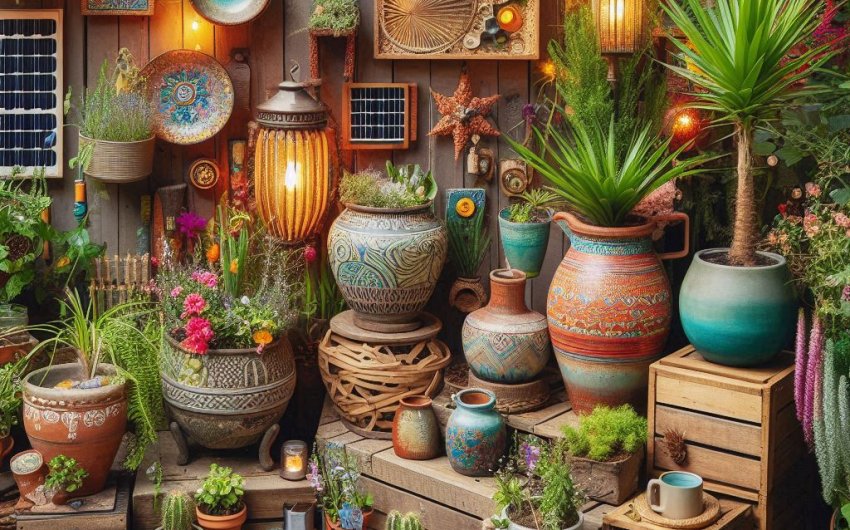
Enhancing the beauty of your outdoor space while minimizing environmental impact is a gratifying pursuit, and there are many creative ways to achieve this. Embracing eco-friendly garden decoration tips means making conscious choices about materials, sourcing, and design, transforming your garden into a sustainable haven that's both lovely and kind to the planet.
Why Choose Eco-Friendly Garden Decorations?
Opting for eco-friendly garden decorations extends your commitment to sustainability beyond just planting, influencing the materials you bring into your outdoor sanctuary. It's about making conscious choices that benefit the environment, support local economies, and often result in unique, character-filled garden aesthetics.
What are the Environmental Benefits?
The positive impact of eco-friendly garden decoration tips extends far beyond your own backyard, contributing to broader ecological health.
- Reduced Waste: By repurposing materials, you divert items from landfills, decreasing the volume of waste that contributes to pollution and consumes valuable land.
- Lower Carbon Footprint: Choosing locally sourced, recycled, or upcycled materials reduces the energy consumption and greenhouse gas emissions associated with manufacturing new products and transporting them over long distances.
- Conservation of Resources: Opting for materials like recycled plastic, salvaged wood, or natural stone lessens the demand for virgin resources, helping to conserve forests, minerals, and fossil fuels.
- Reduced Chemical Exposure: Many mass-produced garden decorations can contain synthetic dyes, chemical treatments, or plastics that can leach harmful substances into your soil and water over time. Eco-friendly alternatives often avoid these.
- Support for Biodiversity: Decorations that incorporate natural elements or provide habitats (like a bird bath or bug hotel) can encourage local wildlife, supporting a more diverse and resilient ecosystem in your garden.
- Sustainable Sourcing: Prioritizing decorations made from sustainably harvested or rapidly renewable resources (like bamboo) ensures that the environmental impact of their production is minimized.
What are the Aesthetic and Personal Benefits?
Beyond the environmental advantages, eco-friendly garden decoration tips can also offer unique aesthetic qualities and personal satisfaction.
- Unique Character: Upcycled and repurposed items often have a unique story and rustic charm that mass-produced decorations lack. They add personality and individuality to your garden.
- Creative Expression: Eco-friendly decoration encourages creativity and resourcefulness. You get to exercise your imagination by transforming discarded items into beautiful garden features.
- Cost-Effectiveness: Often, the most eco-friendly options are also the most budget-friendly, as they involve repurposing items you already have or finding inexpensive materials.
- Connection to Nature: Using natural materials like stone, wood, or even found objects from nature can deepen your connection to the outdoor environment.
- Sense of Accomplishment: There's a profound satisfaction in knowing that your beautiful garden decor is also contributing positively to the planet.
- Learning Opportunity: It can be a great way to educate family and friends about sustainable living practices and inspire them to adopt similar habits.
How Can I Use Natural and Repurposed Materials?
One of the cornerstones of eco-friendly garden decoration tips is embracing what nature provides and giving new life to discarded items. This approach not only reduces waste but also infuses your garden with unique character and a story.
What are Creative Ways to Use Reclaimed Wood?
Reclaimed wood offers rustic charm and can be transformed into a variety of garden features.
- Planters and Raised Beds: Old pallets can be dismantled and repurposed into attractive pallet planters or sides for raised garden beds. Just ensure any treated wood is avoided for growing edibles.
- Garden Edging: Irregular pieces of reclaimed wood can be used to create natural-looking borders around flower beds or pathways.
- Rustic Benches or Stools: With a bit of carpentry skill, salvaged timbers or sturdy pallet wood can become a charming garden bench or simple stools.
- Signage: Scraps of wood can be painted and used to create personalized garden signs, labeling plants or offering whimsical messages.
- Vertical Displays: Attach various sizes of reclaimed wood to a fence or wall to create a vertical planter display for herbs or succulents.
- Birdhouses or Feeders: Smaller pieces can be crafted into unique birdhouses or feeders, providing habitat and encouraging wildlife.
How Can I Decorate with Stones and Rocks?
Natural stones and rocks are abundant, durable, and bring an organic, timeless feel to any garden space.
- Pathways and Stepping Stones: Flat, natural stones can be laid to create beautiful, permeable garden pathways or individual stepping stones.
- Borders and Edging: Large or small stones can be stacked or laid out to define garden beds, creating neat and natural borders.
- Rock Gardens: Create a dedicated rock garden with various sizes of rocks, ideal for succulents or drought-tolerant plants.
- Water Features: Larger stones can form the base or decorative elements of a natural-looking small pond kit or a simple bubbling fountain.
- Sculptural Elements: A single, striking large boulder can serve as a focal point, or smaller, uniquely shaped stones can be arranged artistically.
- Mulch Alternative: Smaller pebbles or gravel can be used as a decorative, water-saving mulch around plants, suppressing weeds and retaining moisture.
What are Upcycled Everyday Items for the Garden?
Look around your home for items that might otherwise be discarded but have potential for a new life in the garden.
- Old Tires: Painted and stacked, old tires can become vibrant tire planters for flowers or vegetables.
- Glass Bottles: Inverted glass bottles can be decorative garden borders, or clear bottles can be filled with water and used as self-watering spikes for pots.
- Tin Cans: Cleaned and painted, various sized tin cans can be charming hanging planters for herbs or small flowers. Punch drainage holes in the bottom.
- Plastic Bottles/Containers: Cut and repurposed, large plastic bottles can become mini-greenhouses for seedlings, or smaller ones can be used as cloches for delicate plants.
- Broken Pottery/Ceramics: Don't throw away broken pots! Use the shards as drainage in the bottom of new pots, or arrange them creatively for mosaic stepping stones or decorative borders. A pottery shard mosaic kit might inspire you.
- Old Furniture: A discarded dresser can become a tiered planter, or a chair with the seat removed can hold a potted plant. Just ensure it's treated for outdoor use.
- Wagon Wheels: An old wagon wheel can lean against a fence as a rustic accent or be repurposed as a base for a small table.
- Bicycles: An old bicycle can be painted and used as a quirky stand for flower baskets, adding a unique, whimsical touch.
How Can I Support Local and Sustainable Sourcing?
When you do purchase new items for your garden, making thoughtful choices about where they come from and how they are produced is a key component of eco-friendly garden decoration tips. Supporting sustainable practices benefits both the environment and local communities.
Why Buy Locally Sourced Decorations?
Choosing to purchase items from local artisans and businesses reduces your environmental footprint and offers other tangible benefits.
- Reduced Transportation Emissions: Local sourcing means products travel shorter distances from their point of creation to your garden, significantly cutting down on the greenhouse gas emissions associated with shipping.
- Support for Local Economy: Buying local helps small businesses and craftspeople in your community thrive, fostering economic growth and often preserving traditional skills.
- Unique Products: Local artisans often create one-of-a-kind pieces that reflect regional styles and materials, giving your garden a distinct and authentic feel that mass-produced items lack.
- Quality and Craftsmanship: Locally made products often emphasize quality materials and skilled craftsmanship, leading to more durable and long-lasting decorations.
- Transparency: It's often easier to learn about the materials and production methods used by local suppliers, allowing you to make more informed eco-conscious decisions.
- Community Connection: Buying from local farmers' markets, craft fairs, or small shops strengthens community ties and fosters a sense of place.
What are Sustainable Materials to Look For?
When purchasing new garden decorations, prioritize items made from materials that have a minimal environmental impact throughout their lifecycle.
- Recycled Content: Look for items made from recycled plastic, metal, or glass. For example, recycled plastic garden borders are durable and keep waste out of landfills.
- Bamboo: A rapidly renewable resource, bamboo grows quickly and requires minimal resources. Bamboo garden stakes and fences are excellent eco-friendly choices.
- FSC-Certified Wood: If buying new wood products, ensure they are Forest Stewardship Council (FSC) certified. This means the wood comes from responsibly managed forests that adhere to strict environmental and social standards.
- Natural Stone (Locally Sourced): If you can find it locally, natural stone is incredibly durable and requires no manufacturing process, making it a highly sustainable option.
- Terracotta and Clay (Unglazed): These natural materials are made from earth and are biodegradable. Unglazed terracotta is particularly good for plant health due to its breathability. A classic terracotta pot set is always a sustainable choice.
- Non-Toxic Paints and Finishes: If you're painting or treating wooden decorations, choose low-VOC (volatile organic compound) or natural paints and finishes to avoid releasing harmful chemicals into the environment.
Where Can I Find Sustainable Garden Decor?
Knowing where to look for eco-friendly items is just as important as knowing what materials to choose.
- Local Artisans and Craft Fairs: These are excellent places to find unique, handmade pieces often using reclaimed or natural materials.
- Thrift Stores and Secondhand Shops: A treasure trove of potential upcycling projects, from old furniture to interesting containers.
- Architectural Salvage Yards: These yards specialize in reclaimed building materials like old bricks, timbers, and metalwork that can be repurposed.
- Online Marketplaces for Handmade Goods: Websites like Etsy have many sellers offering handmade, sustainable, and upcycled garden decor.
- Local Nurseries and Garden Centers (with inquiry): Ask if they carry products made from recycled content or sustainably sourced materials. Some nurseries specifically focus on eco-friendly garden supplies.
- Donation Centers or Community Swap Events: Often, people are giving away items that might be perfect for your garden project.
- Your Own Backyard/Neighborhood: Look for fallen branches, interesting rocks, or discarded items with potential.
How Can I Incorporate Living Elements and Support Biodiversity?
Beyond inanimate objects, the most truly eco-friendly garden decoration tips involve incorporating living elements that enhance the ecosystem and support local wildlife. These aren't just decorations; they are active components of a healthy garden.
What are Living Decorations for My Garden?
Using plants and natural features as decorative elements creates dynamic, evolving beauty while contributing to ecological health.
- Edible Landscaping: Integrate beautiful edible plants into your ornamental beds. Artichokes have striking architectural forms, blueberries offer beautiful fall foliage, and colorful chard provides vibrant accents. A herb spiral planter can be both decorative and functional.
- Native Plants: Choose native plants that are adapted to your local climate and soil conditions. They require less water, fertilizer, and pest control, and they provide essential food and habitat for local wildlife.
- Living Walls/Vertical Gardens: Create a stunning vertical display of plants on a fence or wall using pocket planters or repurposed containers. A vertical garden planter maximizes green space.
- Espaliered Fruit Trees: Train fruit trees to grow flat against a wall or fence. This is a highly decorative and space-saving way to grow fruit, turning a bare wall into a living work of art.
- Flowering Vines: Use climbing plants like clematis, honeysuckle, or passionflower on trellises, arbors, or pergolas to add height, color, and fragrance. A garden trellis becomes a living sculpture.
- Container Groupings: Arrange various sizes and types of containers with diverse plants to create visually appealing focal points. Use recycled plastic planters for an eco-friendly touch.
How Can I Attract Beneficial Wildlife?
A truly eco-friendly garden is a thriving ecosystem that supports a diversity of life. Attracting beneficial wildlife contributes to natural pest control and pollination.
- Bird Baths: Provide a fresh water source for birds. A bird bath can be a beautiful sculptural element, especially if made from natural stone or repurposed materials.
- Bird Feeders: Offer various types of food to attract different bird species. Choose a seed feeder and keep it clean to prevent disease.
- Pollinator Gardens: Plant a diverse selection of native flowering plants that provide nectar and pollen for bees, butterflies, and other beneficial insects throughout the growing season.
- Insect Hotels/Bug Houses: Create or purchase a bug hotel from bamboo canes, drilled logs, or hollow stems to provide shelter for solitary bees and other beneficial insects.
- Toad Houses: A simple overturned clay pot with a missing piece can provide a cool, damp retreat for toads, which are excellent at pest control.
- Water Features: A small pond or even a shallow dish of water with stones can attract frogs, dragonflies, and other beneficial creatures, adding a dynamic element to your garden.
- Brush Piles: In an unobtrusive corner, a small pile of fallen branches and leaves can provide habitat for small mammals, amphibians, and insects.
- Avoid Pesticides: To ensure your garden is safe for the wildlife you're trying to attract, avoid using synthetic pesticides or herbicides.
What are Sustainable Lighting and Water Features?
Even essential elements like lighting and water features can be incorporated into your garden in an environmentally conscious way, minimizing energy consumption and promoting water conservation.
What are Eco-Friendly Lighting Options?
Traditional outdoor lighting can consume a lot of energy. Opt for alternatives that harness natural power or are highly efficient.
- Solar Lights: The ultimate eco-friendly lighting choice. Solar garden lights absorb sunlight during the day and automatically illuminate at night, costing nothing to run and having no wiring. They are perfect for pathways, accenting plants, or creating ambiance.
- LED Lights: If you need more powerful lighting or prefer wired options, choose LED outdoor lights. LEDs are highly energy-efficient and have a much longer lifespan than traditional incandescent bulbs, significantly reducing energy consumption and waste.
- Strategic Placement: Instead of brightly lighting your entire garden, use lights strategically to highlight focal points, illuminate pathways, or create specific moods. Less light pollution is also beneficial for nocturnal wildlife.
- Timers and Sensors: Use outdoor light timers or motion sensors to ensure lights are only on when needed, further conserving energy.
- Moon Gardens: Design areas of your garden with light-colored or white flowers that reflect moonlight, creating a naturally illuminated effect at night without any artificial lighting.
What are Sustainable Water Features?
Water features add soothing sounds and visual interest to a garden. Choose options that conserve water and energy.
- Self-Contained Fountains: Opt for self-contained fountains that recirculate the same water, minimizing waste. Look for models with efficient pumps.
- Solar-Powered Pumps: For fountains or small ponds, a solar-powered pump eliminates the need for electricity, making the feature truly off-grid and eco-friendly.
- Rain Chains: Instead of traditional downspouts, install a rain chain that guides rainwater decoratively into a rain barrel or a rain garden. This creates a visually appealing water feature during rainfall and contributes to water harvesting.
- Rain Barrels: While primarily functional, a rain barrel can be a decorative element. Choose an attractive design or disguise it with climbing plants. Collecting rainwater reduces reliance on treated tap water for irrigation.
- Bird Baths (Water Source): As mentioned previously, bird baths are a simple and beautiful way to introduce water, benefiting wildlife without requiring complex pumping systems. Ensure they are shallow and clean.
- Minimizing Evaporation: Place water features in shadier spots to reduce evaporation. For larger ponds, consider adding aquatic plants, which also help keep the water clean naturally.
By thoughtfully applying these eco-friendly garden decoration tips, you can cultivate an outdoor space that not only brings joy and beauty but also serves as a testament to your commitment to environmental stewardship. Every repurposed item, every native plant, and every energy-efficient light contributes to a garden that truly harmonizes with nature.