
How to Use Water Features in Garden Landscaping?
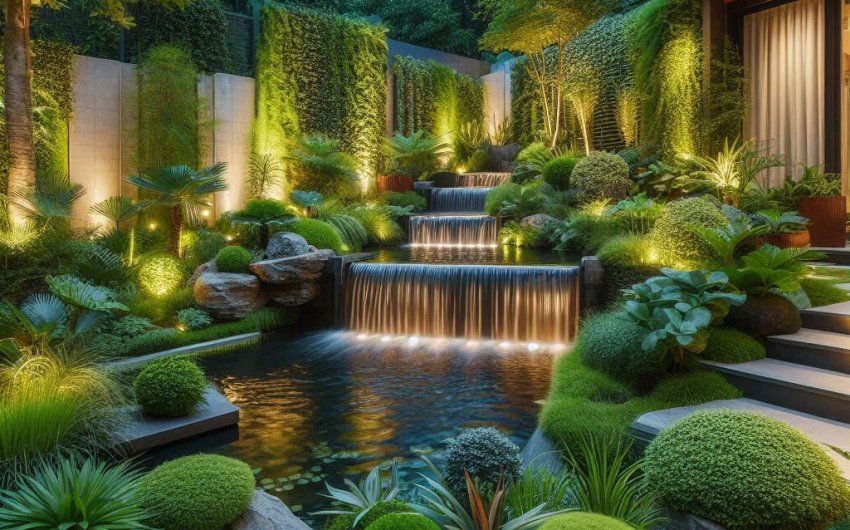
Learning how to use water features in garden landscaping can transform any outdoor space into a tranquil retreat, offering soothing sounds, captivating visuals, and a haven for local wildlife. From the gentle trickle of a small fountain to the dynamic flow of a multi-tiered waterfall, incorporating various types of water features introduces a unique sensory dimension to your garden. These elements not only enhance aesthetic appeal but also create a calming atmosphere, making your landscape truly harmonious and inviting for relaxation and enjoyment.
What types of water features can I include in my garden?
The world of garden water features is incredibly diverse, offering options to suit every garden size, style, and budget. Each type brings its own unique character and benefits to a landscape.
What are popular choices for small spaces?
For gardens with limited space, or for those new to water feature installation, smaller, self-contained options are ideal.
- Container Water Gardens: These are miniature aquatic ecosystems housed within a single pot or decorative basin. You can plant water lilies, floating plants, and even add a tiny solar-powered pump for a gentle circulation. They are highly portable and perfect for patios, balconies, or small courtyards.
- Small Freestanding Fountains: These come in a vast array of styles, from classic tiered designs to modern sculptures. Many are self-contained, meaning the water recirculates within the unit, requiring no external pond. They are easy to install, often just needing to be filled with water and plugged in. Look for resin fountains for lighter weight or ceramic fountains for a more artisanal look.
- Wall-Mounted Fountains: Perfect for adding vertical interest to a small garden or courtyard wall. Water typically flows from a spout into a basin below, recirculating with a hidden pump. They save floor space and can become a focal point on a plain wall. Search for wall-mounted garden fountains to find various styles.
- Bubblers or Pondless Water Features: These innovative designs feature an underground reservoir covered by gravel or stones, with water bubbling up through a decorative rock or feature. The water then disappears back into the reservoir. They offer the soothing sound of moving water without the maintenance of an open pond, making them incredibly safe for children and pets. A bubbler kit usually includes all necessary components.
What are larger-scale water feature options?
For more expansive gardens, larger water features can create dramatic focal points and complex ecosystems.
- Ponds: A traditional garden pond can range from a small preformed pond liner to a custom-dug naturalistic haven. Ponds can support aquatic plants, koi fish, and a variety of wildlife. They require more planning and maintenance but offer immense aesthetic and ecological benefits.
- Fish ponds: Designed to house fish, requiring filtration and aeration.
- Wildlife ponds: Focused on attracting local fauna, often with sloping edges for easy access.
- Formal ponds: Geometric shapes, often elevated, designed for a more structured look.
- Waterfalls and Streams: These features mimic natural flowing water, creating dynamic sound and visual appeal. Waterfalls can cascade over rocks into a pond or a pondless basin, while streams wind through the landscape. They can be built to various scales, from a gentle trickle to a roaring cascade. Often, a pond pump and a flexible pond hose are needed.
- Bathing Ponds or Natural Pools: For the ultimate indulgence, a natural swimming pond is an ecological alternative to a chlorinated pool. It uses plants and biological filtration to keep the water clean, creating a stunning and environmentally friendly swimming experience. These are custom-built and require significant planning.
Choosing the right water feature depends on your garden's size, your desired aesthetic, and your commitment to maintenance. Each type offers a unique way to integrate the serene beauty of water into your outdoor living space.
Where should I place a water feature in my garden?
The placement of your water feature is crucial for maximizing its impact and ensuring its functionality. Consider both aesthetic appeal and practical considerations.
What are the aesthetic considerations for placement?
- Focal Point: A water feature naturally draws the eye. Consider placing it where it can be seen and enjoyed from key viewing areas, such as a patio, deck, or even from inside your home through a prominent window. A tiered fountain or a significant pond can become the central focus of a garden room.
- Sound Enhancement: Think about where the sound of moving water will be most appreciated. Placing a fountain near a seating area can mask unwanted noise (like traffic) and create a more relaxing atmosphere. Experiment with different placements to hear how the sound carries.
- Visual Integration: Ensure the water feature blends harmoniously with your existing garden landscaping.
- For a naturalistic pond or stream, choose an area that feels organic, perhaps nestled among rocks and plants.
- For a formal fountain, a symmetrical placement in a parterre garden or at the end of a long vista might be appropriate.
- A wall-mounted fountain is perfect for breaking up a blank wall space or defining an outdoor room.
- Reflections: Ponds or still water features can create beautiful reflections of surrounding trees, plants, or garden structures. Consider how the feature will mirror its environment throughout the day.
- Accessibility: Make sure your water feature is accessible for maintenance. You'll need to clean it, top up water, and possibly access pumps.
What practical factors should I consider for placement?
Beyond aesthetics, several practical factors influence the best location for your water feature.
- Sunlight Exposure:
- Ponds: Too much direct sun can lead to excessive algae growth. Aim for a spot that receives some shade, especially during the hottest part of the day. Deciduous trees can provide seasonal shade.
- Fountains: Less sensitive to sun than ponds, but direct sun can increase water evaporation, requiring more frequent refilling.
- Tree Proximity: While trees offer shade, their falling leaves can clog pumps and filters in open ponds. Roots can also interfere with digging and damage liners. If placing near trees, ensure you have a pond skimmer or are prepared for frequent cleaning. Pondless features are less affected by leaf litter.
- Power Source: Most pumps require electricity. Plan for easy access to an outdoor, GFCI-protected outlet. If installing a large feature, you may need a dedicated electrical line. Use outdoor-rated extension cords if necessary.
- Water Source: While all water features recirculate, they will lose water due to evaporation and splash. Easy access to a garden hose for topping up is essential.
- Ground Stability: Ensure the ground is level and stable enough to support the weight of the water feature and the water itself, especially for larger ponds or heavy fountains.
- Safety: If you have children or pets, consider safety features. Pondless water features are a good option as they don't have open standing water. For ponds, consider safety netting or secure fencing.
- Drainage: Plan for proper drainage around the feature to prevent pooling water, especially if splash is expected.
By carefully considering both the visual impact and the practical requirements, you can select the perfect spot for your water feature, ensuring it becomes a long-lasting and beloved addition to your garden landscaping.
How do water features benefit garden ecosystems and wildlife?
Beyond their beauty and calming effects, water features play a vital role in enhancing garden ecosystems and attracting diverse wildlife. They transform a static landscape into a dynamic, living environment.
How do water features support biodiversity?
- Attracting Pollinators: Many aquatic plants bloom and provide nectar for bees, butterflies, and other pollinators. The water itself also serves as a crucial drinking source.
- Supporting Insect Life: Ponds and still water provide breeding grounds for beneficial insects like dragonflies and damselflies, which are natural predators of mosquitoes. Even a small container garden can become a micro-habitat.
- Amphibian Habitat: Frogs, toads, and newts are drawn to ponds for breeding and shelter. Sloping edges and shallow areas are particularly inviting for them. Their presence helps control garden pests.
- Bird Magnets: Birds need water for drinking and bathing. A bird bath with moving water (a dripper or small bubbler) is especially attractive as the sound indicates fresh water, while a pond provides a larger bathing area.
- Shelter and Food: Aquatic plants offer shelter for small creatures, and the water itself becomes a source of food (algae, insects) for a variety of species.
How do water features improve microclimates?
- Increased Humidity: Evaporation from a water feature releases moisture into the air, increasing the surrounding humidity. This can be beneficial for many garden plants, especially those that prefer a more humid environment, and can make nearby seating areas feel cooler on hot days.
- Temperature Moderation: Larger bodies of water, like ponds, can help moderate local temperatures, cooling the air in summer and slightly warming it in winter, which can benefit nearby plants and create a more comfortable microclimate.
What are the benefits for the gardener?
- Pest Control: Attracting beneficial insects and amphibians can naturally help control garden pests, reducing the need for chemical interventions.
- Educational Opportunities: A water feature becomes a living classroom, offering endless opportunities to observe the life cycles of insects, amphibians, and aquatic plants.
- Relaxation and Well-being: The presence of moving water has well-documented calming effects, reducing stress and promoting mental well-being. This creates a truly serene space for relaxation.
- Aesthetic Appeal: The shimmering light on the water's surface, the reflection of surrounding plants, and the movement of aquatic life add dynamic beauty to the garden.
By thoughtfully incorporating a water feature into your garden landscaping, you're not just adding an aesthetic element; you're cultivating a vibrant, thriving ecosystem that benefits both nature and your own well-being.
How do I choose plants for my water feature?
Selecting the right aquatic plants is crucial for the health and aesthetic appeal of your water feature. Plants not only add beauty but also play vital roles in maintaining water quality and providing habitat.
What types of aquatic plants are there?
Aquatic plants are generally categorized by where they grow in or around the water.
- Submerged Plants (Oxygenators): These plants grow entirely underwater and are essential for maintaining water clarity and health. They release oxygen into the water, benefiting fish and other aquatic life, and compete with algae for nutrients.
- Floating Plants: These plants float freely on the water's surface, with their roots submerged. They provide shade, which helps reduce algae growth, and offer shelter for fish.
- Examples: Water Lettuce, Water Hyacinth, Duckweed (can be invasive if not managed).
- Placement: Simply place them on the water's surface.
- Marginal Plants (Bog Plants): These plants grow in the shallow areas around the edges of a pond, with their roots in wet soil or submerged in very shallow water, and their foliage extending out of the water. They help filter excess nutrients from the water and provide important habitat for wildlife.
- Examples: Cattails, Iris (various aquatic varieties), Water Mint, Marsh Marigold, Pickerel Rush.
- Placement: Planted in shallow water or on bog shelves. Use aquatic planting baskets to contain their growth.
- Deep Water Plants: These plants are rooted at the bottom of the pond, but their leaves and flowers float on the surface. They provide excellent shade and visual appeal.
- Examples: Water Lilies (hardy and tropical varieties), Lotus.
- Placement: Plant in large aquatic plant pots and submerge to the appropriate depth.
What should I consider when choosing plants?
- Sunlight Needs: Match plants to the amount of sunlight your water feature receives. Water lilies, for instance, need full sun to bloom, while some marginals prefer partial shade.
- Mature Size: Consider how large the plants will grow and how much surface area they will cover. Overcrowding can lead to poor water quality and obscure the water itself. Aim for plants covering about 50-70% of the pond surface.
- Hardiness Zone: Choose plants that are suitable for your local climate and hardiness zone if you want them to survive the winter outdoors.
- Invasiveness: Be aware that some aquatic plants, like Duckweed or Water Hyacinth (in warm climates), can spread very aggressively and become invasive. Consider sterile varieties or those that can be easily managed.
- Purpose: Decide what role you want the plants to play. Do you need oxygenators for fish? Surface cover for shade? Or attractive marginals for aesthetics and filtration?
- Balance: Aim for a good balance of all plant types to create a healthy and aesthetically pleasing ecosystem.
Planting tips for aquatic plants:
- Use Aquatic Soil: When potting aquatic plants, use a heavy, clay-based aquatic soil specifically designed for ponds. Avoid regular potting mix, which is too light and will float or cloud the water.
- Fertilizer: Use specific aquatic plant fertilizer tabs inserted into the soil.
- Gravel Cap: Place a layer of gravel or small stones over the top of the soil in potted aquatic plants to prevent the soil from clouding the water.
- Submerging: Slowly lower potted plants into the pond to their recommended depth.
By carefully planning your aquatic planting scheme, you can create a beautiful, balanced, and thriving water feature that becomes the highlight of your garden landscaping.
What maintenance does a water feature require?
While water features bring immense beauty, they do require ongoing maintenance to stay clean, clear, and functional. The level of care depends on the type and size of the feature.
How do I maintain water quality?
Maintaining clear and healthy water is paramount for any water feature, especially ponds with fish or plants.
- Filtration:
- Mechanical Filters: Remove physical debris like leaves, algae, and sediment. Pond skimmers and filter pads are common. Clean these regularly.
- Biological Filters: Promote the growth of beneficial bacteria that break down harmful waste products (ammonia, nitrites) into less toxic nitrates. Biological filter media provides a large surface area for these bacteria to colonize.
- UV Filters: A UV clarifier uses ultraviolet light to kill single-celled algae, helping to keep water clear of "green water" issues.
- Water Changes: For small features or container gardens, regular partial water changes (25-50% every few weeks) can help refresh the water and remove built-up nutrients. For larger ponds, beneficial bacteria and filtration usually manage water quality.
- Algae Control:
- Natural Methods: Ensure adequate plant coverage (especially submerged and floating plants) to compete with algae for nutrients and provide shade. Don't overfeed fish.
- Algaecides: Use only pond-safe algaecides if necessary, following directions carefully. Excessive use can harm fish or plants. Consider natural barley straw for a natural solution.
- Water Testing: Periodically test pond water for pH, ammonia, nitrite, and nitrate levels using a pond test kit, especially if you have fish.
What are essential routine tasks?
Consistent, routine maintenance prevents major problems down the line.
- Top Up Water: Due to evaporation and splash, water levels will drop. Top up your water feature regularly with fresh water, especially during hot, dry weather. For fish ponds, ensure you declorinate tap water if adding a significant amount, using a dechlorinator product.
- Remove Debris: Skim off leaves, twigs, and other debris from the surface of the water daily or as needed. A pond net is helpful. For pondless features, check the reservoir for blockages.
- Clean Filters/Pumps: Follow the manufacturer's instructions for your specific pump and filter. This usually involves rinsing filter media or removing accumulated sludge. Do this every few weeks or as needed, depending on the load.
- Trim Plants: Trim back overgrown aquatic plants, especially floating plants that can quickly cover the entire surface. Remove dead or yellowing leaves.
- Check for Leaks: Periodically inspect liners or fountain components for any signs of leaks. Address them promptly to prevent water loss and potential damage.
How do I prepare for seasonal changes?
- Fall: Remove all leaves and decaying organic matter from ponds before winter. Consider installing a pond net over the pond to catch falling leaves.
- Winter (for colder climates):
- Ponds: If you have fish, ensure the pond doesn't freeze solid. Use a pond de-icer or an aerator to keep a small hole in the ice for gas exchange. Remove pumps and filters and store them indoors to prevent freezing damage.
- Fountains: Drain and clean all freestanding and wall-mounted fountains. Store pumps indoors. Cover or move fountain basins to prevent cracking from freezing water.
- Spring: Clean out any remaining debris. Reinstall pumps and filters. Gradually introduce fish if they were overwintered indoors. Start up the system and monitor water quality.
While water features do require attention, their tranquil presence and the life they bring to your garden landscaping make the effort truly worthwhile. With consistent care, your water sanctuary will be a source of joy for years to come.
What safety considerations are important for water features?
Safety is paramount when incorporating water features into your garden landscaping, especially if children or pets will be present. Planning for safety measures from the outset can prevent accidents and ensure peace of mind.
How can I make my water feature safe for children and pets?
- Pondless Water Features: For families with young children or pets, pondless water features (like bubblers or cascading falls that drain into an underground reservoir) are the safest option. There is no exposed standing water, eliminating the drowning risk associated with open ponds. They offer the sound and sight of water without the worry.
- Fencing: If you have an open pond, installing a sturdy, unclimbable fence with a self-latching gate around the entire feature is highly recommended. Check local building codes for fence height and gate requirements. Mesh pond fencing can be effective and less visually intrusive.
- Grates and Grids: For fountains or smaller features with an open reservoir, consider placing a sturdy metal grate or heavy-duty plastic grid just below the water's surface, strong enough to support the weight of a child or pet. This allows water to flow through but prevents direct access to deep water.
- Shallow Edges and Exits: For ponds, design gentle slopes or shallow areas at the edges, and incorporate rocks or ramps, allowing small animals (and even children if they fall in) an easy way to exit the water.
- Supervision: The most important safety measure, especially for young children, is constant, diligent supervision around any open water feature.
What electrical safety measures are necessary?
Since most water features involve electrical pumps and lighting, proper electrical safety is critical.
- GFCI Protection: All outdoor electrical outlets used for water features must be Ground Fault Circuit Interrupter (GFCI) protected. A GFCI outlet immediately cuts power if it detects a ground fault, greatly reducing the risk of electric shock. If your outdoor outlets aren't GFCI-protected, have an electrician install them. You can also use GFCI extension cords for added protection.
- Outdoor-Rated Components: Use only UL-listed, outdoor-rated pumps, lights, and electrical cords. These are designed to withstand exposure to weather and moisture. Never use indoor-rated electrical equipment outdoors.
- Proper Wiring: All wiring should be buried in conduit or placed in a way that prevents damage from gardening tools, foot traffic, or animals. Follow local electrical codes for proper installation. If unsure, hire a qualified electrician.
- Safe Placement of Cords: Ensure cords are not tripping hazards and are protected from being cut or damaged.
- Disconnect Power: Always unplug or disconnect power to the pump and lights before performing any maintenance, cleaning, or reaching into the water.
- Professional Installation: For complex or large-scale water features, especially those involving significant electrical work, consider hiring a licensed electrician or a professional pond installer.
What about other safety considerations?
- Mosquito Control: Standing water can be a breeding ground for mosquitoes.
- Ensure water circulates or moves in fountains.
- For ponds, add fish (like mosquito fish) that eat mosquito larvae.
- Use BTI dunks (Bacillus thuringiensis israelensis), a natural larvicide that is safe for fish, pets, and humans.
- Slippery Surfaces: Water features can make surrounding surfaces wet and slippery. Use non-slip materials for pathways and seating areas around the feature.
- Chemicals: If using any water treatment chemicals (algaecides, dechlorinators), store them safely out of reach of children and pets, and always follow product instructions carefully.
By prioritizing these safety measures, you can create a beautiful and relaxing water feature in your garden landscaping that can be enjoyed by everyone without undue worry.