
How Do I Choose Eco-Friendly Garden Furniture?
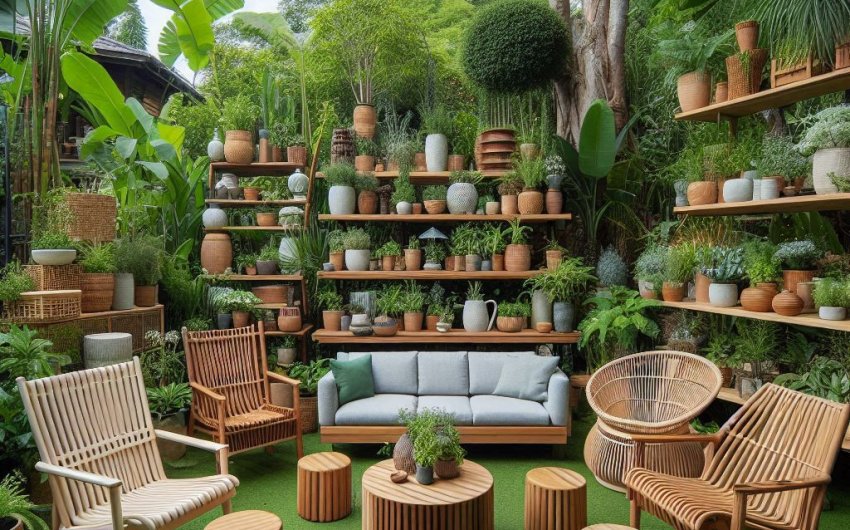
Creating an outdoor space for relaxation and enjoyment often involves choosing the right furniture. We want pieces that are comfortable, stylish, and durable enough to withstand the elements. But as we become more aware of our impact on the planet, another important factor comes into play: how eco-friendly is that furniture? Making conscious choices about the materials and production methods of your garden furniture can significantly reduce your environmental footprint.
Choosing eco-friendly garden furniture means looking beyond just the immediate appeal. It's about considering the entire life cycle of the product – from where its materials came from, how it was made, how long it will last, and what happens to it when you're done with it. It’s a way to ensure your outdoor oasis is not only beautiful but also kind to the earth.
Why Should You Choose Eco-Friendly Garden Furniture?
Making choices that benefit the environment might seem like a small drop in a big bucket, but when it comes to something as substantial as garden furniture, those choices add up. Opting for eco-friendly pieces isn't just a trend; it's a responsible way to furnish your outdoor living space. It connects your personal actions to a larger global effort for sustainability.
There are several compelling reasons why investing in eco-friendly garden furniture is a smart move, not just for the planet, but potentially for your health and wallet in the long run. It's about making a positive impact with every purchase.
Reducing Your Environmental Footprint
Every product we buy has an environmental footprint, which means it has an impact on the planet from its creation to its disposal. This includes the resources used, the pollution created, and the waste generated. When you choose eco-friendly garden furniture, you are actively working to shrink that footprint.
Here's how it helps:
- Resource Conservation: Eco-friendly furniture often uses materials that are recycled, reclaimed, or sustainably harvested. This means less new raw materials are taken from the earth, preserving natural resources like forests and reducing the need for energy-intensive mining or manufacturing. For example, choosing furniture made from recycled plastic lumber means less new plastic is made.
- Lower Emissions: The production of many traditional furniture materials (like virgin plastics or certain metals) involves processes that release greenhouse gases and other pollutants into the air and water. Eco-friendly options often have manufacturing processes with lower energy demands and fewer harmful emissions, contributing less to climate change and air pollution.
- Waste Reduction: Furniture that is designed to last a long time, or that can be easily repaired, reused, or recycled at the end of its life, helps reduce the amount of waste sent to landfills. Choosing durable eco-friendly materials means you won't need to replace your furniture as often.
- Protecting Biodiversity: When wood is sourced sustainably (like FSC-certified wood), it means forests are managed responsibly, protecting vital ecosystems and the plants and animals that live within them. This avoids deforestation and habitat destruction.
By making conscious choices about your garden furniture, you're directly contributing to a healthier planet by conserving resources, reducing pollution, and minimizing waste.
Avoiding Harmful Chemicals
Traditional furniture, especially less expensive options, can sometimes be made with materials or finishes that contain harmful chemicals. These chemicals can include volatile organic compounds (VOCs) from paints, stains, or adhesives, or chemicals used in plastic production.
- What are VOCs?: VOCs are gasses released from certain solids or liquids. They can cause a range of health problems, from headaches and nausea to more serious long-term issues. While they are a bigger concern indoors, some can still off-gas outdoors.
- Why avoid them in garden furniture?:
- Air Quality: While outdoor spaces are well-ventilated, some VOCs can still be released into your garden environment. Choosing furniture with low-VOC or natural finishes improves the air quality around your outdoor living area.
- Environmental Release: These chemicals can also eventually leach into the soil or water, contributing to environmental pollution.
- Health for Makers: It's not just about the end-user. Workers in factories producing furniture with these chemicals are often exposed to them, highlighting the broader impact.
Eco-friendly garden furniture typically focuses on natural materials, non-toxic finishes, or materials like recycled plastic that don't require such harsh chemicals in their production. For example, choosing a natural teak oil finish for wooden furniture, or untreated woods, reduces your exposure to these substances. Always look for phrases like "low VOC," "non-toxic," or "natural finish" when browsing for furniture, especially for items you'll be spending a lot of time around, like a wooden patio dining set with natural finish.
Supporting Ethical Production
When you choose eco-friendly garden furniture, you're often also supporting companies that prioritize ethical production practices. This goes beyond just the materials and extends to how the furniture is made and the people who make it.
- Fair Labor Practices: Many eco-friendly brands are committed to fair wages, safe working conditions, and no child labor. This means you're supporting companies that value their employees and treat them with respect.
- Local Sourcing: Choosing furniture made from locally sourced materials or by local artisans can reduce transportation costs and emissions. It also supports local economies and craftsmanship.
- Transparency: Companies dedicated to eco-friendly and ethical production are often more transparent about their supply chains and manufacturing processes. They might provide certifications (like Fair Trade or specific ethical sourcing labels) that give you confidence in your purchase.
- Community Impact: Some eco-friendly initiatives go even further, investing in the communities where their materials are sourced or where their factories are located, contributing to social and economic development.
By choosing eco-friendly garden furniture, you're making a statement with your wallet. You're showing demand for products that are not only good for the planet but also good for people, helping to create a more just and sustainable global economy. This can be especially true for handmade or artisanal items, such as a handcrafted bamboo lounge chair.
Durability and Longevity
One of the often-overlooked aspects of being eco-friendly is simply buying things that last. The longer an item lasts, the less frequently it needs to be replaced, which reduces demand for new resources and generates less waste. Eco-friendly garden furniture often excels in durability and longevity.
- Quality Materials: Eco-friendly materials like FSC-certified hardwoods, high-quality recycled plastic, or durable metals are often chosen for their inherent strength and resistance to the elements. These materials are built to withstand sun, rain, and temperature changes, meaning your furniture won't degrade quickly.
- Craftsmanship: Companies focused on sustainability often also prioritize quality craftsmanship. They invest in skilled labor and robust construction methods that ensure the furniture is well-built and can withstand years of use. This is in contrast to cheaply made, disposable furniture.
- Reduced Waste and Cost Over Time: While eco-friendly furniture might have a higher upfront cost, its longevity means you save money in the long run by not having to replace it every few seasons. This also means less furniture ends up in the landfill, further reducing your environmental footprint.
- Repairability: Good quality, eco-friendly furniture is often designed to be easily repaired. If a part breaks, it can be fixed or replaced rather than the entire piece being discarded. This extends its lifespan even further.
Investing in durable, eco-friendly garden furniture is a smart financial and environmental decision. It's a commitment to pieces that will last for years, bringing sustained enjoyment to your outdoor space while reducing your impact on the planet.
What Materials Are Eco-Friendly for Garden Furniture?
When selecting eco-friendly garden furniture, the material is often the first and most important consideration. Different materials have different environmental impacts, depending on how they are sourced, processed, and what happens to them at the end of their life. Knowing which materials are generally considered eco-friendly can help guide your choices.
The best choices are those that are renewable, recycled, or reclaimed, and processed with minimal environmental harm. Let's explore some of the top contenders for sustainable outdoor living.
FSC-Certified Wood
When it comes to wooden garden furniture, simply choosing "wood" isn't enough to be truly eco-friendly. The key is to look for FSC-certified wood. FSC stands for the Forest Stewardship Council, which is an international non-profit organization that promotes responsible management of the world's forests.
- What is FSC-certified wood?: It means the wood comes from forests that are managed in an environmentally appropriate, socially beneficial, and economically viable way. This involves practices like:
- Sustainable Harvesting: Trees are harvested at a rate that allows the forest to regenerate naturally.
- Protecting Biodiversity: Forest management protects plant and animal species and their habitats.
- Worker Rights: Forest workers are treated fairly and safely.
- Respect for Indigenous Peoples' Rights: Indigenous communities' rights and traditional knowledge are respected.
- No Illegal Logging: Ensures the wood is not illegally harvested.
- Benefits:
- Prevents Deforestation: By supporting FSC-certified wood, you're helping to fight illegal logging and protect forests, which are vital for absorbing carbon dioxide and providing habitats.
- Supports Responsible Forestry: It encourages better forestry practices worldwide.
- Biodiversity Protection: Helps maintain healthy forest ecosystems.
- Common FSC-certified wood types for outdoor furniture: Teak (known for its durability and weather resistance, but ensure it's FSC-certified as conventionally sourced teak can be problematic), Eucalyptus, Acacia, and sometimes Cedar. Always look for the FSC logo or specific certification on the product or its description. A popular choice is an FSC-certified teak patio bench.
Choosing FSC-certified wood allows you to enjoy the natural beauty and warmth of wood knowing that it has been sourced responsibly.
Recycled Plastic
Recycled plastic has emerged as a surprisingly eco-friendly material for garden furniture, especially for those seeking low-maintenance and highly durable options. This material typically comes from post-consumer plastics, like milk jugs and detergent bottles, that are cleaned, melted, and molded into lumber-like forms.
- Benefits:
- Waste Diversion: The most significant benefit is that it diverts plastic waste from landfills and oceans, giving it a second life. This reduces the demand for new, virgin plastic production, which is energy-intensive and relies on fossil fuels.
- Durability and Longevity: Recycled plastic lumber is incredibly durable. It resists rot, insects, moisture, and fading, making it ideal for outdoor use. It won't crack, splinter, or peel. This means it lasts for many years, reducing the need for frequent replacements. A recycled plastic Adirondack chair is a classic example of this material's use.
- Low Maintenance: It requires virtually no maintenance beyond occasional cleaning with soap and water, unlike wood that needs sealing or staining.
- No Harmful Chemicals: Unlike some pressure-treated wood, recycled plastic furniture doesn't require chemical treatments to withstand the elements, meaning no VOCs or preservatives leaching into your garden.
- Recyclable (Again): At the very end of its long life, high-quality recycled plastic furniture can often be recycled again, completing the circular economy.
- Considerations: Ensure the product is made from 100% recycled content if possible, or at least a very high percentage, to maximize its eco-friendly impact. While it might look different from natural wood, its environmental benefits are compelling.
Recycled plastic garden furniture is an excellent choice for those who prioritize sustainability, minimal maintenance, and extreme durability.
Reclaimed or Salvaged Materials
Using reclaimed or salvaged materials for garden furniture is perhaps one of the most truly eco-friendly options available. These materials are given a new purpose instead of being discarded, reducing waste and the demand for new resources.
- What are they?: Reclaimed materials are those that have been taken from old buildings, structures, or even old furniture and repurposed. This can include:
- Reclaimed wood: From old barns, factories, fences, or even shipping pallets. This wood often has a unique character, patina, and history. A patio table made from reclaimed barn wood can be stunning.
- Salvaged metal: From industrial scrap, old machinery, or even car parts, transformed into furniture frames or decorative elements.
- Upcycled items: Old barrels, crates, or even tires given a new life as seating or tables.
- Benefits:
- Maximum Waste Reduction: This method almost entirely eliminates waste and the need for new raw materials. It's the ultimate form of recycling.
- Unique Aesthetic: Reclaimed materials often have a distinctive look, with natural wear, imperfections, and character that cannot be replicated with new materials. This gives your furniture a unique story and charm.
- Lower Carbon Footprint: The energy required to process and transport reclaimed materials is significantly less than that for producing new ones from scratch.
- Durability: Old-growth wood often found in reclaimed lumber is incredibly dense and durable, sometimes even more so than newly harvested wood.
- Considerations: Ensure any reclaimed wood has been properly treated (kiln-dried, de-nailed, and free of pests) if necessary. Also, check that any finishes used on reclaimed furniture are non-toxic.
Opting for reclaimed or salvaged garden furniture is a creative and highly sustainable way to furnish your outdoor space, adding character and a clear conscience.
Bamboo
Bamboo is often hailed as a super-sustainable material due to its incredibly rapid growth rate and renewability. It's technically a grass, not a wood, but it has wood-like properties, making it an excellent choice for eco-friendly garden furniture.
- Benefits:
- Rapidly Renewable: Bamboo is one of the fastest-growing plants on Earth. Some species can grow several feet per day, reaching maturity in 3-5 years, compared to decades for hardwoods. This means it can be harvested frequently without depleting resources.
- Self-Regenerating: Once harvested, bamboo doesn't need to be replanted; it regenerates from its existing root system, preventing soil erosion.
- Strong and Durable: Despite being a grass, bamboo is remarkably strong, lightweight, and durable, making it suitable for furniture. It has a high strength-to-weight ratio.
- Biodegradable: At the end of its very long life, bamboo is fully biodegradable, returning to the earth naturally.
- Low Environmental Impact of Growing: Bamboo often doesn't require pesticides or fertilizers to grow, further reducing its environmental footprint.
- Considerations:
- Processing: Look for bamboo furniture that uses eco-friendly glues and finishes, as some processing methods can use harmful chemicals.
- Origin: Consider the source. While bamboo is renewable, long-distance shipping can add to its carbon footprint.
- Durability for Outdoors: For outdoor use, ensure the bamboo furniture has been properly treated and sealed to resist moisture and rot, as untreated bamboo can be susceptible to the elements. A bamboo patio chair that's been properly sealed can last for years.
Bamboo garden furniture offers a lightweight, strong, and highly sustainable option for your outdoor space, providing a natural aesthetic with a minimal environmental impact.
Aluminum (Recycled)
Aluminum is a lightweight, strong, and rust-resistant metal that is very popular for garden furniture. While its initial production is energy-intensive, its recyclability makes recycled aluminum a highly eco-friendly choice.
- Benefits of Recycled Aluminum:
- High Recyclability: Aluminum is endlessly recyclable without losing its quality. This means a piece of aluminum furniture can be melted down and reformed into new products over and over again.
- Energy Savings: Recycling aluminum uses up to 95% less energy than producing new aluminum from raw materials (bauxite ore). This drastically reduces its carbon footprint.
- Corrosion Resistance: Aluminum naturally forms a protective oxide layer, making it very resistant to rust and corrosion, ideal for outdoor use.
- Lightweight: Its light weight makes aluminum furniture easy to move and rearrange.
- Durability: Aluminum furniture is very durable and long-lasting, contributing to its eco-friendliness by reducing the need for replacement. A sleek recycled aluminum outdoor dining set is both modern and sustainable.
- Considerations:
- Virgin Aluminum vs. Recycled: Always look for furniture made from a high percentage of recycled aluminum. If the product doesn't specify, it's likely made from virgin aluminum, which has a much larger environmental footprint.
- Finishes: Check that any powder coatings or finishes used on the aluminum are eco-friendly and low-VOC.
Choosing recycled aluminum garden furniture is a great way to incorporate a modern, durable, and low-maintenance option while significantly reducing the environmental impact associated with metal production.
What Other Factors Make Garden Furniture Eco-Friendly?
Beyond the primary material, several other factors contribute to the overall eco-friendliness of garden furniture. A truly sustainable piece considers its entire life cycle, from how it's made to how it gets to you and what happens when you no longer need it. Looking at these additional details helps you make a more holistic eco-conscious choice.
These elements often reveal a company's true commitment to sustainability, beyond just the raw materials.
Manufacturing Processes
The way garden furniture is made, known as its manufacturing process, plays a significant role in its eco-friendliness. Even if a product uses sustainable materials, if the factory pollutes heavily or uses excessive energy, its overall impact can still be high.
When considering eco-friendly manufacturing processes, look for:
- Energy Efficiency: Companies that use renewable energy sources (like solar or wind power) in their factories, or those that have implemented energy-saving technologies, have a much lower carbon footprint.
- Waste Reduction: Responsible manufacturers try to minimize waste generated during production. This might involve recycling factory scraps, optimizing cutting patterns to reduce material waste, or finding ways to reuse byproducts.
- Water Conservation: Manufacturing can be water-intensive. Companies that implement water-saving measures, such as recycling process water, are more eco-friendly.
- Pollution Control: Look for manufacturers with strong pollution control measures in place to prevent harmful emissions into the air or water. This includes managing dust, chemical runoff, and treating wastewater.
- Low-VOC Finishes: As mentioned before, the use of low-VOC (Volatile Organic Compound) or non-toxic finishes, paints, glues, and sealants is crucial. These are better for the environment and for your health.
- Certifications: Some furniture manufacturers might have certifications like ISO 14001, which indicates a commitment to environmental management systems.
Researching a company's manufacturing processes can be challenging, but reputable eco-friendly brands are often transparent about their practices on their websites or in their product descriptions. Choosing a patio set from a brand known for sustainable manufacturing can make a big difference.
Local Sourcing and Production
The distance your garden furniture travels from where its materials are sourced to where it's manufactured and then to your home significantly impacts its environmental footprint. This is known as transportation emissions.
- Why Local Matters:
- Reduced Carbon Emissions: Shorter distances mean less fuel consumption and fewer greenhouse gas emissions from ships, trucks, or planes. This directly contributes to a lower carbon footprint for the furniture.
- Support for Local Economies: Buying furniture that is sourced and produced locally supports local businesses, creates jobs in your community, and can foster local craftsmanship.
- Greater Transparency: It can be easier to verify the eco-friendly and ethical practices of a local manufacturer compared to one halfway around the world.
- Unique Designs: Local artisans or small businesses might offer unique designs or custom pieces not found in mass-produced furniture.
- How to Identify Local Sourcing:
- Look for information on the product's origin or "Made In" labels.
- Check company websites for details about their sourcing and manufacturing locations.
- Support local furniture makers or craftspeople in your area.
While not always possible, prioritizing locally sourced and produced garden furniture is a powerful way to reduce its environmental impact and support your community simultaneously.
Durability and Repairability
As discussed earlier, the durability and repairability of garden furniture are key indicators of its eco-friendliness. A product that lasts a long time and can be easily fixed avoids the need for frequent replacements, thus reducing waste and the demand for new resources.
- Durability:
- Built to Last: Eco-friendly furniture is often designed and constructed with longevity in mind, using robust joints, high-quality fasteners, and weather-resistant materials.
- Material Choice: Materials like FSC-certified hardwoods, recycled plastic lumber, and recycled aluminum are inherently durable for outdoor conditions.
- Resilience: Look for furniture that resists common outdoor problems like rust, rot, fading, splintering, or insect damage.
- Repairability:
- Modular Design: Furniture with a modular design (separate, replaceable parts) is easier to repair. If one slat or leg breaks, it can be replaced without discarding the entire piece.
- Standard Parts: Furniture that uses standard nuts, bolts, and screws (rather than proprietary or unusual fasteners) is simpler to disassemble and fix.
- Manufacturer Support: Does the manufacturer offer replacement parts? Do they provide clear instructions for care and maintenance, or even repair guides? This indicates a commitment to longevity.
- Maintenance: While low-maintenance materials like recycled plastic are great, even natural materials like wood benefit from proper maintenance (cleaning, oiling, occasional re-sealing) to extend their lifespan. Choosing a good teak protector and restorer can significantly prolong the life of your wooden furniture.
Before buying, ask yourself: How long will this last? Can I easily fix it if something breaks? Can I refinish it if it starts to look worn? Choosing furniture with durability and repairability in mind means a smaller environmental footprint over its entire lifespan.
End-of-Life Options (Recyclability/Biodegradability)
A truly eco-friendly product considers what happens to it when you're completely finished with it. This is called its end-of-life options. The best scenarios are when furniture can be easily recycled or is completely biodegradable.
- Recyclability:
- Material Matters: Some materials are much easier to recycle than others. Aluminum is highly and endlessly recyclable. High-quality recycled plastic can often be recycled again into new products. Metals like steel and iron are also recyclable.
- Disassembly: Furniture that can be easily disassembled into its component parts (e.g., separating metal frames from wooden slats) makes recycling much simpler for waste management facilities.
- Local Facilities: Check if your local recycling facilities accept the materials the furniture is made from.
- Biodegradability:
- Natural Breakdown: Biodegradable materials are those that can naturally break down and return to the earth over time, usually with the help of microorganisms. Natural woods (FSC-certified, untreated, and without harmful finishes) and natural fibers (like untreated bamboo) are examples.
- Compostability: While a whole piece of furniture won't fit, smaller components or very natural, untreated wood scraps might be suitable for composting.
- Avoid Mixed Materials: Furniture made from a complex mix of materials that cannot be easily separated can be difficult or impossible to recycle, making them less eco-friendly at their end-of-life.
- Repurposing/Donating: Before disposing of any furniture, consider if it can be repurposed (given a new function) or donated to someone else who can use it. This extends its life and avoids sending it to a landfill.
By choosing garden furniture with clear end-of-life options – ideally recyclability or biodegradability – you contribute to a circular economy where materials are reused rather than becoming waste, making your outdoor living truly sustainable.