
What Are the Best Lightweight Garden Furniture Options for Easy Mobility?
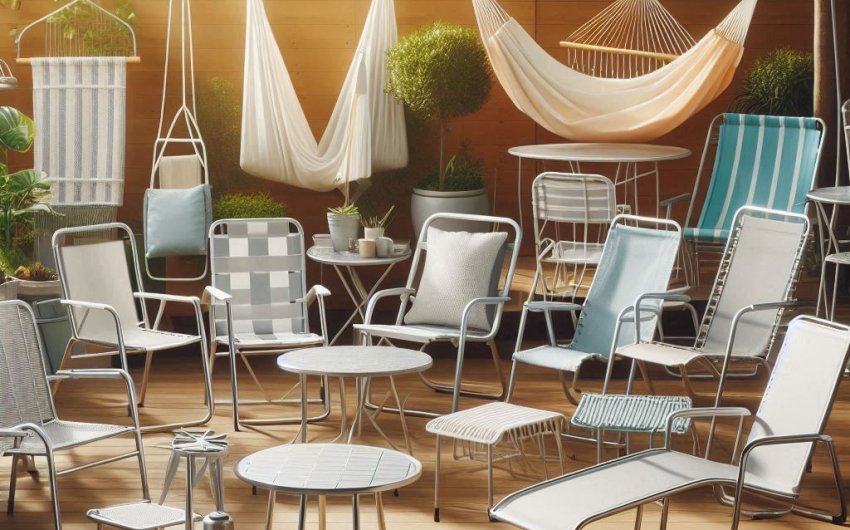
When thinking about enhancing your outdoor living space, you might be looking for ways to easily reconfigure or store your patio setup. Selecting outdoor furnishings that are simple to shift is a practical consideration for many homeowners. Understanding which materials and designs offer the greatest portability can make a significant difference in how you enjoy your patio, deck, or balcony. The ability to effortlessly move seating and tables allows for flexible arrangements, easy cleaning, and convenient storage, truly optimizing your outdoor experience.
What Materials Make Garden Furniture Lightweight?
The weight of garden furniture is primarily determined by the materials used in its construction. Choosing the right material is the first step toward ensuring easy mobility for your outdoor pieces. Different materials offer various benefits in terms of weight, durability, and aesthetics.
The inherent properties of various materials dictate how heavy or light a piece of furniture will be. While some materials are naturally robust and weighty, others are designed to be much lighter, making them ideal for lightweight garden furniture. Understanding these material differences is crucial when prioritizing ease of movement and storage for your outdoor space.
Which metals are light for garden furniture?
Metals are often associated with strength and durability, but not all metals are heavy. Some metallic options are specifically chosen for their low weight combined with good resilience, making them excellent choices for easily movable outdoor pieces.
Aluminum is by far the most popular choice for lightweight garden furniture among metals. It is remarkably light yet strong, making it easy to move chairs, tables, and even larger sofas without much effort. Unlike iron or steel, aluminum is naturally rust-resistant, which means it holds up well in outdoor conditions without special treatments. This makes aluminum furniture, such as an aluminum bistro set, a top contender for those prioritizing portability and minimal maintenance. While steel is strong, it's significantly heavier and prone to rust, requiring more care.
Are plastics good for lightweight garden furniture?
Plastics have come a long way from their early, less durable forms. Modern plastic compounds offer surprising strength and excellent resistance to outdoor elements, all while being inherently very light.
Yes, certain types of plastics are exceptionally good for lightweight garden furniture. Polypropylene is a common choice, known for being durable, UV-resistant, and incredibly light. It can be molded into various shapes and often comes in vibrant colors, like a polypropylene stacking chair. Another good option is high-density polyethylene (HDPE), which is often used for recycled plastic lumber furniture. While HDPE can be a bit heavier than virgin polypropylene, it's still considerably lighter than wood or metal and offers superior longevity and weather resistance. These plastics are virtually maintenance-free and can be easily wiped clean, making them practical for everyday use and simple to relocate.
What wood options are light enough for garden furniture?
Wood, especially solid hardwoods, tends to be quite heavy. However, some wood species are naturally lighter than others, and the design of wooden furniture can also contribute to its overall weight.
While most solid wood furniture can be quite substantial, some options are lighter. Cedar is a relatively lightweight softwood that is naturally resistant to rot and insects, making it suitable for outdoor use. A cedar Adirondack chair would be lighter than one made from oak. Another lighter wood often used for outdoor furniture is Acacia, which balances decent strength with a more manageable weight compared to teak or ipe. However, even the lightest woods will still be heavier than aluminum or plastic, so wooden furniture prioritizing portability often features slatted designs or smaller pieces rather than solid, bulky structures.
What about synthetic wicker or rattan?
Synthetic wicker, often referred to as resin wicker or all-weather wicker, has become incredibly popular for outdoor furniture due to its aesthetic appeal and durability. Its internal frame plays a big part in its weight.
Synthetic wicker is generally very lightweight garden furniture because the "wicker" strands themselves are made from plastic (usually polyethylene) and the internal frame is almost always made of aluminum. This combination results in furniture that has the classic look of natural rattan but is much lighter, more durable, and completely weather-resistant. A resin wicker dining chair can be effortlessly lifted and rearranged. This makes synthetic wicker an excellent choice for those who want stylish, comfortable furniture that can be easily moved, stored, or reconfigured to suit different occasions.
What Designs Make Garden Furniture Easy to Move?
Beyond material, the actual design and features of garden furniture greatly influence its mobility. Certain design choices prioritize ease of lifting, folding, or rolling, making reconfigurations and storage much simpler.
Smart design is just as crucial as material choice when it comes to easy mobility for garden furniture. Features that allow pieces to be folded, stacked, or wheeled significantly enhance their practicality for dynamic outdoor spaces. Thinking about how the furniture will be used and stored will guide you toward the most convenient designs.
What are the benefits of folding garden furniture?
Folding furniture is a classic solution for portability, offering unparalleled convenience for temporary setups or compact storage. Its ability to transform dramatically affects its usefulness.
Folding garden furniture is an excellent option for easy mobility because it can be collapsed into a much smaller, flatter profile. This makes it incredibly simple to set up a temporary seating area for guests, then fold it away when not needed, saving space. A folding bistro table and chairs set can be brought out for morning coffee and then stored in a shed or garage. Folding chairs are also great for taking to outdoor events or for adding extra seating around a larger dining table. When made from lightweight materials like aluminum or polypropylene, folding furniture becomes exceptionally easy to carry and store, preventing clutter in your outdoor areas.
How does stacking furniture help with mobility?
Stacking furniture is another clever design solution for optimizing space and making furniture management easier, especially for multiple chairs or loungers.
Stacking garden furniture is highly beneficial for easy mobility and efficient storage. Chairs, in particular, are often designed to stack neatly on top of each other, forming a compact column. This significantly reduces the footprint required to store multiple chairs, whether you're tidying up for the evening or putting them away for the winter. For instance, a set of stackable patio chairs can be easily moved out of the way to clear space for an outdoor game or brought out quickly when extra seating is needed. Stacking designs inherently mean the pieces are individually light enough to lift and position without strain.
Are furniture pieces with wheels a good option?
For larger or slightly heavier pieces that still need to be movable, incorporating wheels into the design can be a game-changer, eliminating the need for heavy lifting.
Yes, furniture pieces with wheels are an excellent option for easy mobility, especially for items that might be too large or bulky to lift comfortably. Dining tables, lounge chairs, and large planters often come equipped with wheels to make rearrangement simple. For example, a wheeled lounge chair can be easily repositioned to follow the sun or move into the shade. Look for furniture with sturdy, outdoor-grade wheels that can handle uneven patio surfaces. This feature allows you to effortlessly shift your outdoor layout, adapting your space for entertaining, relaxation, or maintenance tasks without straining your back.
What about modular garden furniture?
Modular furniture is designed to be highly flexible and reconfigurable, allowing users to create various seating arrangements from a few individual pieces. This inherent adaptability contributes to its mobility.
Modular garden furniture is often designed with easy mobility in mind because its individual components are typically lighter and easier to move than one large, fixed piece. These sets usually consist of individual chairs, armless sections, and ottomans that can be combined in many ways to suit different spaces or occasions. A modular patio set allows you to rearrange sections to create a long sofa, separate seating zones, or even individual chairs. While some modular sets can be large when fully assembled, the ability to break them down into smaller, lighter units makes them very flexible and much simpler to move or store piece by piece.
What Types of Garden Furniture Prioritize Lightweight Design?
Certain categories of garden furniture are inherently designed with portability in mind, making them natural fits for those prioritizing easy mobility. These often include pieces intended for casual use, smaller spaces, or temporary setups.
When seeking lightweight garden furniture, some categories stand out for their design principles that emphasize easy handling and movement. These items are often conceptualized to be versatile and adaptable to changing needs or weather conditions, making them ideal for dynamic outdoor living.
Which types of tables are easiest to move?
Tables can range significantly in weight, but certain designs and materials are specifically chosen to make them simple to reposition, whether for dining, drinks, or casual use.
For the easiest mobility, look for bistro tables made from aluminum or plastic. A small aluminum bistro table is perfect for a balcony or small patio and can be effortlessly moved. Folding tables are also extremely convenient; an aluminum folding table can be set up for a meal and then folded and stored away in seconds. Side tables or end tables also tend to be very lightweight, especially those made from a lightweight frame with a composite top. Even larger dining tables can be movable if they feature aluminum frames or are designed with wheels.
What seating options are best for easy mobility?
When it comes to seating, the variety of lightweight options is vast, allowing you to choose comfortable chairs, benches, or lounge pieces that are simple to shift as needed.
Folding chairs are top contenders for easy mobility, particularly those made from aluminum or lightweight resin, such as a folding resin chair. These are ideal for extra seating or quick rearrangements. Stackable chairs, often made from polypropylene or aluminum with synthetic wicker, are also excellent for space-saving and effortless repositioning. Consider adirondack chairs made from HDPE recycled plastic lumber; while sturdy, they are often lighter than their wooden counterparts and surprisingly manageable to move. For lounging, many chaises or recliners are made with aluminum frames and sling fabric, like a sling fabric chaise lounge, making them easy to tilt or shift to follow the sun.
Are outdoor sofas and sectionals ever lightweight?
Outdoor sofas and sectionals are typically larger pieces, often implying significant weight. However, some designs and materials make these larger seating arrangements surprisingly easy to manage.
Yes, outdoor sofas and sectionals can be surprisingly lightweight garden furniture, especially those designed with aluminum frames and synthetic wicker or quick-dry fabric cushions. Modular sectional pieces, like individual modular patio sofa sections, are often lighter than a single, long sofa, allowing for easier movement of individual components. Even full-sized sofas, if constructed with an aluminum frame, will be far lighter than those with steel or wrought iron. Some outdoor sofas are designed with minimalist, open frames, further reducing their overall weight while maintaining comfort and style.
How Can I Make Existing Garden Furniture More Mobile?
If you already own garden furniture that isn't inherently lightweight, there are still ways to improve its mobility without having to buy entirely new pieces. Simple additions and accessories can make a significant difference.
Even if your current garden furniture isn't the epitome of lightweight design, there are practical solutions to enhance its easy mobility. Investing in a few smart accessories or making minor modifications can transform heavy, stationary pieces into more manageable items, allowing for greater flexibility in your outdoor living space.
Can I add wheels to my garden furniture?
Adding wheels is a practical way to improve the mobility of many existing garden furniture pieces, especially those that are too heavy to lift.
Yes, you can often add wheels to existing garden furniture, provided the base structure allows for it. For items like planters, benches, or even some tables, attaching heavy-duty casters can make them significantly easier to move. Ensure the casters are rated for outdoor use and have a sufficient weight capacity for your furniture piece. For wooden furniture, you might need to reinforce the base where the casters will be attached. This simple modification can turn a stationary item into a movable one, allowing you to reconfigure your space with ease.
Are furniture glides useful for moving garden furniture?
Furniture glides, while not providing the same mobility as wheels, can still make a noticeable difference when you need to slide or drag heavier pieces across a surface.
Yes, furniture glides can be quite useful for improving the easy mobility of heavier garden furniture over smooth surfaces. Instead of lifting and dragging, glides allow the furniture to slide more easily, reducing friction and preventing scratches on your patio or deck. You can find outdoor furniture glides made from durable plastics or rubber that attach to the bottom of chair and table legs. While they won't help you lift a heavy item, they make minor adjustments and repositioning much less strenuous, protecting both your furniture and your flooring.
What tools can assist with moving heavy garden furniture?
Sometimes, even with the best lightweight options, you might encounter a piece that requires a little extra help to move. Specialized tools can make these tasks safer and easier.
For truly heavy garden furniture that you can't easily lift or slide, consider investing in some basic moving tools. A furniture dolly or hand truck can be invaluable for moving large planters, heavy outdoor grills, or bulky stone tables. Furniture sliders, similar to glides but designed for temporary use, can be placed under legs to help heavy items glide across various surfaces. For large, awkward items, lifting straps can distribute weight and make it easier for two people to move a heavy piece more safely, reducing strain on your back. These tools are not part of the furniture itself but are essential for managing less mobile items when necessary.
What Factors Beyond Weight Impact Mobility?
While material and design are primary drivers of furniture weight and, therefore, mobility, other practical considerations also play a role in how easily garden furniture can be moved and managed.
Beyond the raw weight of the furniture, several other factors contribute to its overall easy mobility. Thinking about the environment it will be in, how often it needs to be moved, and even how it’s designed ergonomically can influence your satisfaction with lightweight garden furniture.
Does the furniture's footprint affect mobility?
The physical dimensions and overall size of a piece of garden furniture, often referred to as its footprint, can impact how easily it can be navigated through spaces or stored.
Yes, the furniture's footprint significantly affects its easy mobility. Even a lightweight piece can be awkward to move if it's very wide or has an unusual shape that doesn't fit through doorways or around tight corners. For smaller patios or balconies, compact furniture with a smaller footprint is inherently easier to maneuver and store. For instance, a slim bistro set will be much easier to tuck away or move than a sprawling lounge set, regardless of material. Consider the pathways and storage areas you have available when choosing the size of your furniture.
How do cushions and accessories affect mobility?
While cushions and accessories add comfort and style, they can also impact how easily garden furniture can be moved, especially if they are bulky or need separate storage.
Cushions and accessories can add considerable weight and bulk, thus affecting the easy mobility of garden furniture. If cushions are thick and numerous, they might need to be removed before moving a piece of furniture, which adds an extra step. Look for furniture with quick-dry cushions that can withstand light rain, reducing the need to bring them in. Some furniture designs incorporate integrated storage for cushions, which is convenient but doesn't necessarily make the furniture itself lighter. Ultimately, if extreme portability is your goal, simpler furniture designs with minimal or easily removable cushions will be the most practical.
What about maintenance requirements and mobility?
The ongoing care and maintenance needed for garden furniture can indirectly affect how often and how easily you might need to move it for cleaning or protection.
Maintenance requirements can indirectly impact easy mobility. Furniture that needs frequent cleaning, special treatments, or protection from harsh weather might need to be moved more often. For instance, wooden furniture might need to be moved for seasonal oiling or brought indoors during winter to protect it from rot. In contrast, low-maintenance materials like aluminum or high-quality plastics often require just a quick wipe-down with soap and water, reducing the need for extensive moving. Choosing materials known for their durability and minimal upkeep can contribute to furniture that is not only lightweight but also less of a hassle to manage year-round.
Does furniture assembly impact its mobility?
The way garden furniture is assembled, and whether it can be easily disassembled, can play a role in its overall mobility, especially for storage or relocation.
The ease of assembly, and more importantly, disassembly, can impact the easy mobility of garden furniture, particularly for long-term storage or moving to a new home. While most lightweight furniture is simple to put together, some pieces might be designed to be easily taken apart and flat-packed, which is incredibly useful for off-season storage in compact spaces like sheds or garages. Furniture that bolts together rigidly might be strong, but less convenient for breaking down. Prioritizing designs that allow for straightforward disassembly can be a hidden benefit when considering the long-term easy mobility of your outdoor pieces.
Ultimately, choosing the most suitable lightweight garden furniture options for easy mobility hinges on a thoughtful combination of material selection, smart design, and consideration of your specific outdoor needs.