
How Do I Restore Vintage Metal Garden Furniture?
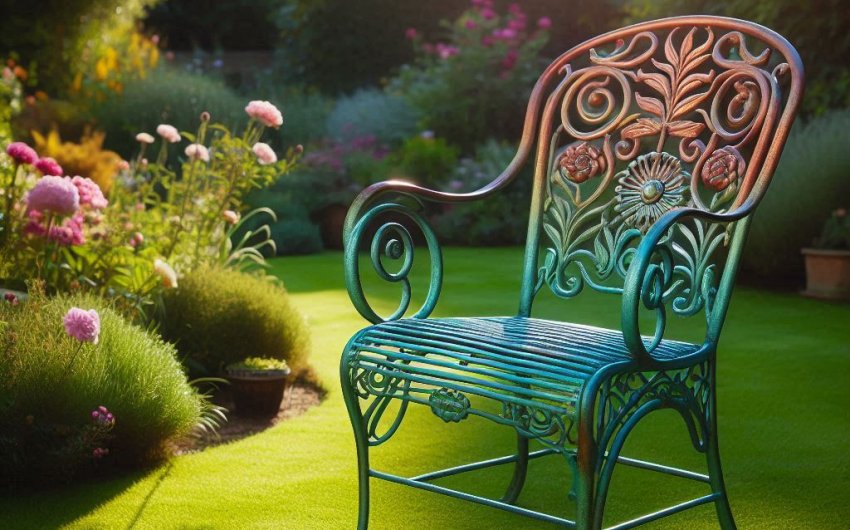
Breathing new life into forgotten outdoor treasures is a rewarding endeavor that blends practicality with a touch of nostalgia. Learning how to restore vintage metal garden furniture allows you to revive classic designs, save money, and contribute to sustainability by giving old pieces a beautiful second act. This comprehensive guide will walk you through every step of transforming rusty, weathered metal furniture into stunning focal points for your garden or patio.
Why Should You Restore Vintage Metal Garden Furniture?
Opting to restore vintage metal garden furniture is a decision that offers numerous benefits, far beyond simply saving money on new pieces. It's an act of preserving history, embracing sustainable practices, and bringing unique character to your outdoor living space. The charm and durability of well-made vintage items often surpass what's available in contemporary mass production.
What are the Benefits of Restoring Metal Furniture?
Beyond personal satisfaction, there are many practical and environmental reasons to embark on a metal furniture restoration project.
- Cost-Effectiveness: Often, purchasing a vintage piece (especially from a flea market or yard sale) and investing in restoration materials is significantly cheaper than buying new, high-quality metal outdoor furniture.
- Superior Quality and Durability: Many older metal furniture pieces, particularly those made of wrought iron or cast aluminum, were built to last. Their construction often involves solid materials and robust craftsmanship that can withstand decades of outdoor exposure, often surpassing the quality of modern, lighter-weight alternatives.
- Unique Character and Style: Vintage pieces have a charm and patina that new furniture simply cannot replicate. They often feature classic designs, intricate scrollwork, or mid-century modern lines that add a distinctive, timeless aesthetic to your garden or patio.
- Environmental Sustainability: Restoration is a prime example of recycling and upcycling. It reduces waste by diverting items from landfills, conserves resources by avoiding the need for new material extraction and manufacturing, and lowers your carbon footprint. It's a truly eco-friendly choice.
- Personal Satisfaction and Sense of Accomplishment: Transforming a rusty, neglected piece into a beautiful, functional item brings immense pride and a tangible sense of accomplishment. It's a creative outlet that results in a unique conversation piece.
- Customization: Restoration allows you to choose your own colors, finishes, and even integrate new cushions or accents that perfectly match your outdoor decor and personal style.
What Types of Metal Furniture Can Be Restored?
Most types of outdoor metal furniture can be restored, though the process might vary slightly depending on the metal.
- Wrought Iron:
- Characteristics: Very heavy, strong, often features elaborate scrollwork or intricate designs. Highly durable but very prone to rust if not protected.
- Restoration: Requires thorough rust removal and robust rust-inhibiting primers and paints.
- Cast Iron:
- Characteristics: Also very heavy and strong, often found in ornate, solid pieces like benches or ornate chair backs. Similar rust susceptibility to wrought iron.
- Restoration: Similar to wrought iron.
- Aluminum (Cast or Tubular):
- Characteristics: Lightweight, naturally rust-resistant (doesn't rust, but can oxidize and develop a white, chalky coating). Often found in mid-century modern designs or lighter-weight patio sets.
- Restoration: Easier to work with due to less rust. Focus on cleaning oxidation and proper adhesion of paint.
- Steel (Tubular or Sheet):
- Characteristics: Stronger than aluminum but lighter than iron. Used in various designs, from classic spring chairs to modern minimalist pieces. Prone to rust.
- Restoration: Requires diligent rust removal and anti-rust treatments. Often found in older bistro sets or folding chairs.
What Tools and Materials Do You Need for Restoration?
Having all your supplies ready before you begin is essential for a smooth and efficient restoration process. The right tools and materials will make the job easier and ensure a professional-looking finish for your vintage metal garden furniture.
Essential Tools for Preparation and Cleaning
Thorough preparation is the most critical step for a long-lasting finish.
- Safety Gear:
- Gloves: Heavy-duty work gloves for handling rusty metal, and chemical-resistant gloves for cleaning solutions and paint.
- Safety Glasses/Goggles: Essential for eye protection when sanding, grinding, or using chemicals.
- Dust Mask/Respirator: Critical when sanding, grinding, or spray painting to protect lungs from metal dust and paint fumes.
- Cleaning Supplies:
- Stiff Wire Brush: For initial removal of loose rust and flaking paint. A wire brush set with different sizes is useful.
- Scrub Brush: For cleaning with soap and water.
- Dawn Dish Soap or Degreaser: For thorough cleaning.
- Buckets: For water and cleaning solutions.
- Hose with Spray Nozzle: For rinsing.
- Rust Removal Tools:
- Sandpaper: Various grits (80-grit to 220-grit) for sanding and rust removal.
- Wire Brush Attachment for Drill (or Angle Grinder with Wire Wheel): Highly effective for removing stubborn rust and old paint from large areas. A drill wire brush attachment saves immense manual effort.
- Rotary Tool (Dremel with Wire Brush Bits): For getting into intricate details and tight spots. A Dremel rotary tool kit is invaluable for ornate pieces.
- Paint Scraper or Putty Knife: For lifting loose paint.
- Rust Converter/Rust Encapsulator (Optional): A product that chemically transforms rust into a stable, paintable surface (converter) or seals it in (encapsulator). Can save time on extensive rust removal. A rust converter spray is very helpful.
- Power Washer (Optional): For quick removal of loose paint and dirt, but use carefully to avoid damaging the metal or blasting off good paint.
Essential Materials for Painting and Finishing
The right paint system ensures durability and a beautiful finish.
- Primer:
- Rust-Inhibiting Primer: Absolutely essential for iron and steel. It creates a barrier to prevent new rust formation and provides a good base for paint. Look for a rust-inhibiting primer spray.
- Self-Etching Primer (for Aluminum): If painting aluminum, a self-etching primer helps paint adhere to the smooth surface.
- Paint:
- Exterior Metal Paint (Oil-Based or Acrylic Latex): Specifically formulated for outdoor use, resistant to UV, moisture, and temperature changes. Oil-based typically offers better durability for metal.
- Spray Paint: Offers a smooth, even finish and is excellent for intricate designs. Choose a brand specifically for outdoor metal, often "rust-preventative." A rust-preventative spray paint for metal in various colors.
- Brush-on Paint: Good for larger, flatter surfaces or if you prefer a hand-painted look.
- Paint Thinner/Mineral Spirits: For cleaning brushes if using oil-based paint, and for cleaning surfaces (follow paint instructions).
- Painter's Tape: For masking off areas you don't want to paint.
- Drop Cloths or Cardboard: To protect your work area from overspray.
- Clear Coat/Sealer (Optional): A clear exterior topcoat can add an extra layer of protection and adjust the sheen (matte, satin, gloss). A clear protective spray coat outdoor can enhance longevity.
How Do You Prepare Metal Furniture for Painting?
Thorough preparation is the most critical stage in restoring vintage metal garden furniture. Any shortcuts here will lead to a peeling, blistering, and rusty finish, negating all your hard work. This means meticulous cleaning and rust removal.
Disassembly and Initial Cleaning
Starting with a clean, deconstructed piece makes the rest of the process easier and more effective.
- Disassemble (If Possible): If the furniture can be taken apart (e.g., bolted chairs, table legs), do so. This allows you to access all surfaces for cleaning and painting. Keep all nuts, bolts, and hardware organized in a small parts organizer.
- Rough Clean: Use a stiff scrub brush and a hose to remove loose dirt, cobwebs, and any easily flaking paint. A power washer can be used carefully here for loose material.
Rust and Old Paint Removal
This is the most labor-intensive but essential step for a lasting finish. The goal is to remove all loose and active rust and flaking paint.
- Method 1: Manual/Chemical (for light to moderate rust)
- Wire Brushing: Use a hand wire brush to aggressively scrub away loose rust, dirt, and peeling paint.
- Sandpaper: Use coarse-grit sandpaper (80-grit or 100-grit) to further remove rust and old paint. Progress to finer grits (150-grit, then 220-grit) for a smoother surface. For intricate areas, roll sandpaper into a tube or use a small piece to get into crevices.
- Rust Converter (Optional): For rust you can't completely remove, apply a rust converter according to its instructions. This chemically transforms rust into a stable, black, paintable surface.
- Method 2: Power Tools (for heavy rust or large pieces)
- Drill with Wire Brush Attachment: For stubborn rust and large areas, attach a wire brush wheel or cup brush to a power drill. This makes quick work of cleaning.
- Angle Grinder with Wire Wheel: For extremely heavy rust or very large items, an angle grinder with a wire wheel is highly effective. Wear extremely robust safety glasses/goggles and gloves when using these tools, as wire bristles can fly off.
- Rotary Tool: For small, intricate areas (e.g., scrollwork on wrought iron), a Dremel with wire brush attachments is ideal.
- Aluminum Specifics: Aluminum doesn't rust, but it can oxidize (turn dull or chalky white). Scrub off oxidation thoroughly and consider using a self-etching primer for best paint adhesion.
Final Cleaning and Drying
This step ensures paint adhesion.
- Wash Thoroughly: After all rust and loose paint are removed, wash the entire piece of furniture with warm water and a good degreasing cleaner (like Dawn dish soap). This removes any residue, grease, or sanding dust.
- Rinse Completely: Rinse thoroughly with clean water to remove all soap residue.
- Dry Completely: Allow the furniture to air dry completely. For best results, let it sit in the sun for several hours, or even a full day, to ensure no hidden moisture remains in crevices, which can cause paint blistering. You can also use a leaf blower or compressed air to blast out water from nooks and crannies.
How Do You Prime and Paint Metal Garden Furniture?
With the preparation complete, priming and painting are the steps that bring your vintage metal garden furniture back to life. A good primer is crucial, and the choice of paint will determine the final look and durability.
Priming: The Essential Base Coat
Primer is not just an extra step; it's fundamental for rust prevention and paint adhesion.
- Choose the Right Primer:
- For Iron/Steel (Rust-Prone): Use a rust-inhibiting primer. This typically contains zinc or other compounds that actively prevent rust.
- For Aluminum (Smooth/Oxidized): Use a self-etching primer. This creates a slightly rough surface that paint can grip onto, ensuring strong adhesion.
- Apply Primer:
- Spray Can: For easiest and most even application on intricate pieces, use a spray primer. Hold the can 8-10 inches from the surface and apply light, even coats, moving continuously to avoid drips.
- Brush-on: For larger, flatter areas, use a good quality synthetic brush.
- Thin Coats: Apply 1-2 thin, even coats, allowing each coat to dry completely (check primer instructions) before applying the next. Avoid heavy coats that can drip or create an uneven surface.
- Reach All Areas: Ensure full coverage of the entire metal surface, especially in crevices and underneath. Any spot missed is a potential entry point for rust.
Painting: Adding Color and Protection
This is where your furniture's transformation becomes visible.
- Choose Your Paint:
- Exterior Metal Paint: Select a paint specifically formulated for outdoor metal, resistant to UV rays, moisture, and temperature changes. Look for paints that explicitly state "for outdoor metal" or "rust-preventative."
- Spray Paint: Offers a very smooth, factory-like finish, especially good for detailed or curved pieces. Brands like Rust-Oleum or Krylon offer excellent choices for outdoor metal. Choose your desired color of spray paint for outdoor metal.
- Brush-on Paint: For large, flat surfaces or if you prefer a brush application. Use a good quality exterior paint.
- Apply Paint:
- Light, Even Coats: This is the secret to a professional finish. Apply several thin coats rather than one thick coat. Thick coats lead to drips, uneven drying, and poor adhesion.
- Technique: When using spray paint, move the can in continuous, sweeping motions, overlapping each pass slightly. For brush-on, apply evenly in the direction of the grain (if any) or follow contours.
- Drying Time: Allow each coat to dry completely according to the manufacturer's instructions before applying the next. This typically means a few hours for spray paint, longer for brush-on.
- Cover All Surfaces: Ensure every part of the furniture is covered, including underneath, inside legs, and all intricate details. Pay attention to areas that collect water.
- Consider a Clear Coat (Optional): Once the final paint coat is completely dry (often after 24-48 hours), you can apply an exterior-grade clear coat for added protection against scratches, UV fading, and environmental wear. Choose a clear protective spray coat for outdoor furniture in your desired sheen (matte, satin, gloss).
How Do You Reassemble and Maintain Restored Furniture?
The final steps involve putting your beautifully restored pieces back together and establishing a routine to ensure their longevity. Proper maintenance will protect your hard work and keep your vintage metal garden furniture looking great for years to come.
Reassembly and Finishing Touches
With the paint fully cured, it's time to put your furniture back in commission.
- Reassemble: Carefully reassemble any parts that were taken apart.
- New Hardware: Consider replacing old, rusty nuts and bolts with new, rust-resistant stainless steel hardware. Apply a dab of anti-seize lubricant to threads to prevent future seizing.
- Leg Caps: Replace any missing or damaged rubber leg caps or glides. These protect your floors/patio and prevent moisture from entering hollow legs.
- Add Cushions/Slings: If your furniture requires cushions or fabric slings, now is the time to add them. Consider using outdoor fabric that is UV and mildew resistant.
Regular Maintenance for Longevity
Consistent care will protect your restoration investment.
- Routine Cleaning: Regularly wipe down your furniture with warm water and a mild, non-abrasive soap. This removes dirt, pollen, and environmental fallout that can degrade the finish over time. Use a soft cloth or sponge.
- Immediate Spot Rust Treatment: Inspect your furniture periodically, especially after prolonged rain or humid periods. If you notice any chips, scratches, or small rust spots beginning to form, address them immediately.
- Gently sand the small area, clean, prime with rust-inhibiting primer, and touch up with your original paint color. This prevents minor issues from becoming major problems. Keep a small can of your touch-up paint handy.
- Winter Storage or Protection:
- Store Indoors: In climates with harsh winters (snow, ice, freezing rain), storing metal furniture in a garage, shed, or basement during the off-season is the best way to preserve its finish.
- Use Covers: If indoor storage isn't possible, invest in high-quality, breathable, and waterproof patio furniture covers. Ensure they fit well and allow for some air circulation to prevent moisture buildup and mildew.
- Elevate: Keep furniture off damp ground to prevent moisture wicking and rot, even if covered. Use furniture risers or small blocks if needed.
- Avoid Harsh Cleaners: Do not use abrasive cleaners, wire brushes, or harsh chemicals that can scratch or strip the paint finish.
- Check Fasteners: Periodically check all nuts and bolts and tighten them if loose to maintain stability.
Embarking on the journey of how to restore vintage metal garden furniture is a deeply satisfying process that yields beautiful, durable results. By diligently preparing, priming, and painting, and committing to ongoing maintenance, you can transform neglected pieces into cherished outdoor heirlooms, enjoying their timeless beauty for many years to come.