
What Are the Best Garden Furniture Options for a Rustic Outdoor Aesthetic?
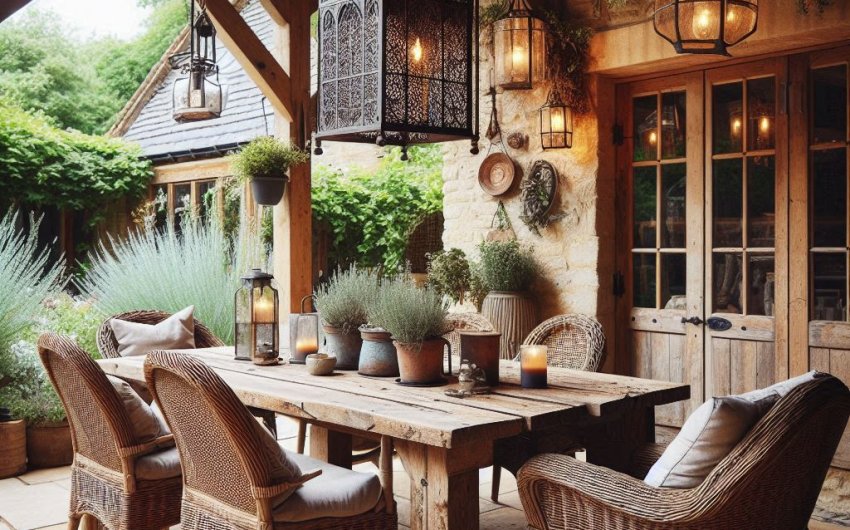
Creating a charming and inviting outdoor space often involves selecting the right furnishings, and for those aiming for a natural, grounded feel, identifying the best garden furniture options for a rustic outdoor aesthetic is paramount. This guide will explore various materials and styles that perfectly complement a rugged, pastoral, or vintage-inspired garden design, helping you curate an exterior that feels both timeless and deeply connected to nature. Achieving a rustic look is about embracing natural textures, earthy tones, and designs that appear handcrafted or well-worn.
What Defines a Rustic Outdoor Aesthetic?
Before diving into specific furniture pieces, it's helpful to understand what truly makes an outdoor space "rustic." It's more than just old-looking items; it's about a particular feeling and connection to nature.
Embracing Natural Materials
At the heart of any rustic outdoor aesthetic is a deep appreciation for materials in their raw or minimally processed state. Think of the textures and colors you'd find in a forest, a farmhouse, or an old cabin.
- Wood: This is perhaps the most iconic rustic material. Instead of sleek, highly finished wood, rustic designs feature wood with visible grain, knots, and even some natural imperfections. Distressed finishes, reclaimed wood, or natural log furniture are prime examples. The goal is to highlight the wood's inherent beauty and character, making each piece feel unique.
- Stone: Whether it's rough-hewn boulders, flagstone pavers, or stacked dry-stone walls, stone adds weight, texture, and an ancient, enduring feel. It blends seamlessly with natural landscapes.
- Metal (Wrought Iron, Aged Steel): While wood dominates, certain metals play a strong supporting role. Wrought iron, with its hammered or twisted details, evokes craftsmanship and tradition. Aged steel or corten steel develops a beautiful, rust-like patina over time, adding to the rustic charm without corroding.
- Rope and Natural Fibers: Thick, natural ropes, woven wicker (though often refined, certain types can lean rustic), or even jute accents can provide softness and an organic touch.
Focus on Earthy Tones and Muted Colors
The color palette for a rustic outdoor aesthetic is drawn directly from nature.
- Greens: Deep forest greens, olive, and sage.
- Browns: Rich chocolate, sandy beige, and the varied hues of natural wood.
- Grays: Stone gray, charcoal, and the weathered look of aged wood.
- Terracotta and Rust: Warm, earthy reds and oranges, reminiscent of natural clay or rusted metal.
- Subtle Accents: While the primary palette is muted, pops of deep, jewel-toned blues or burgundies can be used sparingly in cushions or decor to add warmth without detracting from the natural feel.
Bright, highly saturated colors typically don't fit the rustic vibe, as they can feel too modern or artificial.
Handcrafted and Imperfect Charm
Rustic pieces often feel as though they've been made by hand, or have a story to tell.
- Distressed Finishes: Furniture that looks slightly worn, chipped, or faded adds character and a sense of history. It suggests the piece has lived a life and endured the elements gracefully.
- Visible Joins and Fasteners: Rather than hidden construction, rustic designs might feature visible pegs, bolts, or rough welding, emphasizing the craftsmanship.
- Unique Imperfections: Knots in wood, variations in stone color, or the irregular texture of wrought iron are celebrated, not hidden. These "flaws" are what give rustic items their authentic appeal.
- Simple, Substantial Forms: Rustic furniture tends to be sturdy and solid, without overly ornate or delicate details. Its beauty lies in its robust nature and functional form.
A Sense of Comfort and Invitation
Despite its ruggedness, a rustic outdoor aesthetic should always feel welcoming and cozy.
- Comfortable Seating: While the materials might be robust, plush cushions in natural fabrics and colors ensure comfort.
- Fire Elements: A fire pit or outdoor fireplace is almost essential for a rustic space, providing warmth, light, and a primal gathering point. Consider a cast iron fire pit.
- Layered Textures: Combining different natural materials like wood, stone, and woven fabrics creates visual interest and a sense of warmth.
By keeping these defining characteristics in mind, you can select garden furniture and decor that perfectly capture the desired rustic charm, creating an outdoor haven that feels timeless and harmonious with its surroundings.
What Types of Wood Furniture Best Suit a Rustic Look?
When it comes to achieving a rustic outdoor aesthetic, wood is undeniably king. However, not all wood furniture is created equal for this particular style. The key lies in the type of wood, its finish, and the construction style.
Reclaimed Wood Furniture
Perhaps the quintessential choice for a rustic look, reclaimed wood furniture tells a story.
- What it is: Reclaimed wood is salvaged from old barns, factories, fences, or even old ships. It's wood that has already lived a life, bearing unique marks, nail holes, knots, and variations in color from years of exposure to the elements.
- Why it's rustic: Its inherent imperfections and weathered look are perfectly aligned with the rustic ideal. Each piece is unique, showcasing its history rather than being perfectly uniform. It's also an environmentally friendly choice.
- Types of pieces: You can find everything from reclaimed wood dining tables and benches to individual chairs and outdoor cabinets. Look for thick, sturdy planks and simple, robust designs that highlight the wood's character.
- Durability: The wood is often dense and stable due to its age. Proper sealing is important for outdoor use to protect it from further weathering, though a continued weathered look is part of its charm.
Live Edge Furniture
Live edge furniture celebrates the natural form of the tree.
- What it is: The "live edge" refers to the natural, untrimmed edge of the wood slab, often with the bark still intact (or at least the natural undulations of the tree trunk visible). This means the furniture piece retains the organic shape of the tree it came from.
- Why it's rustic: It's an immediate connection to nature. The irregular edges and unique grain patterns create a one-of-a-kind piece that looks as though it was just crafted from a fallen tree. It emphasizes the raw beauty of timber.
- Types of pieces: Most commonly seen as live edge outdoor tables or benches, where the top surface is a single, large slab.
- Considerations: Live edge pieces are often heavy and require careful sealing for outdoor durability.
Log Furniture
Nothing screams "cabin in the woods" quite like log furniture.
- What it is: Furniture constructed directly from natural logs or sturdy branches, often with the bark still on (though sometimes peeled). The joints might be visible mortise and tenon connections, emphasizing the handcrafted aspect.
- Why it's rustic: It's primitive, robust, and directly showcases the organic form of trees. It embodies a very raw, earthy, and back-to-nature feel.
- Types of pieces: Log chairs, benches, picnic tables, and even swing sets.
- Durability: Log furniture is incredibly sturdy. For outdoor use, it needs to be made from naturally rot-resistant wood (like cedar or redwood) or treated properly to withstand moisture and insects.
Distressed or Weathered Wood Furniture
If reclaimed or live edge isn't an option, furniture with a distressed or weathered finish can achieve a similar effect.
- What it is: New wood furniture that has been artificially treated to look old and worn. This can involve sanding, wire brushing, applying special paints or stains, or even physically damaging the wood to create nicks and dents.
- Why it's rustic: It mimics the appearance of naturally aged wood, adding character and a sense of history without waiting decades for natural weathering.
- Types of finishes:
- Gray Wash: Creates a silvery, aged look like driftwood.
- Whitewash/Limewash: A thin, translucent white finish that allows the wood grain to show through, giving a farmhouse-rustic feel.
- Heavy distressing: More aggressive techniques to create deep marks and texture.
- Considerations: Ensure the distressing looks natural and not overly contrived. The underlying wood should still be suitable for outdoor use.
Specific Wood Species for Outdoor Use
No matter the style, the wood species itself matters for outdoor durability.
- Cedar: Naturally rot and insect resistant, lightweight, and has a beautiful aromatic quality. Cedar patio sets are a popular choice.
- Redwood: Highly durable, resistant to rot and insects, and weathers to a lovely silvery-gray.
- Teak: Exceptionally durable, naturally weather-resistant due to high oil content, and ages to a beautiful silver-gray patina if left untreated. Teak garden benches are a classic.
- Acacia: A dense hardwood, good for outdoor use when properly treated, and often more affordable than teak.
- Pine/Fir (Treated): While not naturally as resistant, pressure-treated pine or fir can be used outdoors and stained to achieve a rustic look, but requires more maintenance.
When choosing wood garden furniture for a rustic look, prioritize natural imperfections, substantial forms, and finishes that enhance the wood's inherent beauty rather than hiding it. These choices will ensure your outdoor space radiates authentic rustic charm.
How Do Metal and Stone Elements Contribute to a Rustic Aesthetic?
While wood is central to a rustic outdoor aesthetic, metal and stone elements are crucial supporting players. They add weight, texture, and a sense of permanence that completes the rugged, natural look.
Wrought Iron Furniture
Wrought iron is a classic choice for outdoor furniture and fits perfectly within a rustic scheme, especially one leaning towards a more traditional or European country style.
- Characteristics: Wrought iron is known for its strength, durability, and the ability to be shaped into intricate, yet often substantial, designs. It's heavy, which means it won't blow away in a strong wind.
- Rustic Appeal: Its hand-forged appearance, often with visible hammer marks or twisted details, evokes a sense of artisanal craftsmanship. The dark, often matte finish of wrought iron contrasts beautifully with natural wood and stone. It brings a touch of old-world charm.
- Types of pieces: Wrought iron patio chairs, tables, benches, and decorative gates or arbors. Look for designs that are sturdy and not overly ornate or delicate, to maintain the rustic feel.
- Durability: Wrought iron is incredibly long-lasting. It's often powder-coated to prevent rust, though a little natural weathering or a slightly distressed finish can enhance its rustic charm.
Corten Steel Accents
Corten steel, also known as weathering steel, offers a very distinct and appealing rustic modern vibe.
- Characteristics: Corten steel is a special alloy that, when exposed to the elements, develops a stable, rust-like patina (a protective layer) over time. This patina changes color, typically from a bright orange-brown to a darker, richer reddish-brown, and then a deeper chocolate brown over months or years. It protects the underlying steel from further corrosion.
- Rustic Appeal: The natural, evolving rust color of corten steel blends beautifully with earthy tones, stone, and wood. It creates a contemporary rustic look, blending industrial durability with organic aesthetics. It feels substantial and grounds the space.
- Types of pieces: While not typically used for seating furniture itself, corten steel is fantastic for outdoor fire pits, planters, raised garden beds, decorative screens, water features, and outdoor art. It can also be used for sturdy table bases paired with a wood top.
- Considerations: Corten steel can "bleed" rust onto adjacent surfaces (like concrete patios) during its initial weathering phase, so proper placement or drainage is important.
Stone Furniture and Features
Stone adds unparalleled solidity and a primal, enduring quality to a rustic outdoor aesthetic.
- Natural Stone Benches and Tables: These can be carved from large boulders, assembled from rough-hewn slabs, or simply flat stones supported by smaller rocks.
- Rustic Appeal: They are literally part of the earth, connecting the space directly to the landscape. Their weight and natural texture are inherently rustic. Each piece is unique, shaped by nature.
- Durability: Virtually indestructible and maintenance-free.
- Dry-Stacked Stone Walls: While not furniture, low dry-stacked stone walls can serve as informal seating, defining areas and adding immense rustic charm.
- Rustic Appeal: Emphasizes natural materials and traditional craftsmanship. The irregular shapes and varied colors of the stones create a beautiful texture.
- Large Boulders and River Rocks: Used as informal seating or decorative accents, large natural rocks are perfect for a truly organic, rustic feel.
- Rustic Appeal: They integrate the garden furniture seamlessly into the natural environment, blurring the lines between built and natural elements.
- Concrete (Distressed/Textured): While concrete can be modern, when cast with a rough, textured finish or stained to mimic natural stone, it can fit a rustic look. Concrete patio tables with a distressed finish can work.
- Rustic Appeal: Its heft and muted color can provide a strong foundation, especially when paired with natural wood or metal.
When integrating metal and stone, think about their natural colors and textures. They should complement the wood elements rather than compete with them, creating a harmonious and grounded outdoor space that feels authentic to a rustic aesthetic.
What Other Materials and Accessories Enhance a Rustic Vibe?
Beyond the main furniture pieces, certain materials and accessories can significantly bolster your rustic outdoor aesthetic, adding warmth, texture, and a lived-in feel. These are the details that complete the picture.
Natural Fabric Cushions and Throws
Comfort is key, even in a rugged setting. Soft furnishings add warmth and an inviting touch.
- Materials: Look for cushions and throws made from natural fibers like cotton canvas, linen, jute, or even rough-spun wool. Avoid synthetic, shiny fabrics.
- Colors: Stick to earthy tones – muted greens, browns, grays, creams, terracotta, or deep blues and burgundies. Patterns should be simple: subtle stripes, checks, or solid colors.
- Texture: Seek out fabrics with visible weave or slub, adding to the tactile appeal. A chunky knitted throw or a woven jute rug can add depth.
- Durability: For outdoor use, ensure cushions are made from outdoor-grade fabrics that are fade and mildew resistant, even if they have a natural look. Look for companies like Sunbrella outdoor fabric.
Rattan and Wicker (Selectively)
While often associated with more colonial or boho styles, certain types of rattan and wicker can fit a rustic theme, especially if they have a raw or weathered finish.
- Characteristics: Rattan is a naturally growing vine, and wicker is a weaving technique. Look for pieces made from thicker, less refined rattan or those with a very natural, unpainted finish.
- Rustic Appeal: Their woven texture adds an organic element. When paired with distressed wood or stone, they can soften the look while maintaining a natural feel.
- Types of pieces: A sturdy rattan armchair or a woven side table can work. Avoid overly elaborate or sleek designs.
- Durability: Natural rattan and wicker are best suited for covered patios or areas with minimal direct exposure to harsh weather, as they can degrade over time.
Cast Iron and Aged Copper Accents
These metals bring an antique, industrial-rustic charm.
- Cast Iron: Beyond furniture, cast iron garden ornaments, planters, or decorative grates can add a heavy, enduring feel. Its dark, sometimes mottled surface aligns well with the rustic palette.
- Aged Copper: Copper naturally develops a beautiful green-blue patina (verdigris) over time, which is highly prized in rustic and naturalistic designs.
- Types of pieces: Copper fire pits, rain chains, planters, or lighting fixtures. The evolving color is part of its charm.
- Rustic Appeal: Both metals speak to craftsmanship and longevity, and their natural aging process enhances the rustic narrative.
Terra Cotta and Clay Pots
These classic materials are perfect for planting and decor.
- Characteristics: Unfinished, porous clay pots in their natural reddish-brown or earthy tones.
- Rustic Appeal: They have a timeless, handcrafted look and blend seamlessly with soil, plants, and other natural materials. They acquire a beautiful aged patina over time.
- Types of pieces: Various sizes of terracotta plant pots, saucers, or even large amphora-style planters.
- Considerations: Terracotta can crack in freezing temperatures if left outdoors filled with soil.
Natural Wood Slices and Tree Stumps
Sometimes the simplest elements make the biggest impact.
- Tree stumps: A sturdy tree stump can serve as an informal side table, a stool, or a natural plinth for a planter or sculpture.
- Wood slices: Large wood slices can be used as unique serving platters on an outdoor table or even as stepping stones in a pathway.
- Rustic Appeal: They are direct pieces of nature, bringing the forest floor into your outdoor living space. Their irregular shapes and visible growth rings are inherently rustic.
Vintage or Antique Finds
Scouring flea markets or antique shops for genuinely old pieces can inject unparalleled authenticity.
- What to look for: Old wooden crates, galvanized metal buckets, vintage watering cans, old farm tools (for wall decor), or weathered wooden ladders.
- Rustic Appeal: These items carry genuine history and wear, providing an instant layer of character that new items can't replicate.
- Considerations: Ensure they are structurally sound and suitable for outdoor exposure.
By thoughtfully layering these natural materials and accessories, you can create a truly cohesive and inviting rustic outdoor aesthetic that feels authentic, comfortable, and deeply connected to the natural world.
How Do I Arrange Rustic Furniture for Cohesion?
Arranging your rustic garden furniture isn't just about placing items; it's about creating a cohesive, inviting space that emphasizes comfort and a connection to nature. Thoughtful placement can enhance the rustic aesthetic significantly.
Create Defined Zones
Even in an open outdoor space, defining different "rooms" helps with flow and purpose.
- Seating Area: This is usually the focal point. Arrange your wood benches, wrought iron chairs, or log furniture around a central element like a fire pit or a rustic coffee table.
- Conversation focus: Place seating so people can easily talk to each other.
- Views: Orient seating to take advantage of garden views, a sunset, or a specific landscape feature.
- Dining Area: If you have a reclaimed wood dining table, place it in an area conducive to outdoor meals, perhaps near the kitchen or an outdoor grill.
- Relaxation Nook: A single adirondack chair or a small hammock tucked away in a quiet corner can create a perfect rustic retreat.
- Paths and Transitions: Use natural materials like stepping stones, gravel, or wood chips to create pathways between zones, guiding visitors through the space.
Embrace Asymmetry and Organic Shapes
Unlike modern designs that often favor strict symmetry, a rustic outdoor aesthetic thrives on a more natural, less rigid arrangement.
- Irregular placement: Don't feel the need for perfect symmetry. A bench on one side and two single chairs on the other can look more natural and inviting.
- Varied heights: Incorporate elements of different heights. A tall planter next to a low bench, or a small side table beside a large chair, adds visual interest.
- Follow the landscape: Let the natural contours of your garden dictate some of the furniture placement. Nestle a bench into a natural curve of a flower bed, for instance.
Layer Textures and Materials
This is crucial for adding depth and warmth to your rustic space.
- Base Layer: Start with your main furniture pieces – heavy wood, stone, or wrought iron.
- Mid-Layer: Add softness with outdoor cushions and throws in natural fabrics.
- Accents: Introduce smaller elements like terracotta pots, galvanized metal buckets filled with plants, or a decorative cast iron bird bath.
- Grounding elements: Place a jute outdoor rug under a seating area to define it and add texture.
- Blend of materials: Ensure you have a mix of wood, metal, stone, and natural fibers to create a rich visual tapestry. For example, a heavy wood table with wrought iron chairs, surrounded by stone planters.
Integrate with the Landscape
The best rustic outdoor spaces feel like an extension of nature.
- Planting: Use plants that complement the rustic aesthetic. Think native plants, wildflowers, herbs, or cottage garden favorites. Allow plants to soften the edges of furniture.
- Natural Boundaries: Use natural fences (like willow or chestnut hurdles), hedges, or stone walls to define the space rather than rigid, modern barriers.
- Blurring Lines: Allow vines to grow on a trellis behind a bench, or place planters directly on the ground to make them feel part of the earth.
Consider Scale and Proportion
Ensure your furniture pieces are appropriately sized for your outdoor area.
- Don't overcrowd: Leave enough space for comfortable movement around furniture. Too many pieces in a small area will make it feel cluttered, not rustic.
- Anchor large pieces: Place larger items like a dining table or a substantial seating group in central areas.
- Balance: Distribute visual weight evenly. A heavy piece of furniture on one side might need a group of smaller elements or a substantial plant on the other to balance it.
By following these arrangement principles, your rustic garden furniture will not only look beautiful but also create a functional and inviting outdoor sanctuary that resonates with the timeless charm of a rustic aesthetic.
How Do I Maintain Rustic Garden Furniture?
Maintaining rustic garden furniture is about preserving its character and ensuring its longevity, not about making it look brand new. The beauty of a rustic aesthetic often lies in its weathered appearance, but proper care will prevent excessive decay and structural damage.
Wood Furniture Maintenance
Wood is the cornerstone of many rustic designs, and its care depends on the type of wood and its finish.
- Cleaning:
- Gentle wash: Use a soft brush or cloth with mild soap and water to remove dirt, pollen, and grime. A solution of warm water and a few drops of dish soap works well.
- Rinse thoroughly: Rinse with clean water to remove all soap residue.
- Dry: Allow the wood to air dry completely.
- Protection (Sealing/Oiling):
- Sealers: For most outdoor wood (cedar, redwood, pine), applying a good quality outdoor wood sealer or water repellent once a year or every few years will protect it from moisture, UV damage, and rot. This helps prevent cracking and splitting.
- Oils: For hardwoods like teak or acacia, applying a specialized teak oil or hardwood oil annually will nourish the wood and enhance its natural color. If you prefer the silvery patina that untreated teak develops, no oiling is necessary, but a sealer can still protect against cracking.
- Reclaimed/Distressed wood: If the wood is meant to look weathered, a clear, matte sealer is usually sufficient to protect it without altering its rustic look too much.
- Addressing Issues:
- Mildew/Algae: If you see green or black growth, clean it with a solution of water and a small amount of bleach (1 part bleach to 10 parts water) or a specialized outdoor mold remover. Rinse very well.
- Splits/Cracks: Small cracks are often part of the rustic charm. Larger ones might need wood filler and re-sealing.
- Fading: Natural wood will fade in the sun. This is often desirable for a rustic look. If you want to restore color, light sanding and re-staining or re-oiling might be needed.
- Winter Storage (Optional): While many rustic wood pieces are sturdy, moving smaller items into a shed or covering them with a breathable furniture cover during harsh winters can extend their life.
Metal Furniture (Wrought Iron, Corten Steel) Maintenance
Metal elements are generally very durable but need some attention.
- Wrought Iron:
- Cleaning: Wash with mild soap and water.
- Rust Prevention: Most new wrought iron furniture is powder-coated for rust resistance. If you see chips or scratches, touch them up with a rust-inhibiting paint (e.g., Rust-Oleum spray paint for metal) to prevent rust from spreading.
- Existing Rust: If rust appears, scrub it with a wire brush, sand the area lightly, and then repaint with a rust-inhibiting primer and topcoat.
- Corten Steel:
- Initial Run-off: Be aware that during the initial weathering process, corten steel can produce rust-colored run-off that might stain patios or adjacent surfaces. This usually subsides once the stable patina forms.
- No maintenance: Once the patina has developed, corten steel is virtually maintenance-free. Do not try to clean off the rust; it's the protective layer.
Stone and Concrete Furniture Maintenance
These are the most low-maintenance materials.
- Cleaning: Simply wash with water to remove dirt or debris. A stiff brush can help with stubborn grime.
- Moss/Algae: If moss or algae grows (which can look quite rustic!), you can scrub it off with a brush and water, or use a mild, eco-friendly cleaner if desired.
- Sealing (Optional): For porous stones or concrete, a stone or concrete sealer can be applied to prevent staining, but it's often not necessary for outdoor rustic pieces where natural aging is desired.
Fabric Cushions and Accessories Maintenance
- Regular Cleaning: Brush off loose dirt. Spot clean spills immediately with mild soap and water.
- Deep Cleaning: Most outdoor cushions have removable, washable covers. Follow the manufacturer's instructions, typically machine wash on cold and air dry.
- Storage: Store cushions in a deck box or indoors during inclement weather or off-season to prolong their life and prevent mold and mildew.
Embracing the natural aging process is part of the rustic charm, but responsible maintenance ensures your garden furniture remains beautiful and functional for many years, helping to sustain your desired rustic outdoor aesthetic.