
How Do I Create a Minimalist Outdoor Space With Garden Furniture?
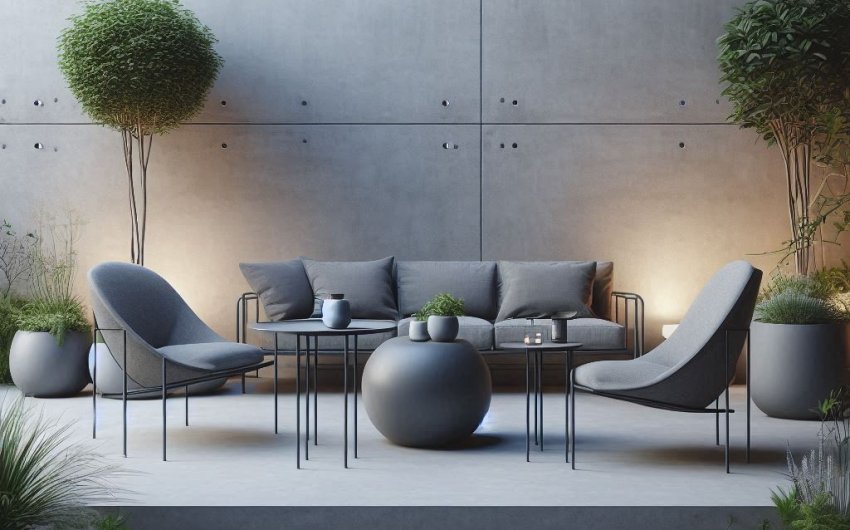
Designing a serene and uncluttered oasis often begins with exploring how to create a minimalist outdoor space with garden furniture, transforming a busy patio or yard into a calm retreat. The essence of minimalism in an exterior setting lies in thoughtful curation, prioritizing clean lines, functional pieces, and a harmonious color palette that allows the beauty of nature to shine without distraction. By embracing less-is-more principles, you can craft an inviting and tranquil environment where every element serves a purpose, fostering a sense of peace and spaciousness.
What is Minimalist Outdoor Design?
Minimalist outdoor design is an approach to creating exterior spaces that prioritizes simplicity, functionality, and clean aesthetics. It's about stripping away unnecessary clutter to allow essential elements—like open space, natural light, and carefully chosen forms—to take center stage. The goal is to create a serene, uncluttered, and highly functional environment that fosters a sense of calm and allows the natural beauty of the surroundings to be fully appreciated.
Core Principles of Minimalism
Several core principles guide minimalist design in outdoor settings:
- Less is More: This foundational principle means reducing elements to their bare essentials. Every piece of garden furniture, every plant, and every decorative item should have a purpose or contribute significantly to the overall aesthetic.
- Clean Lines and Simple Forms: Embrace geometric shapes and straight lines in furniture, planters, and pathways. Avoid ornate details, excessive curves, or fussy decorations.
- Neutral Color Palette: Stick to a restrained color scheme, primarily using whites, grays, blacks, and natural wood tones. This creates a cohesive and calming backdrop, allowing the natural greens of plants to stand out.
- Functionality: Every item chosen should serve a practical purpose. Multipurpose furniture (e.g., a bench that doubles as storage) is highly valued.
- Quality Over Quantity: Invest in fewer, high-quality pieces that are durable and well-crafted. These items will last longer, age gracefully, and contribute to the sophisticated feel of the space.
- Open Space and Flow: Allow for clear pathways and ample negative space. This promotes a sense of spaciousness and ease of movement, creating a tranquil environment.
- Harmonious Integration with Nature: Rather than dominating nature, minimalist design seeks to integrate with it. The focus shifts to appreciating natural textures, light, and the simple beauty of plants.
By adhering to these principles, you can transform any outdoor area into a minimalist haven that is both beautiful and deeply relaxing.
Why Should You Choose a Minimalist Outdoor Space?
Opting for a minimalist outdoor space offers a wealth of benefits that extend beyond mere aesthetics. This design philosophy fosters tranquility, reduces maintenance, and creates a more versatile and sustainable environment, making it an increasingly popular choice for modern living.
Creating a Sense of Calm and Tranquility
In an increasingly busy world, a minimalist outdoor space serves as a vital sanctuary. By stripping away visual clutter and focusing on essential elements, it creates a profound sense of calm and tranquility. The clean lines, open areas, and harmonious color palette allow the mind to relax and find peace. It becomes a space where you can de-stress, meditate, or simply enjoy the quiet beauty of nature without sensory overload. This deliberate simplicity invites mindfulness and promotes a serene atmosphere for relaxation and rejuvenation.
Reducing Maintenance and Upkeep
One of the most appealing practical benefits of minimalist outdoor design is the significant reduction in maintenance and upkeep. Fewer items mean less to clean, repair, or store.
- Less Clutter: With minimal furniture and decor, there's less to dust, wipe down, or put away.
- Streamlined Planting: Focus on a few key plants that are low-maintenance, drought-tolerant, or evergreen, reducing the need for constant pruning, watering, or seasonal replanting.
- Durable Materials: Minimalist spaces often favor durable, long-lasting materials (like concrete, metal, high-quality wood, stone) that require less frequent replacement or intensive care. This translates into more free time for you and less work spent on laborious garden chores.
Highlighting Natural Beauty
Minimalist design is not about emptiness; it's about making space for what truly matters. In an outdoor setting, this means it excels at highlighting natural beauty. Without a profusion of distracting elements, the textures of your chosen garden furniture, the natural forms of plants, the interplay of light and shadow, and the open expanse of sky become the true focal points. It allows the inherent elegance of materials and the subtle details of nature to shine, fostering a deeper appreciation for your outdoor surroundings.
Versatility and Adaptability
The uncluttered nature of a minimalist outdoor space makes it incredibly versatile and adaptable. Its clean lines and neutral palette provide a flexible backdrop for various activities. You can easily transition from a morning coffee spot to an evening lounge, or from a quiet reading nook to a space for entertaining. The open layout also means it can accommodate different moods or functions simply by adding or removing a few carefully chosen, temporary accessories, making it highly responsive to your changing needs.
Promoting Sustainability
A minimalist approach inherently promotes sustainability. By focusing on quality over quantity, you invest in durable items that last longer, reducing waste and the need for frequent replacements. Choosing natural, locally sourced, or recycled materials further enhances its eco-friendliness. The emphasis on fewer, high-impact plants often leads to the selection of drought-tolerant species, conserving water. This design philosophy encourages a mindful consumption that benefits both your lifestyle and the planet.
What Garden Furniture Should You Choose for a Minimalist Space?
The selection of garden furniture is paramount when striving to create a minimalist outdoor space. Every piece must be purposeful, visually understated, and align with the core principles of simplicity and functionality. The right furniture anchors the space without overwhelming it.
Emphasize Clean Lines and Simple Forms
- Sleek Silhouettes: Opt for furniture with clean lines—straight edges, geometric shapes, and a complete absence of ornate carvings or fussy details. Think rectangular tables, square armchairs, or cylindrical stools.
- Uncluttered Design: The design should be straightforward and functional, without unnecessary embellishments. This helps to maintain a sense of calm and order.
- Integrated Storage (Optional): If storage is a concern, look for pieces that offer discreet, built-in storage (e.g., benches with lift-top seats) to keep clutter out of sight, maintaining the minimalist aesthetic. A minimalist outdoor storage bench can serve dual purpose.
Select a Restrained Color Palette
- Neutrals Dominate: Stick to a restrained color palette for your furniture. Shades of black, white, gray, charcoal, and natural wood tones are quintessential minimalist choices. These colors provide a calming, cohesive backdrop that allows the natural greens of plants and the surrounding landscape to stand out.
- Subtle Earth Tones: If you prefer warmth, natural wood or light stone colors can be incorporated, but avoid bright, jarring hues.
- Limited Accents: If you introduce a pop of color, do so sparingly with one or two small accents like a single throw pillow or a minimalist planter in a muted color.
Prioritize Durable Materials
Investing in high-quality, durable materials is crucial for a minimalist outdoor space, as fewer items mean each piece needs to withstand the elements and provide longevity.
- Teak Wood: Known for its exceptional durability, weather resistance, and beautiful aging process (developing a silvery patina). Minimalist teak outdoor furniture is a timeless choice.
- Powder-Coated Aluminum: Lightweight, rust-resistant, and can be designed with very clean, modern lines. Available in black, white, or gray.
- Stainless Steel: Extremely durable and modern, though can be more expensive.
- Concrete: For tables or built-in elements, concrete offers a robust, industrial-chic, and minimalist aesthetic.
- Synthetic Wicker (High Quality): Choose UV-resistant, hand-woven synthetic wicker in neutral colors for durability and a clean look. Avoid overly ornate traditional wicker.
Choose Multi-Functional Pieces
In a minimalist context, every piece should justify its presence.
- Bench with Storage: A bench that doubles as storage for cushions or small garden tools.
- Ottoman/Pouf: Can serve as extra seating, a footrest, or a temporary side table. A weather-resistant outdoor pouf is versatile.
- Modular Seating: Sectional pieces that can be rearranged to form different seating configurations for various needs, maximizing flexibility in a small number of items.
By selecting furniture that adheres to these principles, you ensure your minimalist outdoor space remains uncluttered, highly functional, and visually appealing.
How Do You Arrange Garden Furniture for a Minimalist Look?
The arrangement of garden furniture in a minimalist outdoor space is just as critical as the selection of the pieces themselves. Strategic placement fosters a sense of openness, highlights key features, and maintains the overall uncluttered aesthetic, maximizing both functionality and visual appeal.
Create Clear Pathways and Flow
- Unobstructed Routes: Ensure there are clear, unobstructed pathways around and between furniture pieces. The goal is to facilitate easy movement and create a sense of spaciousness. Avoid placing furniture in a way that blocks natural flow or creates bottlenecks.
- Define Zones: Use the placement of furniture to subtly define different activity zones (e.g., a dining area, a lounging spot). Even in a small space, a thoughtful arrangement can imply separate functions without requiring physical barriers.
- Balance and Symmetry (Optional): While not strictly necessary, balanced or symmetrical arrangements can enhance the sense of order and calm often associated with minimalism.
Emphasize Negative Space
- Don't Overfill: The concept of "less is more" means intentionally leaving ample negative space (empty areas) around your garden furniture. This breathing room prevents the space from feeling cramped or cluttered, allowing each piece to stand out.
- Highlight Key Elements: By surrounding furniture with open space, you draw attention to the quality and design of the furniture itself, as well as to any significant architectural features or beautiful plants.
- Visual Relief: Negative space provides visual relief, allowing the eye to rest and contributing to the overall sense of tranquility.
Focus on Functionality and Purpose
- Anchor Pieces: Place your primary seating (e.g., a sofa or a set of chairs) in a position that anchors the main activity zone.
- Consider Views: Arrange furniture to take advantage of attractive views, whether it's a garden feature, a natural landscape, or city skyline. Conversely, try to minimize views of less appealing elements.
- Proximity to Needs: If you have a dining area, place it conveniently close to an outdoor kitchen or serving area. If a lounge area, ensure side tables are within easy reach.
- Accessibility: Ensure all pieces are easily accessible for cleaning and maintenance.
Integrate with Natural Elements
- Framing with Plants: Use a few carefully chosen, architectural plants to frame your garden furniture rather than engulfing it. For example, a sleek planter with a single, sculptural plant can accent a minimalist bench.
- Material Echoes: If your furniture is wood, echo that material in surrounding decking or a wooden fence. If it's metal, consider metal planters. This creates a cohesive look.
- Light and Shadow: Observe how light and shadow play across your furniture and the surrounding space throughout the day. Arrange pieces to capture appealing light or provide necessary shade.
- Flow with Hardscaping: Position furniture to align with the lines of your patio, decking, or pathways, creating a seamless transition.
By thoughtfully arranging your garden furniture with these principles in mind, you can create a truly minimalist outdoor space that feels expansive, functional, and deeply serene.
How Do You Incorporate Plants and Decor in a Minimalist Garden?
In a minimalist outdoor space, plants and decor are chosen with deliberate intent, acting as living sculptures or subtle accents rather than abundant fillers. Their incorporation is about strategic selection, texture, and form, enhancing the clean aesthetic without introducing clutter.
Strategic Plant Selection
- Fewer, Larger Plants: Instead of numerous small plants, opt for fewer, larger plants that make a statement. A single, sculptural plant in a striking planter can have more impact than a cluster of smaller ones.
- Architectural Forms: Choose plants with strong, defined architectural forms and interesting textures. Consider plants like:
- Succulents and Cacti: Agave, yucca, sansevieria for their bold shapes and low maintenance.
- Ornamental Grasses: Feather reed grass, blue fescue, or Hakone grass offer texture and movement without being overwhelming.
- Specimen Shrubs/Trees: A perfectly pruned bonsai tree for outdoors or a dwarf conifer can be a focal point.
- Large-leafed Tropicals (in containers): Monstera, bird of paradise, or a single large palm for a dramatic, simple statement.
- Limited Color Palette: Stick to a predominantly green palette for foliage, with perhaps one or two accent colors from flowering plants, chosen specifically for their form or texture rather than an explosion of bloom.
- Low Maintenance: Prioritize plants that are low-maintenance, drought-tolerant, and well-suited to your climate to reduce ongoing care needs.
Minimalist Planters and Containers
- Simple Shapes and Neutral Colors: Choose planters and containers that align with the minimalist aesthetic: simple geometric shapes (cylinders, cubes, rectangles), and a neutral color palette (concrete gray, matte black, white, natural terracotta, or unglazed stone).
- High-Quality Materials: Invest in durable materials like concrete, fiberglass, ceramic, or powder-coated metal.
- Consistency: Use a consistent style or color of planter throughout the space for a cohesive and unified look.
- Strategic Placement: Place planters intentionally to frame an area, define a boundary, or highlight a specific view, rather than scattering them randomly. A large minimalist planter can serve as a focal point.
Thoughtful Decor and Accents
- Fewer, High-Impact Pieces: Resist the urge to clutter. Select only a few decorative items that resonate with your personal style and contribute meaningfully to the space. Each piece should be visually compelling on its own.
- Natural Materials: Emphasize natural materials like stone, wood, concrete, and unglazed ceramics. A single, smooth garden meditation stone or a piece of driftwood can serve as a powerful accent.
- Subtle Lighting: Choose minimalist outdoor lighting that provides functionality and soft ambiance without being overly decorative. Think simple LED strip lights under benches, sleek pathway lights, or unadorned lanterns.
- Water Features: A small, simple water feature with a gentle trickle can add a sensory element of calm without visual clutter. Choose one with clean lines and minimal ornamentation.
- Cushions and Throws: Use limited, high-quality outdoor cushions and throws in a muted color palette to add comfort and subtle texture. Store them away when not in use to maintain the uncluttered look.
By carefully curating your plants and decor, you can ensure they enhance rather than detract from the serene, open feel of your minimalist outdoor space, allowing the inherent beauty of your garden furniture and nature to truly shine.
How Do You Maintain a Minimalist Outdoor Space?
Maintaining a minimalist outdoor space is inherently simpler than a cluttered one, but it still requires consistent effort to preserve its clean lines, uncluttered aesthetic, and overall sense of tranquility. The key is regular, focused care that prevents clutter and overgrowth.
Regular Tidying and Decluttering
- Daily Sweep: Make it a habit to quickly sweep or hose down your patio or deck regularly to remove leaves, dust, and debris. This keeps hard surfaces clean and crisp.
- Immediate Decluttering: Don't let items accumulate. If you use a tool, return it immediately to its designated storage. If you bring out cushions, put them away when not in use. A small outdoor storage box near your seating area is invaluable for quick tidying.
- Seasonal Purge: At least once a season, go through your outdoor space and remove anything that doesn't serve a purpose or contribute to the aesthetic. Be ruthless about getting rid of broken items, excess planters, or items that no longer fit the minimalist vision.
Pruning and Plant Care
Even with strategic plant selection, plants still grow.
- Consistent Pruning: Regularly prune your chosen plants to maintain their architectural forms and prevent them from becoming overgrown or messy. This is especially true for sculptural shrubs or trees.
- Weed Control: Address weeds as soon as they appear. In a minimalist space with fewer plants, weeds are far more noticeable. Hand-pulling is often sufficient, but a minimalist weeding tool can be helpful.
- Health Monitoring: Keep an eye on plant health. Quickly address any signs of disease or pests to prevent them from marring the clean look of your foliage.
- Clean Planters: Wipe down planters regularly to remove dirt or water stains, keeping them looking crisp.
Furniture Maintenance
- Routine Cleaning: Wipe down your garden furniture regularly with a damp cloth to remove dust, pollen, and any grime. For deeper cleaning, use a mild soap solution.
- Protective Measures: If your furniture is wood (like teak), maintain its protective finish (e.g., teak oil or sealant) as recommended by the manufacturer to prevent fading and weathering. For metal furniture, check for scratches or chips in the powder coating and touch them up to prevent rust.
- Seasonal Storage/Covering: In off-seasons or during extended periods of inclement weather, cover your furniture with high-quality, breathable outdoor furniture covers or store it indoors to prolong its lifespan.
Hardscaping Maintenance
- Sweeping/Washing Patios and Decks: Keep hard surfaces clean. Power washing annually can remove stubborn dirt and grime from patios or wooden decks.
- Grout/Joint Maintenance: If you have paved areas, check grout lines or paver joints for weeds or crumbling material and address them promptly to maintain a crisp look.
- Edge Definition: Maintain clean, crisp edges between different areas (e.g., between a patio and a garden bed, or along pathways) to preserve the minimalist aesthetic.
By committing to a routine of diligent and focused maintenance, you can ensure your minimalist outdoor space remains a serene, beautiful, and inviting haven, reflecting the calm and order you desired when setting out to create a minimalist outdoor space with garden furniture.