
How Do I Choose the Right Garden Furniture for My Space?
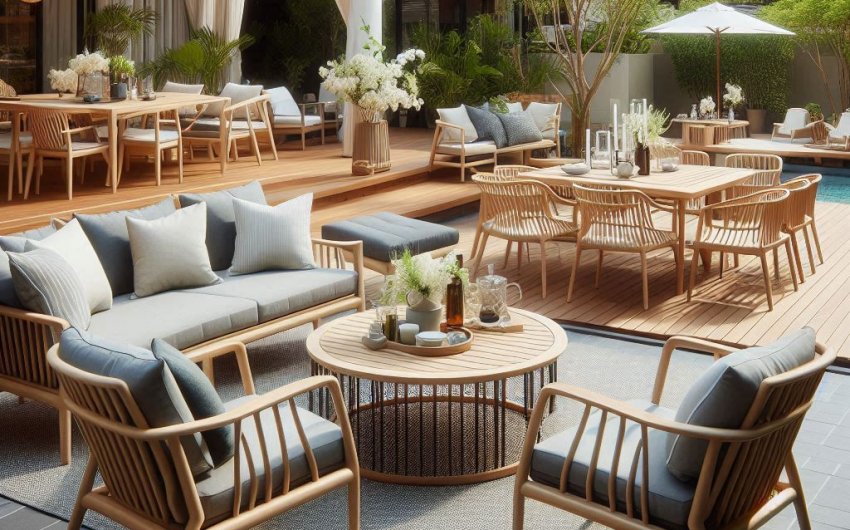
Creating a beautiful outdoor space is just as important as decorating the inside of your home. Your garden, patio, or balcony can become an extra "room" where you relax, entertain, and enjoy nature. A big part of making this outdoor area comfortable and inviting is choosing the right garden furniture. It’s not just about picking pretty pieces; it’s about finding furniture that fits your space, your needs, and your style. With so many choices out there – different materials, sizes, and designs – it can feel a little overwhelming to decide. But don't worry! By thinking about a few key things, you can narrow down your options and select outdoor furniture that will make your garden a true oasis for years to come. Let's explore how to make the best choices for your unique outdoor living area.
What should I consider before buying garden furniture?
Before you even start looking at different furniture styles, it’s super important to do a little homework about your outdoor area and how you plan to use it. This early planning will save you time, money, and a lot of headaches later on. Think of it like planning a room inside your house – you wouldn't just buy a couch without knowing if it fits, right? The same goes for your garden furniture.
How much space do I actually have?
This is the very first and most crucial question. You need to accurately measure your outdoor area, whether it's a sprawling lawn, a cozy patio, or a small balcony. Don't just guess! Grab a measuring tape and write down the dimensions. Consider the length, width, and any awkward corners or existing features like built-in planters or pathways.
Once you have your measurements, think about how the furniture will fit and if there's enough room to move around comfortably. Do you want to walk around a dining table? Will chairs be able to pull out fully? If you have a small balcony, a huge dining set won't work, but a small bistro set or a single outdoor lounge chair might be perfect. In a larger yard, you might have space for a full outdoor sectional sofa and a dining area. Remember to account for pathways and other elements in your layout. A compact balcony bistro set is ideal for tighter spaces.
What activities will I use the furniture for?
Think about how you envision spending time in your outdoor space. Are you dreaming of big family barbecues, quiet morning coffees, or lounging with a book? Your planned activities will heavily influence the type of furniture you need.
- Dining: If you love eating outdoors, you'll need an outdoor dining table and chairs. Consider how many people you usually host. Do you need seating for four, six, or more? Look at extendable outdoor tables if your guest list varies.
- Relaxing/Lounging: For unwinding, think about lounge chairs, an outdoor sofa, or a daybed. If sunbathing is your thing, a garden sun lounger is a must.
- Socializing: If entertaining is a priority, consider deep seating sectionals or modular pieces that can be rearranged for different group sizes. A fire pit table can also be a great focal point for evening gatherings.
- Quiet Reading/Coffee: A simple bistro table and chairs or a comfortable adirondack chair might be all you need for a peaceful solo spot.
Don't try to cram too many functions into a small space. Focus on the one or two most important activities you want to do.
What is my budget for garden furniture?
Your budget is a practical reality. Garden furniture can range from very affordable to quite expensive, depending on the material, brand, and quality. Set a realistic budget before you start shopping. This will help you filter your choices and avoid falling in love with pieces that are way out of your price range.
Remember to factor in not just the cost of the main furniture pieces but also any accessories you might need, like outdoor cushions, patio umbrellas, furniture covers, or side tables. Sometimes, investing a little more in durable materials upfront can save you money in the long run, as cheaper furniture might need to be replaced sooner. Look for sales, clearances, or consider buying individual pieces over time if your budget is tighter. A durable patio furniture cover is a wise investment to protect your purchase.
What kind of climate do I live in?
The climate in your area plays a huge role in choosing the right garden furniture materials. Different materials stand up to different weather conditions.
- Hot, Sunny Climates: If you have intense sun, materials like metal (aluminum) or recycled plastic lumber are good choices as they won't fade or crack easily. Wood can dry out and warp without proper care. Dark colors will absorb more heat, so lighter colors might be more comfortable.
- Rainy/Humid Climates: Look for materials that are naturally resistant to moisture, rust, and mold. Aluminum, synthetic wicker, and recycled plastic lumber perform well. Wood needs regular sealing to prevent rot. Powder-coated steel is also good, but can rust if the coating is chipped.
- Windy Climates: Heavy furniture is better. Wrought iron or solid wood pieces are less likely to blow away. Lightweight aluminum furniture might need to be secured or stored during high winds.
- Freezing Winters: If you get snow and freezing temperatures, consider furniture that can be easily stored indoors, or choose highly durable, all-weather materials like HDPE lumber (High-Density Polyethylene) that can withstand extreme cold without cracking.
Understanding your climate will help you choose materials that last and require less maintenance.
Which materials are best for outdoor furniture?
The material of your garden furniture is super important because it affects its looks, how long it lasts, how much care it needs, and its price. Let's break down the most popular options.
What are the pros and cons of wood garden furniture?
Wood garden furniture offers a classic, natural, and warm look that many people love. It blends beautifully with garden settings.
- Pros:
- Aesthetics: Offers a timeless, elegant, and natural appearance.
- Comfort: Generally comfortable, especially when paired with cushions.
- Durability (with care): Some hardwoods like teak, shorea, and eucalyptus are naturally resistant to rot, insects, and decay due to their oils.
- Customization: Can be painted or stained to match your desired look.
- Cons:
- Maintenance: Requires regular cleaning, sealing, or oiling to prevent fading, cracking, splintering, and rot. Teak, while durable, will weather to a silvery-grey if not oiled.
- Weight: Can be heavy, making it harder to move.
- Cost: High-quality hardwoods like teak can be expensive. Softer woods like cedar or pine are more affordable but less durable without significant treatment.
- Vulnerability: Can be susceptible to mold, mildew, and insect damage if not properly maintained.
If you choose wood, look for FSC-certified wood, which means it comes from responsibly managed forests. A beautiful teak outdoor dining set can last for decades with the right care.
What about metal outdoor furniture? (Aluminum, Steel, Wrought Iron)
Metal furniture is a popular choice for its durability and modern aesthetic. Different metals have different properties.
Aluminum:
- Pros:
- Lightweight: Easy to move and rearrange.
- Rust-resistant: Naturally doesn't rust, making it excellent for all climates, especially coastal or humid areas.
- Low Maintenance: Easy to clean, requires little upkeep.
- Versatile: Can be cast into intricate designs or sleek modern lines.
- Cons:
- Can be blown around: Its lightness can be a drawback in very windy areas.
- Heat: Can get hot in direct sunlight, especially darker colors.
- Price: Generally more expensive than steel.
An aluminum patio dining set is a great choice for a low-maintenance, modern look.
Steel:
- Pros:
- Strong and Durable: Very sturdy and can support a lot of weight.
- Affordable: More budget-friendly than aluminum or wrought iron.
- Cons:
- Rust: Prone to rust, especially in humid or rainy climates, unless it's powder-coated steel. If the powder coat chips, rust can appear quickly.
- Heavy: Less portable than aluminum.
Wrought Iron:
- Pros:
- Extremely Durable: Very heavy and sturdy, won't blow away. Lasts for many, many years.
- Classic Look: Often associated with ornate, traditional designs.
- Cons:
- Very Heavy: Difficult to move.
- Rust: Highly susceptible to rust if not properly maintained and protected with paint or powder coating. Requires regular touch-ups.
- Can be hot: Absorbs and retains heat.
For a classic, sturdy feel, a wrought iron bistro set can add charm.
What are the benefits of synthetic wicker and plastic furniture?
Synthetic wicker and plastic furniture have come a long way in terms of style and durability. They are increasingly popular for their low maintenance and weather resistance.
Synthetic Wicker (Resin Wicker/All-Weather Wicker):
This is made from woven synthetic fibers, usually HDPE (High-Density Polyethylene), over an aluminum or steel frame.
- Pros:
- Weather-resistant: Highly resistant to UV rays (prevents fading), moisture, mold, mildew, and rot. Can often be left out year-round.
- Lightweight (with aluminum frame): Easy to move.
- Low Maintenance: Easy to clean with just soap and water.
- Variety of Styles: Comes in many colors and weaves, mimicking natural wicker but without its drawbacks.
- Comfort: Often designed with deep seating and comfortable cushions.
- Cons:
- Can be expensive: High-quality synthetic wicker can be pricey.
- Heat (dark colors): Darker colors can get hot in direct sun.
A comfortable synthetic wicker patio sectional is perfect for lounging.
Recycled Plastic Lumber (HDPE Lumber/Polywood):
This material looks like wood but is made from recycled plastic milk jugs and detergent bottles.
- Pros:
- Extremely Durable: Impervious to rot, insects, cracking, splintering, and fading. Can be left out year-round in any climate.
- Environmentally Friendly: Made from recycled materials.
- Low Maintenance: Never needs painting, staining, or sealing. Just clean with soap and water.
- Heavy: Won't blow away easily.
- Cons:
- Cost: Can be more expensive than some other materials upfront.
- Weight: Heavy, not easily moved.
- Heat: Can get hot in direct sunlight, especially darker colors.
For ultimate durability and low maintenance, consider an HDPE Adirondack chair.
What are the advantages of natural wicker or rattan?
Natural wicker and rattan are beautiful, traditional materials that offer a light, airy feel. Rattan is a climbing palm, and wicker refers to the weaving technique.
- Pros:
- Lightweight: Very easy to move.
- Natural Aesthetics: Provides a lovely, organic, and tropical look.
- Comfort: Often designed with comfortable curves.
- Cons:
- Not Weatherproof: This is the biggest drawback. Natural wicker and rattan are very vulnerable to moisture (leading to mold, mildew, and rot) and direct sunlight (causing brittleness and fading).
- Requires Protection: Must be moved indoors or to a very sheltered spot during rain or intense sun, and definitely for winter.
- Durability: Not as long-lasting as synthetic alternatives if exposed to the elements.
Natural wicker is best for covered patios, sunrooms, or areas where it can be easily protected from the weather.
How do I choose the right style and design?
Once you've thought about practicality, it's time for the fun part: picking a style and design that matches your taste and complements your home's architecture. Your garden furniture should feel like an extension of your indoor living space.
Should my garden furniture match my home's style?
Absolutely! While there's no strict rule, your garden furniture will look most cohesive and inviting if it generally harmonizes with the architectural style of your house and the interior design. Think of your outdoor space as another room in your home.
- Traditional Homes: A classic brick home might look great with wrought iron furniture, traditional wooden Adirondack chairs, or classic rattan styles.
- Modern/Contemporary Homes: Sleek lines, minimalist designs, and materials like aluminum, stainless steel, or dark synthetic wicker often suit modern architecture.
- Rustic/Farmhouse: Distressed wood, reclaimed materials, or simple, sturdy designs fit well.
- Coastal/Beach House: Light-colored woods, white synthetic wicker, or brightly colored plastic furniture can enhance a coastal feel.
This doesn't mean everything has to be matchy-matchy, but aiming for a similar vibe will create a more aesthetically pleasing and unified look.
How do I choose the right color palette?
The color palette of your garden furniture and outdoor cushions can set the mood for your entire outdoor space.
- Neutral Colors: Whites, greys, browns, and blacks are versatile and timeless. They blend easily with natural surroundings and allow you to add pops of color with accessories like cushions and outdoor rugs. They also tend to look clean and modern.
- Earthy Tones: Greens, deep blues, and terracotta shades blend well with the natural environment of a garden and create a calm, soothing atmosphere.
- Bright Colors: If you want to make a statement or add a playful touch, go for vibrant colors like turquoise, yellow, or orange. These are great for adding energy and personality, especially in smaller doses with cushions or accent pieces.
Consider how much sun your furniture will get. Darker colors absorb more heat, which can make them uncomfortable to sit on in direct sun. Lighter colors reflect heat but might show dirt more easily. Also, think about fading – some bright colors might fade faster in intense sunlight unless they are made from UV-resistant materials. Choosing a set of outdoor throw pillows in a complementary color can really tie a space together.
What about comfort and ergonomics?
Looks are important, but if your garden furniture isn't comfortable, you won't use it! Comfort and ergonomics refer to how well the furniture supports your body and makes you feel relaxed.
- Seating Depth and Height: Make sure chairs and sofas are comfortable for your height. Can your feet touch the ground? Is the backrest supportive?
- Cushions: Many outdoor furniture pieces rely on cushions for comfort. Check if the cushions are included or sold separately. Look for outdoor cushions made from weather-resistant fabrics like Sunbrella or olefin, which resist fading, mold, and mildew. Removable covers are a plus for easy cleaning.
- Armrests and Backrests: Do they feel comfortable? Are they at the right height?
- Test It Out: If possible, sit in the furniture before you buy it. Just like an indoor sofa, what looks good might not feel good.
Investing in comfortable, good-quality Sunbrella outdoor cushions can significantly enhance your outdoor lounging experience.
What maintenance and storage considerations are there?
After you've picked out your perfect garden furniture, you'll want to keep it looking great for as long as possible. This means thinking about maintenance and storage. Different materials require different levels of care.
How much maintenance am I willing to do?
Be honest with yourself about how much time and effort you're willing to put into caring for your outdoor furniture.
- Low Maintenance: If you prefer to just set it and forget it, look for materials like aluminum, synthetic wicker (HDPE), or recycled plastic lumber. These typically only need occasional cleaning with soap and water.
- Moderate Maintenance: Powder-coated steel might need occasional touch-ups if the coating chips to prevent rust. Some treated woods might need yearly cleaning and re-sealing.
- High Maintenance: Natural wood (especially non-teak woods) requires regular cleaning, sanding, and re-oiling or sealing to maintain its appearance and prevent deterioration. Wrought iron needs constant attention to prevent rust. Natural wicker/rattan requires careful storage and protection from the elements.
Choosing furniture that matches your willingness to maintain it will prevent frustration later on.
Do I need outdoor furniture covers?
Even if you choose highly weather-resistant materials, outdoor furniture covers are an excellent investment. They provide an extra layer of protection against:
- UV Rays: Prevents fading and deterioration from sunlight.
- Rain and Moisture: Keeps cushions dry and prevents water stains or mold growth on frames.
- Dirt and Pollen: Keeps your furniture cleaner, reducing the need for frequent washing.
- Extreme Temperatures: Can help protect against cracking in very cold weather or excessive heat absorption in very hot weather.
Look for covers made from durable, waterproof, and breathable materials. They should fit snugly but allow for some airflow to prevent condensation. They are especially crucial for furniture with cushions you don't want to bring inside every night. A custom-fit patio dining set cover can extend the life of your furniture significantly.
Where will I store my furniture in the off-season?
If you live in a climate with harsh winters or extreme weather, you'll need a plan for off-season storage.
- Indoor Storage: The best option is to store furniture in a garage, shed, or basement. This completely protects it from the elements. Lightweight furniture like aluminum or stackable plastic chairs are easy to move.
- Outdoor Storage (with covers): If indoor storage isn't possible, investing in high-quality, waterproof furniture covers is essential. Make sure the covers are securely tied down to prevent them from blowing off in high winds.
- Furniture that can stay out: Materials like HDPE lumber are designed to be left outside year-round, even in snow. However, cushions should still be brought indoors.
Consider if your furniture is stackable or foldable. This makes storage much easier, especially for chairs. A foldable bistro table and chairs can be a great space-saving solution.
What special features or accessories should I look for?
Once you have the basics covered, think about special features and accessories that can enhance your garden furniture and make your outdoor space even more enjoyable and functional. These thoughtful additions can take your outdoor living to the next level.
What are modular and sectional outdoor furniture pieces?
Modular and sectional outdoor furniture are fantastic options for flexibility and versatility in your outdoor space.
- Sectionals: Just like indoor sectionals, these are made up of multiple pieces (like an armless chair, corner piece, ottoman) that connect to form a larger seating arrangement. They are great for creating a cozy lounge area and can often accommodate many people comfortably.
- Modular Pieces: These are individual seating units that can be moved around and rearranged freely. You can add or subtract pieces as needed to fit different spaces or occasions. Want a long sofa for a party? Connect several modules. Need two separate lounge chairs? Just separate them.
Both options are excellent for creating customized seating configurations, especially for entertaining or for spaces that need to adapt to different uses. They are often found in materials like synthetic wicker or aluminum with deep, comfortable cushions. A versatile outdoor modular sofa set allows for endless arrangement possibilities.
Should I get an outdoor rug or cushions?
Outdoor rugs and cushions are not just about adding comfort; they are powerful tools for defining your outdoor space and adding style.
Outdoor Rugs:
- Define Zones: An outdoor rug can visually define a seating area or dining space, making it feel like a distinct "room."
- Add Warmth and Texture: They bring softness and texture to hard patio surfaces.
- Hide Imperfections: Can cover up unsightly cracks or stains on your patio.
- Color and Pattern: A great way to introduce color and pattern to your outdoor decor.
- Comfort: They feel nice underfoot.
Cushions and Pillows:
- Comfort: Essential for making hard furniture truly comfortable. Look for thick, supportive cushions.
- Style and Color: The easiest way to add pops of color, texture, and personality to your furniture. You can change them seasonally to refresh your look.
- Support: Provide extra back or arm support for lounging.
When choosing rugs and cushions, always ensure they are made from outdoor-grade materials (like olefin, acrylic, or solution-dyed polyester) that are UV-resistant and mold/mildew-resistant. A vibrant outdoor patio rug can instantly elevate your space.
What are built-in features like fire pits or dining tables with umbrellas?
Many pieces of garden furniture now come with convenient built-in features that add functionality and enhance your outdoor experience.
- Fire Pit Tables: These are incredibly popular. A fire pit table combines a coffee table or dining table with an integrated propane or natural gas fire pit in the center. They create a cozy ambiance, provide warmth on cool evenings, and serve as a gathering point for conversation and s'mores. Make sure to choose one with a lid for when the fire isn't in use, so you can use the full tabletop.
- Dining Tables with Umbrella Holes: If your dining area will be in direct sun, a dining table with a central hole for a patio umbrella is a must. This allows you to easily add shade and keep your guests comfortable during sunny meals. Look for a large patio umbrella with a sturdy base for optimal shade.
- Storage Coffee Tables/Ottomans: Some outdoor coffee tables or ottomans have hidden storage compartments. These are perfect for stashing away outdoor cushions, blankets, or small garden tools, keeping your space tidy.
- Integrated Coolers: Some outdoor bars or side tables come with built-in coolers, perfect for keeping drinks chilled during parties.
These features can add a lot of convenience and luxury to your outdoor living area, making it even more enjoyable.