
What Are the Best Materials for Garden Furniture?
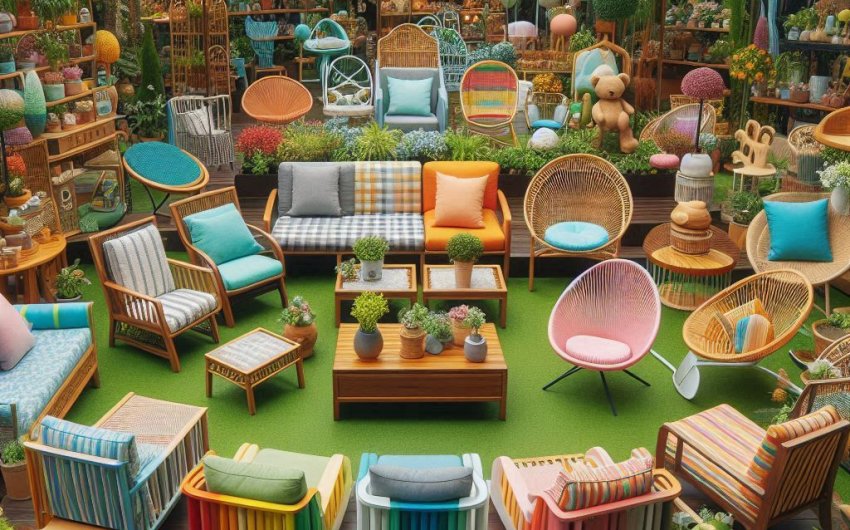
The garden isn't just a place for plants; it's an extension of your home, an outdoor living room where you can relax, entertain, and simply enjoy the fresh air. To truly make the most of this precious space, comfortable and durable garden furniture is essential. Imagine sipping your morning coffee on a cozy patio chair, sharing meals with loved ones around an elegant outdoor dining set, or unwinding with a good book on a chaise lounge bathed in dappled sunlight. The right furniture transforms a beautiful garden into a truly inviting sanctuary.
But choosing the perfect garden furniture can feel overwhelming, given the vast array of materials available. Each material comes with its own set of pros and cons, from how it looks and feels to how well it stands up to the elements and how much maintenance it requires. The ideal choice for your outdoor space depends on many factors: your local climate, your aesthetic preferences, your budget, and how much time you're willing to spend on upkeep. What works beautifully in a sunny, dry climate might quickly deteriorate in a humid, rainy region.
This guide will demystify the world of garden furniture materials, helping you make an informed decision that perfectly suits your needs. We'll explore the most popular options, from classic wood and sturdy metal to modern synthetics, breaking down their durability, maintenance requirements, and overall appeal. By understanding the characteristics of each, you can select furniture that not only looks gorgeous but also provides years of comfortable outdoor living. Let's find the perfect foundation for your outdoor oasis.
What Should You Consider When Choosing Garden Furniture Materials?
Before diving into specific materials, it's helpful to think about the key factors that will influence your choice. These considerations will help narrow down the best options for your unique situation.
What is Your Local Climate Like?
The climate where you live is arguably the most important factor when choosing garden furniture materials.
- Sun intensity: Intense UV rays can fade colors and break down certain materials over time.
- Rainfall and humidity: Constant moisture can lead to rust, rot, or mildew.
- Temperature extremes: Freezing winters or scorching summers can cause materials to crack, warp, or become brittle.
- Wind: Heavy winds can blow lightweight furniture around. Some materials are naturally more resistant to specific weather conditions than others. For example, some woods might rot in very wet climates, while certain plastics might become brittle in freezing temperatures.
How Much Maintenance Are You Willing to Do?
Maintenance is another big consideration. Are you looking for furniture you can set and forget, or are you willing to put in some effort each season?
- Low maintenance: Materials that require little more than occasional cleaning.
- Moderate maintenance: Materials that might need annual cleaning, sealing, or oiling.
- High maintenance: Materials that require regular cleaning, painting, or specific protective treatments to stay in good condition. Your lifestyle and available time will dictate how much maintenance is feasible for you.
What is Your Budget?
Budget is always a practical consideration.
- Entry-level options: More affordable materials might be lighter weight or require more frequent replacement.
- Mid-range options: Offer a good balance of durability and cost.
- High-end options: Typically made from premium materials that are designed to last for decades, but come with a higher upfront cost. Remember to consider the long-term cost, which includes maintenance and potential replacement, not just the initial purchase price.
What Is Your Style Preference?
The look and feel of your garden furniture should complement your home and garden aesthetic.
- Traditional/Classic: Wood, wrought iron.
- Modern/Contemporary: Metal, concrete, sleek synthetics.
- Bohemian/Natural: Wicker, rattan.
- Industrial: Metal, reclaimed wood. Consider the colors, textures, and overall design of the furniture and how it will integrate with your outdoor space.
How Often Will You Use the Furniture?
The frequency of use can influence your choice.
- Occasional use: For a rarely used accent piece, durability might be less critical.
- Daily use: For dining sets or lounge areas that will see constant use, comfort, sturdiness, and extreme durability become paramount.
- Storage: Do you need to store it away for winter? Lightweight or foldable options might be more practical.
What Are the Best Wood Materials for Garden Furniture?
Wood garden furniture offers timeless beauty, natural appeal, and a warm aesthetic. However, not all woods are created equal when it comes to enduring the outdoors.
Why is Teak a Premium Choice for Outdoor Furniture?
Teak is widely considered the gold standard for outdoor furniture materials, especially in regions with varying climates.
- Durability: It's incredibly durable and long-lasting, often lasting for decades.
- Weather Resistance: Teak is naturally rich in oils and silica, which make it highly resistant to rot, decay, insects, and harsh weather conditions, including rain, sun, and temperature changes. It doesn't splinter easily.
- Appearance: When new, it has a rich, golden-brown color. Over time, if left untreated, it weathers to a beautiful, silvery-gray patina. Many people prefer this weathered look.
- Maintenance: Low maintenance if you embrace the patina; simply clean occasionally. If you want to maintain the golden color, it requires annual oiling with a teak sealer or oil.
- Cost: Teak is a premium material, so it tends to be quite expensive. Ensure you buy sustainably sourced teak.
How Do Acacia and Eucalyptus Compare to Teak?
Acacia and Eucalyptus are often used as more affordable alternatives to teak. They share some of teak's natural properties but generally require more maintenance.
- Acacia: A dense, durable hardwood that can withstand outdoor conditions reasonably well. It has attractive grain patterns and colors ranging from light to dark brown.
- Durability: Good, but not as naturally resistant to rot and insects as teak.
- Maintenance: Requires regular oiling (at least annually, possibly more) to maintain its color and prevent drying out, cracking, or splintering. If left untreated, it will weather to gray. A good acacia wood protector can help extend its life.
- Cost: More budget-friendly than teak.
- Eucalyptus: Another fast-growing hardwood, often sourced sustainably. It has a reddish-brown hue.
- Durability: Similar to acacia, it's reasonably durable but also needs more care than teak.
- Maintenance: Requires consistent oiling to prevent graying, cracking, and to maintain its structural integrity.
- Cost: Also a more affordable option.
Is Cedar a Good Choice for Outdoor Furniture?
Cedar (especially Western Red Cedar) is a popular choice for outdoor furniture, particularly in North America, due to its natural properties and pleasant aroma.
- Durability: It's a soft wood but has natural oils that make it resistant to rot, decay, and insect damage. It's generally quite durable outdoors.
- Appearance: Has a beautiful reddish-brown color that eventually weathers to a soft gray if left untreated.
- Maintenance: Relatively low maintenance. Can be left to weather or treated with a cedar stain or sealer every few years to maintain color.
- Cost: Mid-range. Often more affordable than teak.
What About Pine and Other Softwoods?
Pine and other softwoods (like spruce, fir) are generally less suitable for outdoor furniture unless specifically treated.
- Durability: Untreated, they are highly susceptible to rot, decay, and insect damage. They splinter easily.
- Maintenance: Require significant maintenance. Must be regularly sealed, painted, or stained and are often pressure-treated for outdoor use. Even then, they have a shorter lifespan than hardwoods.
- Cost: Very affordable. Pressure-treated lumber is softwood chemically treated to resist rot and insects, making it suitable for decks and structural outdoor use. While some furniture is made from it, it's not typically used for fine outdoor furniture. Ensure pressure-treated wood is rated for above-ground contact if used for furniture.
What About Reclaimed Wood?
Reclaimed wood (from old barns, fences, etc.) can be a beautiful and eco-friendly choice.
- Durability: Varies greatly depending on the original wood type and its condition. Old growth timber tends to be more durable.
- Appearance: Unique, weathered look with character.
- Maintenance: Often requires sealing to protect it from further weathering and to prevent splintering.
- Cost: Can vary widely depending on the source and craftsmanship.
What Are the Best Metal Materials for Garden Furniture?
Metal garden furniture offers strength, durability, and a sleek or ornate aesthetic. Different metals have varying levels of resistance to rust and corrosion.
Why is Aluminum a Popular Choice?
Aluminum is a very popular and practical choice for outdoor furniture, especially for its balance of characteristics.
- Lightweight: Easy to move around, reconfigure, and store.
- Rust-Resistant: Naturally resistant to rust, making it excellent for all climates, including humid or rainy ones.
- Durability: Strong and durable. Powder-coated aluminum further enhances its resistance to scratches and chipping.
- Maintenance: Very low maintenance. Simply clean with soap and water occasionally.
- Appearance: Can be designed in a variety of styles, from modern and minimalist to more traditional, often painted or powder-coated in various colors. A common choice is powder coated aluminum patio furniture.
- Cost: Mid to high range, depending on design and quality.
What About Wrought Iron and Steel?
Wrought iron and steel are known for their strength and classic, heavy designs, but they come with rust considerations.
- Wrought Iron: A very heavy and sturdy material, often used for ornate, traditional designs.
- Durability: Extremely durable and long-lasting if properly maintained. Can withstand strong winds.
- Rust: Highly susceptible to rust. Must be regularly painted, sealed, or powder-coated to prevent rust. Chips in the finish need to be addressed promptly.
- Maintenance: High maintenance if you want to prevent rust.
- Cost: Mid to high range, often due to the craftsmanship.
- Steel: Generally lighter than wrought iron but still robust. Often seen in modern designs or combined with other materials.
- Durability: Strong, but also prone to rust unless treated.
- Rust: Rusts easily if untreated. Look for powder-coated steel or stainless steel for better outdoor performance.
- Maintenance: Powder-coated steel is lower maintenance than raw steel, but still needs care if the coating chips. Stainless steel is much more rust-resistant but can be expensive.
- Cost: Varies from affordable (untreated steel) to high (stainless steel).
What Are the Best Synthetic and Woven Materials for Garden Furniture?
Modern advancements have led to a rise in synthetic and woven materials that are specifically designed for outdoor use, offering excellent durability and low maintenance.
Why is All-Weather Wicker (HDPE) a Top Choice?
All-weather wicker, also known as resin wicker or HDPE (High-Density Polyethylene) wicker, is one of the most popular and versatile materials for outdoor furniture. It beautifully mimics natural wicker but vastly outperforms it outdoors.
- Durability: Extremely durable and long-lasting. It won't rot, splinter, crack, or fade like natural wicker.
- Weather Resistance: Highly resistant to UV rays, rain, humidity, and temperature extremes. It's essentially weatherproof.
- Maintenance: Very low maintenance. Simply clean with soap and water.
- Appearance: Available in a wide range of weaves, colors, and styles, from traditional to modern. It often wraps an aluminum frame. A high-quality HDPE wicker patio set can look incredibly luxurious.
- Cost: Mid to high range, depending on the quality of the weave and frame.
What About PVC and Plastic Furniture?
PVC and other plastics are often the most budget-friendly options for outdoor furniture.
- Durability: Varies greatly by the type and quality of plastic. Cheaper plastics can become brittle and crack with UV exposure and temperature changes. High-quality, virgin plastic will last longer.
- Weather Resistance: Generally waterproof, but can fade and degrade in direct sun. Can become brittle in cold.
- Maintenance: Very low maintenance, easy to clean.
- Appearance: Can look cheap if low quality. More refined designs are available in higher-grade plastics.
- Cost: Very affordable. While a simple plastic Adirondack chair is inexpensive, its lifespan might be limited.
Is Recycled Plastic a Good Outdoor Furniture Material?
Recycled plastic (often HDPE, similar to all-weather wicker but in solid lumber-like forms) is an increasingly popular and environmentally friendly option.
- Durability: Extremely durable and long-lasting. It will not rot, splinter, crack, or fade. It's impervious to insects.
- Weather Resistance: Excellent resistance to all weather conditions, making it ideal for climates with extremes.
- Maintenance: Virtually no maintenance required, just occasional cleaning.
- Appearance: Can mimic the look of painted wood. Available in various colors. It often has a heavy, sturdy feel.
- Cost: High, similar to or more expensive than premium hardwoods, but lasts a lifetime. Look for recycled plastic outdoor furniture for a sustainable and durable choice.
What About Textilene Fabric?
Textilene is not a furniture frame material but a popular sling fabric used on many metal-framed chairs, chaises, and benches.
- Durability: Very durable, resistant to tearing and stretching.
- Weather Resistance: Excellent resistance to UV, mildew, and moisture. It dries quickly.
- Maintenance: Very low maintenance, easy to clean.
- Comfort: Offers comfortable seating without the need for cushions, though cushions can be added for extra luxury.
- Appearance: Provides a clean, modern look. Often found on sling patio chairs.
What Are Other Materials and Considerations for Garden Furniture?
Beyond the main categories, there are a few other materials and important considerations when selecting garden furniture.
Is Concrete a Good Material for Outdoor Furniture?
Concrete garden furniture offers a modern, minimalist, and very sturdy aesthetic.
- Durability: Extremely durable and long-lasting. Can withstand harsh weather.
- Weight: Very heavy, making it difficult to move. This is ideal for permanent placement or windy areas.
- Weather Resistance: Excellent resistance to elements, though freeze-thaw cycles in very cold climates can sometimes cause cracking if not properly manufactured.
- Maintenance: Very low maintenance, often just a wipe down.
- Appearance: Industrial, sculptural, contemporary. Often used for dining tables or fixed benches.
- Cost: High.
What About Stone and Tile?
Stone (like granite or slate) and tile are often used for tabletops in conjunction with metal or wooden bases.
- Durability: Very durable and resistant to scratches and heat.
- Weather Resistance: Generally good, though extreme freeze-thaw can crack some tiles.
- Maintenance: Low, easy to wipe clean.
- Appearance: Elegant, natural, classic.
- Weight: Can be heavy.
What Role Do Cushions Play?
While not a frame material, cushions are a huge part of garden furniture comfort and appearance.
- Material: Look for outdoor-grade fabrics like solution-dyed acrylic (e.g., Sunbrella or Outdura). These fabrics are highly resistant to fading, mildew, and moisture.
- Foam: Good quality outdoor foam allows water to drain quickly and resists mildew.
- Maintenance: Even outdoor cushions benefit from being stored during heavy rain or winter, or covered with a patio furniture cover to extend their life.
How Does Sun Protection Impact Furniture Life?
No matter the material, sun protection can extend the life of your garden furniture.
- Shade: Placing furniture under a pergola, umbrella, or covered patio will significantly reduce UV exposure, slowing down fading and degradation. A good patio umbrella is a worthy investment.
- Covers: Using furniture covers when not in use, especially during off-season or prolonged periods of harsh weather, offers excellent protection.
Why is Assembly and Stability Important?
Consider the assembly requirements and the stability of the furniture.
- Assembly: Some furniture comes fully assembled; others require significant assembly. Read reviews and product descriptions to assess the complexity.
- Stability: Ensure the furniture feels solid and stable, especially chairs and tables. Wobbling furniture is annoying and can be unsafe. Heavy materials like wrought iron, steel, recycled plastic, or concrete offer inherent stability. For lighter materials like aluminum, check the construction and joints.