
How Do I Successfully Grow and Care for Peperomia Plants?
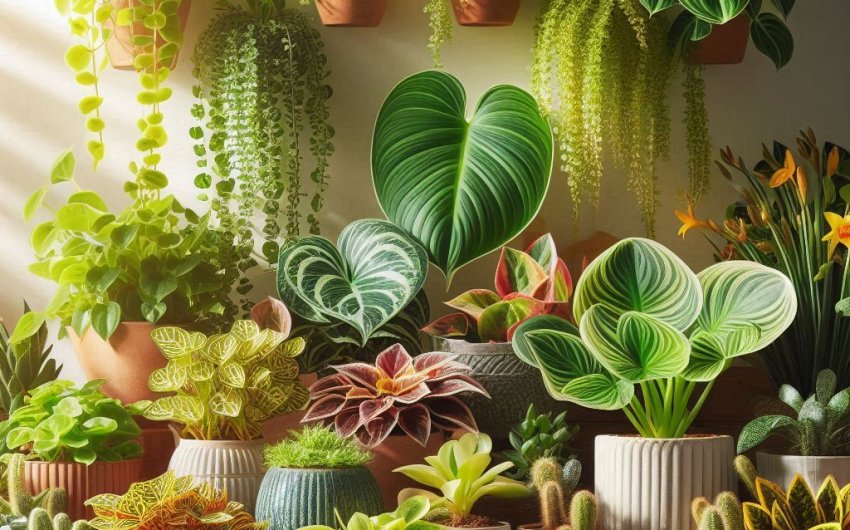
In the vast and varied world of houseplants, few genera offer such a captivating diversity of foliage, texture, and form as Peperomia. Ranging from tiny, delicate specimens with coin-shaped leaves to robust plants with deeply ridged or strikingly variegated foliage, Peperomia plants are a testament to nature's boundless creativity. Their compact size, relatively easy care, and often unique appearance have made them increasingly popular choices for indoor gardeners, fitting perfectly into small spaces, terrariums, or as charming additions to a plant collection. They truly offer a "something for everyone" appeal with their array of distinct personalities.
While each Peperomia species has its own subtle nuances, many share similar basic care requirements, making them a relatively forgiving choice for both seasoned plant enthusiasts and eager beginners. However, mastering the art of Peperomia care lies in understanding their fundamental preferences for light, water, and humidity, and recognizing that their semi-succulent nature demands a specific approach to hydration. Dive into the secrets of nurturing these charming plants, and discover how to successfully grow and care for your Peperomia collection, ensuring they remain vibrant, healthy, and a constant source of fascination in your indoor oasis.
Why Are Peperomia Plants So Popular?
Peperomia plants have become incredibly popular houseplants for several compelling reasons, making them a favorite among diverse plant enthusiasts.
What Makes Peperomia So Diverse?
The genus Peperomia (part of the Piperaceae family, related to black pepper) is astonishingly diverse, offering a huge array of foliage types.
- Vast Variety: There are over 1,000 known species, each with unique leaf shapes, textures, and colors. This means you can find a Peperomia to suit almost any aesthetic preference or niche in your home.
- Leaf Shapes: From round and coin-shaped (e.g., Peperomia 'Hope', Peperomia polybotrya) to heart-shaped (e.g., Peperomia clusiifolia 'Jelly'), elongated, or even textured (e.g., Peperomia caperata 'Rosso').
- Leaf Colors and Patterns: Solid greens, deep reds, silvers, variegated patterns with cream, pink, or yellow markings, often with intricate veining.
- Textures: Smooth and glossy, crinkled (e.g., Peperomia caperata), fuzzy, or succulent-like.
- Growth Habits: They range from upright and bushy to trailing, mounding, or even epiphytic. This versatility makes them adaptable to different display methods. A selection of Peperomia plants variety pack showcases this diversity.
Are Peperomia Generally Easy to Care For?
Yes, many Peperomia species are considered relatively low-maintenance, making them great choices for beginners.
- Forgiving of Neglect: Their semi-succulent leaves store water, making them more forgiving of occasional missed waterings than many other houseplants.
- Compact Size: Most Peperomia plants remain small, making them ideal for windowsills, desks, shelves, terrariums, or small apartments where space is limited.
- Few Major Pests/Diseases: They are generally not prone to many serious pest or disease problems, especially when their core needs are met.
- Low Light Tolerance (Compared to Succulents): While they like bright light, many can tolerate lower light conditions than true succulents, which broadens their placement options.
What Unique Traits Do Peperomia Have?
- Semi-Succulent Nature: Their fleshy leaves and stems store water, allowing them to tolerate periods of drought. This is a key to understanding their watering needs.
- No Strong Central Stem: Many Peperomia plants have a clumping or multi-stemmed growth habit rather than a single woody stem.
- Rat-Tail Flowers: Most Peperomia plants produce unique, slender, green-white flower spikes that resemble rat tails. While not showy, they are an interesting feature.
- Pet-Friendly: Most Peperomia species are considered non-toxic to cats and dogs by the ASPCA, making them a safer choice for homes with furry friends. A list of pet-friendly houseplants often includes Peperomia.
What Are the Essential Environmental Conditions for Peperomia?
Meeting these fundamental needs is crucial for a thriving Peperomia collection.
How Much Light Does a Peperomia Need?
Light is vital for healthy growth and vibrant foliage color in Peperomia.
- Bright, Indirect Light (Ideal): Most Peperomia plants thrive in bright, indirect light. Place them near an east or west-facing window, or a few feet away from a south-facing window with sheer curtains. This provides enough light without scorching delicate leaves.
- Low Light Tolerance: They can tolerate lower light conditions, but their growth will be slower, and variegated varieties may lose some of their vibrant coloring.
- Direct Sunlight (Caution): Avoid harsh, direct afternoon sun, especially in summer, as it can scorch their leaves, causing brown spots or faded colors. Morning sun is generally fine.
- Signs of Too Little Light: Leggy growth (stretched stems with widely spaced leaves), pale green foliage, and slow growth.
- Signs of Too Much Light: Scorched spots, faded leaf color, crispy edges. A plant light meter can help gauge ideal conditions.
How Should I Water My Peperomia Plant?
This is the most critical aspect of Peperomia care, and often where problems arise. Their semi-succulent nature is key.
- "Soak and Dry" Method: The best approach is to allow the soil to dry out significantly between waterings. This is essential to prevent root rot.
- How to Check: Stick your finger about 1-2 inches deep into the soil. For smaller pots, just the top inch. If it feels dry, it's likely time to water. For larger or more succulent types (e.g., Peperomia obtusifolia), you might let the top 2-3 inches dry. A soil moisture meter for houseplants is a great tool.
- Water Thoroughly: When you do water, water deeply until water drains freely from the drainage holes at the bottom of the pot. Do not let the plant sit in standing water.
- Frequency Varies: Watering frequency depends on light, temperature, humidity, pot size, and potting mix. It could be every week, every two weeks, or even less frequently in winter. Forget fixed schedules.
- Signs of Overwatering: Mushy, yellow, or black leaves; soft stems; leaf drop.
- Signs of Underwatering: Wrinkled, shriveled, or limp leaves (they should plump up quickly after watering).
What Are the Ideal Temperature and Humidity Levels?
- Temperature: Peperomia plants prefer average to warm room temperatures, typically between 65-80°F (18-27°C). Avoid sudden temperature drops or exposure to cold drafts (e.g., near leaky windows or open doors in winter).
- Humidity: While many tropical plants love high humidity, Peperomia are generally quite tolerant of average household humidity. Some species with textured or very thin leaves (e.g., Peperomia caperata 'Rosso') may appreciate slightly higher humidity.
- Increase (Optional): If your air is very dry, you can use a pebble tray (a shallow tray with pebbles and water, ensuring the pot doesn't sit in the water) or a room humidifier for plants. Misting is generally not very effective for increasing humidity but can help clean leaves.
What Kind of Potting Mix and Pot is Best?
- Well-Draining Potting Mix: This is crucial. Peperomia plants need a lightweight, airy, and very well-draining potting mix that prevents waterlogging. A good mix will typically include peat moss or coco coir for moisture retention, mixed with plenty of perlite or small bark chips for drainage and aeration. A bag of potting mix for succulents or a general houseplant potting mix amended with extra perlite works well.
- Drainage Holes: The pot MUST have drainage holes at the bottom. Without them, water collects, leading to root rot.
- Pot Material: Terracotta pots are often a good choice as they are porous and help the soil dry out faster. Plastic pots retain moisture longer, so you'll water less frequently.
- Pot Size: Don't over-pot. Peperomia plants generally prefer to be slightly root-bound. Only go up one pot size when repotting. Too large a pot holds too much soil and moisture, increasing the risk of overwatering.
What Are the Ongoing Maintenance Needs of Peperomia Plants?
Once your Peperomia is established, a few simple maintenance tasks will keep it thriving.
How Often Should I Fertilize My Peperomia?
Peperomia plants are relatively light feeders.
- Growing Season Only: Fertilize only during the active growing season (spring and summer), typically once a month or every other month.
- Diluted Fertilizer: Use a balanced liquid houseplant fertilizer, diluted to half or quarter strength. Over-fertilizing can lead to salt buildup and burn the delicate roots.
- Avoid in Dormancy: Do not fertilize in fall and winter when growth slows down. A bottle of liquid houseplant fertilizer is easy to use.
- Signs of Deficiency: Very slow growth or overall pale foliage can indicate a need for nutrients.
When Should I Repot My Peperomia?
Peperomia plants generally don't need frequent repotting.
- Signs of Being Root-Bound: When you see roots growing out of the drainage holes, growth has slowed significantly, or the plant seems to dry out incredibly quickly after watering.
- Frequency: Typically every 1-2 years for young, faster-growing varieties, or every 2-3 years for mature, slower-growing types.
- Timing: Best done in spring, just as new growth begins.
- Pot Size: Move up to a pot only one size larger (e.g., from a 4-inch to a 5-inch pot).
- Fresh Potting Mix: Always use fresh, well-draining potting mix when repotting. A potting mat can keep your workspace tidy.
How Do I Prune My Peperomia?
Pruning Peperomia is usually done for shape, bushiness, or propagation.
- For Shape/Bushiness: Pinch back stem tips or cut back leggy stems to encourage branching and a fuller, bushier plant. Use clean, sharp pruning snips.
- Remove Leggy Growth: If a Peperomia has become leggy due to insufficient light, pruning can help restore its compact shape.
- Propagation: Pruned stems can often be used for propagation (see below).
- Remove Spent Flower Spikes: You can snip off the "rat tail" flower spikes once they begin to brown, though this is purely for aesthetics.
How Can I Propagate Peperomia Plants?
Peperomia plants are remarkably easy to propagate, primarily from stem or leaf cuttings.
- Stem Cuttings: Cut a stem with at least 2-3 leaves. Remove the bottom leaves and stick the stem directly into moist potting mix.
- Leaf Cuttings: For many varieties (especially P. caperata), you can root individual leaves. Cut a healthy leaf with about an inch of stem attached. Plant the stem in moist potting mix, or even just lay the leaf flat on the soil surface (for some types).
- Rooting Medium: Use a well-draining medium like perlite, vermiculite, or a mix of peat/coco coir and perlite.
- Humidity/Warmth: Keep cuttings in a warm, humid environment (e.g., cover with a plastic bag or use a propagation dome) until roots form.
- Patience: Rooting can take several weeks. A plant propagation station can be used.
What Are Common Problems and How Do I Troubleshoot Them?
Even easy-care Peperomia plants can face issues. Recognizing the signs early is key.
Why Are My Peperomia Leaves Turning Yellow?
Yellowing leaves usually point to watering issues.
- Overwatering (Most Common): If the yellowing leaves are soft, mushy, or translucent, and the soil is wet, it's classic overwatering and potential root rot. Leaves may drop.
- Underwatering (Less Common): If yellowing leaves are also shriveled and the soil is bone dry, it could be severe underwatering.
- Too Little Light: Overall pale yellowing or very slow growth, especially in low light conditions.
- Natural Aging: It's normal for a few older, lower leaves to yellow and drop off occasionally.
- Solutions: Adjust watering immediately. Ensure excellent drainage. Move to brighter light.
Why Are Peperomia Leaves Dropping?
Sudden leaf drop is usually a sign of stress.
- Overwatering (Leading Cause): If plump, green leaves drop suddenly without yellowing, especially if the soil is wet, it's a strong indicator of overwatering and advancing root rot.
- Underwatering (Severe): Prolonged, severe underwatering can also cause leaves to shrivel and drop.
- Sudden Environmental Changes: Peperomia dislike sudden changes. Moving the plant to a new location with drastically different light or temperature can cause shock and leaf drop.
- Cold Drafts/Temperatures: Exposure to cold drafts or very cold temperatures can cause leaves to drop.
- Solutions: Identify the stressor and correct it. Be very careful with watering.
What About Brown or Crispy Leaves?
This typically indicates insufficient moisture.
- Underwatering: The soil has been allowed to dry out too much, and the leaves are dehydrating, causing them to shrivel, turn brown, and become crispy.
- Too Much Direct Sun: Can cause scorched, brown spots or crispy edges on leaves.
- Solutions: Adjust watering frequency to allow soil to dry completely but then water thoroughly. Move plant out of harsh direct sun.
Why is My Peperomia Leggy?
Leggy growth is a clear sign of insufficient light.
- Lack of Light: If a Peperomia doesn't get enough bright, indirect sunlight, it will stretch its stems out towards the light source, resulting in long, thin, weak stems with widely spaced leaves.
- Solutions: Move your Peperomia to a brighter location. You can prune back the leggy growth to encourage a more compact, bushier shape. Ensure to use bright, indirect light when new growth emerges.
How Do I Identify and Treat Pests on My Peperomia?
While generally resistant, Peperomia can occasionally get pests, especially if stressed.
- Common Pests: Spider mites (fine webbing, tiny dots on leaves), mealybugs (white, cottony masses), fungus gnats (small flies around soil surface, due to overwatering).
- Inspection: Regularly inspect your Peperomia, especially the undersides of leaves and in leaf axils.
- Treatment: For small infestations, dab with rubbing alcohol on a cotton swab. For larger problems, use insecticidal soap for houseplants or neem oil spray, ensuring good coverage. Address any overwatering for fungus gnats.
By understanding the semi-succulent nature and specific needs of your Peperomia plants, you can easily provide the right care to ensure they remain vibrant, healthy, and a fascinating addition to your indoor plant collection.