
How Do I Care for a Delicate Maidenhair Fern Indoors?
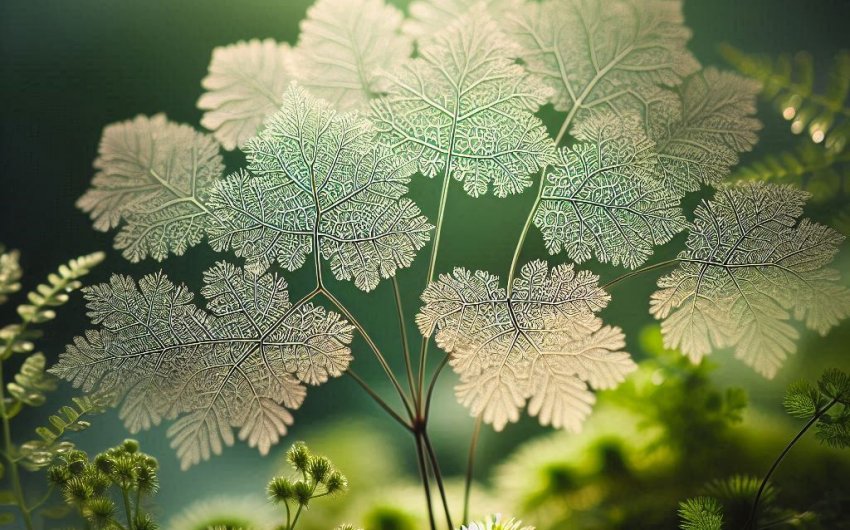
Learning how to care for a delicate Maidenhair Fern indoors is a rewarding challenge for houseplant enthusiasts, as these exquisite ferns are celebrated for their airy, graceful foliage but are equally notorious for their specific environmental needs. Unlike many resilient houseplants, Maidenhair Ferns demand consistent attention to humidity, moisture, and light to prevent their fragile fronds from browning and crisping. Mastering these nuanced care requirements is key to maintaining their vibrant green allure and ethereal beauty within your home.
What Makes Maidenhair Ferns So Delicate?
Understanding what makes Maidenhair Ferns so delicate is the first step to successful indoor care. Their ethereal beauty comes at the cost of specific environmental demands that, if not met, quickly lead to their decline.
1. High Humidity Requirements
- Natural Habitat: Maidenhair Ferns (genus Adiantum) typically grow in tropical and subtropical regions, often in rainforests, near waterfalls, or in moist, shady ravines. These environments have consistently high humidity levels, often 70% or higher.
- Thin Fronds: Their delicate, papery fronds (leaves) and slender, often black, wiry stems are designed to thrive in constantly moist air. They lack the waxy cuticle found on many other plants that helps retain moisture.
- Rapid Dehydration: In a typical dry indoor home environment (especially with central heating or air conditioning), their fronds lose moisture to the air very quickly. This rapid transpiration leads to browning, crisping, and eventual death of the frond.
- Humidity is Paramount: Insufficient humidity is arguably the number one killer of indoor Maidenhair Ferns.
2. Consistent Soil Moisture (but Not Soggy)
- Fine Roots: Maidenhair Ferns have fine, fibrous root systems that are efficient at absorbing moisture but are also very susceptible to root rot if left in standing water or soggy soil for too long.
- No Drying Out: They cannot tolerate their potting mix drying out completely. Even a short period of dryness can cause irreversible damage to their fragile fronds.
- Balance is Key: The challenge lies in keeping the soil consistently moist without ever letting it become waterlogged. This delicate balance requires frequent monitoring.
3. Sensitivity to Chemicals and Water Quality
- Chlorine/Fluoride Sensitivity: Maidenhair Ferns can be sensitive to chemicals commonly found in tap water, such as chlorine and fluoride, which can lead to leaf tip burn or overall decline.
- Salt Buildup: They are also sensitive to the buildup of mineral salts from hard water or excessive fertilization, which can accumulate in the soil and cause leaf crisping.
4. Need for Bright, Indirect Light
- Forest Floor Dwellers: In their natural habitat, they grow under a dense canopy, receiving filtered, dappled sunlight, not direct sun.
- Sunburn Risk: Direct sunlight, even for a short period, can quickly scorch their delicate fronds, leading to browning and crisping.
- Low Light Stress: While sensitive to direct sun, they also won't thrive in very deep shade, where they may become leggy and struggle to produce new growth.
5. Intolerance to Drafts and Sudden Changes
- Stable Environment: They prefer a stable environment with consistent temperatures and humidity.
- Drafts: Cold or hot drafts (from open windows, doors, or heating/AC vents) can rapidly dry out their fronds and cause stress, leading to browning.
- Temperature Fluctuations: Sudden or extreme temperature swings can also be detrimental.
Due to these specific and often demanding requirements, caring for a Maidenhair Fern indoors is often seen as a test of a gardener's dedication, yet their beauty makes the effort worthwhile. Understanding these delicate needs is crucial for knowing how to care for a delicate Maidenhair Fern indoors.
What Are the Ideal Light and Temperature Conditions for Maidenhair Ferns?
Providing the correct light and temperature conditions is fundamental to learning how to care for a delicate Maidenhair Fern indoors. These factors directly impact the plant's ability to photosynthesize and maintain its delicate fronds.
1. Light Requirements
- Bright, Indirect Light is Essential: Maidenhair Ferns thrive in bright, indirect light. Think of their natural habitat: the forest floor, where light is abundant but filtered through a tree canopy.
- Ideal Placement: An east-facing window is often perfect, providing gentle morning sun. A north-facing window also works well.
- Filtered Light: For south or west-facing windows, ensure the light is heavily diffused with sheer curtains or by placing the plant several feet back from the window.
- Avoid Direct Sun: Direct sunlight, especially harsh afternoon sun, will quickly scorch their delicate fronds, causing them to turn crispy brown. Even a few hours of direct sun can be damaging.
- Signs of Good Light:
- Lush, vibrant green fronds.
- Consistent new growth.
- Full, bushy appearance.
- Signs of Too Little Light:
- Sparse, leggy growth with long spaces between fronds.
- Fewer new fronds emerging.
- Overall dull or pale green color.
- Increased susceptibility to root rot (as the plant uses less water in low light).
- Signs of Too Much Direct Sun:
- Bleached-out yellow spots on fronds.
- Crispy, brown patches or tips.
- Overall browning and wilting, despite adequate watering.
2. Temperature Requirements
- Consistent Warmth: Maidenhair Ferns prefer consistently warm temperatures, mirroring their tropical origins.
- Ideal Range: Aim for temperatures between 65°F and 75°F (18°C and 24°C).
- Avoid Extremes and Fluctuations:
- Minimum Temperature: Do not expose them to temperatures below 55°F (13°C), as this can severely stress the plant and cause browning or even death.
- Cold Drafts: Keep them away from cold drafts from open windows, doors, or air conditioning vents, especially during cooler months.
- Heat Vents/Radiators: Avoid placing them directly above heating vents, radiators, or fireplaces, which produce hot, dry air that will rapidly desiccate their fronds.
- Rapid Fluctuations: Sudden changes in temperature can also stress the plant. Try to maintain a stable environment.
Light and Temperature Summary
| Factor | Ideal Conditions | Signs of Stress | Solution |
|---|---|---|---|
| Light | Bright, indirect (East/North window, filtered South/West) | Leggy/pale (too little); Bleached/crispy (too much direct) | Move to ideal spot; use sheer curtains/grow light for balance |
| Temperature | 65-75°F (18-24°C) stable | Brown/mushy leaves (too cold); Rapid drying (too hot/drafty) | Keep away from drafts/vents; maintain consistent warmth |
By providing these specific light and temperature conditions, you address crucial environmental needs, laying a strong foundation for how to care for a delicate Maidenhair Fern indoors.
How Do You Achieve Consistent Moisture and High Humidity for Maidenhair Ferns?
Achieving consistent moisture and high humidity is the most challenging and essential aspect of learning how to care for a delicate Maidenhair Fern indoors. These plants demand a very specific hydration regimen that differs significantly from most other houseplants.
1. Consistent Soil Moisture (Crucial Balance)
- Never Let Dry Out: Unlike many plants that prefer to dry out between waterings, Maidenhair Ferns suffer irreversible damage if their potting mix completely dries out. Even a few hours of severe dryness can cause fronds to crisp and die back.
- Avoid Soggy Soil: While they need constant moisture, they absolutely cannot sit in waterlogged or soggy soil. This will quickly lead to root rot, which is often fatal.
- The "Moist but Not Wet" Rule: The soil should always feel consistently damp to the touch, like a wrung-out sponge.
- Watering Frequency:
- Check Daily: You might need to check your fern's soil moisture daily, especially during warm months or in dry environments.
- Water When Top is Slightly Dry: Water when the very top layer (about 1/2 inch) just begins to feel dry to the touch. The rest of the soil should still feel moist.
- Watering Method (Thoroughly): Water deeply until excess water drains from the bottom of the pot. Ensure the entire root ball is saturated.
- Bottom Watering (Recommended): Place the potted fern in a saucer or sink filled with 1-2 inches of water. Let it soak for 20-30 minutes, allowing the plant to absorb water from the bottom up. This ensures even saturation. Remove from standing water immediately after.
- Potting Mix: Use a lightweight, well-draining potting mix that still retains moisture. A good mix would be regular houseplant potting soil mixed with extra peat moss or coco coir for moisture retention, and some perlite or fine bark for drainage and aeration.
- Drainage Holes: Ensure the pot has ample drainage holes to prevent waterlogging.
2. High Humidity (The Game Changer)
Maidenhair Ferns need consistent humidity, ideally 60% or higher. Typical indoor humidity is often 30-50%.
- Humidifier: The most effective method is to place a room humidifier for plants near your fern. This provides continuous, consistent moisture to the air.
- Pebble Tray: Place the potted fern on a pebble tray filled with water. Ensure the bottom of the pot does not sit in the water. As the water evaporates, it increases localized humidity around the plant.
- Grouping Plants: Cluster your Maidenhair Fern with other houseplants. Transpiration from multiple plants increases ambient humidity in their immediate vicinity.
- Terrariums/Cloches (with caution): For a very humid microclimate, you can grow smaller Maidenhair Ferns in an open terrarium or under a glass cloche. Ensure there's still some airflow to prevent mold. Avoid fully sealed terrariums.
- Misting (Supplemental, but not a complete solution): Regular misting (daily, or multiple times a day) can provide temporary boosts of humidity and help clean dust from leaves. However, it's not a substitute for consistent high ambient humidity, as the effects are short-lived. Use a fine plant mister spray bottle.
- Avoid Drafts: Keep away from drafts, which rapidly dry out the air and fronds.
3. Water Quality
- Avoid Hard Water: Maidenhair Ferns can be sensitive to the mineral salts in hard tap water, which can accumulate in the soil and cause crispy frond tips.
- Options:
- Let tap water sit out for 24 hours to allow chlorine to dissipate.
- Use rainwater.
- Use filtered water (from a water filter for plants) or distilled water (if using distilled water, occasionally provide a very diluted balanced fertilizer as it lacks all minerals).
| Aspect | Key Requirement | Best Practices | What to Avoid |
|---|---|---|---|
| Soil Moisture | Always damp, never soggy, never dry | Daily checks, water when top 1/2" dry, bottom watering | Letting soil dry out completely, soggy soil |
| Humidity | High (60%+), consistent | Humidifier, pebble tray, grouping plants | Dry air, drafts, relying solely on misting |
| Water Quality | Low mineral/chemical content | Rainwater, filtered water, aged tap water | Hard water, softened water |
Mastering the art of precise watering and maintaining high humidity are the cornerstones of how to care for a delicate Maidenhair Fern indoors, leading to a thriving, lush plant.
How Do You Prune, Repot, and Troubleshoot Maidenhair Fern Problems?
Even with ideal conditions, knowing how to prune, repot, and troubleshoot Maidenhair Fern problems is essential for long-term success. These practices help manage growth, maintain health, and revive a struggling plant.
1. Pruning Maidenhair Ferns
- Why Prune: Maidenhair Ferns don't require extensive pruning for shaping, but regular removal of dead or damaged fronds is crucial for aesthetics and plant health.
- How to Prune:
- Remove Brown/Crispy Fronds: As soon as you notice fronds turning entirely brown or crispy, snip them off at the base (where they emerge from the rhizome) using clean, sharp pruning snips for houseplants.
- Promotes New Growth: Removing dying fronds redirects the plant's energy towards producing new, healthy growth.
- Don't Cut Halfway: Avoid cutting fronds halfway down if the base is still green, as this can make the plant look unsightly and doesn't encourage full removal. Wait until the entire frond is brown.
- Cutting Back (Severe Cases): If the entire plant has turned brown due to severe dehydration or stress, you can cut all fronds back to about 1-2 inches from the soil line. Continue watering carefully and providing high humidity. Often, the plant will rebound with fresh new growth from the rhizome, showing its resilience.
2. Repotting Maidenhair Ferns
- Frequency: Maidenhair Ferns prefer to be slightly pot-bound. Repot only when truly necessary, typically every 2-3 years, or when roots are visibly growing out of the drainage holes.
- When to Repot: Best done in spring when the plant is beginning its active growth phase.
- Pot Size: Go up only one pot size (e.g., from a 6-inch to an 8-inch pot). Too large a pot will hold too much moisture, increasing root rot risk.
- Process:
- Gently remove the fern from its current pot.
- Carefully loosen any circling roots at the bottom.
- Place a layer of fresh, well-draining, moisture-retentive potting mix for ferns in the new pot.
- Center the fern, ensuring the base of the plant is at the same level as it was previously.
- Backfill with fresh potting mix, gently firming it around the roots.
- Water thoroughly and resume careful moisture management.
3. Troubleshooting Common Problems
| Symptom | Likely Cause | Solution |
|---|---|---|
| Entire fronds brown & crispy | Severe underwatering / Low humidity / Drafts | Immediately soak the plant; increase humidity with humidifier; move from drafts. Prune off completely brown fronds. |
| New growth shrivels & turns black | Cold damage / Root rot | Check soil for sogginess (root rot); move to warmer, stable temp; ensure good drainage. |
| Yellowing leaves, wilting despite wet soil | Root rot (from overwatering) | Immediately unpot, inspect roots (trim rotten parts), repot in fresh, well-draining soil, allow to dry out significantly before next water. |
| Pale green, stretched growth | Too little light | Move to a brighter location with indirect light. |
| Bleached spots, crispy edges | Too much direct sun | Move away from direct sun; use sheer curtains to filter light. |
| White crust on soil, crispy tips | Mineral buildup / Over-fertilization | Flush soil with filtered water; use filtered/rainwater; reduce or pause fertilization. |
| Pests (spider mites, mealybugs) | Low humidity (often a precursor to mites) | Inspect regularly. Treat with insecticidal soap or neem oil spray. Increase humidity to deter mites. |
By vigilantly applying these maintenance and troubleshooting strategies, you stand the best chance of successfully mastering how to care for a delicate Maidenhair Fern indoors, transforming it from a challenging plant into a beautiful centerpiece.