
What Is the Ideal Light Setup for Growing Carnivorous Sundews (Drosera)?
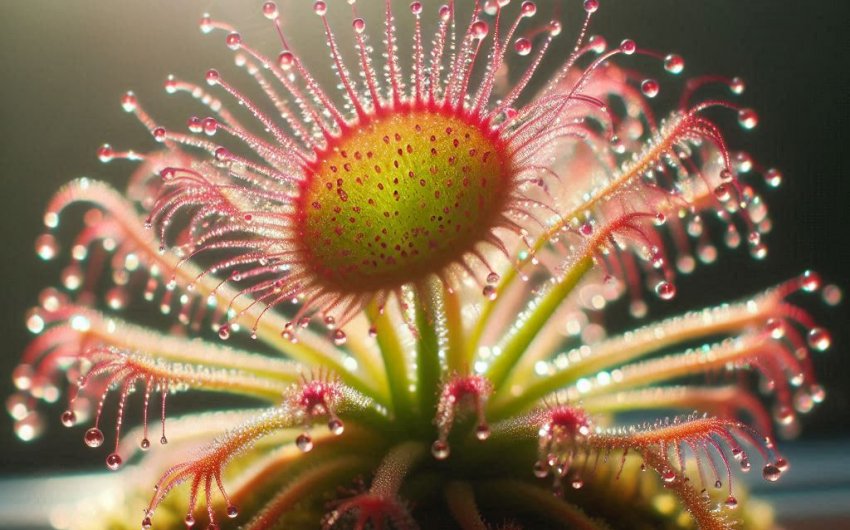
Cultivating vibrant, dew-laden carnivorous sundews (Drosera) hinges critically on providing the right illumination. These fascinating insectivorous plants, known for their glittering tentacles that ensnare prey, originate from a wide range of habitats, but almost all demand specific light conditions to thrive and develop their characteristic sticky mucilage. Understanding what is the ideal light setup for growing sundews involves not just the amount of light, but also its quality and duration, creating an environment where these unique plants can flourish and display their captivating predatory beauty.
Why Is Light So Important for Sundews?
For carnivorous sundews, light isn't just about survival; it's about thriving, developing proper coloration, and producing the abundant "dew" that makes them so effective at catching insects. Without sufficient light, their unique predatory mechanism won't work as it should.
What Happens to Sundews in Inadequate Light?
A lack of proper light quickly manifests in visible signs of distress and diminished predatory function.
What Are the Visible Signs of Insufficient Light?
Loss of dew/mucilage: The most striking and common sign of insufficient light is the loss of dew or mucilage. The glittering, sticky droplets that cover the tentacles will shrink, become less noticeable, or disappear entirely. Without enough light, the plant doesn't have the energy to produce this crucial substance, rendering it unable to catch prey effectively.
Pale or green coloration: Many sundew varieties develop beautiful red, orange, or even purple coloration on their leaves and tentacles when exposed to strong light. In low light, their coloration will be pale, dull, or simply green. This lack of color indicates a lack of chlorophyll production and general plant stress.
Leggy, stretched growth: Plants will try to "reach" for light, resulting in leggy, stretched growth. Stems will become elongated, leaves will be more widely spaced, and the plant will appear weak and spindly instead of compact and robust.
AdvertisementReduced overall growth: The plant's overall growth will be significantly reduced. It won't produce new leaves or flower stalks as vigorously, and existing leaves may remain small and underdeveloped.
Weakened plant, susceptible to issues: A light-starved sundew is a weakened plant. It will be less resilient to temperature fluctuations, humidity changes, and even minor pest infestations, potentially leading to decline or death.
How Does Light Affect Dew Production and Coloration?
Energy for mucilage synthesis: Dew production (mucilage) is an energy-intensive process for the sundew. The plant uses the energy from photosynthesis (driven by light) to synthesize the complex sugars and other compounds that make up the sticky dew. Without enough light, the plant simply lacks the energy to produce adequate mucilage.
Pigment development (anthocyanins): The vibrant red, orange, or purple hues seen in many sundew varieties are due to anthocyanin pigments. These pigments are produced by the plant in response to high light intensity and sometimes UV exposure. They act as a form of "sunscreen" for the plant, protecting it from potential damage from intense light, but also serve to attract insects visually. Without strong light, these pigments are not produced, and the plant remains green.
What Is the Ideal Light Spectrum for Sundews?
The quality of light, specifically its color spectrum, also plays a role in sundew health.
Full spectrum (blue and red light): Like most plants, sundews utilize a full spectrum of light, but they particularly benefit from blue light (important for vegetative growth) and red light (crucial for flowering and overall plant development). A light source that provides a balanced full spectrum, mimicking natural sunlight, is ideal.
UV light (beneficial for some species): While not strictly essential for survival, some sundew species (particularly those from very sunny, exposed habitats) may benefit from a small amount of UV light exposure. This can enhance coloration and potentially dew production. However, too much UV can be harmful, so moderation is key. Specialized grow lights sometimes incorporate a small UV component.
What Is the Ideal Light Setup for Growing Sundews Indoors?
Most sundew species require very bright light, which can be challenging to provide indoors without supplementation.
How Much Natural Light Is Needed?
While artificial light is often necessary, maximizing natural light is a good starting point.
What Are Good Window Locations?
South-facing window (temperate sundews): For many temperate sundew species (e.g., Drosera capensis, D. spatulata, D. adelae), a south-facing window (in the Northern Hemisphere) that receives several hours of direct sunlight is often sufficient. This provides the most intense natural light available indoors.
East or West-facing window (moderate light species): For species that prefer slightly less intense light or if you live in a very sunny climate, an east-facing window (morning sun) or a west-facing window (afternoon sun) can work. East-facing windows offer cooler, gentler morning light.
Consider obstructions: Be aware of any obstructions outside the window (trees, buildings) that might block sunlight. Even seemingly bright windows can provide insufficient direct light.
What Are Limitations of Natural Light Indoors?
Seasonal variation: The intensity and duration of natural sunlight vary significantly with the seasons. In winter, days are shorter and the sun's angle is lower, providing much less light than in summer. This often makes supplemental lighting necessary, even in a sunny window.
Window efficiency and filtering: Modern windows can filter out some beneficial light spectrums, and even clean windows can accumulate dust, reducing light penetration.
Insufficient intensity for many species: While some common species (like D. capensis) can do well in a very bright window, many other sundew species, especially those from truly equatorial or desert regions, will simply not receive enough light from a window alone to thrive and dew up properly.
What Are the Best Artificial Light Options?
For consistent, high-intensity light, especially during winter or for many species, artificial grow lights are the best solution.
What Type of Grow Lights Are Recommended?
Fluorescent lights (T5 HO, T8):
- T5 High Output (HO) Fluorescents: These are an excellent choice for sundews. They produce intense, full-spectrum light and are energy-efficient. They come in various lengths and often in fixtures with multiple bulbs. Place them 6-12 inches above the plants. A T5 HO grow light fixture is a solid investment.
- T8 Fluorescents: Also effective, though generally less intense than T5 HO. Can be a good budget option.
LED grow lights:
- Full-spectrum LED: Modern full-spectrum LED grow lights are becoming increasingly popular. They are highly energy-efficient, produce very little heat, and offer a wide range of customizable spectrums. Look for LEDs specifically designed for plant growth, not just general household lighting.
- Advantages: Long lifespan, energy efficiency, tunable spectrums (some models), minimal heat output.
- Disadvantages: Initial cost can be higher. Many great LED grow lights for indoor plants are available.
Compact Fluorescent Lights (CFLs): For very small setups or individual plants, CFLs can work, but their intensity is limited. Use a high wattage (e.g., 23-42W) "daylight" spectrum bulb.
How Far Should Lights Be from Plants?
General rule: The distance depends on the light type and intensity, but a general rule is 6 to 12 inches above the plant canopy for most fluorescents and LEDs.
Adjust based on plant response: Watch your plants! If they are stretching and pale, the light is too far away or not strong enough. If they are showing signs of stress (scorching, extreme reddening and shriveling), the light might be too close or too intense. Adjust gradually.
What Is the Ideal Light Duration (Photoperiod)?
12-16 hours per day: Most sundews benefit from a long photoperiod, typically 12 to 16 hours of light per day. This provides them with enough "working" hours to produce energy and synthesize dew.
Use a timer: To ensure consistency and convenience, use an electrical timer to automate your light cycle. A simple grow light timer is inexpensive and invaluable.
Dormancy requirements (some species): Remember that some temperate sundew species require a winter dormancy period with shorter daylight hours (e.g., 8-10 hours) and cooler temperatures. Research your specific species' needs.
How Does Light Affect Different Sundew Types?
With hundreds of sundew species, light requirements can vary significantly depending on their natural habitat.
What Are the Needs of Temperate Sundews?
High light, but tolerate some seasonal variation: Temperate sundews (e.g., Drosera capensis, D. rotundifolia, D. filiformis) are typically found in bogs and fens in temperate regions. They need high light to produce good dew and color up, but they are adapted to seasonal light variations (long summer days, shorter winter days).
Full sun outdoors, bright grow lights indoors: If grown outdoors, they need full sun. Indoors, a south-facing window with supplemental T5 HO fluorescents or full-spectrum LEDs for 12-14 hours is usually sufficient.
Dormancy period: Many temperate species require a winter dormancy period with cooler temperatures and shorter daylight hours (e.g., 8-10 hours) to thrive long-term.
What Are the Needs of Subtropical Sundews?
Consistently bright light: Subtropical sundews (e.g., Drosera adelae, D. spatulata, D. binata) come from regions with less pronounced seasonal changes. They generally prefer consistently bright light year-round, without a strong dormancy requirement.
Bright indirect to direct light: They do well in very bright, indirect light, or even a few hours of direct morning sun. Indoors, strong artificial lighting (T5 HO or LEDs) for 12-16 hours is usually needed to ensure good dew production and color.
What Are the Needs of Tropical/Petiolaris Sundews?
Extremely high light and heat: Tropical sundews, especially the Petiolaris complex sundews from northern Australia, require extremely high light intensity and consistently warm temperatures (often with high humidity). These are often grown in terrariums or specialized grow tents to control conditions.
Powerful LED or metal halide lights: These species often need powerful LED grow lights or even metal halide lamps to simulate their intense natural environment. Light duration typically ranges from 12-14 hours.
What Are the Needs of Pygmy Sundews?
Bright, consistent light: Pygmy sundews are tiny but mighty, producing special reproductive structures called gemmae. They need bright, consistent light to thrive and produce gemmae abundantly.
Strong overhead lighting: Strong overhead artificial lighting (T5 HO or LEDs) is essential for pygmy sundews, typically for 12-14 hours a day. Good light promotes tight rosettes and good coloration.
How Can I Optimize My Sundew Light Setup?
Fine-tuning your light setup can lead to even healthier and more vibrant sundews.
What About Light Monitoring Tools?
Light meters (Lux/Foot-candles): For more advanced growers, a light meter (measuring in Lux or foot-candles) can give you precise readings of light intensity at the plant level. This helps you position lights accurately. While more complex, some phone apps claim to measure light, but a dedicated light meter for plants is more accurate.
Observing plant response: Ultimately, the best indicator is your sundew's response. Look for good dew production, vibrant coloration, and compact, healthy growth. If these signs are present, your light setup is likely working.
How Do I Position and Reflect Light?
Maximizing light efficiency is crucial, especially in smaller setups.
Reflective surfaces: Use reflective surfaces around your grow area. White walls, Mylar sheeting, or specialized reflective materials can bounce light back onto the plants, increasing overall light intensity and ensuring all sides of the plant receive light.
Adjustable light fixtures: Invest in adjustable light fixtures that allow you to easily raise or lower the lights as your plants grow or as their needs change.
What Are Other Environmental Considerations?
Light is critical, but it works in conjunction with other factors.
Humidity: While light promotes dew, high humidity (60-80%+) is also essential for dew to persist on the leaves and not evaporate too quickly. Use a room humidifier for plants or pebble trays to maintain humidity.
Temperature: Ensure temperatures are appropriate for your specific sundew species. Most prefer warm days and slightly cooler nights, but avoid extremes.
Water quality: Always use distilled water, rainwater, or reverse osmosis (RO) water for your sundews. Tap water minerals will quickly kill them. You can purchase a water distiller for home or collect rainwater.
Soil (low nutrient): Sundews thrive in low-nutrient, acidic soil (usually a mix of peat moss and perlite or sand). Never use standard potting soil or fertilizer.
Air circulation: Good air circulation helps prevent mold and fungal issues, especially in high humidity environments. A small fan can be beneficial.
Mastering the ideal light setup for growing carnivorous sundews is the single most impactful factor in their successful cultivation. By prioritizing intense, full-spectrum light for 12-16 hours a day, through a combination of bright windows and high-quality artificial grow lights, you can unlock their full potential. This dedication to proper illumination ensures your fascinating Drosera species not only survive but truly thrive, captivating you with their brilliant coloration and glistening, insect-trapping dew.