
How Can I Care for Rare Houseplants Like Anthurium Clarinervium?
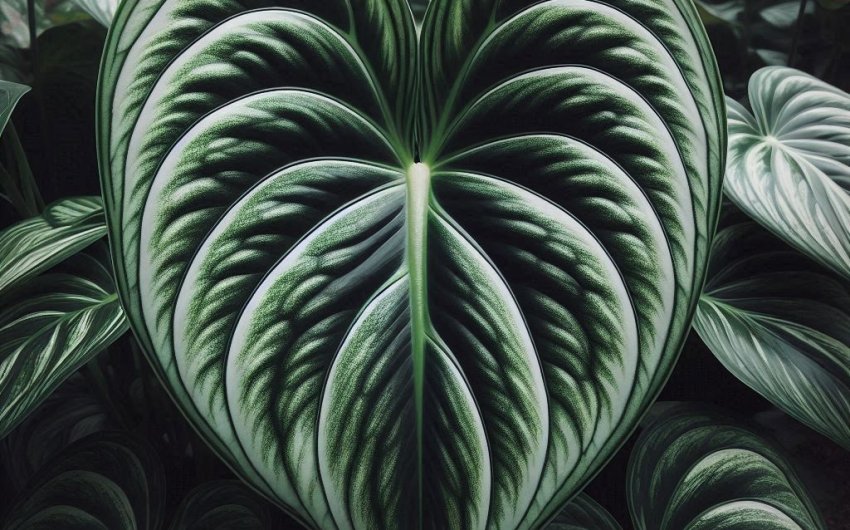
Caring for rare houseplants like Anthurium clarinervium can be an incredibly rewarding experience, transforming your indoor space with unique foliage and challenging your horticultural skills. Unlike their common counterparts, these coveted plants often demand precise environmental conditions and a nuanced approach to thrive. This guide delves into the specific needs of Anthurium clarinervium, offering detailed insights and actionable tips to help you successfully cultivate this magnificent species and other delicate botanical treasures.
What Makes Anthurium Clarinervium So Special?
Anthurium clarinervium stands out in the houseplant world for its distinctive foliage and elegant presence, making it a highly sought-after specimen among collectors. Its unique aesthetic and specific care requirements contribute to its special status.
1. Distinctive Foliage
The most striking feature of Anthurium clarinervium is its heart-shaped (cordate) leaves, characterized by a deep, velvety, almost black-green color. What truly sets them apart are the prominent, light green to silvery-white veins that create a stark, intricate, and beautiful contrast, resembling a delicate etching or mosaic pattern. These veins are deeply impressed into the leaf surface, giving it a tactile, almost quilted texture. Young leaves emerge lighter and gradually darken as they mature, intensifying the venation.
2. Epiphytic/Hemi-Epiphytic Nature
Like many Anthurium species, Anthurium clarinervium is naturally an epiphyte or hemi-epiphyte in its native habitat in southern Mexico.
- Epiphytes: Plants that grow on other plants (like trees) but are not parasitic. They absorb moisture and nutrients from the air and rain, and from debris that collects around their roots.
- Hemi-epiphytes: Start their life in the soil, then climb trees, or start on trees and then send roots down to the soil. This natural growth habit means they are accustomed to excellent air circulation around their roots, a coarser growing medium, and high humidity, which are crucial aspects to replicate in a home environment.
3. Humidity Loving
Originating from humid tropical forests, Anthurium clarinervium absolutely thrives in high humidity. This is perhaps the most critical factor distinguishing its care from more common houseplants. Consistent humidity levels (ideally 60% to 80% or higher) are essential for preventing leaf crisping, promoting healthy growth, and allowing the plant to display its full potential.
4. Compact Growth Habit
Compared to some larger Anthurium species, A. clarinervium maintains a relatively compact size, making it a more manageable specimen for indoor growing. Its leaves, while striking, remain a reasonable size, typically growing up to 6-10 inches (15-25 cm) long, allowing it to fit well on shelves or tabletops without overwhelming the space.
5. Rare and Coveted Status
Anthurium clarinervium gained "rare" status partly due to its specific environmental needs, which can be challenging to meet in average home conditions, making it less commercially cultivated than hardier plants. Its stunning appearance and relatively limited availability contribute to its high demand and often premium price in the plant market. Successfully cultivating this plant is often seen as a mark of a dedicated and skilled plant parent.
Understanding these special characteristics forms the foundation for learning how to care for rare houseplants like Anthurium clarinervium, enabling you to provide the precise conditions it needs to flourish.
What Are the Light Requirements for Anthurium Clarinervium?
Light is a critical factor for Anthurium clarinervium, influencing its growth, leaf coloration, and overall health. Providing the right intensity and duration of light is essential for nurturing this specific rare houseplant.
1. Indirect, Bright Light
Anthurium clarinervium thrives in conditions that mimic its natural habitat on the forest floor, where it receives dappled sunlight filtered through the canopy above.
- Avoid Direct Sun: Direct, unfiltered sunlight, especially harsh afternoon sun, will scorch its velvety leaves, leading to irreversible damage such as crispy brown patches or bleached-out areas. The delicate foliage is highly sensitive to intense light.
- Optimal Placement: An east-facing window is often ideal, providing gentle morning sun. A north-facing window can also work, offering consistent indirect light, though it might be too dim in some regions. If placing in a south or west-facing window, ensure it's set back several feet or heavily filtered with sheer curtains to diffuse the light.
2. Signs of Incorrect Light
Observing your plant for specific cues can help you adjust its light exposure.
- Too Much Light:
- Yellowing or Bleaching: Leaves might turn a pale green or yellowish color, losing their characteristic dark vibrancy.
- Crispy Edges/Brown Patches: Direct sun exposure will burn the leaves, causing crispy brown edges or distinct brown spots where the light hit most intensely.
- Stunted Growth: While seeming counterintuitive, too much intense light can stress the plant, leading to slow or no new growth.
- Too Little Light:
- Leggy Growth: Stems might become elongated with widely spaced leaves, as the plant stretches to find more light.
- Dull or Pale Leaves: The rich, dark green color of the leaves might fade, and the striking white veins might become less pronounced.
- Lack of New Growth: Very slow or no production of new leaves indicates insufficient energy from light.
- Small Leaves: New leaves may be smaller than previous ones.
3. Supplementing with Grow Lights (Optional but Recommended)
For consistent and optimal light conditions, especially in homes with limited natural light or during darker winter months, a grow light can be incredibly beneficial for rare houseplants like Anthurium clarinervium.
- Type: Choose an LED grow light designed for houseplants. Full-spectrum lights that mimic natural sunlight are ideal.
- Distance: Place the grow light approximately 12-18 inches (30-45 cm) above the plant's canopy. Adjust the distance based on the light's intensity and the plant's response.
- Duration: Provide 10-12 hours of light per day. Using a timer ensures consistency.
- Benefit: Grow lights ensure consistent photosynthesis, leading to stronger, more vibrant foliage and more robust growth, especially enhancing the deep color and vein contrast.
By carefully managing its light exposure, you provide Anthurium clarinervium with the energy it needs to display its striking foliage and thrive.
What Are the Watering Needs for Anthurium Clarinervium?
Watering is a delicate balance for rare houseplants like Anthurium clarinervium, as they abhor both soggy conditions and prolonged dryness. Replicating their natural preference for consistent, but not excessive, moisture is key.
1. Water When Top Soil Dries Out
Anthurium clarinervium prefers its potting medium to be consistently moist but never waterlogged.
- Feel the Soil: The most reliable method is to feel the top 1-2 inches (2.5-5 cm) of the potting mix. When it feels dry to the touch, it's time to water.
- Lift the Pot: For smaller pots, lifting the pot before and after watering can help you learn its weight difference when wet versus dry. A light pot indicates dryness.
- Moisture Meter: A soil moisture meter can provide an objective reading, aiming for a "moist" rather than "wet" reading (e.g., 3-4 on a 1-10 scale).
- Frequency: The frequency will vary depending on light, temperature, humidity, and pot size, but typically it could be every 7-14 days. Adjust as seasons change.
2. How to Water Properly
The method of watering is as important as the frequency.
- Thorough Soaking: When you do water, water thoroughly until you see excess water draining from the bottom of the pot. This ensures that all the roots get access to moisture.
- Avoid Standing Water: Never let the pot sit in standing water in a saucer, as this will lead to root rot. Empty saucers promptly after watering.
- Use Room Temperature Water: Cold water can shock the plant's roots. Use water that is at room temperature or slightly warm.
- Filtered or Distilled Water (Recommended): Anthurium clarinervium can be sensitive to chemicals found in tap water, such as chlorine, chloramine, and high mineral content (hard water). Using filtered water or distilled water can prevent mineral buildup in the soil and avoid leaf tip burn.
3. Signs of Incorrect Watering
Your plant will show clear signals if its watering needs are not being met.
- Overwatering (Too Much Water):
- Yellowing Leaves: Often starts with lower leaves turning yellow.
- Mushy Stems/Base: The base of the plant or stems might feel soft and mushy, indicating rot.
- Foul Odor: A decaying smell from the soil or roots.
- Wilting (Paradoxical): Plant may wilt despite the soil being wet, because the roots are rotting and cannot absorb water.
- Edema: Small bumps or blisters on leaves, caused by cells absorbing too much water.
- Underwatering (Not Enough Water):
- Drooping/Limp Leaves: Leaves become soft and hang downwards, losing turgor.
- Crispy Leaf Edges/Tips: Especially noticeable on the delicate leaves, they will dry out and become brittle, particularly around the margins.
- Slowed Growth: The plant appears stagnant, with no new leaves or very small ones.
- Potting Mix Pulling Away: The soil might shrink and pull away from the sides of the pot.
By mastering the art of precise watering, you'll address a crucial component of how to care for rare houseplants like Anthurium clarinervium, ensuring they receive the ideal moisture levels for robust growth.
What Soil Mix is Best for Anthurium Clarinervium?
The right potting mix is paramount for rare houseplants like Anthurium clarinervium, reflecting their epiphytic nature. A chunky, airy, and well-draining substrate is essential to prevent root rot and promote healthy root development.
1. Key Characteristics of an Ideal Mix
Anthurium clarinervium roots need plenty of air and excellent drainage, while retaining enough moisture to prevent rapid drying.
- Extremely Well-Draining: The mix must allow water to flow through quickly, preventing any waterlogging. This is the single most important factor.
- Highly Aerated: Roots require oxygen. A chunky mix creates abundant air pockets, ensuring roots don't suffocate.
- Retains Some Moisture: While draining quickly, the mix should still hold enough moisture for the roots to absorb before drying out completely.
- Mimics Natural Habitat: The ideal mix replicates the loose, porous, and organic-rich substrates found on tree bark or forest debris in their native environment.
2. Components of a Winning Mix
A homemade mix is often superior to off-the-shelf potting soil for Anthurium clarinervium. Aim for a blend that is primarily bark-based with significant aeration amendments.
- Orchid Bark (Large or Medium Grade):
- Role: This forms the bulk of the mix, providing excellent drainage and aeration. It's slow to break down.
- Percentage: 40-50% of the total mix.
- Recommendation: Use a fir bark orchid mix.
- Perlite:
- Role: Lightweight, porous volcanic rock that significantly improves drainage and aeration. It creates air pockets and prevents compaction.
- Percentage: 20-30% of the total mix.
- Recommendation: Coarse grade perlite.
- Coir (Coconut Coir Chunks or Fiber):
- Role: Provides moisture retention while still allowing good aeration. It's a sustainable alternative to peat moss. Coir chunks offer more air space than fine coir dust.
- Percentage: 15-20% of the total mix.
- Recommendation: Look for coco coir chunks or coco fiber.
- Charcoal (Horticultural Grade):
- Role: Improves drainage, adsorbs impurities, and helps prevent fungal issues.
- Percentage: 5-10% of the total mix.
- Recommendation: Horticultural charcoal.
- Sphagnum Moss (Long Fiber, Optional):
- Role: Excellent for moisture retention and can be added in small amounts if your environment is very dry.
- Percentage: 5-10%, use sparingly to avoid over-retention.
- Recommendation: Long-fiber sphagnum moss.
3. Avoiding Standard Potting Soil
Traditional all-purpose potting mixes are generally unsuitable for Anthurium clarinervium.
- Too Dense: Standard potting mixes are too heavy and dense, compacting easily and holding too much water.
- Poor Aeration: They lack the coarse components needed to provide ample air circulation around the roots.
- Root Rot Risk: Using such a mix is almost a guaranteed way to cause root rot, as the roots will sit in soggy, anaerobic conditions.
4. Tips for Potting
- Pot Size: Choose a pot that is only slightly larger than the root ball. Anthurium clarinervium prefers to be somewhat root-bound.
- Drainage Holes: Ensure the pot has ample drainage holes. Using a nursery pot inside a decorative pot is ideal for easy drainage.
- Repotting: Repot only when the plant is root-bound or the mix has begun to break down, typically every 1-2 years. Repotting stress can be minimized by selecting the right time (spring/early summer).
Providing the correct, chunky, and well-aerated soil mix is a cornerstone of how to care for rare houseplants like Anthurium clarinervium, mimicking their natural growth medium and preventing common root issues.
What Are the Humidity and Temperature Needs for Anthurium Clarinervium?
Humidity and temperature are perhaps the most critical environmental factors for rare houseplants like Anthurium clarinervium, directly mirroring their tropical rainforest origins. Failing to meet these needs is a common reason for their decline in a home environment.
1. High Humidity is Non-Negotiable
Anthurium clarinervium absolutely demands high humidity to thrive. Its velvety leaves are particularly sensitive to dry air.
- Ideal Range: Aim for consistent humidity levels between 60% and 80%, or even higher if possible. Anything below 50% for extended periods will likely lead to problems.
- Signs of Low Humidity:
- Crispy Leaf Edges or Tips: The most common and obvious sign. The delicate edges and tips of the leaves will turn brown and become brittle.
- Slow or Stunted Growth: Lack of adequate humidity hinders the plant's ability to photosynthesize efficiently and can suppress new leaf development.
- New Leaves Sticking: New leaves may struggle to unfurl, sometimes getting stuck and tearing as they try to emerge.
- How to Increase Humidity:
- Humidifier: The most effective method is to use a room humidifier near your plant. A hygrometer can help monitor levels.
- Pebble Tray: Place the pot on a saucer filled with pebbles and water. Ensure the bottom of the pot does not sit in the water. As the water evaporates, it increases humidity around the plant.
- Grouping Plants: Plants release moisture through transpiration. Grouping several humidity-loving plants together can create a small, localized microclimate with higher humidity.
- Enclosed Environments: For very high humidity, consider placing the plant in a terrarium, cloche, or a specialized grow cabinet/greenhouse. This is often the best solution for consistent high humidity.
- Misting (Limited Effectiveness): While misting might offer a very temporary spike in humidity, it's generally not sufficient to meet the sustained high humidity needs of Anthurium clarinervium. Over-misting can also lead to fungal issues if water sits on the velvety leaves for too long without adequate air circulation.
2. Warm and Stable Temperatures
Consistent warmth is crucial for this tropical species, as cold can quickly cause stress and decline.
- Ideal Range: Maintain temperatures between 65°F (18°C) and 80°F (27°C).
- Avoid Fluctuations: Sudden drops in temperature or cold drafts can shock the plant and cause leaf damage or stunted growth. Keep it away from open windows in winter, air conditioning vents, and exterior doors.
- Minimum Temperature: Do not let temperatures drop below 60°F (15°C) for extended periods. Cold stress can lead to blackening leaves, wilting, and overall decline.
- Maximum Temperature: While they appreciate warmth, avoid extreme heat above 85°F (30°C) without very high corresponding humidity, as this can dry out the plant quickly.
3. Air Circulation (Important Counterpart to Humidity)
While high humidity is vital, good air circulation prevents stagnant, overly moist conditions that can lead to fungal problems.
- Gentle Airflow: Ensure there's gentle air movement around the plant. A small, oscillating fan set on a low setting can be beneficial, especially in high-humidity environments or enclosed spaces.
- Avoid Drafts: While air circulation is good, cold or strong drafts from open windows or vents should be avoided.
By diligently managing both humidity and temperature, you provide the foundational environmental conditions for rare houseplants like Anthurium clarinervium to truly thrive and display their magnificent foliage.
What Are the Fertilizing Needs for Anthurium Clarinervium?
Fertilizing rare houseplants like Anthurium clarinervium requires a cautious and balanced approach. These plants are not heavy feeders, and over-fertilization can quickly lead to root burn and other problems. The goal is to provide consistent, gentle nutrition, especially given their porous potting medium.
1. Light and Consistent Fertilization
Anthurium clarinervium benefits from a diluted, regular feeding rather than infrequent, strong doses.
- Diluted Strength: Always dilute your chosen fertilizer to half or even quarter strength of the recommended dosage on the product label.
- Frequency: Fertilize approximately every 2-4 weeks during the active growing season (spring and summer).
- Reduce/Stop in Winter: Reduce fertilization significantly or stop entirely during the dormant months of fall and winter when light levels are lower and growth slows down. Fertilizing a dormant plant can lead to salt buildup and root damage.
- Flush the Soil: Periodically (e.g., every few months), thoroughly flush the potting mix with plain water until excess drains freely from the bottom. This helps prevent the buildup of mineral salts from fertilizer, which can accumulate in the porous mix and burn roots.
2. Type of Fertilizer
Choose a balanced, complete fertilizer with a focus on plant-friendly forms of nutrients.
- Balanced NPK: Look for a balanced liquid fertilizer with an NPK ratio where the numbers are relatively similar (e.g., 5-5-5, 7-9-5, or similar). NPK stands for Nitrogen (for leafy growth), Phosphorus (for roots and flowers), and Potassium (for overall plant health).
- Trace Elements: Ensure the fertilizer also contains essential micronutrients and trace elements, as these are crucial for healthy plant development.
- Slow-Release Options (with caution): While some gardeners use slow-release granular fertilizers, they can be tricky in very airy mixes and can lead to uneven release. Liquid fertilizers generally offer more control for Anthurium clarinervium.
- Avoid Urea-Based Nitrogen: Some sources suggest avoiding urea-based nitrogen if possible, as it requires microbial conversion in the soil which might be less efficient in a very porous, bark-heavy mix. Look for nitrate or ammoniacal forms of nitrogen.
- Organic Fertilizers (with caution): Organic liquid fertilizers like fish emulsion can be good, but they can sometimes leave a lingering odor or attract pests. Be mindful of their dilution and application.
3. Signs of Fertilization Issues
Monitor your plant for signs that indicate either too much or too little fertilizer.
- Over-fertilization:
- Crispy, Brown Leaf Tips/Edges: A common symptom of salt burn.
- Wilting/Drooping (despite adequate water): Roots are damaged and cannot absorb water.
- Stunted Growth: Paradoxically, too much fertilizer can inhibit growth.
- White Crust on Soil Surface: Mineral salt buildup.
- Under-fertilization:
- Pale or Yellowing Leaves (Chlorosis): Especially older leaves, due to nutrient deficiency (often nitrogen).
- Stunted Growth: Overall slow or minimal new growth.
- Small New Leaves: New leaves are noticeably smaller than mature ones.
- Lack of Vibrancy: The characteristic dark green and strong venation might appear dull.
By providing light, consistent feeding and regularly flushing the soil, you can effectively manage the fertilizing needs of rare houseplants like Anthurium clarinervium, ensuring they receive the necessary nutrients without overwhelming their delicate root systems.
What Are Common Pests and Diseases of Anthurium Clarinervium?
Even with meticulous care, rare houseplants like Anthurium clarinervium can occasionally fall victim to common houseplant pests and diseases. Early detection and prompt treatment are key to protecting these sensitive plants.
1. Common Pests
Due to their preference for high humidity, some pests are less common, but others can still pose a threat, especially if conditions are less than ideal.
- Spider Mites:
- Signs: Tiny red, brown, or black dots on the undersides of leaves, fine webbing (especially in leaf axils or on new growth), stippling (tiny yellow or white dots) on leaves where they feed.
- Why They Appear: Often appear in dry, low-humidity conditions.
- Treatment: Increase humidity, thoroughly spray the plant with water (especially undersides of leaves), or use an insecticidal soap or neem oil spray. Repeat treatment regularly.
- Mealybugs:
- Signs: Small, white, cottony masses found in leaf axils, on stems, or on the undersides of leaves. They excrete sticky "honeydew" which can lead to sooty mold.
- Treatment: Dab individual mealybugs with a cotton swab dipped in rubbing alcohol. For heavier infestations, spray with insecticidal soap or neem oil.
- Scale Insects:
- Signs: Small, hard, brown or black bumps on stems and leaf undersides. They don't move. Also excrete sticky honeydew.
- Treatment: Scrape off individual scale insects with a fingernail or credit card. For widespread infestations, use insecticidal soap or neem oil, ensuring thorough coverage as their hard shells make them resistant.
- Thrips:
- Signs: Tiny, slender insects that can be black, brown, or yellowish. Silvering or streaking on leaves, distorted new growth, and tiny black dots of excrement.
- Treatment: Use insecticidal soap or neem oil. Sticky traps can help monitor populations.
- Fungus Gnats:
- Signs: Small, black, mosquito-like flies hovering around the soil surface. Larvae (tiny white worms) can sometimes feed on delicate roots.
- Why They Appear: Sign of consistently overly moist topsoil.
- Treatment: Allow the top few inches of soil to dry out completely between waterings. Use yellow sticky traps to catch adults. Bti (Bacillus thuringiensis israelensis) dunks in water can kill larvae.
2. Common Diseases
Fungal issues are the primary disease concern for Anthurium clarinervium, largely due to improper watering and air circulation.
- Root Rot:
- Signs: Yellowing, wilting leaves (despite wet soil), mushy stems, foul smell from the soil, black or brown roots when repotting (healthy roots are white/tan).
- Cause: Overwatering and poor drainage in the potting mix.
- Treatment: Act quickly. Remove the plant from the pot, gently remove all old soil, trim away all mushy, black, or smelly roots with sterile scissors. Repot into a fresh, very well-draining aroid mix in a clean pot (or slightly smaller pot if root mass is reduced). Adjust watering habits.
- Fungal Leaf Spots:
- Signs: Brown or black spots with yellow halos on leaves, often spreading.
- Cause: High humidity combined with poor air circulation, or water sitting on leaves for too long.
- Treatment: Remove affected leaves. Improve air circulation. Avoid misting the velvety leaves directly or ensure they dry quickly. Apply a fungicide spray if severe.
- Bacterial Blight:
- Signs: Water-soaked lesions on leaves, often starting at the margins, turning brown or black. Can have a greasy appearance.
- Cause: Often spread by water splashing from infected plants.
- Treatment: Remove affected leaves and destroy them. Isolate the plant. Avoid overhead watering. There are no effective home remedies; severe cases may require discarding the plant to prevent spread.
3. General Prevention Tips
- Quarantine New Plants: Always isolate new plants for a few weeks to ensure they are pest and disease-free before introducing them to your collection.
- Regular Inspection: Routinely check your plant, especially the undersides of leaves and stems, for any signs of pests or disease.
- Good Air Circulation: Ensure consistent, gentle airflow around the plant, especially in high-humidity setups.
- Proper Watering: Avoid overwatering, as it's the leading cause of root rot.
- Clean Tools: Sterilize pruning shears with rubbing alcohol before and after each use to prevent disease spread.
By staying vigilant and implementing prompt, appropriate treatments, you can protect your beautiful rare houseplants like Anthurium clarinervium from common adversaries and maintain their pristine health.