
How Do I Care for a Dwarf Banana Plant Indoors?
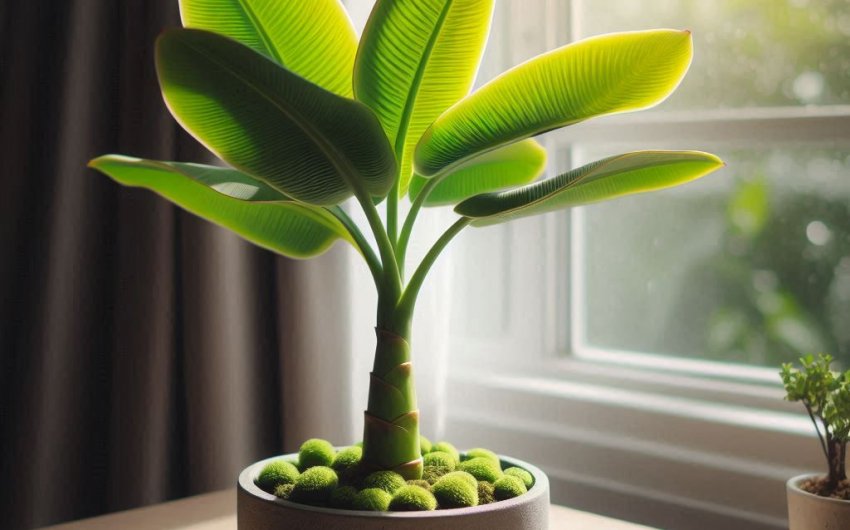
Bringing a touch of the tropics indoors is an exciting prospect for many plant enthusiasts, often leading to the question, "How do I care for a dwarf banana plant indoors?" While these exotic beauties might seem challenging, cultivating a miniature banana tree indoors is entirely achievable with the right knowledge and consistent care. Providing optimal light, humidity, water, and nutrients tailored to their specific needs ensures these vibrant plants not only thrive as lush foliage but may even surprise you with their own homegrown, albeit small, fruit. It's a rewarding venture that transforms any indoor space into a mini tropical oasis.
Why choose a dwarf banana plant for indoor growing?
While full-sized banana trees can grow up to 25 feet tall and are suited only for tropical outdoor climates, dwarf banana plants offer a fascinating opportunity to cultivate these exotic beauties indoors. Choosing a miniature variety is essential for any indoor grower, as it makes the dream of homegrown bananas a realistic possibility, even in a small living space. They bring a touch of the tropics without overwhelming your home.
Dwarf varieties are specifically bred or naturally occur in sizes that are much more manageable for container growing. They typically range from 4 to 10 feet tall at maturity, making them suitable for bright rooms, sunrooms, or even large patio containers that can be moved indoors for winter. Their compact size allows them to fit comfortably within standard ceiling heights, making them a practical and beautiful addition to an indoor plant collection.
What are the main characteristics of dwarf banana plants?
- Compact Size: This is their defining characteristic. Unlike their towering cousins, dwarf banana plants are bred to remain at a manageable height, usually between 4-10 feet at maturity, making them suitable for indoor spaces. Popular dwarf varieties include 'Super Dwarf Cavendish' (often 4-6 ft), 'Dwarf Cavendish' (6-10 ft), 'Truly Tiny' (2-3 ft), and 'Double Mahoi'. These names refer to their mature pseudostem (trunk-like stem) height.
- Foliage: They possess the iconic large, paddle-shaped leaves of regular bananas, bringing a dramatic, tropical aesthetic to any room. The leaves can range from bright green to variegated, sometimes with reddish or purplish markings on the undersides or midribs.
- Fruiting Potential: Many dwarf varieties are capable of producing fruit indoors, though the yield will be smaller and the bananas themselves miniature. Fruiting usually occurs after 2-3 years of optimal care. The bananas are typically sweet and edible.
- Rapid Growth: Banana plants are incredibly fast growers. With optimal conditions, you can see new leaves unfurl every week or two, which is very satisfying for a plant owner.
- Rhizomatous Growth: Banana plants grow from an underground stem called a rhizome. They produce "pups" or "suckers" (new shoots) from the base, which can be separated to propagate new plants.
Why is indoor growing beneficial for dwarf bananas?
- Climate Control: Indoor environments allow you to precisely control the temperature and humidity, which are crucial for tropical plants like bananas. This protects them from cold drafts, frosts, and extreme temperature fluctuations common outdoors in non-tropical climates.
- Pest Management: While indoor plants can still get pests, the controlled environment often reduces exposure to outdoor pests, making management easier.
- Year-Round Growth: With adequate artificial light, you can encourage year-round growth and potentially even fruiting, regardless of outdoor seasons.
- Aesthetic Appeal: A dwarf banana plant is a stunning focal point, bringing a unique tropical ambiance and lush greenery to any room. It can transform a mundane space into an exotic retreat.
Choosing a dwarf banana plant and providing it with the right indoor conditions allows you to enjoy the exotic beauty and unique experience of growing your own bananas, even if you live far from the tropics.
What are the ideal light and temperature conditions for dwarf bananas?
Providing the correct light and temperature conditions is paramount for successful indoor cultivation of a dwarf banana plant. As tropical natives, these plants crave warmth and abundant illumination. Suboptimal conditions in either area will lead to stunted growth, pale foliage, and a significantly reduced chance of flowering or fruiting. Replicating their natural environment is key to keeping them thriving indoors.
Bananas are sun-worshippers, and their rapid growth demands a high energy input from light. They also need consistent warmth to maintain their vigorous metabolism.
How much light does a dwarf banana plant need?
Dwarf banana plants require an abundance of bright, direct sunlight when grown indoors. This is one area where they differ from many other common houseplants that prefer indirect light.
- Minimum Sunlight: Aim for at least 6-8 hours of direct sunlight per day. More is better.
- Ideal Window Placement: The best indoor spot for a dwarf banana plant is a south-facing window (in the Northern Hemisphere) that receives unfiltered direct sunlight for most of the day. A very bright west-facing window can also work, but be mindful of intense afternoon heat. East-facing windows provide morning sun, which might be sufficient but usually less intense than south. North-facing windows are almost always too dim.
- Supplemental Grow Lights: In areas with limited natural light, during winter months, or for faster growth and fruiting, supplemental grow lights are highly recommended.
- Type: Use powerful, full-spectrum LED grow lights designed for high-light plants. Aim for lights that can deliver sufficient Photosynthetic Photon Flux Density (PPFD) for fruiting plants.
- Duration: Provide 12-16 hours of artificial light per day, controlled by a digital timer.
- Distance: Follow the manufacturer's recommendations for light distance, but generally, powerful LEDs will need to be 12-24 inches from the top of the plant.
- Rotation: Rotate the plant occasionally to ensure even light exposure on all sides, preventing it from leaning excessively towards the light source.
Insufficient light will cause new leaves to be smaller and paler, growth to slow dramatically, and the plant will eventually decline without enough energy.
What are the ideal temperature ranges?
Dwarf banana plants are truly tropical and prefer consistently warm temperatures.
- Daytime Temperature: Ideal daytime temperatures range from 75-85°F (24-29°C).
- Nighttime Temperature: Nighttime temperatures should ideally not drop below 60-65°F (16-18°C).
- Avoid Cold Drafts: Banana plants are very sensitive to cold. Keep them away from drafty windows, air conditioning vents, or exterior doors that frequently open. Sudden temperature drops can cause leaf yellowing, browning, and even shock the plant.
- Optimal Growth Temperature: The warmer the temperature within their ideal range, the faster they will grow, provided other conditions (light, water, nutrients) are met. Growth will slow significantly below 60°F.
- Winter Considerations: During winter, if your home temperatures drop significantly, a space heater can help maintain warmth around the plant, especially if it's near a window that gets chilly at night.
Providing abundant bright light and consistently warm temperatures are the foundational elements for successful indoor dwarf banana plant care, unlocking their potential for lush foliage and even fruit production.
How do I manage watering and humidity for indoor dwarf bananas?
Mastering watering and humidity is critical for a thriving dwarf banana plant indoors, as these tropical natives demand consistent moisture both in their soil and in the air. Mismatched watering habits or insufficient humidity are common causes of stress, leading to unsightly leaf browning, stunted growth, and an unhappy plant. The key is to mimic their natural humid, moist environment while preventing waterlogging.
Bananas are notoriously thirsty and love humid air, making their care different from many drought-tolerant houseplants.
What is the proper watering technique?
Dwarf banana plants are heavy drinkers, especially during their active growing season (spring and summer) when they receive ample light and warmth.
- Consistent Moisture: The potting mix should be kept consistently moist but never soggy. Banana plants do not like to dry out completely, nor do their roots like to sit in standing water.
- Check Soil Daily: During warm, bright periods, you may need to check the soil moisture daily. Stick your finger 2-3 inches deep into the soil. If it feels dry, it's time to water. A soil moisture meter can also be very helpful.
- Deep Watering: When you water, do so thoroughly until water drains out of the bottom of the pot. This ensures the entire root ball is saturated. Discard any excess water that collects in the saucer to prevent root rot.
- Reduce in Winter/Low Light: During cooler, darker winter months or if the plant is receiving less light, its water needs will significantly decrease. Adjust your watering frequency accordingly, allowing the top few inches of soil to dry out before rewatering. Overwatering in low light is a common killer.
- Water Quality: If your tap water is heavily chlorinated, let it sit out for 24 hours to allow the chlorine to dissipate. Banana plants can be sensitive to high salt content in water.
- Porous Potting Mix: Use a well-draining potting mix specifically designed for tropical plants or houseplants, which allows for good aeration and drainage.
Why is high humidity essential?
Banana plants originate from rainforest environments, where humidity levels are naturally very high. Indoor household air, especially in heated homes during winter, is often too dry for them, leading to crispy leaf edges and tips.
- Symptoms of Low Humidity: Brown, crispy leaf edges or tips, especially on newer leaves. The leaves may also appear dull or less vibrant.
- Methods to Increase Humidity:
- Humidifier: The most effective way to consistently provide high humidity is to place a room humidifier near the plant. Aim for 50-70% humidity.
- Pebble Tray: Place the plant's pot on a tray filled with pebbles and water (plant humidity pebble tray). As the water evaporates from the tray, it creates a localized zone of higher humidity around the plant. Ensure the bottom of the pot does not sit in the water.
- Grouping Plants: Grouping several plants together can slightly increase local humidity as they collectively release moisture through transpiration.
- Misting (Supplemental, Not Sufficient Alone): While misting the leaves with water can provide a temporary humidity boost, it's generally not sufficient alone for a humidity-loving plant like a banana. It can also encourage fungal issues if leaves stay wet for too long, especially in low airflow. If you do mist, use distilled water to prevent mineral spots on leaves.
- Bathroom/Kitchen Placement: If you have a bright bathroom or kitchen, the naturally higher humidity in these rooms can be beneficial.
By meticulously managing watering to maintain consistent soil moisture and actively increasing ambient humidity, you'll replicate the crucial environmental conditions a dwarf banana plant needs to thrive and display its lush, tropical beauty indoors.
What about fertilizing and repotting for vigorous growth?
For a dwarf banana plant indoors to achieve vigorous growth and potentially produce fruit, consistent fertilizing and proper repotting are absolutely essential. These plants are fast growers and heavy feeders, quickly depleting nutrients from their limited potting mix. A well-planned feeding schedule and timely upgrades to larger pots provide the necessary resources and space for their extensive root systems to thrive.
Without adequate nutrition and room to grow, a banana plant will quickly become stunted, its leaves will yellow, and it will lose its tropical vigor.
What are the fertilizing requirements?
Dwarf banana plants are exceptionally heavy feeders due to their rapid growth rate. They require a steady supply of nutrients, especially during their active growing season.
- Balanced Fertilizer: Use a balanced liquid fertilizer with a roughly equal N-P-K (Nitrogen-Phosphorus-Potassium) ratio (e.g., 8-8-8, 10-10-10) for general growth. Once the plant nears maturity or begins to flower/fruit, switch to a fertilizer higher in potassium (K) and phosphorus (P) to support bloom and fruit development (e.g., a 3-1-6 or 2-1-4 ratio). A good liquid tropical plant food is often suitable.
- Frequency: During the active growing season (spring and summer), fertilize frequently, often every 1-2 weeks at half strength, or every 2-4 weeks at full strength. Always follow the product's instructions. Banana plants appreciate consistent, low-dose feeding rather than infrequent, heavy doses.
- Winter Reduction: Reduce or stop fertilizing during the cooler, darker winter months when growth naturally slows down. Resume in spring as new growth appears.
- Micronutrients: Ensure your chosen fertilizer includes essential micronutrients like magnesium, manganese, iron, and boron, which are crucial for overall banana plant health and preventing specific deficiencies (e.g., yellowing between veins can indicate iron deficiency). Many quality hydroponic nutrients are also suitable for potted plants due to their complete nutrient profile.
- Flushing: Periodically (e.g., once a month), flush the pot thoroughly with plain water until excess water drains out. This helps remove any accumulated salt residues from fertilizers that can harm roots.
When and how should I repot my dwarf banana?
Dwarf banana plants grow quickly and are heavy feeders, which means they outgrow their pots relatively fast. Timely repotting is essential to provide new nutrients and room for their expanding root system.
- Signs of Being Root-Bound:
- Water runs straight through the pot without soaking in.
- Roots are visible growing out of the drainage holes.
- Growth slows significantly despite adequate light and fertilizer.
- The plant becomes top-heavy and unstable.
- Root-bound plant symptoms are common.
- Frequency: Expect to repot your dwarf banana plant every 6-12 months for young, actively growing plants. Larger, more mature plants might need repotting every 1-2 years.
- Pot Size: When repotting, move up to a pot that is only 2-4 inches larger in diameter than the current one. Don't jump to a much larger pot, as too much excess soil can retain too much moisture and lead to root rot. Choose a pot with drainage holes.
- Potting Mix: Use a high-quality, well-draining potting mix that is rich in organic matter. A mix designed for tropical plants or a general houseplant mix amended with extra perlite or coco coir for better drainage and aeration is ideal.
- Repotting Process:
- Gently remove the plant from its old pot. Loosen any circling roots at the bottom.
- Place a layer of fresh potting mix at the bottom of the new pot.
- Center the plant, ensuring the top of the root ball is at the same level as, or slightly below, the rim of the new pot.
- Fill around the root ball with more fresh potting mix, gently tamping it down to remove large air pockets.
- Water thoroughly until water drains from the bottom.
By providing consistent and appropriate fertilization, along with timely repotting, you give your dwarf banana plant the fuel and space it needs to grow vigorously, ensuring its health and maximizing its potential to add a stunning tropical touch and even fresh, homegrown fruit to your indoor oasis.
What about pruning, propagation, and common problems for dwarf bananas?
Beyond the core care elements, understanding pruning, propagation, and common problems unique to dwarf banana plants indoors helps ensure their long-term health and productivity. These practices address maintenance needs, expand your collection, and provide solutions for troubleshooting issues, making your indoor banana gardening experience even more rewarding.
From managing their growth habit to dealing with pests, a proactive approach keeps these tropical beauties thriving.
How do I prune a dwarf banana plant?
Pruning a dwarf banana plant is mostly about managing its size, promoting healthy growth, and separating "pups."
- Leaf Removal: Remove any yellowing, browning, torn, or damaged leaves. Snip them off at the base of the pseudostem with sharp, clean pruning shears. This tidies the plant, prevents disease, and directs energy to healthier leaves.
- Sucker (Pup) Removal: Banana plants grow from rhizomes and produce "pups" (new shoots or suckers) from the base.
- For Fruiting: If your goal is to get fruit from the main stem, allow only 1-2 strong suckers to grow alongside the main plant. Remove excess suckers when they are 6-12 inches tall to ensure the main plant gets enough energy to fruit.
- For Foliage/Propagation: If you're growing for foliage or want to propagate, you can allow more suckers to grow or remove them for new plants.
- How to Remove: Cut the sucker off cleanly at its base with a sharp knife or spade, separating it from the main rhizome.
- After Fruiting: A banana pseudostem will only fruit once. After it has produced a bunch of bananas and they are harvested, the main stem will begin to die back. You should cut this "mother" plant down to the ground. Allow a new, healthy pup to take over as the next main fruiting stem.
How can I propagate dwarf banana plants?
Dwarf banana plants are typically propagated through their suckers (pups), making it easy to expand your collection or share with friends.
- Timing: The best time to remove a pup for propagation is when it is about 1-2 feet tall and has developed its own small root system, separate from the mother plant.
- Method:
- Use a sharp, sterile spade or knife (garden spade sharp) to cut the rhizome connecting the pup to the mother plant. Ensure the pup has some roots attached.
- Carefully dig up the pup, trying to preserve as many roots as possible.
- Plant the pup in a new pot with well-draining potting mix, at the same depth it was growing.
- Water thoroughly and place it in a warm, bright location. Keep the soil consistently moist while it establishes.
- Benefits: This is a reliable and quick way to get new banana plants without waiting for seeds.
What are common problems and solutions?
Even with ideal care, dwarf banana plants can encounter issues.
- Brown/Crispy Leaf Edges/Tips:
- Cause: Most commonly low humidity, but can also be underwatering, too much fertilizer salt buildup, or fluoride in water.
- Solution: Increase humidity (humidifier, pebble tray), check watering frequency, flush soil to remove salt buildup, or use distilled/filtered water if tap water is high in fluoride.
- Yellowing Leaves:
- Cause: Can be normal for older, lower leaves as the plant grows. Otherwise, it indicates underwatering, overwatering (root rot), or nutrient deficiency (especially nitrogen or iron).
- Solution: Check soil moisture, adjust watering, ensure good drainage, assess fertilizer schedule, or consider an iron supplement if yellowing is between veins (liquid iron for plants).
- Stunted Growth/Pale Leaves:
- Cause: Almost always insufficient light or lack of nutrients.
- Solution: Move to a brighter location, add supplemental grow lights, and increase fertilizer frequency/strength during the growing season.
- Pests: Common indoor banana pests include spider mites, mealybugs, and fungus gnats.
- Symptoms: Spider mites (fine webbing, tiny dots), mealybugs (fuzzy white cottony masses), fungus gnats (small flying insects around soil).
- Solution: Inspect regularly. Treat with neem oil spray, insecticidal soap, or horticultural oil. For fungus gnats, let the soil dry out more between waterings and use sticky traps.
- Lack of Fruiting:
- Cause: Insufficient light is the most common reason. Plants need very strong light to produce the energy for flowering and fruiting. Age of the plant (usually 2-3 years) and consistent optimal conditions are also factors.
- Solution: Maximize light exposure (powerful grow lights), ensure consistent warmth, and provide high potassium/phosphorus fertilizer once the plant is mature.
By staying proactive with pruning, leveraging their natural propagation, and understanding how to troubleshoot common issues, you can confidently care for your dwarf banana plant indoors, ensuring it remains a vibrant, fruitful, and exotic centerpiece in your home.