
What Are the Best Growing Conditions for Ferns in Low Humidity Environments?
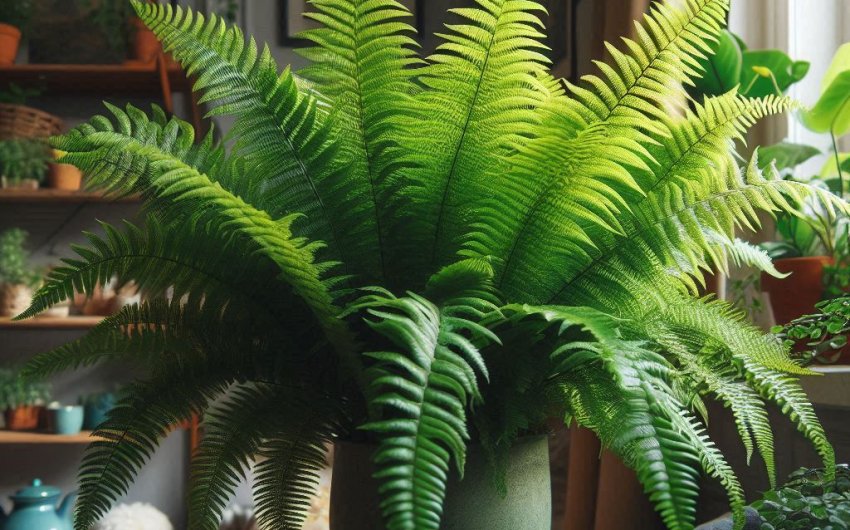
Creating the ideal environment for ferns, especially in homes where the air tends to be dry, presents a unique challenge for plant enthusiasts. Many popular fern varieties naturally thrive in humid, forest-like settings, making it tricky to keep them vibrant indoors when moisture levels are low. However, with strategic care and a deeper understanding of their specific needs, it is entirely possible to cultivate flourishing ferns even in less-than-ideal atmospheric conditions. This guide delves into the best growing conditions for ferns in low humidity environments, offering practical tips and plant selections that can withstand drier air.
Why Do Ferns Struggle in Low Humidity?
Understanding why ferns decline in dry air is the first step toward successful cultivation. Most ferns originate from tropical or subtropical regions where the air is naturally moist. Their delicate fronds are adapted to absorb moisture from the surrounding atmosphere, and when this moisture is scarce, they react negatively.
Transpiration and Moisture Loss
Plants constantly release water vapor into the air through a process called transpiration, primarily through tiny pores on their leaves called stomata. In high humidity, this process slows down, allowing the plant to retain more water. In low humidity, however, transpiration speeds up dramatically, causing the fern to lose water faster than its roots can absorb it. This rapid moisture loss leads to the characteristic browning and crisping of frond tips and edges, a common sign that a fern is struggling in dry air.
Delicate Fronds and Air Circulation
Fern fronds are typically thin and delicate compared to the thick, waxy leaves of drought-tolerant plants. This delicate structure means they are more vulnerable to drying out. While good air circulation is generally beneficial for plants to prevent fungal issues, excessive air movement in a low-humidity environment can exacerbate moisture loss for ferns.
Which Fern Varieties Are More Tolerant of Dry Air?
While most ferns prefer high humidity, some species are naturally more resilient and can adapt better to drier indoor conditions. Choosing these low-humidity tolerant ferns is a crucial starting point for anyone looking to grow ferns successfully in less humid homes. These varieties offer a greater chance of success for beginners or those living in drier climates.
Boston Fern (Nephrolepis exaltata 'Bostoniensis')
Though often associated with humidity, the Boston Fern is one of the more adaptable ferns and can tolerate slightly lower humidity levels compared to its more sensitive relatives. It still prefers moisture but can cope better with fluctuations. The Kimberly Queen Fern, a type of Boston Fern, is particularly hardy. Providing consistent soil moisture and avoiding direct drafts will greatly assist its growth in drier conditions.
Asparagus Fern (Asparagus setaceus)
Despite its name, the Asparagus Fern is not a true fern but a member of the lily family. However, it has a fern-like appearance and is significantly more drought-tolerant than genuine ferns. Its needle-like leaves are more efficient at retaining moisture. A delicate Asparagus Fern Plant is a good choice for beginners in dry homes. It thrives in bright, indirect light and can forgive occasional missed waterings.
Maidenhair Fern (Adiantum capillus-veneris)
This beautiful fern with its delicate, airy fronds is notoriously finicky about humidity. While generally not recommended for low-humidity environments, some success can be had if it's placed in a terrarium or consistently provided with supplemental humidity. If you are determined to grow a Maidenhair Fern, be prepared to commit to its specific moisture needs.
Birds Nest Fern (Asplenium nidus)
The Bird's Nest Fern has broad, undivided leaves that emerge from a central rosette, giving it a unique look. It is more tolerant of lower humidity than many other ferns, although it still appreciates some moisture. Its robust leaves are less prone to drying out at the tips. A vibrant Bird's Nest Fern Plant adds a lush, tropical feel.
Rabbit's Foot Fern (Davallia fejeensis)
Known for its furry, creeping rhizomes that resemble rabbit's feet, this fern is relatively forgiving regarding humidity. It can tolerate a range of conditions and is less prone to crispy fronds than more delicate varieties. The unusual rhizomes also add a unique visual appeal. A Rabbit's Foot Fern is a great conversation starter and an easier fern to care for.
What Are the Best Watering Practices for Ferns in Dry Air?
In a low-humidity setting, watering becomes even more critical for ferns. The goal is to keep the soil consistently moist but never soggy, providing the roots with a steady supply of water to counteract the increased transpiration from the leaves. Mastering the correct watering technique is essential for the best growing conditions for ferns in low humidity environments.
Consistent Moisture, Not Sogginess
Ferns despise drying out completely and also hate sitting in waterlogged soil. The ideal approach is to water thoroughly when the top inch or two of soil feels just slightly damp. Allow excess water to drain completely from the bottom of the pot. Never let the pot sit in standing water. A helpful tool is a Soil Moisture Meter to accurately gauge soil moisture levels.
Use Distilled or Rainwater
Ferns can be sensitive to the chemicals, like chlorine and fluoride, found in tap water. These chemicals can build up in the soil over time and cause brown tips on the fronds. Using distilled water or collected rainwater can make a significant difference in the health and appearance of your fern. For convenience, consider a Water Distiller or a Rain Barrel for outdoor collection.
Bottom Watering Method
For delicate ferns, bottom watering can be highly effective. Place the potted fern in a tray or sink filled with a few inches of water. Allow the plant to soak up water from the drainage holes until the top of the soil becomes moist. This method ensures thorough saturation without over-compacting the soil or wetting the crown of the plant, which can lead to rot.
Grouping Plants Together
One simple way to create a localized humid microclimate is to group several plants together. As plants transpire, they collectively release moisture into the air around them, increasing the overall humidity in their immediate vicinity. This is an effective and natural strategy for supporting the best growing conditions for ferns in low humidity environments.
How Can I Increase Humidity Around My Ferns?
Since ambient humidity is often insufficient for most ferns in a typical home, providing supplemental moisture is crucial. Several methods can effectively raise localized humidity, creating a more suitable environment for these moisture-loving plants. Implementing these strategies is key to achieving the best growing conditions for ferns in low humidity environments.
Use a Pebble Tray
A pebble tray is a simple yet effective way to increase humidity around a single plant or a small group. Fill a shallow tray with pebbles and add water until it reaches just below the top of the pebbles. Place the potted fern on top of the pebbles, ensuring the bottom of the pot does not sit directly in the water. As the water evaporates, it creates a more humid microclimate around the plant. You can purchase Decorative Pebbles for Plants for this purpose.
Employ a Humidifier
For a more significant and consistent increase in humidity, especially during dry winter months, a room humidifier is the most effective solution. Place the humidifier near your ferns, but not so close that the leaves get constantly wet, which can lead to fungal issues. A Humidifier for Plants with an adjustable mist output is ideal. Aim for a humidity level of 50-60% for most ferns.
Mist Regularly
While misting alone isn't a long-term solution for increasing ambient humidity, it can offer temporary relief and help clean the fronds. Use a fine misting bottle and mist your ferns once or twice daily, especially in the morning. Ensure good air circulation to prevent water from sitting on leaves for too long. A high-quality Plant Mister Bottle will produce a fine, even spray.
Place in a Terrarium or Cloche
For very humidity-sensitive ferns like the Maidenhair Fern, enclosing them in a terrarium or under a glass cloche creates a self-contained, high-humidity environment. This method is excellent for providing the precise conditions needed for delicate varieties. A beautiful Glass Terrarium can also be a stunning decorative piece. Ensure the terrarium has some ventilation to prevent stagnation.
Consider a Plant Cabinet
A dedicated plant cabinet or grow tent can offer a controlled environment for multiple humidity-loving plants, including ferns. These cabinets can be equipped with humidifiers, grow lights, and fans to maintain optimal conditions, providing the best growing conditions for ferns in low humidity environments on a larger scale.
What Kind of Light and Temperature Do Ferns Need in Dry Air?
While humidity is paramount, light and temperature also play significant roles in the overall health of ferns, especially when the air is dry. Providing the correct balance ensures the plant isn't stressed by other environmental factors, allowing it to better cope with lower moisture levels.
Indirect, Consistent Light
Most ferns prefer bright, indirect light. Direct sunlight, especially harsh afternoon sun, can scorch their delicate fronds and dramatically increase moisture loss through transpiration. Place your ferns near a north-facing window, or a few feet away from an east or west-facing window. If natural light is insufficient, consider a Grow Light for Indoor Plants with a diffuse light spectrum.
Stable Temperatures
Ferns generally prefer consistent, moderate temperatures, typically between 60°F and 75°F (15°C to 24°C). Avoid placing them near drafts from open windows, heating vents, or air conditioning units, as rapid temperature fluctuations can stress the plant and increase moisture loss. Extreme heat can also exacerbate drying out.
Avoid Drafts and Vents
Dry, warm air from heating vents or cold drafts from windows can rapidly dehydrate fern fronds. Position your ferns away from these areas to protect them from sudden changes in temperature and air movement.
How Important is Potting Mix and Fertilizing for Ferns in Dry Air?
The soil mix and nutrient supply contribute significantly to a fern's ability to absorb and retain water, which is crucial when the surrounding air is dry. A well-chosen potting medium and a thoughtful fertilizing regimen support strong root health and overall plant vigor, which are key to maintaining the best growing conditions for ferns in low humidity environments.
Well-Draining, Moisture-Retentive Potting Mix
The ideal potting mix for ferns should be both well-draining and moisture-retentive. This sounds contradictory but means it should allow excess water to flow through while retaining enough moisture for the roots to access. A mix containing peat moss, perlite, and a bit of compost or bark works well. Avoid heavy garden soil that compacts easily. A Fern Potting Mix specifically designed for their needs is often a good starting point.
Proper Potting and Repotting
Choose a pot that is just slightly larger than the root ball. Over-potting can lead to the soil staying wet for too long, increasing the risk of root rot. Repot ferns only when they become root-bound, typically every 1-2 years in spring. When repotting, always use fresh potting mix.
Light Fertilization
Ferns are generally not heavy feeders. During their active growing season (spring and summer), fertilize them monthly with a diluted liquid fertilizer. Use a balanced fertilizer, like Schultz Liquid Plant Food, diluted to half or even quarter strength to avoid burning the delicate roots. Reduce or stop fertilizing during fall and winter when growth slows.
Monitor pH Levels
Most ferns prefer slightly acidic to neutral soil (pH 6.0-7.0). If your water is very alkaline, it can affect the soil pH over time. Using distilled or rainwater can help maintain the ideal pH. A Soil pH Tester can help you monitor this.
What Are Common Problems and Solutions for Ferns in Low Humidity?
Even with the best intentions, ferns in dry environments can present challenges. Recognizing the symptoms of distress and knowing how to address them quickly can save your plant and ensure it continues to thrive. Being proactive about these issues is crucial for maintaining the best growing conditions for ferns in low humidity environments.
Brown, Crispy Frond Tips
This is the most common symptom of insufficient humidity. The fronds dry out from the tips inwards.
- Solution: Increase humidity immediately using a humidifier, pebble tray, or by grouping plants. Ensure consistent watering to keep the soil moist.
Yellowing Fronds
Yellowing fronds can indicate overwatering, underwatering, or nutrient deficiency.
- Solution: Check soil moisture. If soggy, allow to dry out more between waterings. If dry, water more frequently. If neither, consider a light dose of diluted fertilizer during the growing season. Ensure proper drainage.
Drooping or Wilting Fronds
This usually signals underwatering.
- Solution: Water thoroughly immediately. The plant should perk up within a few hours. If it remains droopy, check for root rot from previous overwatering.
Pests (Spider Mites, Fungus Gnats)
Stressed plants in less-than-ideal conditions are more susceptible to pests. Spider mites thrive in dry conditions.
- Solution: Regularly inspect your ferns. For spider mites, increase humidity, wipe down fronds with a damp cloth, and use an insecticidal soap like Safer Brand Insecticidal Soap. For fungus gnats, reduce watering frequency and allow the top soil to dry out between waterings.
Stunted Growth
If your fern isn't growing much, it could be due to insufficient light, nutrients, or ongoing stress from low humidity.
- Solution: Evaluate light conditions and adjust if necessary. Consider a light fertilization during the growing season. Most importantly, ensure humidity levels are adequate.
By selecting appropriate fern varieties and diligently applying these cultivation strategies, anyone can successfully create the best growing conditions for ferns in low humidity environments, transforming their living spaces with lush, verdant foliage.