
How Do I Care for a Rhipsalis (Mistletoe Cactus) Indoors?
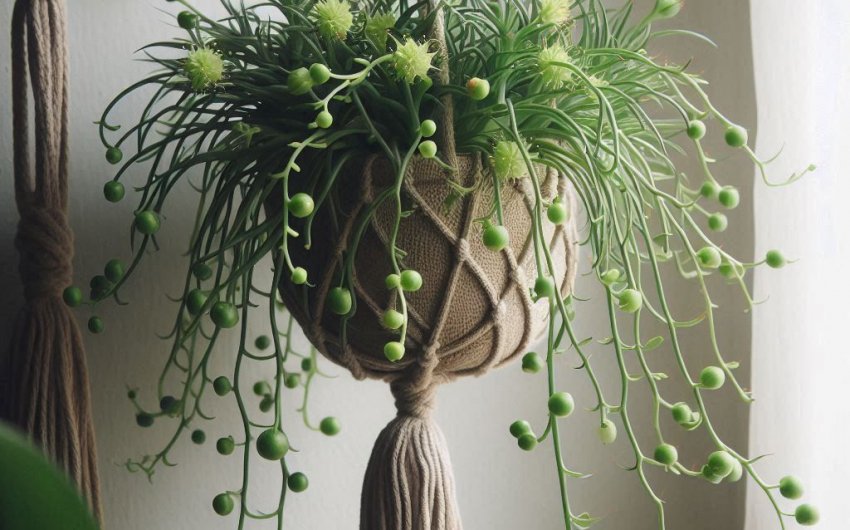
Taking care of a Rhipsalis (often called Mistletoe Cactus or Coral Cactus) is a wonderfully rewarding experience for any plant enthusiast. These unique, trailing cacti are quite different from their desert cousins, hailing from lush rainforests where they grow on trees. This means their care needs are a bit distinct, but once you understand them, you'll find them to be surprisingly easy-going and a fantastic addition to your indoor plant collection. Let's dive into everything you need to know to keep your Rhipsalis thriving indoors!
What Exactly is a Rhipsalis?
Before we get into the nitty-gritty of care, it's helpful to understand what makes Rhipsalis so special and why it's different from the spiky desert cacti you might be picturing.
Where Do Rhipsalis Come From?
Unlike the classic desert cacti that love scorching sun and bone-dry conditions, Rhipsalis are epiphytic cacti. This means they grow on other plants, usually trees, in their natural habitat. They aren't parasitic; they simply use the trees for support, absorbing moisture and nutrients from the air, rain, and decaying organic matter that collects in tree crevices.
- Tropical Origins: Most Rhipsalis species are native to the tropical rainforests of Central and South America, particularly Brazil. You'll find them thriving in the humid, dappled light conditions beneath the forest canopy. Some species can also be found in parts of Africa and Asia, making them the most widespread genus of cacti.
- Rainforest Dwellers: This rainforest origin is key to understanding their care. They are used to high humidity, consistent moisture (but not soggy roots!), and filtered light, not direct, intense sun.
What Makes Rhipsalis Look Different from Other Cacti?
When you think of a cactus, you probably imagine sharp spines and flat pads. Rhipsalis breaks that mold entirely!
- No Spines (Mostly): While some Rhipsalis species have very fine, hair-like bristles or tiny, soft spines, most are largely spineless. Their smooth, often succulent stems are a hallmark.
- Trailing Growth Habit: Most Rhipsalis varieties have a beautiful, cascading, or trailing growth habit. Their stems can be long and pendulous, making them perfect for hanging baskets or trailing from shelves. A macrame plant hanger can show off their long stems.
- Diverse Stem Shapes: This is where Rhipsalis really gets interesting! Their stems come in an incredible array of shapes and forms:
- Pencil-like: Long, thin, cylindrical stems (e.g., Rhipsalis baccifera).
- Coral-like: Densely branched, almost twiggy appearance (Rhipsalis coralioides).
- Flat, Ribbon-like: Flattened, often segmented stems (Rhipsalis ewaldiana).
- Chain-like: Small, bead-like segments forming a chain (Rhipsalis cereuscula).
- Small Flowers and Berries: While the foliage is the main draw, Rhipsalis also produce tiny, often inconspicuous white, yellow, or pinkish flowers. After flowering, they develop small, round, mistletoe-like berries, which is where they get their common name, Mistletoe Cactus.
Are Rhipsalis Easy to Care For Indoors?
Yes, once you understand their specific needs, Rhipsalis are actually quite easy and forgiving houseplants! They are less demanding than many other tropical plants and certainly less finicky than some desert cacti.
- Tolerant of Some Neglect: While they appreciate consistent care, they can forgive occasional missed waterings or less-than-perfect conditions better than some other plants.
- Adaptable: They can adapt to a range of indoor environments, as long as their core needs for light, water, and humidity are met.
- Pest Resistant: Generally, they are not highly susceptible to common houseplant pests, which is a big plus!
- Rewarding Growth: Their unique forms and graceful trailing stems make them very rewarding to watch grow and develop.
What Are the Ideal Growing Conditions for Rhipsalis Indoors?
Getting the environment right is key to a happy and thriving Rhipsalis. Remember its rainforest roots – think dappled light, humidity, and good drainage.
How Much Light Does a Rhipsalis Need?
This is often where people go wrong with Rhipsalis, treating it like a desert cactus that needs full sun. It does not!
- Bright, Indirect Light is Best: Rhipsalis thrives in bright, indirect light. This means a spot near an east-facing window, or a few feet back from a south or west-facing window, where the light is bright but never harsh. A sheer curtain can help filter intense light.
- Signs of Too Much Light: If the stems start to look pale, yellowish, or reddish, and appear somewhat shriveled, it's likely getting too much direct sun. Move it to a shadier spot.
- Signs of Too Little Light: If the plant becomes leggy (long, stretched-out stems with sparse growth) or stops growing altogether, it needs more light.
- No Direct Sun: Avoid direct afternoon sun, especially through a window, as it can easily scorch the delicate stems. Think of its natural habitat: under a tree canopy.
- Artificial Light: If you don't have enough natural light, Rhipsalis can do well under grow lights. A full spectrum LED grow light set for 10-12 hours a day can provide excellent conditions.
What Are the Best Temperature and Humidity Ranges?
Being tropical plants, Rhipsalis appreciate warmth and moisture in the air.
- Temperatures: They prefer warm temperatures, ideally between 60-80°F (15-27°C).
- Avoid Cold Drafts: Keep them away from cold drafts from windows or air conditioning vents, especially in winter.
- Winter Rest: While they don't need a strict dormancy, cooler winter temperatures (down to 50-55°F / 10-13°C) for a few weeks can sometimes encourage more prolific flowering in spring.
- Humidity: High humidity is crucial for Rhipsalis to thrive, given their epiphytic nature. Aim for 50-70% humidity if possible.
- Signs of Low Humidity: Dry, shriveled, or browning stem tips.
- Boosting Humidity:
- Pebble Tray: Place the pot on a tray filled with pebbles and water, ensuring the bottom of the pot doesn't sit in the water. As the water evaporates, it creates a humid microclimate. A pebble tray is an easy solution.
- Misting: Regular misting with a fine mist spray bottle can provide a temporary boost, especially during dry periods. Mist in the morning so the stems can dry before nightfall.
- Humidifier: For very dry homes, a room humidifier is the most effective way to provide consistent humidity.
- Grouping Plants: Placing your Rhipsalis near other humidity-loving plants can help create a more humid environment.
What Kind of Soil and Pot is Best for Rhipsalis?
This is another area where Rhipsalis differs from desert cacti. They need a mix that drains quickly but also retains some moisture, mimicking the decaying organic matter they grow in naturally.
- Soil Mix: Do not use regular potting soil or a sandy cactus mix designed for desert cacti.
- A good mix for Rhipsalis is often described as an "epiphytic" mix. It should be very well-draining and airy but also have good moisture retention.
- Recommended Mix: Combine equal parts orchid bark (small to medium size), perlite (for aeration and drainage), and a good quality peat-based potting mix (or coco coir for sustainability). Some people also add a bit of activated charcoal to help keep the mix fresh. A potting mix for orchids can be a good base.
- The goal is a mix that feels light and chunky, not dense or heavy.
- Pot Type:
- Drainage Holes are Crucial: Absolutely essential. Rhipsalis roots are very susceptible to rot if they sit in soggy soil. Never use a pot without drainage. Use a plant saucer to catch excess water.
- Material:
- Terracotta: Porous, allows soil to dry out faster, which can be beneficial if you tend to overwater.
- Plastic/Glazed Ceramic: Retains moisture longer, so you might water less frequently.
- Size: Don't put a small Rhipsalis in a huge pot. They actually prefer to be a bit root-bound. Choose a pot that's only slightly larger than the root ball. For trailing varieties, a hanging pot is perfect.
How Do I Water, Fertilize, and Prune My Rhipsalis?
Now that you have the environment set up, let's talk about the regular care routine. These practices will ensure your Rhipsalis continues to flourish.
What is the Best Watering Schedule for Rhipsalis?
Watering is probably the most common mistake people make with Rhipsalis. They need more water than desert cacti, but still hate sitting in soggy soil.
- "Finger Test" is Key: The best way to know when to water is to feel the soil. Stick your finger about 1-2 inches deep into the potting mix.
- If it feels dry, it's time to water.
- If it still feels moist, wait a few more days and check again.
- Water Thoroughly: When you do water, water deeply until you see water draining out of the bottom of the pot. This ensures all the roots get a good drink.
- Drain Away Excess Water: Do not let the pot sit in standing water in a saucer. Empty the saucer within 15-30 minutes after watering. This is critical to prevent root rot.
- Frequency Varies: Watering frequency will depend on many factors:
- Temperature and Humidity: You'll water more often in warmer, drier conditions.
- Light: Plants in brighter light use more water.
- Pot Material: Terracotta dries out faster than plastic.
- Season: Rhipsalis will need more water during their active growing season (spring and summer) and less in the dormant cooler months (fall and winter).
- Signs of Underwatering: Stems may look shriveled, thin, or feel a bit soft.
- Signs of Overwatering: Stems turn yellow, mushy, or start to rot, often at the base or where they meet the soil. This is usually more deadly than underwatering.
How Often Should I Fertilize My Rhipsalis?
Since Rhipsalis get nutrients from decaying matter in their natural environment, they appreciate regular, but light, feeding during their growing season.
- Growing Season Only: Fertilize only during the active growing season, typically spring and summer. Reduce or stop fertilizing in fall and winter when growth slows down.
- Diluted Fertilizer: Use a balanced liquid houseplant fertilizer (e.g., 10-10-10 or similar NPK ratio) diluted to half or even quarter strength. Over-fertilizing can easily burn their sensitive roots.
- Frequency: Fertilize every 2-4 weeks during the growing season.
- Avoid Fertilizing Dry Soil: Always water your plant before fertilizing to prevent root burn.
- Signs of Nutrient Deficiency: Slow growth, pale foliage, or stems that appear weak.
- Signs of Over-Fertilization: Crispy or burnt-looking stem tips, white crust on the soil surface, or general decline. If you suspect over-fertilization, flush the soil with plain water.
Why and How Should I Prune My Rhipsalis?
Pruning isn't strictly necessary for survival, but it can help maintain the plant's shape, encourage bushier growth, and promote a healthier appearance.
- When to Prune: The best time to prune is during the active growing season (spring or summer).
- Why Prune?:
- Shape and Size: To control the length of trailing stems or to shape the plant to fit your space.
- Bushier Growth: Cutting back stems can encourage branching, making the plant look fuller and more dense.
- Remove Unhealthy Parts: Cut away any yellow, mushy, shriveled, or dead stems to improve the plant's health and appearance.
- Propagation: Pruned stems can often be used for propagation to start new plants!
- How to Prune:
- Use clean, sharp pruning shears or scissors.
- Make clean cuts just below a segment joint or where you want new growth to emerge.
- Don't be afraid to take off a good amount if the plant is very leggy or unruly. Rhipsalis are generally quite resilient to pruning. A small pruning snip is perfect.
When and How Do I Repot My Rhipsalis?
Repotting provides fresh nutrients and more space, but Rhipsalis prefer to be a bit root-bound, so you won't need to do it often.
When Is It Time to Repot My Rhipsalis?
Your Rhipsalis will usually tell you when it needs a new home.
- Signs It's Time:
- Roots Circling: Roots are growing out of the drainage holes or circling tightly around the inside of the pot when you lift the plant.
- Stunted Growth: The plant isn't growing much, even during its active season, despite good care.
- Soil Dries Out Very Quickly: If you find yourself watering much more frequently because the soil is drying out too fast, it means there are more roots than soil.
- Salt Buildup: A visible white or brownish crust on the soil surface or pot edges from mineral deposits.
- Frequency: Generally, Rhipsalis only need repotting every 2-3 years, or even less frequently for slow-growing varieties.
What Size Pot Should I Choose?
This is important! Don't go too big.
- Slightly Larger: Choose a pot that is only 1-2 inches larger in diameter than the current pot. For example, if it's in a 6-inch pot, move it to an 8-inch pot.
- Avoid Over-Potting: A pot that is too large will hold too much excess moisture, which can lead to root rot. Rhipsalis prefer to be slightly root-bound.
- Drainage is Key: Always ensure the new pot has ample drainage holes.
How Do I Repot My Rhipsalis?
Repotting Rhipsalis is a gentle process to minimize stress.
- Prepare the New Pot: Place a layer of your well-draining epiphytic potting mix at the bottom of the new pot.
- Remove from Old Pot: Gently tip the plant on its side and carefully ease it out of its old pot. You might need to gently squeeze the sides of a plastic pot. Avoid pulling the stems directly.
- Inspect Roots: Carefully examine the root ball. If any roots are mushy or smelly, trim them off with clean, sharp scissors. If the roots are very tightly circled, you can gently loosen them at the bottom.
- Place in New Pot: Center the plant in the new pot, ensuring the top of the root ball is at the same level as it was in the old pot (or slightly lower if you want to add a top layer of fresh mix).
- Add Soil Mix: Fill in around the root ball with fresh potting mix, gently patting it down to remove large air pockets, but don't compact it tightly. You want the mix to remain airy.
- Water In: Water thoroughly until water drains from the bottom. This helps settle the new soil around the roots.
- Recovery: Place the newly repotted Rhipsalis in a spot with bright, indirect light. Avoid fertilizing for about 4-6 weeks to allow the plant to adjust.
When Is the Best Time to Repot?
Repotting is best done during the active growing season (spring or early summer). This gives the plant the best chance to recover quickly from the stress of repotting and establish new roots in its larger home. Avoid repotting in fall or winter when the plant's growth has slowed down.
What Are Some Common Rhipsalis Problems and How Do I Fix Them?
Even with the best care, sometimes problems pop up. Knowing what to look for and how to respond can save your Rhipsalis.
Why Are My Rhipsalis Stems Turning Yellow or Mushy?
This is almost always a sign of overwatering, which leads to root rot.
- Symptoms: Stems turn yellow, then soft and mushy, often starting at the base of the plant or in the lower sections of the stems. There might be a foul smell.
- Cause: The roots are sitting in soggy soil, suffocating and dying. This is the most common killer of Rhipsalis.
- Fix:
- Stop Watering Immediately: Do not water again until the soil is significantly dry.
- Check Drainage: Ensure your pot has working drainage holes and that water is not sitting in a saucer.
- Assess Damage: Gently unpot the plant and inspect the roots. Trim off any mushy, black, or smelly roots with clean, sharp scissors. Healthy roots should be firm and white or light-colored.
- Repot (if severe): If root rot is extensive, repot into fresh, dry, very well-draining potting mix.
- Adjust Watering Habits: Allow the top 1-2 inches of soil to dry out completely before watering again. When in doubt, wait another day or two. Remember the "wrung-out sponge" feel.
What Causes Rhipsalis Stems to Look Shriveled or Crispy?
This can indicate a few issues, usually related to not enough water or too much direct light.
- Underwatering:
- Symptoms: Stems look thin, shriveled, or slightly wrinkled, and may feel soft or limp but not mushy. The soil will be bone dry.
- Cause: The plant isn't getting enough water to maintain turgor (firmness) in its stems.
- Fix: Water thoroughly until water drains from the bottom. For very dry plants, you might even consider bottom watering: place the pot in a shallow tray of water for 30-60 minutes to allow the soil to soak up water from the drainage holes.
- Too Much Direct Light/Sunburn:
- Symptoms: Stems might turn pale yellow, reddish, or develop brown, crispy patches, especially on the side facing the light source.
- Cause: Direct, intense sun is scorching the stems.
- Fix: Move the plant to a location with bright, indirect light.
- Very Low Humidity:
- Symptoms: Stem tips might become dry and crispy, especially on species with finer stems.
- Cause: Air is too dry for this tropical plant.
- Fix: Increase humidity around the plant using a pebble tray, misting, or a room humidifier.
Why Is My Rhipsalis Not Growing or Flowering?
A lack of growth or blooms usually points to insufficient light or nutrients, or sometimes, environmental stress.
- Insufficient Light:
- Symptoms: Very slow or no new growth, leggy stems (stretched out with large gaps between segments), overall pale appearance.
- Fix: Move the plant to a brighter location with indirect light.
- Lack of Nutrients (Under-fertilizing):
- Symptoms: Slow growth, pale green stems, overall weak appearance.
- Fix: Fertilize regularly during the growing season with a diluted balanced liquid fertilizer.
- Temperature/Humidity Stress:
- Symptoms: General stagnation, no new growth.
- Fix: Ensure the plant is in its preferred temperature range (60-80°F / 15-27°C) and that humidity levels are adequate.
- No Dormancy Period (for Flowering): Some Rhipsalis species benefit from a slight cool, dry period in winter to encourage spring blooms.
- Fix: In late fall/early winter, reduce watering (let soil dry out more between waterings) and keep temperatures slightly cooler (around 50-55°F / 10-13°C) for 4-6 weeks, if possible. Then resume normal watering and warmth in spring.
How Do I Deal with Pests on Rhipsalis?
Rhipsalis are generally quite pest-resistant, but they can occasionally fall victim to common houseplant pests, especially if stressed.
- Common Pests:
- Mealybugs: Look for small, white, cottony masses in stem crevices or on the stems themselves. They suck sap, causing weak growth.
- Spider Mites: Very tiny pests that create fine webbing, usually on younger stems. Stems may look dusty or stippled. More common in dry environments.
- Scale: Small, immobile, brown or black bumps on stems that can be scraped off.
- Treatment:
- Isolate: Immediately isolate any infested plant to prevent spread.
- Manual Removal: For mealybugs, dab them with a cotton swab dipped in rubbing alcohol. For scale, gently scrape them off.
- Rinse: Thoroughly rinse the plant under a gentle stream of water to dislodge pests.
- Insecticidal Soap / Neem Oil: For more widespread infestations, use an insecticidal soap spray or neem oil spray. Follow product instructions carefully and spray the entire plant, getting into all crevices. Repeat every 5-7 days until the pests are gone. A neem oil concentrate can be mixed.
- Prevention: Regular inspection, especially when watering, is the best defense. Healthy plants are less susceptible to pests.