
How Can I Prevent Root Rot in Houseplants That Require Moist Soil?
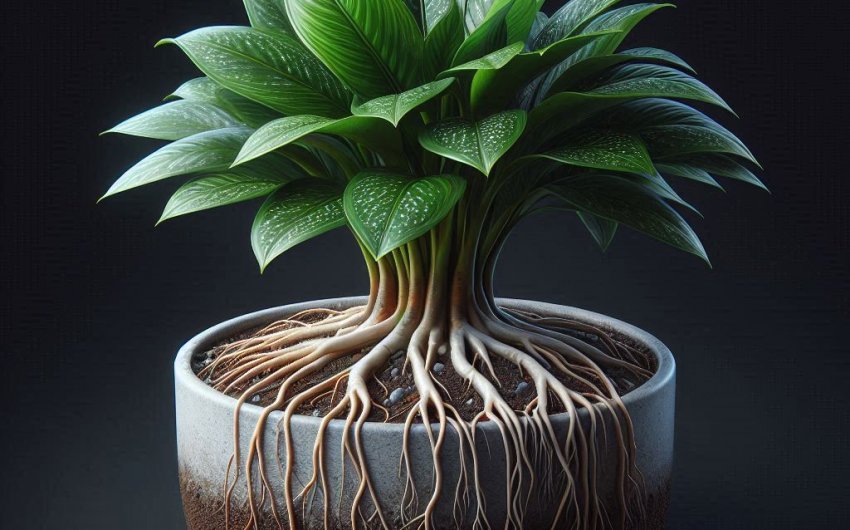
For many houseplant enthusiasts, the phrase "moist soil" can feel like walking a tightrope. On one side lies the ideal hydration for lush growth, and on the other, the lurking danger of root rot, a silent killer that can quickly spell the end for a beloved plant. This common problem arises when roots are deprived of oxygen due to constantly soggy conditions, leading to decay and eventual plant collapse. It's a particularly perplexing challenge for plants that genuinely prefer their soil to remain consistently damp, making the balance seem incredibly delicate.
The good news is that preventing root rot in houseplants that require moist soil is entirely achievable with the right knowledge and a few strategic adjustments to your care routine. It's not about magic; it's about understanding the specific needs of these plants and creating an environment where moisture and aeration coexist harmoniously. This guide will delve into the essential practices and clever tricks that will show you how to prevent root rot while still providing your plants with the consistent hydration they crave, ensuring they thrive and flourish.
Why Is Root Rot Such a Common Problem?
Even for experienced plant parents, root rot is a frustratingly common problem, especially for those trying to maintain consistently moist soil. Understanding why root rot is such a common problem helps underscore the importance of preventive measures and the delicate balance required for healthy plant growth. It's often not just about too much water, but a combination of factors.
How Do Lack of Oxygen and Fungi Contribute to Root Decay?
The core reason for root rot is a lack of oxygen around the plant roots, which creates an ideal environment for harmful fungi to thrive and contribute to root decay. Here’s a breakdown of the process:
Waterlogging and Oxygen Deprivation: Healthy soil isn't just dirt; it's a mix of solid particles, water, and air pockets. These air pockets are crucial because plant roots need oxygen to "breathe." This oxygen is vital for cellular respiration, the process by which roots convert sugars into energy to absorb water and nutrients.
- When you consistently overwater, or if your soil doesn't drain well, these precious air pockets become completely filled with water. The soil becomes waterlogged, depriving the roots of the oxygen they desperately need.
- Within hours, the roots begin to suffocate and can't perform their essential functions.
Anaerobic Conditions and Fungal Growth: This oxygen-deprived (anaerobic) environment is highly unfavorable for healthy root function, but it's perfect for certain types of harmful fungi and bacteria. These root rot fungi (like Pythium, Phytophthora, and Fusarium) are naturally present in most soils but only become problematic when conditions are perpetually wet and low in oxygen.
Advertisement- These fungi attack and decompose the stressed, oxygen-starved root tissues. They effectively rot the roots from the inside out.
Inability to Absorb Water and Nutrients: As the roots decay, they lose their ability to absorb water and nutrients, even though they are surrounded by moisture. The plant essentially starves and dehydrates, despite being in wet soil. This is why a plant with root rot often looks like it's underwatered (wilting, drooping) even though the soil is saturated.
Visible Symptoms and Plant Decline: As the plant struggles, it exhibits symptoms:
- Yellowing leaves: Often starting with lower leaves, as the plant sacrifices older foliage.
- Drooping/wilting: Leaves become limp and lifeless.
- Stunted growth: New growth stops or is very weak.
- Mushy stems or foul odor: In advanced stages, the decay spreads upwards, and the soil may smell putrid.
- Black/brown, slimy roots: If you inspect the roots, they will be dark and easily break apart.
Because the problem starts below the soil surface, root rot often goes undetected until the damage is already significant. This silent progression, combined with the plant's seemingly contradictory symptoms (wilting from too much water), makes preventing root rot a constant challenge for any houseplant that prefers moist conditions.
What Is the Right Potting Mix for Moist-Soil Plants?
When aiming to prevent root rot in houseplants that require moist soil, the choice of potting mix is perhaps the most critical factor. It's not just about adding water; it's about how the water behaves in the soil. A good potting mix for these plants strikes a delicate balance: it holds onto sufficient moisture for the roots but also allows excess water to drain away quickly, ensuring crucial aeration.
How Do Aeration and Drainage Impact Soil Selection?
Aeration and drainage impact soil selection by dictating which components you need to include in your potting mix. For plants that prefer moist soil, you need a mix that retains water without becoming dense and waterlogged.
Here's how to build or choose the right potting mix:
Base Ingredient: Peat Moss or Coco Coir (for Moisture Retention):
- These are excellent at holding onto moisture while still allowing some air exchange. They form the bulk of the mix for moisture-loving plants.
- Peat Moss: Traditionally used, great water retention, but can become very dense and hydrophobic (repel water) if it dries out completely.
- Coco Coir: A more sustainable alternative to peat moss. It has good water retention, excellent aeration, and is slower to compact. It also re-wets easily if it dries out.
- Look for: A quality, fluffy, and dark base.
Aeration Components: Perlite or Pumice:
- These are inorganic, lightweight materials that do not absorb water but create vital air pockets within the soil. They are essential for preventing compaction and ensuring oxygen can reach the roots, even when the soil is moist.
- Perlite: White, porous volcanic glass. Very lightweight.
- Pumice: Similar to perlite but slightly heavier and more durable, less prone to floating to the top of the mix.
- Ratio: For moist-soil lovers, aim for at least (20\%-30\%) of your mix to be perlite or pumice. For example, a 2:1 ratio of coco coir to perlite is a common starting point.
Drainage and Structure Components: Orchid Bark or Leca (Optional but Recommended):
- Adding larger, chunky components further enhances drainage and aeration, creating a more open structure that mimics natural forest floors where many houseplants thrive.
- Orchid Bark (Fir Bark): Adds significant chunkiness and allows for excellent airflow. It breaks down slowly, providing long-term benefits.
- Leca (Lightweight Expanded Clay Aggregate): Clay pebbles that absorb some moisture but primarily create large air pockets.
- Ratio: About (10\%-20\%) of the mix can be orchid bark or leca.
- Example: A popular blend for many aroids (like Philodendrons, Pothos, Peace Lilies, which love consistent moisture but hate wet feet) might be:
- 40% Coco coir/peat moss
- 30% Perlite/Pumice
- 30% Orchid bark or fine compost
Worm Castings or Compost (for Nutrients and Microbial Life):
- These organic materials provide slow-release nutrients and introduce beneficial microbes to the soil.
- Ratio: A small amount, perhaps (10\%-15\%) of the total mix.
- Tool Tip: A high-quality organic potting mix like FoxFarm Ocean Forest Potting Soil can be a good base, but often needs extra perlite or bark for better drainage for moist-loving plants.
By using a potting mix that is explicitly designed for both moisture retention and excellent drainage and aeration, you create a healthy root environment that significantly reduces the risk of root rot while still providing the consistent hydration your plants need.
What Is the Best Watering Technique to Prevent Root Rot?
Choosing the right potting mix is a crucial first step, but even the best soil can't save a plant from root rot if the watering technique is off. Knowing what is the best watering technique to prevent root rot for plants that like moist soil is all about finding that perfect balance between consistent hydration and allowing for necessary airflow at the roots. It's often more nuanced than simply pouring water in.
How Do You Balance Consistent Moisture with Proper Drainage?
Balancing consistent moisture with proper drainage requires a mindful approach to your watering routine.
The "Check Before You Water" Rule: This is the golden rule for all houseplants, but especially critical for those that like moist soil. Never water on a fixed schedule (e.g., "every Monday"). Instead, check the soil moisture.
- How-to: Stick your finger 1-2 inches deep into the soil. If it feels moist, wait. If it feels dry at that depth, it's time to water. For larger pots or very sensitive plants, you might use a moisture meter like the Sonkir Soil Moisture Meter to check deeper into the pot.
- Why it works: This ensures you're responding to the plant's actual needs, which fluctuate based on light, temperature, humidity, and time of year.
Water Thoroughly (The "Drench" Part): When you do water, provide a deep, thorough soak.
- How-to: Pour water slowly and evenly over the entire surface of the soil until it begins to drain out of the drainage holes at the bottom of the pot. Ensure the entire root ball is saturated.
- Why it works: This encourages roots to grow deep into the pot, making the plant more resilient. It also flushes out any built-up mineral salts from tap water or fertilizer.
Allow for Proper Drainage (The "Dry" Part, or at least "Draining"): This is the other half of the equation. Never let your plant sit in standing water.
- How-to: After watering, allow all excess water to drain completely from the pot. If you use a decorative saucer, empty any accumulated water after about 15-30 minutes.
- Why it works: Prevents roots from sitting in stagnant, oxygen-deprived conditions, which leads to root rot.
Consider Bottom Watering (for even saturation): For plants that are difficult to water thoroughly from the top (e.g., very dense foliage, or if the soil has become a bit hydrophobic), bottom watering can be a great option.
- How-to: Place the potted plant in a shallow tray or basin filled with 1-2 inches of water. Let it sit for 30 minutes to an hour (or until the top of the soil feels damp).
- Why it works: The soil absorbs water from the bottom up, ensuring even saturation. Again, remember to remove the pot from standing water afterward.
Adjust for Seasons and Conditions:
- Active Growing Season (Spring/Summer): Plants are actively growing and using more water, so they'll likely need more frequent watering.
- Dormant Season (Fall/Winter): Growth slows down, and plants use less water. Reduce watering frequency significantly. You might still keep the soil "moist," but it will dry out much slower.
- Light/Humidity: Plants in brighter, lower-humidity environments will dry out faster and need more frequent watering than those in lower light or high humidity.
By diligently applying these watering techniques, you can maintain that crucial balance of moisture and aeration, effectively preventing root rot in your houseplants that require consistently moist soil.
What Is the Role of Pot Type and Drainage Holes?
Beyond soil and watering technique, the physical container itself plays a crucial role in preventing root rot. Understanding what is the role of pot type and drainage holes is fundamental for creating a healthy environment for your houseplants, especially those that like moist soil but hate waterlogged conditions. This seems basic, but it's often overlooked.
Why Are Drainage Holes Non-Negotiable?
Drainage holes are non-negotiable for virtually all houseplants (with rare exceptions like some aquatic or bog plants) because they provide the essential pathway for excess water to escape the pot. Without them, water becomes trapped, leading directly to oxygen deprivation and, inevitably, root rot.
Here’s why they are so vital:
Prevents Waterlogging: As discussed, the primary cause of root rot is soil that remains perpetually soggy due to lack of oxygen. Drainage holes allow any water that isn't immediately absorbed by the roots or soil particles to flow out, preventing it from pooling at the bottom of the pot.
Facilitates Aeration: When water drains out, air is pulled into the soil, replenishing the oxygen supply that roots need to respire and absorb nutrients. This is crucial for healthy root function. Even plants that like moist soil still need those vital air pockets.
Flushes Out Excess Salts: Over time, mineral salts from tap water and fertilizers can build up in the soil. Drainage holes allow you to "flush" the soil periodically with plain water, washing away these harmful salt accumulations, which can otherwise cause fertilizer burn and prevent nutrient uptake.
Choosing the Right Pot Type:
The material of your pot also influences how quickly soil dries out and therefore plays a part in preventing root rot:
Terracotta / Unglazed Ceramic Pots:
- Pros: These are highly recommended for most houseplants, especially those prone to root rot. Their porous nature allows moisture to evaporate through the sides of the pot, helping the soil dry out faster. They are also heavy and stable for larger plants.
- Cons: Can dry out soil quicker, so plants that need consistent moisture might need slightly more frequent watering or a more retentive soil mix. Can develop mineral stains over time.
Plastic Pots:
- Pros: Inexpensive, lightweight, and retain moisture longer than terracotta. This can be beneficial for plants that genuinely need more consistent moisture.
- Cons: Because they don't "breathe," you need to be extra vigilant with your watering to ensure the soil doesn't stay wet for too long. Overwatering is more common in plastic pots if not managed carefully.
- Tool Tip: Many nursery plants come in thin plastic pots. You can keep them in these and place them inside a decorative ceramic plant pot with drainage hole and saucer (like those found on Amazon).
Glazed Ceramic or Metal Pots:
- Pros: Highly decorative and come in many styles. Retain moisture similarly to plastic pots.
- Cons: Non-porous, so they offer no additional drying assistance. Require very careful watering to prevent waterlogging.
- Tip: If using a decorative pot without drainage, always use it as a cachepot. Keep your plant in a nursery pot with drainage holes inside the decorative pot, lifting it out to water and allowing it to drain completely before returning it to the cachepot.
Pot Size Matters:
- Don't Overpot: Using a pot that is too large for your plant is a common cause of root rot. An oversized pot holds too much soil, and therefore too much moisture, that the plant's root system cannot effectively utilize. The excess soil remains wet for prolonged periods.
- Correct Sizing: Only go up one pot size (e.g., from a 6-inch to an 8-inch pot) when repotting. A snug fit is generally better than too much room.
By prioritizing pots with ample drainage holes and understanding how pot material and size impact soil moisture, you build a robust defense against root rot, even for houseplants that prefer moist conditions.
What Are Other Factors Contributing to Root Rot and Solutions?
While watering, soil, and pot type are the primary drivers of root rot, several other factors can indirectly contribute to the problem or exacerbate existing conditions. Addressing these can further strengthen your root rot prevention plan for houseplants that require moist soil.
How Do Environmental Conditions and Cultural Practices Play a Role?
Environmental conditions and specific cultural practices play a significant role in influencing how quickly soil dries out and how resilient your plant's roots are to potential rot.
Light Conditions:
- Impact: Plants in brighter light photosynthesize more actively and use more water (transpire more). Conversely, plants in lower light use significantly less water. If you water a plant in low light as frequently as you would one in bright light, you're almost certainly overwatering it.
- Solution: Adjust your watering frequency based on light levels. Plants in low light will need less frequent watering. Always check soil moisture before watering, regardless of light. If moving a plant to a lower light spot, reduce watering proactively.
Temperature and Air Circulation:
- Impact: Warm temperatures increase evaporation from the soil and transpiration from the leaves, causing the soil to dry out faster. Cold temperatures slow down growth and water uptake, keeping the soil wet longer. Poor air circulation can also lead to stagnant, overly moist conditions, encouraging fungal growth.
- Solution:
- Temperature: Keep your plants in their preferred temperature range. Avoid sudden drops in temperature or placing plants near cold drafts.
- Air Circulation: Ensure good airflow around your plants. Avoid overcrowding. If plants are too close, air cannot circulate, and moisture can linger around leaves and soil surface, contributing to fungal issues. A small fan can help circulate air in stagnant rooms.
Humidity:
- Impact: High ambient humidity reduces the rate of water evaporation from the soil and transpiration from leaves. While many plants that like moist soil also enjoy high humidity (e.g., ferns, calatheas), this means their soil will dry out slower.
- Solution: Be extra vigilant with checking soil moisture in highly humid environments. You might need to extend the time between waterings compared to what you would do in a drier environment.
Potting Mix Compaction:
- Impact: Over time, even a good potting mix can break down and become compacted. This reduces the vital air pockets, leading to poor drainage and creating an anaerobic environment, similar to using the wrong soil mix from the start.
- Solution: Repot your plants every 1-2 years into fresh, well-draining potting mix. This refreshes the soil, restores aeration, and allows you to inspect the roots. When repotting, gently tease out compacted roots.
Pest Infestations:
- Impact: While not a direct cause, some pests (like fungus gnats) thrive in consistently wet soil, making their presence a symptom of overwatering that can contribute to root stress. Heavy pest infestations can also weaken a plant, making it more susceptible to root rot if other conditions are not ideal.
- Solution: Manage pests promptly. For fungus gnats, allow the top layer of soil to dry out completely between waterings, use sticky traps, or consider BTI (Bacillus thuringiensis israelensis) dunks in your watering can (like Summit Mosquito Bits) to kill larvae.
By being mindful of these environmental factors and cultural practices, you can fine-tune your approach to plant care, creating an optimal environment that supports healthy roots and effectively prevents root rot in your moisture-loving houseplants.