
What is the Best Care Routine for Hoyas to Encourage Blooming?
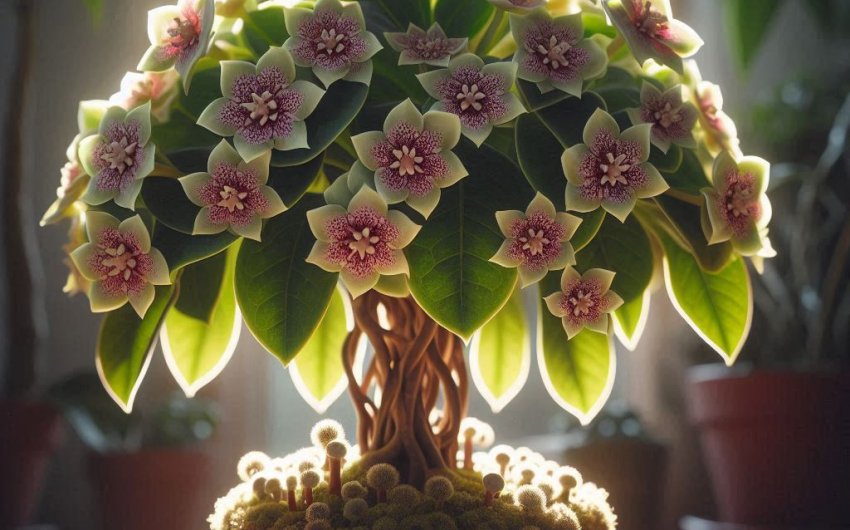
Hoya plants, also known as wax plants, are beloved for their beautiful, often fragrant, and waxy flowers. Many plant enthusiasts cherish these unique blooms, yet sometimes these lovely plants can be a bit shy about showing off their floral displays. If you're a proud Hoya parent eager to see those stunning clusters of starry flowers, you're in the right place. Unlocking the secret to abundant Hoya blooms isn't magic, but rather a combination of understanding their specific needs and providing the right environment. It's about giving your plant the precise conditions it craves, much like a chef carefully preparing a gourmet meal.
Encouraging your Hoya to bloom involves a holistic approach, focusing on several key areas of care. From the perfect light exposure to the right watering techniques and even the subtle art of feeding, each element plays a crucial role in coaxing out those coveted flower peduncles. Think of it as a delicate dance between mimicking their natural habitat and providing a little extra encouragement. With a bit of patience and a consistent routine, you can transform a shy, green plant into a prolific bloomer, filling your home with the delightful scent and intricate beauty of Hoya flowers. Let's delve into the specific steps that will help your Hoya plant flourish and flower.
What is the Best Light for Hoya Blooming?
Light is perhaps the single most important factor when it comes to encouraging your Hoya plant to bloom. Without enough bright light, your Hoya may grow plenty of leaves but never produce flowers. Hoyas are not low-light plants, despite what some might think. They need a good amount of light to photosynthesize efficiently and produce the energy required for flowering.
How Much Light Do Hoyas Need?
Most Hoyas thrive in bright, indirect light. This means a spot where they receive plenty of ambient light but are not exposed to harsh, direct midday sun. Direct sun can scorch their leaves, especially for species with thinner foliage. Think of a sunny window that gets bright light for several hours a day, but perhaps not intense afternoon sun directly on the leaves.
East-facing windows are often ideal, as they provide gentle morning sun. North-facing windows can work, but might not be bright enough for consistent blooming for all species. South or west-facing windows can be too intense unless the plant is set back a bit from the window or has sheer curtains to diffuse the light.
Can Hoyas Tolerate Direct Sun?
Some Hoya species, especially those with thicker, more succulent leaves, can tolerate more direct sun. For example, Hoya carnosa and its many cultivars, like Hoya krimson queen or Hoya tricolor, can often handle a few hours of direct morning or late afternoon sun. However, it's always best to introduce them to brighter light gradually to prevent scorching. If your Hoya's leaves start to look bleached or yellow, it's a sign they're getting too much direct sun.
What Are the Signs of Insufficient Light?
If your Hoya isn't blooming, and you've ruled out other issues, lack of light is often the culprit. Signs of insufficient light include:
- Leggy growth: Stems that are stretched out with widely spaced leaves, indicating the plant is reaching for light.
- Lack of new growth: Very slow or no new leaf development.
- Small leaves: New leaves are noticeably smaller than older ones.
- No peduncles: The little spurs from which flowers emerge will not form.
If you suspect your Hoya isn't getting enough light, gradually move it to a brighter location. You might consider using a plant grow light during darker winter months or if your home doesn't offer naturally bright spots. Many successful Hoya growers use supplemental lighting, especially for varieties that are notoriously difficult to bloom.
How Do You Properly Water Hoyas for Blooming?
Watering is another critical component of Hoya care, especially when you're aiming for blooms. Overwatering is a common mistake that can lead to root rot, which will quickly prevent flowering and can even kill your plant. Hoyas are epiphytic in their natural habitat, meaning they often grow on other plants, not in soil, and are accustomed to their roots drying out between rainfalls.
What is the Best Watering Schedule for Hoyas?
The key to watering Hoyas is to allow the potting mix to dry out significantly between waterings. How often you water will depend on several factors: the size of the pot, the type of potting mix, the ambient temperature, and the humidity levels.
A good rule of thumb is to water when the top two inches of the potting mix feel completely dry. For smaller pots, you might even wait until the entire pot feels light when you lift it. When in doubt, it's better to underwater slightly than to overwater.
When you do water, water thoroughly until water drains from the bottom of the pot. This ensures that the entire root ball gets hydrated. Do not let your Hoya sit in standing water; always empty the saucer.
What Kind of Water is Best for Hoyas?
While tap water is generally fine for Hoyas, some enthusiasts prefer to use rainwater or filtered water, especially if their tap water is heavily chlorinated or has high mineral content. Excess minerals can build up in the potting mix over time. If you notice a white crust forming on the rim of your pot or on the surface of the soil, it's likely a mineral buildup.
How Does Humidity Affect Hoya Blooming?
Hoyas, being tropical plants, appreciate high humidity. While it's not as critical as light for initial bloom formation, good humidity can help developing flower peduncles and buds stay healthy and prevent them from drying out or blasting (dying off before opening).
If your home is very dry, especially in winter when heaters are running, consider increasing humidity around your plants. You can do this by:
- Using a pebble tray: Fill a shallow tray with pebbles and water, placing the pot on top of the pebbles so the bottom of the pot doesn't touch the water.
- Misting: Lightly misting the foliage in the mornings can provide a temporary boost, though it's not a long-term solution. Avoid misting flowers directly, as this can lead to fungal issues.
- Using a humidifier: A small room humidifier can significantly increase ambient humidity for your Hoyas and other houseplants.
- Grouping plants: Plants release moisture into the air through transpiration, so grouping them together can create a localized humid microclimate.
What is the Ideal Potting Mix for Hoya Blooming?
The right potting mix is crucial for healthy root development, which directly impacts a Hoya's ability to bloom. A heavy, dense potting mix that retains too much moisture will lead to root rot and prevent flowering. Hoyas prefer a well-draining, airy potting mix that allows for good air circulation around their roots.
What Ingredients Should a Hoya Potting Mix Have?
A good Hoya potting mix will often contain a blend of ingredients that provide drainage, aeration, and some moisture retention without becoming waterlogged. Common components include:
- Orchid bark: This is an excellent component for drainage and aeration, mimicking the chunky nature of their natural growing medium. Fine or medium-grade orchid bark is usually best.
- Perlite: Adds porosity and prevents compaction.
- Coir (coconut fiber): A sustainable alternative to peat moss, coir helps retain moisture and nutrients while still offering good drainage.
- Worm castings: Provides gentle, slow-release nutrients.
- Charcoal: Helps absorb impurities and improve drainage.
A basic mix for many Hoyas could be equal parts orchid bark, perlite, and a high-quality potting soil that doesn't contain too much peat. For Hoyas that prefer to dry out more quickly or have more succulent leaves, you might increase the amount of orchid bark or perlite. You can buy pre-made Hoya potting mix or mix your own.
How Does Pot Size Affect Blooming?
Hoyas are often said to prefer being pot-bound or slightly root-bound to encourage blooming. This means they like their roots to be snug in the pot, rather than having a lot of extra space. When a Hoya has too much room in a pot, it often focuses its energy on growing roots to fill the space rather than producing flowers.
When repotting, only go up one pot size (e.g., from a 4-inch to a 6-inch pot). Repot only when absolutely necessary, such as when the plant is severely root-bound, water runs straight through, or growth has stalled. Repotting too frequently can stress the plant and delay blooming.
If your Hoya is healthy but not blooming, and it's in a very large pot, it might be happier in a slightly smaller one.
When and How Should You Fertilize Hoyas for Blooming?
Fertilizer provides the essential nutrients that Hoyas need for strong growth and, most importantly, for flower production. While Hoyas are not heavy feeders, providing the right nutrients at the right time can significantly boost their blooming potential.
What Type of Fertilizer is Best for Hoyas?
For blooming, you'll generally want a fertilizer that is higher in phosphorus (P). The three numbers on a fertilizer label represent the N-P-K ratio: Nitrogen (N) for foliage growth, Phosphorus (P) for flowers and roots, and Potassium (K) for overall plant health.
A balanced fertilizer (e.g., 5-5-5) is good for general growth, but to encourage blooms, consider a bloom-booster fertilizer with a higher middle number (e.g., 2-7-7 or 10-20-10). Avoid fertilizers that are very high in nitrogen, as this will promote leafy growth at the expense of flowers.
Organic options like worm castings or fish emulsion can also provide a gentle nutrient boost.
How Often Should You Fertilize Hoyas?
Fertilize your Hoya during its active growing season, which is typically spring and summer. During the cooler, darker months of autumn and winter, most Hoyas go through a period of slower growth or dormancy, and fertilization should be reduced or stopped entirely.
As a general guideline, fertilize every 2-4 weeks during the growing season at half or quarter strength. It's always safer to under-fertilize than to over-fertilize, as excess salts from fertilizer can build up and burn the roots. Always water your Hoya before fertilizing to prevent root burn.
What Are the Signs of Nutrient Deficiency or Excess?
- Deficiency: Slow growth, yellowing leaves (especially older ones), lack of new leaves, and certainly no blooms.
- Excess: Brown or crispy leaf edges, stunted growth, white crust on the soil surface, or root burn.
If you suspect fertilizer issues, flush the potting mix with plenty of plain water to rinse out excess salts.
Why is Temperature and Airflow Important for Hoya Blooming?
Temperature and good airflow are often overlooked factors in Hoya care, but they play a role in the plant's overall health and its ability to flower. Hoyas generally prefer warm temperatures, consistent with their tropical origins.
What is the Ideal Temperature Range for Hoyas?
Most Hoyas thrive in temperatures between 65°F and 80°F (18°C to 27°C). They can tolerate slightly cooler temperatures, but prolonged exposure to temperatures below 50°F (10°C) can stress the plant and hinder blooming. Avoid sudden temperature drops or drafts, as this can also shock the plant.
Keeping the temperature relatively stable, especially at night, can be beneficial. Large temperature fluctuations between day and night can sometimes encourage blooming for some plant species, but for Hoyas, consistency is generally preferred.
How Does Airflow Affect Hoyas?
Good airflow is important for Hoyas to prevent fungal issues, especially if humidity levels are high. Stagnant air can lead to problems like powdery mildew or other leaf spot diseases, which will certainly divert the plant's energy away from blooming.
Ensure there is good air circulation around your Hoya plants. Avoid placing them in cramped corners or too close to other plants where air cannot move freely. A gentle fan in the room can help circulate air, but avoid pointing it directly at the plant.
Do Hoyas Need Rest Periods to Bloom?
Like many plants, some Hoyas benefit from a distinct rest period to encourage blooming. This typically means a reduction in watering and a pause in fertilization during the cooler, darker months of the year. This simulates the natural dry season in their native habitats, signaling to the plant that it's time to conserve energy and prepare for a burst of growth and flowering when conditions improve.
How Do You Provide a Rest Period?
During autumn and winter, when daylight hours are shorter and temperatures naturally drop (if you're not using grow lights):
- Reduce watering frequency: Allow the potting mix to dry out more thoroughly between waterings. Water sparingly, just enough to prevent the leaves from shriveling.
- Stop fertilizing: Do not fertilize your Hoya during its dormant period. Resume feeding in spring when new growth appears.
- Maintain adequate light: While other care aspects are reduced, still provide plenty of bright, indirect light, as light is critical even in dormancy.
- Slightly cooler temperatures: If possible, providing a slightly cooler environment (but still above 50°F/10°C) during this period can also help signal a rest.
Not all Hoya species strictly require a rest period to bloom, especially if grown under consistent conditions with supplemental lighting. However, for those reluctant bloomers, mimicking a natural cycle can often be the key.
Should You Prune Hoyas to Encourage Blooming?
This is one of the most common questions about Hoya care, and it comes with an important caveat. While pruning can stimulate new growth on many plants, with Hoyas, you need to be very careful, especially around their peduncles.
What are Hoya Peduncles?
A peduncle is the woody spur or stalk from which Hoya flowers emerge. It looks like a short, stubby stem. The crucial thing about Hoya peduncles is that they are reusable. Once a cluster of flowers fades, the peduncle remains, and new flowers will typically grow from the same peduncle in subsequent blooming seasons. This is very different from many other flowering plants where you snip off spent flower stalks.
Why You Should Not Cut Hoya Peduncles
Cutting off a Hoya peduncle is essentially cutting off your future blooms. If your Hoya has a peduncle, even if it's never bloomed from it, do not cut it off. It holds the potential for many future flower displays.
When is it Okay to Prune a Hoya?
You can prune a Hoya for several reasons, none of which directly involve the peduncles for blooming:
- To control size and shape: If your Hoya is becoming too long or leggy, you can trim the vines. Cut back to a node (where a leaf emerges from the stem).
- To promote bushiness: Pruning can encourage branching, leading to a fuller plant.
- To propagate: Cuttings taken during pruning can be used to start new Hoya plants.
- To remove dead or damaged growth: Always remove any yellow, brown, or mushy parts of the plant.
Pruning live vines can sometimes stimulate new growth and, indirectly, new peduncles on those new growths, but never prune off existing peduncles. Focus on providing the right environmental conditions, and the peduncles will form naturally.
How Do Pests and Diseases Affect Hoya Blooming?
A healthy plant is a blooming plant. If your Hoya is stressed by pests or diseases, it will divert its energy into fighting off the invaders rather than producing beautiful flowers. Regular inspection and prompt treatment are key to keeping your Hoya in top blooming condition.
What are Common Hoya Pests?
- Mealybugs: These are soft, white, cottony insects often found in leaf axils (where the leaf meets the stem) or on stems. They suck plant sap and can cause stunted growth and prevent blooming. You can treat them by dabbing them with a cotton swab dipped in rubbing alcohol or using an insecticidal soap.
- Spider mites: Tiny reddish-brown or black mites that create fine webbing, usually on the undersides of leaves. They cause stippling (tiny dots) on the leaves and can lead to severe stress. Increase humidity and use insecticidal soap or a neem oil spray.
- Aphids: Small, pear-shaped insects that cluster on new growth and flower buds. They also suck plant sap. Wash them off with a strong stream of water or use insecticidal soap.
Inspect your Hoya regularly, especially the undersides of leaves and new growth. Early detection makes treatment much easier.
What are Common Hoya Diseases?
Most Hoya diseases are fungal and are often related to overwatering or poor airflow.
- Root rot: The most common and deadly Hoya issue, caused by consistently wet soil. Symptoms include yellowing leaves, mushy stems, and a strong, unpleasant odor from the soil. Prevention is key: use well-draining soil and avoid overwatering. If caught early, you might be able to save the plant by repotting into fresh, dry soil after trimming away rotten roots.
- Fungal leaf spots: Brown or black spots on leaves, often with a yellow halo. These are usually cosmetic but indicate too much humidity or poor air circulation without adequate drying time. Improve airflow and reduce misting if leaves stay wet for too long.
Keeping your Hoya healthy and stress-free is the best defense against pests and diseases, allowing it to focus its energy on flowering.
Is Patience Key to Hoya Blooming?
Absolutely. Patience is arguably one of the most important tools in a Hoya grower's arsenal when it comes to blooming. Hoyas are not always the fastest plants to flower, especially when they are young or newly acquired. Many varieties take time to mature and settle into their environment before they produce their first bloom.
How Long Does it Take for a Hoya to Bloom?
The time it takes for a Hoya to bloom can vary greatly depending on the species, its age, and the growing conditions. Some faster-growing species, like Hoya pubicalyx or Hoya carnosa, might bloom within a year or two of being established from a cutting. Other, slower-growing or more rare varieties can take several years, even five or more, to reach blooming maturity.
Don't be discouraged if your young Hoya isn't blooming yet. Focus on providing consistent, ideal care, and eventually, if the conditions are right, it will reward you.
What Are Common Reasons for No Blooms (Even with Good Care)?
Even with seemingly perfect care, a Hoya might still be reluctant to bloom. Here are a few additional considerations:
- Immaturity: As mentioned, the plant might simply not be old enough yet.
- Species specific: Some Hoya species are naturally more difficult to bloom than others, requiring very specific conditions that are hard to replicate indoors. Do some research on your specific Hoya variety.
- Too much change: Hoyas don't like to be moved around constantly. Once you find a spot it likes, try to keep it there. Frequent changes in light, temperature, or humidity can stress the plant.
- Unnoticed peduncles: Sometimes, especially on trailing varieties, peduncles can be hidden under leaves. Always check stems for those little nubs.
- Insufficient root development: If the plant is newly rooted or struggling with root growth, it will prioritize root establishment over flowering.
Keep observing your plant, making small adjustments to its care routine, and trust that with time and the right conditions, your Hoya will eventually grace you with its exquisite flowers. The joy of seeing that first bloom after a long wait is truly rewarding for any plant enthusiast.