
How Do I Grow and Care for Prayer Plants (Maranta) Indoors?
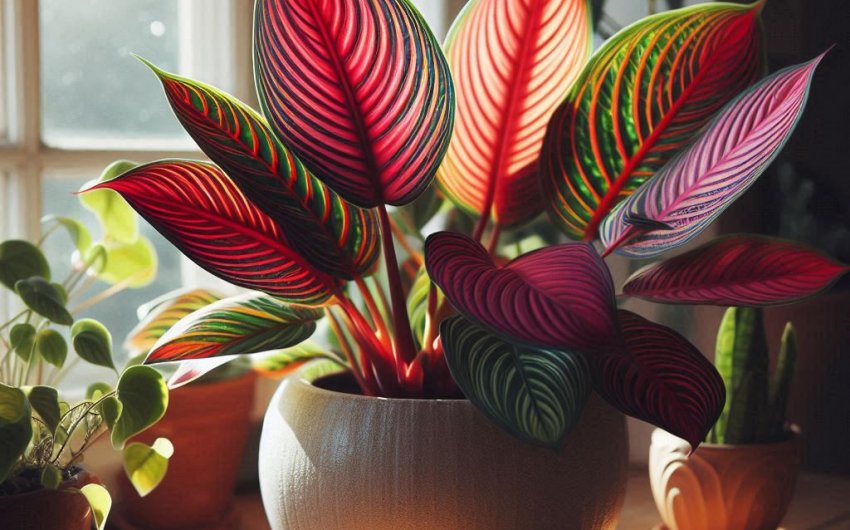
The intricate patterns and striking colors of Prayer Plants (Maranta leuconeura) make them truly captivating houseplants, adding a unique touch of living art to any indoor space. Known for their fascinating "prayer-like" movement—where leaves lie flat during the day and fold upwards at night—these tropical beauties are a joy to behold. While they have a reputation for being a bit finicky, understanding their specific needs is the key to successfully growing and caring for Maranta indoors, ensuring your plant remains vibrant, healthy, and a constant source of wonder.
What Makes the Prayer Plant (Maranta) So Unique?
Beyond their beautiful foliage, Prayer Plants possess several fascinating characteristics that set them apart in the world of houseplants.
What is Nyctinasty and Why Do Leaves Move?
The most defining feature of the Prayer Plant is its daily leaf movement, a phenomenon called nyctinasty.
- Daytime: During the day, the leaves lie flat or slightly spread out to maximize light absorption.
- Nighttime: As evening approaches, the leaves fold upwards, resembling hands clasped in prayer. This movement is controlled by specialized joints called pulvini, located at the base of the leaves and leaflets, which respond to light changes.
- Purpose: Scientists believe this movement helps reduce water loss at night and may also deter herbivores. It's a natural and mesmerizing display of the plant's connection to its environment.
Where Do Prayer Plants Come From Naturally?
Understanding their native habitat provides crucial clues for successful indoor care. Maranta leuconeura originates from the humid, tropical rainforests of Brazil.
- Understory Dwellers: In their natural environment, they grow on the forest floor, under the canopy of larger trees. This means they are accustomed to dappled, indirect light, not harsh direct sun.
- High Humidity: The rainforest is a very humid environment, explaining their strong preference for moist air.
- Rich, Well-Draining Soil: They grow in decaying leaf litter, which is rich in organic matter but drains well, preventing waterlogging.
What Are the Different Varieties of Maranta?
While Maranta leuconeura is the main species, there are several popular cultivars with stunning variations in leaf patterns and colors.
- 'Red Vein' (Maranta leuconeura erythroneura): This is the most common and recognizable variety, featuring vibrant red veins and a dark green background with lighter green patches along the midrib.
- 'Green Vein' (Maranta leuconeura 'Kerchoveana'): Often called the "rabbit's foot" or "herringbone" maranta due to its distinctive dark green or brownish-purple patches on light green leaves that resemble rabbit tracks or fish bones.
- 'Black Vein' (Maranta leuconeura 'Black Vein'): A rarer variety with very dark, almost black, veins.
- Related Plants: While sometimes grouped together, note that Calatheas are a closely related genus (also in the Marantaceae family) that also exhibit leaf movement and have similar care needs, but are often even more sensitive.
What Are the Essential Care Requirements for Prayer Plants Indoors?
Meeting the specific needs of your Maranta will lead to a thriving, beautiful specimen. Consistency is key!
How Much Light Does a Prayer Plant Need?
- Bright, Indirect Light is Ideal: Mimicking their natural understory habitat, Prayer Plants thrive in bright, indirect light. An east-facing window is often perfect, providing gentle morning sun. A north-facing window might be acceptable but could lead to slower growth and less vibrant colors.
- Avoid Direct Sunlight: Direct sun will scorch their delicate leaves, causing unsightly brown or bleached patches.
- Avoid Low Light: While they tolerate somewhat lower light, too little light will cause their vibrant leaf colors to fade, and growth will become leggy. Their "praying" movement may also be less pronounced.
How Do You Water a Prayer Plant Correctly?
Watering is one of the most critical aspects of Prayer Plant care. They are very sensitive to both overwatering and underwatering.
- Consistently Moist, Not Soggy: The soil should be kept consistently moist but never soggy or waterlogged. They hate drying out completely, which leads to crispy leaves, but they also hate sitting in wet feet, which causes root rot.
- The Finger Test: Check the top 1-2 inches of soil. If it feels barely damp, it's time to water. If it still feels wet, wait.
- Watering Technique: Water thoroughly until water drains from the bottom of the pot. Always discard any excess water in the saucer.
- Water Type is Crucial: This is a major point for Prayer Plants. They are highly sensitive to fluoride, chlorine, and other chemicals commonly found in tap water, which can cause brown tips and edges.
- Solution: Use distilled water, rainwater, or filtered water (from a Brita filter pitcher, for example). If using tap water, let it sit out for at least 24 hours to allow chlorine to dissipate (though fluoride remains).
- Reduce in Winter: During the cooler, darker winter months, their growth slows, and they require less frequent watering. Adjust your schedule accordingly.
What About Humidity and Temperature?
High humidity is non-negotiable for Prayer Plants. They originate from rainforests, and dry indoor air is their nemesis.
- High Humidity (60% or higher): This is essential for preventing brown, crispy leaf edges and tips, which are the most common complaint with these plants.
- Humidifier: The most effective way to provide consistent high humidity is with a room humidifier placed near the plant.
- Pebble Tray: Place the pot on a tray filled with pebbles and a little water (ensure the pot itself is not sitting in the water). As the water evaporates, it increases localized humidity.
- Grouping Plants: Grouping your Prayer Plant with other humidity-loving plants can create a microclimate with higher humidity.
- Misting: While popular, misting alone often isn't enough to provide sufficient humidity, and can sometimes encourage fungal issues if done improperly. If you mist, do so in the morning to allow leaves to dry.
- Consistent Warm Temperatures: Maintain consistent indoor temperatures between 65-80°F (18-27°C). Avoid sudden drops in temperature or cold drafts, which can shock the plant. Keep them away from air conditioning vents and open windows in cold weather.
What Kind of Soil and Pot Should You Use?
- Well-Draining, Aerated Potting Mix: A good soil mix for Prayer Plants should be rich in organic matter, slightly acidic, and most importantly, allow for excellent drainage while retaining some moisture.
- Recommended Mix: A mix designed for aroids or tropical plants is ideal. You can create your own by mixing regular indoor potting soil with components like perlite (for aeration), coco coir (for moisture retention), and orchid bark (for drainage and aeration). A good general indoor potting mix like FoxFarm Ocean Forest mixed with extra perlite works well.
- Drainage Holes are Essential: Always, always use a pot with drainage holes. Without proper drainage, water will sit around the roots, leading to root rot.
- Pot Size: Prayer Plants prefer to be slightly root-bound, but they do have shallow, spreading root systems. Repot only when necessary, typically every 1-2 years, moving up only one pot size at a time.
How Do You Fertilize a Prayer Plant?
- During Growing Season: Fertilize every 2-4 weeks during the active growing season (spring and summer).
- Balanced Liquid Fertilizer: Use a balanced liquid houseplant fertilizer (e.g., 5-5-5 or similar ratios) diluted to half strength.
- Avoid Dormancy: Do not fertilize during fall and winter when the plant's growth slows down. Over-fertilizing can lead to nutrient burn.
What About Pruning and General Maintenance?
- Pruning: Prune off any yellowing, brown, or leggy stems to encourage bushier growth and maintain a neat appearance. Use clean, sharp scissors.
- Cleaning Leaves: Regularly wipe down the leaves with a damp cloth to remove dust. This improves their ability to photosynthesize and helps you spot any early signs of pests. Avoid using leaf shine products.
What Are Common Problems with Prayer Plants and How Do You Fix Them?
Despite their beauty, Prayer Plants can be quite vocal about their displeasure. Here's how to interpret their signals and troubleshoot issues.
1. Brown, Crispy Leaf Edges or Tips
This is the most common issue, often leading people to believe Prayer Plants are "difficult."
- Cause: Almost always a sign of low humidity or sensitivity to tap water chemicals (fluoride/chlorine). Can also be from severe underwatering or too much direct sunlight.
- Solution:
- Increase Humidity: Use a humidifier, pebble tray, or group plants. This is the primary fix.
- Use Filtered Water: Switch to distilled, rainwater, or filtered water.
- Adjust Light: Move out of direct sun.
- Check Watering: Ensure consistent moisture without drying out completely.
2. Yellowing Leaves (Especially Lower Leaves)
- Cause:
- Overwatering: If leaves are yellowing and also mushy or soft, this is a strong indicator of overwatering and potential root rot.
- Underwatering: If leaves are yellowing AND crispy/shriveled, it's likely underwatering.
- Nutrient Deficiency: If consistent yellowing across new and old leaves, it could be a lack of nutrients (less common with proper fertilization).
- Natural Aging: Oldest leaves at the base naturally yellow and drop.
- Solution:
- Watering: Correct watering habits based on cause (allow to dry more for overwatering; water more for underwatering).
- Root Rot: If mushy, check roots; repot if necessary.
- Fertilize: Ensure proper fertilization during growing season.
- Prune: Remove naturally aging leaves.
3. Drooping Leaves (When Not "Praying")
- Cause:
- Underwatering: The most common cause. The plant is thirsty.
- Overwatering/Root Rot: Paradoxically, if roots are rotted, they can't absorb water, causing the plant to droop even in wet soil.
- Cold Shock: Sudden drop in temperature.
- Solution: Check soil moisture. If dry, water. If wet, suspect root rot and investigate roots. Ensure stable temperatures.
4. Fading Leaf Color or Lack of Movement
- Cause: Insufficient light. The plant isn't getting enough light to maintain its vibrant patterns or trigger its nyctinastic movement.
- Solution: Move the plant to a brighter spot with good indirect light.
5. Pests (Spider Mites, Mealybugs)
- Cause: Dry air often leads to spider mites. Mealybugs can appear regardless of humidity.
- Symptoms: Tiny webs (spider mites), sticky residue (honeydew from sap-suckers), tiny white cottony masses (mealybugs), yellow stippling on leaves.
- Solution:
- Increase Humidity: Helps deter spider mites.
- Wipe Leaves: Regularly wipe down leaves (top and bottom) with a damp cloth.
- Treat: Apply insecticidal soap or neem oil spray, following package directions. Repeat treatments may be necessary. Isolate affected plants.
How Do You Propagate Your Prayer Plant?
Propagating your Maranta is a rewarding way to expand your collection or share with friends.
1. Stem Cuttings in Water or Soil
This is the most common and effective method.
- Process: Select a healthy stem that has at least 2-3 leaves and a node (the point where a leaf attaches to the stem). Make a clean cut just below a node.
- Water Method: Place the cutting in a glass of water, ensuring the node is submerged. Roots should form in a few weeks. Change water every few days. Once roots are 1-2 inches long, transfer to soil.
- Soil Method: Plant the cutting directly into a small pot with well-draining potting mix, ensuring the node is covered. Keep the soil lightly moist and place in bright, indirect light.
- Humidity: High humidity is especially beneficial for rooting cuttings. A propagation dome or clear plastic bag over the pot can help create a humid mini-greenhouse.
2. Division
Ideal for larger, clumping Prayer Plants.
- Process: When repotting, gently remove the plant from its pot and examine the root ball. Identify natural sections that have their own root system and at least 3-4 leaves. Gently separate these sections by hand or with a clean, sharp knife.
- Potting Up: Plant each division into its own pot with fresh, well-draining potting mix.
- Care: Water lightly after repotting and keep in bright, indirect light. Treat as a newly repotted plant, meaning slightly less frequent watering for the first few weeks while it establishes.
By understanding these essential care requirements and embracing their love for humidity and consistent moisture, you can successfully grow and care for your Prayer Plant indoors, enjoying its captivating beauty and unique daily movements for years to come.