
Choosing Pots for Indoor Philodendron: A Comprehensive Guide
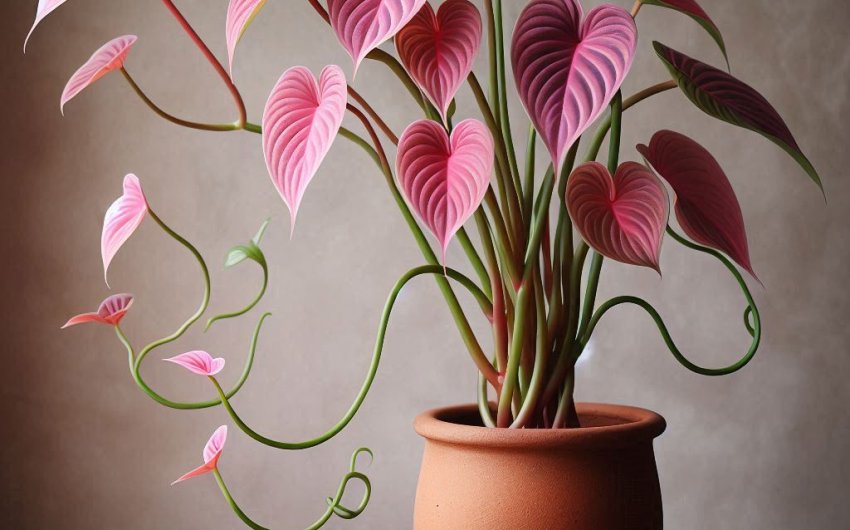
Choosing pots for indoor Philodendron plants requires prioritizing excellent drainage and selecting a size that allows for slight root snugness while accommodating future growth. The best pots typically feature ample drainage holes and are made from materials like terracotta or plastic, depending on your watering habits and the specific Philodendron type.
Why is Pot Selection So Important for Philodendron?
Pot selection is a foundational aspect of successful Philodendron care, directly influencing the plant's health, growth, and longevity. More than just a decorative choice, the right pot fundamentally affects two critical elements: drainage and aeration. Philodendrons, especially popular vining and climbing varieties, are typically epiphytic or hemi-epiphytic in their native tropical environments. This means their roots are accustomed to clinging to trees or rocks, experiencing abundant airflow and rapid drying after rainfall, rather than sitting in consistently wet soil.
If the pot doesn't facilitate this natural drainage and aeration, the potting mix can become waterlogged. This suffocates the roots by depriving them of oxygen, creating anaerobic conditions that lead to root rot – the number one killer of Philodendrons. Conversely, a pot that's too large can retain excessive moisture, while one that's too small can stunt growth. Therefore, making informed decisions when choosing pots for indoor Philodendron is crucial for preventing common problems and fostering a thriving, vibrant plant.
What are the Dangers of Poor Pot Selection for Philodendron?
Poor pot selection can lead to a cascade of problems for your Philodendron, often resulting in an unhealthy, struggling, or even dying plant. Understanding these dangers highlights why thoughtful consideration when choosing pots for indoor Philodendron is paramount.
The primary dangers stem from a pot's impact on soil moisture and root health:
- Root Rot (Most Significant Danger):
- Cause: This is the number one killer of Philodendrons and is almost always due to a lack of drainage. If a pot lacks drainage holes, or if the chosen material/size keeps the soil constantly wet, the roots are deprived of oxygen.
- Consequence: Anaerobic bacteria and fungi thrive in oxygen-deprived, soggy conditions, attacking and decomposing the roots. The roots turn mushy, black, or brown, become ineffective at absorbing water and nutrients, and the plant essentially drowns while appearing to "droop" from dehydration.
- Suffocated Roots:
- Cause: Even with drainage holes, if the pot material or the potting mix itself retains too much moisture, roots can still suffer from a lack of oxygen.
- Consequence: Stunted growth, yellowing leaves, and general lack of vigor as the roots are unable to function properly.
- Nutrient Lockout:
- Cause: Constantly wet soil conditions can alter the pH of the potting mix and make essential nutrients unavailable for the plant to absorb, even if they are present in the soil.
- Consequence: Symptoms of nutrient deficiencies, like yellowing leaves or stunted growth, even with proper fertilization.
- Algae and Fungus Gnat Infestations:
- Cause: Consistently wet topsoil (often due to poor drainage or oversized pots) is an ideal breeding ground for algae (which consumes nutrients) and fungus gnats (which are annoying and whose larvae can feed on delicate roots).
- Consequence: Annoying pests, potential root damage, and unsightly growth on the soil surface.
- Stunted Growth (from a pot that's too small):
- Cause: If the pot is too small, the roots become severely root-bound, having no room to expand.
- Consequence: The plant's overall growth slows or halts dramatically, leaves may be smaller, and the plant becomes prone to drying out very quickly.
- Physical Instability (for climbing/large Philodendrons):
- Cause: A lightweight or unstable pot that's not proportionate to the size of a large, vining, or climbing Philodendron.
- Consequence: The plant can easily tip over, causing damage to the plant and surrounding items.
These dangers underscore that choosing pots for indoor Philodendron is not just about aesthetics; it's a critical decision that directly impacts the plant's fundamental health and ability to thrive.
What is the Most Important Feature When Choosing Pots for Philodendron?
When choosing pots for indoor Philodendron plants, one feature stands head and shoulders above all others in importance: drainage holes. This is the single most critical aspect that directly impacts the plant's health and prevents the most common cause of death – root rot.
Drainage Holes: Non-Negotiable
- Why They Are Critical: Philodendrons, as tropical plants, are adapted to conditions where their roots receive ample oxygen and do not sit in standing water. In nature, they often cling to trees or grow on the forest floor where water drains quickly. When potted, drainage holes allow excess water to escape immediately after watering.
- Preventing Root Rot: Without drainage holes, excess water collects at the bottom of the pot, creating a perpetually soggy environment. This suffocates the roots by depriving them of oxygen and fosters the growth of harmful anaerobic bacteria and fungi, leading to roots turning black, mushy, and eventually dying.
- Flushing Salts: Drainage holes also allow for thorough watering (when water flows freely through the soil), which helps flush out accumulated mineral salts from fertilizers and tap water. Without proper flushing, these salts can build up and burn the roots over time.
- Visible Drainage: Always ensure the drainage holes are clear and not blocked by soil or debris. You can place a small piece of mesh screen over the hole before adding soil, but avoid using gravel at the bottom, as it actually hinders drainage rather than helping it.
The Problem with No Drainage Holes:
Many beautiful decorative pots come without drainage holes. While tempting for aesthetic reasons, never plant a Philodendron directly into a pot without drainage holes. If you love a cachepot (a decorative outer pot), always:
- Plant in a nursery pot (with drainage holes).
- Place the nursery pot inside the cachepot.
- Ensure the nursery pot is elevated (e.g., on pebbles or a small riser) within the cachepot so it never sits in standing water after watering.
- Always empty any excess water from the cachepot after watering.
By prioritizing pots with ample drainage holes, you create the necessary foundation for a healthy root system, making your decision on choosing pots for indoor Philodendron truly beneficial for your plant.
What is the Best Pot Material for Indoor Philodendron?
The choice of pot material significantly impacts how moisture is retained and exchanged with the environment, making it a key consideration when choosing pots for indoor Philodendron. Different materials suit different watering habits and home environments.
Here's a breakdown of the best pot materials for indoor Philodendron:
Terracotta / Unglazed Ceramic Pots (Highly Recommended):
- Pros:
- Porous: This is their greatest advantage. Terracotta allows water to evaporate through the pot's walls, which helps the soil dry out faster. This is excellent for Philodendrons, which prefer well-draining soil and are susceptible to root rot from overwatering.
- Breathability: Promotes better air circulation to the roots.
- Weight: Heavier than plastic, providing good stability for vining or larger Philodendrons.
- Aesthetics: Natural, earthy look that complements many plant species.
- Cons:
- Dries out faster: May require more frequent watering, especially in warm, dry environments.
- Can develop mineral salt buildup on the outside over time (white crust).
- Breakable.
- Best for: Beginners, those prone to overwatering, or plants in very humid environments. Look for Terracotta Pots with Drainage.
- Pros:
Plastic / Nursery Pots (Very Common & Practical):
- Pros:
- Lightweight: Easy to move around.
- Retains Moisture: Less porous, so the soil stays moist for longer, meaning less frequent watering. Good for busy individuals or drier homes.
- Inexpensive: Readily available and affordable.
- Flexible: Can be gently squeezed to loosen root-bound plants for repotting.
- Cons:
- Less Breathable: Can contribute to overwatering if care isn't taken, as soil dries slower.
- Can look less aesthetically pleasing on its own (often placed inside a decorative cachepot).
- Best for: Experienced growers who monitor soil moisture carefully, those in dry climates, or for using as inner pots inside cachepots. Look for Plastic Nursery Pots with Drainage.
- Pros:
Glazed Ceramic Pots:
- Pros:
- Aesthetics: Come in a vast array of colors, finishes, and designs. Can be a beautiful decorative element.
- Retains Moisture: Similar to plastic, they are non-porous and keep soil moist for longer.
- Cons:
- Heavy: Can be difficult to move, especially for larger plants.
- Breakable: Prone to chipping or breaking if dropped.
- Less Breathable: Requires very careful watering to avoid root rot.
- Often more expensive.
- Best for: Experienced growers who have good watering habits and prioritize aesthetics, or plants that prefer slightly more consistent moisture (ensure excellent drainage holes are present!).
- Pros:
Self-Watering Pots (Use with Extreme Caution):
- How it Works: These pots have a reservoir at the bottom and a wicking system that draws water up into the soil.
- Pros: Can provide consistent moisture, reducing watering frequency.
- Cons (for Philodendron): Often keep the bottom layers of soil too consistently wet, which is detrimental to Philodendron roots and can easily lead to root rot.
- Recommendation: Generally not recommended for Philodendrons unless you are highly experienced and understand how to manage the system to allow for dry periods between fills.
By weighing the pros and cons of each material against your personal watering habits and home environment, you can make an informed decision when choosing pots for indoor Philodendron. For most beginners, terracotta offers the safest bet for preventing root rot.
What is the Ideal Pot Size for Indoor Philodendron?
Choosing the ideal pot size is just as important as selecting the right material and ensuring drainage when choosing pots for indoor Philodendron. The wrong pot size can lead to significant problems, impacting both growth and root health.
Key Principle: Philodendrons Like to Be Snug, But Not Severely Root-Bound
Philodendrons generally prefer their roots to be a bit snug in their pot. This encourages the plant to focus its energy on foliage growth rather than just root production. However, "snug" is not "severely root-bound."
Understanding Pot Sizing:
- When Repotting, Go Up One Size: The golden rule for repotting. When your Philodendron has outgrown its current pot, choose a new pot that is only 1-2 inches larger in diameter than the current one.
- Example: If your plant is in a 6-inch pot, move it to an 8-inch pot.
- Why Not Too Big?
- Overwatering Risk: A pot that is too large for the root ball will contain an excessive amount of potting mix. This extra soil will retain more moisture than the plant's roots can absorb quickly, leading to the soil staying soggy for too long. This dramatically increases the risk of root rot.
- Slowed Growth: The plant will initially focus all its energy on filling the large pot with roots before it puts out significant new foliage, leading to a period of seemingly stunted growth above ground.
- Why Not Too Small? (Severely Root-Bound):
- Stunted Growth: Roots become so dense they have no room to expand, leading to significantly slowed or halted overall plant growth. New leaves will be smaller.
- Rapid Drying: The plant will dry out excessively quickly, requiring very frequent watering.
- Nutrient Depletion: Soil degrades and depletes nutrients rapidly, leading to deficiencies.
- Physical Damage: Roots may start circling excessively, pushing the plant up out of the pot, or even cracking plastic pots.
Signs Your Philodendron Needs a Slightly Larger Pot:
- Roots Emerging from Drainage Holes: A clear sign.
- Roots Circling on Top of Soil: Roots visible on the soil surface, forming dense mats.
- Water Runs Straight Through: Water immediately drains without soaking the soil (often due to dense roots preventing absorption).
- Plant Lifting from Pot: The entire root ball seems to be pushing upwards out of the container.
- Rapid Drying Out: The plant dries out excessively quickly, requiring daily or every-other-day watering in conditions where it previously needed less frequent watering.
- Stalled Growth: The plant has stopped producing new leaves, despite adequate light and consistent watering.
How to Select the Right Size:
- When you remove your Philodendron from its current pot, observe the root ball. If it's a dense mass of roots with little soil left, it's time for an upgrade. If there's still plenty of soil space, it's not ready.
By adhering to the "one size up" rule and repotting only when your Philodendron signals its need, you ensure it has adequate space without risking overwatering, optimizing your approach to choosing pots for indoor Philodendron.
How Does Pot Choice Affect Watering Frequency?
The interplay between pot choice and watering frequency is one of the most critical lessons when choosing pots for indoor Philodendron. The material and size of the pot directly influence how quickly the potting mix dries out, which in turn dictates how often you need to water to prevent both underwatering and, more dangerously, overwatering.
Here's how pot choice impacts watering frequency:
Pot Material:
- Terracotta/Unglazed Ceramic Pots:
- Effect: Dries out faster. Their porous nature allows water to evaporate not just from the top surface but also through the sides of the pot.
- Watering Frequency: You will likely need to water more frequently when using terracotta pots compared to plastic or glazed ceramic. This can be beneficial if you tend to overwater, as it reduces the risk of root rot.
- Plastic Pots / Glazed Ceramic Pots:
- Effect: Retain moisture for longer. These materials are non-porous, so water only evaporates from the top surface of the soil and through the drainage holes.
- Watering Frequency: You will likely need to water less frequently when using these pots. This is good if you're busy or in a dry environment, but requires more careful monitoring to prevent overwatering.
- Terracotta/Unglazed Ceramic Pots:
Pot Size:
- Larger Pots:
- Effect: Retain more soil volume, which holds more water. This leads to the soil staying wet for longer periods.
- Watering Frequency: If the pot is too large for the plant's root ball, you will need to water much less frequently to avoid root rot. This often leads to overwatering problems because the plant can't absorb all the moisture fast enough, and the soil remains soggy.
- Smaller Pots / Snug Pots:
- Effect: Contain less soil volume, which holds less water. The plant's roots fill the space and absorb water efficiently, and evaporation occurs faster.
- Watering Frequency: You will need to water more frequently when using smaller or snug pots. This is generally preferred by Philodendrons, as it allows for frequent, thorough watering followed by faster drying, mimicking their natural habitat.
- Larger Pots:
Drainage Holes:
- Effect: Good drainage holes allow excess water to escape immediately.
- Watering Frequency: Facilitates thorough watering without the risk of stagnant water. Without them, you'd have to water extremely sparingly, leading to inconsistent moisture or constant fear of rot.
Practical Implications for Watering:
- Adjust to the Pot, Not Just the Plant: Don't assume the same watering schedule works across different pots. A Philodendron in a large plastic pot will need far less frequent watering than the same size Philodendron in a smaller terracotta pot.
- Always Check Soil Moisture: Regardless of pot type or size, the golden rule remains: always check the soil moisture (top 2-3 inches dry for Philodendrons) before watering. This is your most reliable indicator.
- Match Pot to Watering Habits: If you tend to be an "overwaterer," terracotta pots can be your best friend. If you're a "forgetful waterer," plastic or glazed ceramic might be more forgiving, provided you monitor closely.
By understanding how pot choice influences water retention and evaporation, you can fine-tune your watering routine, making it much easier to keep your Philodendron healthy and vibrant. This knowledge is paramount when choosing pots for indoor Philodendron.
Should I Use Cachepots for My Philodendron?
The decision to use cachepots (decorative outer pots without drainage holes) for your Philodendron is common, largely driven by aesthetics. While they offer many decorative advantages, they require careful management to prevent the most common problems for Philodendrons: overwatering and root rot. When choosing pots for indoor Philodendron, cachepots add an extra layer of consideration.
Benefits of Using Cachepots:
- Aesthetic Appeal: This is the primary reason. Cachepots allow you to showcase your Philodendron in a wide variety of stylish and decorative containers that match your home decor, without being limited to the functional look of a plastic nursery pot.
- Conceals Nursery Pots: They neatly hide the often-plain plastic nursery pot, which often has drainage holes that can leak onto surfaces.
- Prevents Leaks: If managed correctly, cachepots can help contain any excess water that drains from the inner nursery pot, protecting furniture and floors.
- Easy to Move: It's often easier to lift a decorative cachepot than a messy nursery pot.
Dangers and How to Avoid Them:
The main danger of using cachepots is inadvertently allowing the inner pot to sit in standing water, leading to root rot.
- The "Swimming Pool" Effect (Major Danger):
- Problem: If the inner nursery pot sits directly in the pooled water that drains into the cachepot, the soil in the inner pot becomes perpetually waterlogged. This suffocates the roots and quickly leads to root rot.
- Solution: Always elevate the inner nursery pot within the cachepot. You can use:
- Pebbles or Pot Risers for Plants / Pot Feet: Place a layer of pebbles (e.g., Decorative Terrarium Pebbles) at the bottom of the cachepot, or use small ceramic or plastic risers, to lift the nursery pot above any standing water.
- Forgetting to Empty Excess Water (Common Mistake):
- Problem: Even if elevated, if water accumulates in the cachepot for extended periods, it still increases the humidity around the inner pot's base unnecessarily and can create a stagnant, anaerobic environment.
- Solution: Always empty any excess water from the cachepot within 15-30 minutes of watering. Make it a habit. You might need to check again after an hour or two to catch any slow drips.
- Lack of Airflow:
- Problem: A tightly fitting cachepot can restrict airflow around the inner nursery pot, contributing to slow drying of the soil.
- Solution: Choose cachepots that are slightly larger than the nursery pot, allowing for some air circulation around the sides.
Best Practice for Cachepots:
- Watering Outside the Cachepot: The safest method is to remove your Philodendron in its nursery pot from the cachepot for watering. Take it to a sink or tub, water thoroughly until it drains, allow it to drain completely for 15-30 minutes, and then return it to the dry cachepot. This eliminates almost all risks.
- Monitor Moisture: Continuously monitor your Philodendron's soil moisture. Cachepots can sometimes make it harder to gauge how quickly the soil is drying compared to a terracotta pot.
Using cachepots can certainly enhance the beauty of your Philodendron display. Just be mindful of the potential pitfalls and diligent in your watering practices to ensure your choosing pots for indoor Philodendron strategy leads to healthy, thriving plants.