
How to Clean and Maintain Outdoor Furniture?
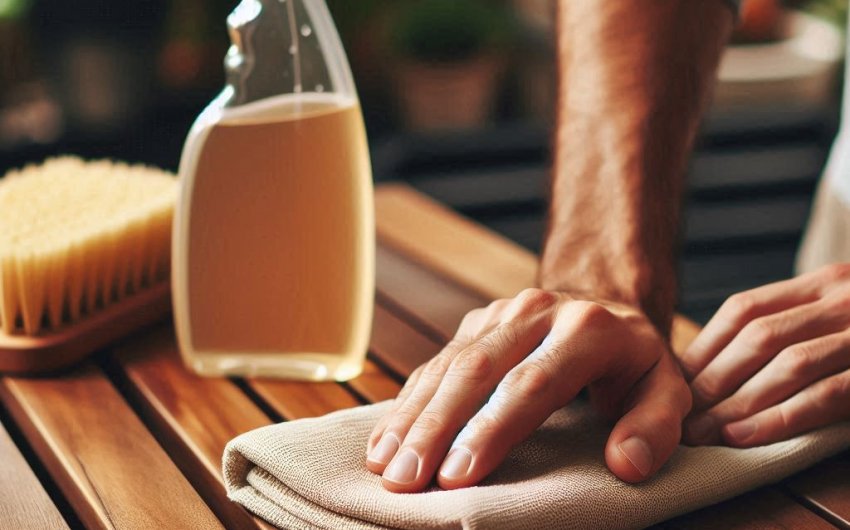
Keeping your outdoor living space inviting and presentable requires diligent attention to your patio furnishings. Learning how to clean and maintain outdoor furniture is essential for preserving its appearance, extending its lifespan, and ensuring it remains a comfortable spot for relaxation and entertainment. This guide will cover various materials and effective strategies to keep your pieces looking their best season after season.
Why is Cleaning and Maintaining Outdoor Furniture Important?
Regular care for your outdoor furniture goes beyond just aesthetics. It plays a crucial role in its longevity and your enjoyment of your outdoor space.
- Extends Lifespan: Consistent cleaning and maintenance prevent the buildup of dirt, grime, and environmental contaminants that can degrade materials over time, leading to rust, rot, fading, or cracking. This directly translates to your furniture lasting for many more years, saving you money on replacements.
- Preserves Appearance: Dirt, pollen, bird droppings, and mildew can quickly make outdoor furniture look old and neglected. Regular cleaning keeps it looking fresh, vibrant, and appealing, enhancing the overall look of your patio or deck.
- Ensures Comfort and Hygiene: Nobody wants to sit on dirty, moldy cushions or sticky surfaces. Keeping furniture clean ensures it's a pleasant and hygienic place to relax, dine, or entertain.
- Prevents Damage: For materials like wood or metal, proper maintenance can prevent issues such as wood rot, splinters, or rust, which not only look bad but can also compromise the structural integrity of the furniture.
- Maintains Value: If you ever decide to sell your outdoor furniture or even your home, well-maintained pieces will hold their value much better than neglected ones.
What Are the General Cleaning Steps for All Outdoor Furniture?
Before diving into material-specific care, a set of universal steps can be applied to almost any type of outdoor furniture. These foundational actions help remove loose debris and prepare the surface for a more thorough cleaning.
Initial Preparation
Before you even think about soap and water, a little prep work can make a big difference in the effectiveness and ease of your cleaning efforts.
- Clear the Area: Move any furniture away from walls, railings, or other obstructions to ensure you have full access to all surfaces. This also protects surrounding areas from splashes.
- Remove Cushions and Fabrics: Take off all removable cushions, pillows, and fabric slings. These will be cleaned separately, as their material often requires different care than the furniture frame.
- Brush Off Loose Debris: Use a soft-bristled brush, a broom, or even a dry cloth to brush away any loose dirt, dust, leaves, cobwebs, or pollen from the furniture frames. Pay attention to crevices and joints where debris can accumulate.
- Hose Down: Give the furniture a good rinse with a garden hose. This helps remove remaining loose particles and wets the surface, preparing it for the cleaning solution. Avoid using a high-pressure washer unless specifically recommended for the material, as it can damage some surfaces.
Basic Cleaning Solution
For most general cleaning, a simple, homemade solution is often the safest and most effective choice, avoiding harsh chemicals that could harm finishes or the environment.
- Mix Mild Soap and Water: In a bucket, combine warm water with a small amount of mild liquid dish soap. About one to two tablespoons per gallon of water is usually sufficient. Look for a soap that is gentle and doesn't contain harsh degreasers or bleaches.
- Test in an Inconspicuous Area: Always test your cleaning solution on a small, hidden spot of the furniture first. This ensures that it won't cause discoloration, streaking, or damage to the material's finish.
- Apply with a Soft Cloth or Sponge: Dip a soft cloth, sponge, or soft-bristled brush into the solution and gently wipe down all surfaces of the furniture. For stubborn grime, allow the solution to sit for a few minutes to loosen the dirt, but don't let it dry on the surface.
- Scrub Gently (If Needed): For areas with more stubborn dirt or light mildew, use a soft-bristled brush to gently scrub. Avoid abrasive scrubbers that can scratch surfaces.
- Rinse Thoroughly: This is a crucial step. Rinse the furniture thoroughly with a garden hose to remove all soap residue. Leftover soap can attract more dirt, leave streaks, or even damage some finishes over time. Ensure water drains properly from all crevices.
- Dry Completely: Allow the furniture to air dry completely in the sun, or wipe it down with a clean, dry cloth. Ensuring the furniture is fully dry helps prevent water spots and the growth of mold or mildew, especially in tight corners or hidden areas.
These general steps form the backbone of how to clean and maintain outdoor furniture efficiently, preparing your pieces for more specialized care if needed.
How Do You Clean and Maintain Metal Outdoor Furniture?
Metal furniture, whether aluminum, wrought iron, or steel, is popular for its durability but requires specific care to prevent rust and maintain its finish. Understanding these material differences is key.
Aluminum Furniture
Aluminum is prized for being lightweight and rust-resistant, making it a low-maintenance option. However, it still benefits from regular cleaning and occasional protection.
- Regular Cleaning: For general cleaning, use the basic soap and water solution described above. Aluminum can accumulate dirt, pollen, and environmental film.
- Mildew Removal: If mildew appears (often as black spots), mix one part white vinegar with two parts water, or use a very diluted bleach solution (1/4 cup bleach per gallon of water). Apply with a soft cloth, let it sit for a few minutes, scrub gently with a soft brush, and rinse thoroughly. Always test bleach solutions on an inconspicuous area first.
- Rust Prevention (for painted aluminum): While raw aluminum doesn't rust, painted or powder-coated aluminum can chip, exposing the bare metal to oxidation, which looks like white, chalky residue. Touch up any scratches or chips with matching touch-up paint designed for outdoor metals to prevent this.
- Protection: Apply a coat of liquid car wax or a specialized aluminum furniture protectant once or twice a year after cleaning. This adds a protective layer, enhances shine, and makes future cleaning easier.
Wrought Iron Furniture
Wrought iron is heavy and sturdy but is highly susceptible to rust if its protective finish is compromised. Proper care focuses on rust prevention and remediation.
- Regular Cleaning: Use the mild soap and water solution for routine cleaning. Scrub gently with a soft brush to get into any ornate details. Rinse thoroughly.
- Rust Spot Treatment: If rust spots appear, they should be addressed immediately.
- Light Rust: Gently scrub with a wire brush or steel wool.
- Stubborn Rust: Use a rust-removing solution or sand the area with fine-grit sandpaper until the rust is gone. Wear gloves and eye protection.
- Repainting and Sealing: After treating rust, prime the affected area with a rust-inhibiting primer. Then, apply a high-quality outdoor metal paint (like Rust-Oleum) in a matching color. For overall protection, consider repainting the entire piece every few years. A clear sealant can also be applied for extra protection.
- Protection: Apply a coat of clear car wax or a wrought iron sealant after cleaning and painting to add a protective barrier against moisture. During winter or extended periods of non-use, store wrought iron furniture indoors or cover it with a breathable, waterproof furniture cover.
Steel Furniture
Steel furniture, often found in tubular designs, is also prone to rust, especially if its powder coating or paint chips. Care is similar to wrought iron, emphasizing rust prevention.
- Regular Cleaning: Clean with mild soap and water and rinse well.
- Address Scratches and Chips: Inspect regularly for any scratches or chips in the finish. These are entry points for moisture and rust.
- Rust Treatment: Treat rust spots as you would for wrought iron: scrub with a wire brush or sandpaper, prime with a rust-inhibiting primer, and touch up with outdoor metal paint.
- Protection: Consider applying a rust-inhibiting clear coat or a furniture wax specifically designed for outdoor metal furniture after cleaning. Storing steel furniture under cover or using outdoor furniture covers when not in use is highly recommended to protect against moisture.
By focusing on rust prevention and immediate treatment, you can significantly extend the life and beauty of your metal outdoor furniture, making the effort of how to clean and maintain outdoor furniture worthwhile.
How Do You Clean and Maintain Wood Outdoor Furniture?
Wood outdoor furniture, from teak to cedar to painted wood, offers natural beauty but requires consistent care to prevent weathering, rot, and fading. The type of wood and its finish dictate the specific maintenance approach.
Teak and Other Hardwoods (e.g., Shorea, Eucalyptus)
These woods are naturally rich in oils, making them highly resistant to rot, insects, and decay. They often age to a beautiful silvery-gray patina, which some prefer, while others opt to maintain the original color.
- Regular Cleaning: Use the basic soap and water solution and a soft brush to clean off dirt and mildew. Rinse thoroughly.
- Restoring Color (Optional): If you prefer the original honey-brown color of teak, you'll need to clean it more aggressively and apply a sealant.
- Teak Cleaner: Use a specialized teak cleaner and a soft-bristled brush. Follow product instructions carefully. These cleaners often contain brighteners to lift the graying.
- Sanding (for stubborn stains/weathering): Lightly sand with fine-grit sandpaper (120-220 grit) in the direction of the wood grain to remove stubborn stains or deeply weathered layers.
- Teak Sealer or Oil: Once clean and dry, apply a teak sealer or teak oil. Sealers offer longer-lasting protection against graying, while oils need more frequent reapplication but nourish the wood. Apply according to product directions, typically annually or bi-annually.
- Protect from Elements: Even naturally durable woods benefit from protection. Cover them during heavy rain or store them indoors during the off-season.
Softwoods (e.g., Pine, Cedar, Fir)
These woods are often less expensive but are more susceptible to rot, insect damage, and weathering than hardwoods. They usually come painted, stained, or pressure-treated.
- Regular Cleaning: Clean with mild soap and water. For painted or stained surfaces, avoid harsh scrubbing that could damage the finish.
- Addressing Mold/Mildew: For painted or stained wood, a solution of 1/4 cup bleach per gallon of water can be used for mildew, but always test first and rinse thoroughly. For unsealed cedar, a white vinegar solution is safer.
- Inspecting for Damage: Regularly check for splinters, cracks, or signs of rot. Address small issues promptly to prevent them from worsening.
- Repainting or Restaining: Painted or stained softwoods will need their finish refreshed every few years, or when signs of chipping, peeling, or fading appear.
- Preparation: Lightly sand the surface to remove loose paint/stain and create a smooth base. Clean thoroughly.
- Application: Apply a high-quality exterior wood paint or outdoor wood stain. Ensure the product is suitable for outdoor use and matches your desired look.
- Protection: Softwood furniture greatly benefits from being covered with furniture covers during inclement weather and stored indoors during the off-season.
Painted Wood Furniture
Painted wood provides a splash of color but needs its finish protected to prevent peeling and mold.
- Gentle Cleaning: Use only mild soap and water and a soft cloth or sponge. Avoid abrasive scrubbers that can scratch or remove paint.
- Mildew on Paint: If mildew appears, gently wipe with a solution of 1 part white vinegar to 2 parts water. A very diluted bleach solution (1/4 cup bleach per gallon of water) can be used cautiously on stubborn spots, but test thoroughly first as bleach can affect paint color over time.
- Touch-ups: Inspect for chips or peeling paint. Lightly sand the affected area, clean it, prime if necessary, and apply matching exterior paint. Regular touch-ups prevent moisture from getting under the paint and causing widespread peeling.
- Winter Storage: Store painted wood furniture indoors or under a good cover during winter to prevent freezing and thawing cycles from damaging the paint.
With proper care, your wood outdoor furniture can remain a beautiful and comfortable part of your outdoor living area for many seasons. Knowing how to clean and maintain outdoor furniture is crucial for preserving its natural charm.
How Do You Clean and Maintain Wicker and Resin Outdoor Furniture?
Wicker and resin furniture are popular for their intricate designs and relatively low maintenance. While traditional natural wicker requires more delicate care, modern synthetic resin wicker is incredibly durable and easy to clean.
Natural Wicker (Rattan, Willow, Cane)
Natural wicker is made from plant materials and is beautiful but more susceptible to moisture damage and cracking from extreme dryness. It's often found on covered porches or sunrooms rather than fully exposed outdoor areas.
- Dusting and Vacuuming: Regularly dust natural wicker with a soft cloth or a feather duster. Use a vacuum cleaner with a brush attachment to remove dust and debris from the woven crevices.
- Gentle Cleaning: For a deeper clean, use a very mild soap and water solution. Dip a soft cloth into the solution, wring it out almost dry, and wipe down the wicker. Avoid saturating the material, as too much moisture can cause swelling or mildew.
- Brush for Crevices: Use a soft brush (like an old toothbrush) to gently clean stubborn dirt from tight spots.
- Rinse (Minimal): If rinsing is necessary, use a damp cloth or a very light mist from a hose, being careful not to soak the wicker. Immediately dry with a clean cloth.
- Addressing Mildew: If mildew occurs, gently wipe with a solution of white vinegar and water (1:1 ratio). Ensure the wicker dries completely afterward.
- Preventing Cracking: To prevent the wicker from becoming brittle and cracking in very dry climates, you can lightly mist it with water occasionally or wipe it down with a damp cloth. Some recommend applying a very thin coat of lemon oil a few times a year.
- Protection: Natural wicker should always be covered or stored indoors during rain, high humidity, or winter months. It's not designed for prolonged exposure to outdoor elements.
Resin Wicker (All-Weather Wicker, Synthetic Wicker, HDPE Wicker)
Resin wicker is made from synthetic materials (usually HDPE - High-Density Polyethylene) that are designed to look like natural wicker but are much more durable and weather-resistant. This is the most common type of "wicker" found outdoors today.
- Regular Cleaning: Resin wicker is very easy to clean. Use the basic mild soap and water solution and a soft cloth or sponge. For dirt trapped in the weave, a soft-bristled brush or an old toothbrush works well.
- Rinse Thoroughly: Hose down the furniture completely to remove all soap residue. Resin wicker can handle a good rinse.
- Stubborn Stains/Mildew: For more stubborn stains or mildew, a solution of 1/4 cup bleach per gallon of water can be used cautiously. Always test in an inconspicuous area first, apply with a soft cloth, let it sit for a few minutes, scrub gently, and rinse thoroughly. For a bleach-free alternative, white vinegar and water also work.
- Pressure Washer (with Caution): Some resin wicker can withstand a low-pressure setting on a pressure washer, but this should be done very carefully from a distance to avoid damaging the weave. Always start with the lowest setting and increase gradually if needed. Test first.
- Protection: While very durable, resin wicker can still fade over time from prolonged UV exposure. Applying an outdoor furniture protectant with UV inhibitors once or twice a year can help maintain its color and finish.
- Winter Storage: Though highly weather-resistant, storing resin wicker indoors or covering it during extreme winter conditions will further extend its life and preserve its appearance.
Understanding the difference between natural and resin wicker is fundamental to successful how to clean and maintain outdoor furniture practices, ensuring each type receives the appropriate care.
How Do You Clean and Maintain Plastic and Sling Outdoor Furniture?
Plastic and sling-style outdoor furniture are common choices due to their affordability, lightweight nature, and varying degrees of durability. Each material has distinct cleaning needs to keep them looking fresh.
Plastic (Resin) Furniture
This category includes molded plastic chairs, tables, and lounge chairs, often made from polypropylene or other synthetic resins. They are generally very easy to clean but can accumulate dirt and sometimes develop mold or mildew.
- Regular Cleaning: For routine cleaning, the basic mild soap and water solution works perfectly. Use a soft cloth or sponge to wipe down all surfaces.
- Stubborn Stains and Scuffs: For more stubborn dirt or scuff marks, a Mr. Clean Magic Eraser or a soft brush can be effective. For ground-in dirt, a paste made of baking soda and water can be gently scrubbed on, then rinsed.
- Mildew and Algae: Plastic is prone to mildew and algae growth in damp, shady conditions.
- White Vinegar: A solution of equal parts white vinegar and water is often sufficient for light mildew.
- Bleach Solution: For more persistent mildew or algae, mix 1/4 cup of bleach per gallon of water. Apply, let sit for a few minutes, scrub gently with a soft brush, and rinse thoroughly. Always test the bleach solution on an inconspicuous spot first to ensure it doesn't discolor the plastic.
- Pressure Washer (Low Setting): Plastic furniture can often be cleaned with a pressure washer on a very low setting and from a safe distance. Start with the widest nozzle and lowest pressure to avoid etching or damaging the surface.
- Restoring Shine/Preventing Fading: Over time, plastic can become chalky or fade due to UV exposure.
- Plastic Cleaner/Restorer: There are specialized plastic outdoor furniture cleaners and restorers that can help restore shine and protect against UV damage.
- Car Wax: A coat of liquid car wax (non-abrasive) can also be applied to help protect the surface and make future cleaning easier.
- Winter Storage: Store plastic furniture indoors during extreme cold, as it can become brittle and crack in freezing temperatures.
Sling Furniture
Sling furniture features a fabric mesh stretched tightly over a frame (often aluminum). The fabric is typically made from PVC-coated polyester or olefin, designed to be durable and quick-drying.
- Brush Off Loose Debris: Start by brushing or vacuuming any loose dirt, leaves, or pollen from the sling fabric.
- Mild Soap and Water: Mix a mild liquid soap (like dish soap or an outdoor fabric cleaner) with warm water.
- Apply and Scrub Gently: Apply the solution to the fabric with a soft-bristled brush or sponge. Gently scrub the entire surface, paying attention to stained areas or where dirt might be embedded in the weave.
- Rinse Thoroughly: Rinse the fabric completely with a garden hose until all soap residue is gone.
- Address Mildew/Stubborn Stains: For mildew, black spots, or stubborn stains on sling fabric:
- Bleach Solution: A diluted bleach solution (1/4 cup bleach per gallon of water) is often recommended for many sling fabrics. Test in an inconspicuous area first. Apply the solution, let it sit for a few minutes, scrub, and rinse thoroughly.
- Specialized Cleaner: Alternatively, use a fabric outdoor cleaner designed for mildew removal.
- Allow to Air Dry Completely: Ensure the sling fabric dries completely in the sun before putting it away or covering it, as damp fabric can encourage mildew growth.
- Protection: Consider applying a fabric protectant with UV inhibitors, such as 303 Aerospace Protectant or a general outdoor fabric protector spray, after cleaning and drying. This helps repel water and prevent fading.
Consistent cleaning and proper handling are essential how to clean and maintain outdoor furniture made from plastic and sling materials, ensuring their longevity and continued visual appeal.
How Do You Clean and Maintain Outdoor Cushions and Fabrics?
Outdoor cushions, pillows, and other fabric elements are often the first to show signs of wear, fading, and mildew due to direct exposure to the elements. Proper cleaning and protection are crucial for their longevity and comfort.
General Cushion Cleaning Steps
Regardless of the fabric type, a few universal steps apply to cleaning most outdoor cushions and pillows.
- Remove Covers (If Possible): Many outdoor cushions have removable, zippered covers. If so, take them off. This makes washing much easier and allows the foam insert to air out.
- Brush Off Loose Debris: Use a stiff brush or a vacuum cleaner with an upholstery attachment to remove loose dirt, dust, pollen, and cobwebs from both the covers and the foam inserts.
- Spot Treat Stains: For isolated stains (food, drink, bird droppings), create a paste with mild soap and water, apply it directly to the stain, let it sit for a few minutes, and gently scrub with a soft brush.
- Hose Down: Give the entire cushion cover or the cushion itself (if not removable) a good rinse with a garden hose.
- Prepare Cleaning Solution: In a bucket, mix warm water with a mild liquid detergent. For most outdoor fabrics, liquid dish soap, laundry detergent, or a specialized outdoor fabric cleaner will work. Avoid harsh chemicals unless dealing with severe mildew.
- Wash (Hand or Machine):
- Removable Covers: Check the care tag. Many can be machine washed on a gentle cycle with cold water and mild detergent. Air dry only; do not put in a dryer, as this can cause shrinking or damage the fabric's protective coating.
- Non-Removable Covers or Foam Inserts: Use a soft-bristled brush or sponge to apply the cleaning solution directly to the fabric. Scrub gently but thoroughly.
- Rinse Thoroughly: This is critical. Rinse cushions completely with a garden hose to remove all soap residue. Leftover soap can attract dirt and promote mildew growth. Ensure water drains from foam inserts.
- Dry Completely: Stand cushions on their side to help water drain and encourage airflow. Allow them to air dry completely in the sun. This may take several hours or even a day, depending on thickness and humidity. Ensure they are bone dry before storing or putting them back on furniture to prevent mildew.
Dealing with Stubborn Mildew
Mildew is a common problem on outdoor fabrics due to moisture and humidity.
- Vinegar Solution: For light mildew, a solution of equal parts white vinegar and water can be sprayed on, allowed to sit, and then scrubbed and rinsed.
- Bleach Solution (Use with Caution): For tougher mildew on colorfast fabrics, a solution of 1/4 cup bleach per gallon of water can be used. Always test a small, inconspicuous area first to ensure the bleach won't damage or discolor the fabric. Apply with a spray bottle, let sit for 10-15 minutes (or as per product instructions if using a commercial mildew remover), scrub gently, and rinse very thoroughly.
- Specialized Mildew Removers: Several commercial outdoor fabric mildew removers are available, often containing active ingredients designed to kill mildew spores effectively. Follow their instructions carefully.
Fabric Protection and Maintenance
Once your cushions are clean and dry, take steps to protect them from future damage and dirt.
- UV Protection and Water Repellent: After cleaning, consider applying an outdoor fabric protector spray that offers both UV protection and water repellency (like Scotchgard or 303 Fabric Guard). This helps prevent fading from sun exposure and makes it harder for water to penetrate the fabric, reducing mildew risk. Reapply annually or bi-annually.
- Regular Brushing/Vacuuming: Make it a habit to regularly brush or vacuum cushions to remove loose dirt and pollen before it gets embedded.
- Store During Inclement Weather: Bring cushions indoors during heavy rain, high humidity, or when not in use for extended periods.
- Winter Storage: Store cushions indoors in a dry, well-ventilated area during the off-season. Use breathable storage bags for cushions to prevent moisture buildup and mildew.
By diligently following these steps, you can ensure your outdoor cushions remain comfortable, clean, and vibrant, making how to clean and maintain outdoor furniture a comprehensive and rewarding task.
How Do You Clean and Maintain Glass Tabletops?
Glass tabletops are common on outdoor tables due to their sleek appearance and ease of cleaning. However, they are prone to water spots, streaks, and fingerprints.
- Wipe Loose Debris: Start by wiping the glass with a soft, dry cloth to remove any loose dust, pollen, or crumbs.
- Basic Glass Cleaner: Spray a commercial glass cleaner or a homemade solution (equal parts white vinegar and water) onto the glass surface.
- Wipe with Microfiber: Wipe the glass with a clean microfiber cloth or crumpled newspaper for a streak-free shine. Avoid paper towels, which can leave lint.
- Water Spots: For stubborn water spots, a solution of half white vinegar and half water, or a specialized hard water stain remover, can be effective. Apply, let sit for a few minutes, then scrub gently and rinse.
- Avoid Abrasives: Never use abrasive cleaners or scouring pads on glass, as they can scratch the surface.
- Protect During Extreme Weather: While glass is durable, severe hail or freezing rain can potentially damage it. Consider covering glass tabletops with outdoor table covers during extreme weather events.
What Are Some General Maintenance Tips for All Outdoor Furniture?
Beyond cleaning, consistent general maintenance habits can significantly prolong the life and beauty of all types of outdoor furniture, regardless of material. These practices prevent problems before they start.
- Regular Inspections: Make it a habit to regularly inspect all your outdoor furniture pieces. Look for:
- Loose Screws or Bolts: Tighten any wobbly joints or loose hardware. Keep a tool kit for furniture assembly handy.
- Cracks or Splinters (Wood): Sand down splinters immediately and fill small cracks with wood filler to prevent them from worsening.
- Rust Spots (Metal): Address rust spots on metal furniture as soon as they appear to prevent them from spreading.
- Tears or Fraying (Fabrics): Patch small tears in fabric sling furniture or cushion covers to prevent them from enlarging.
- Use Furniture Covers: This is one of the most effective ways to protect your investment. When furniture is not in use for extended periods, or during harsh weather (heavy rain, intense sun, snow, ice), cover it with high-quality, breathable outdoor furniture covers. Look for covers that are waterproof yet breathable to prevent moisture buildup and mildew.
- Seasonal Storage: During the off-season (e.g., winter in cold climates), it is ideal to store outdoor furniture indoors in a shed, garage, or basement. This protects it from extreme temperatures, heavy snow, ice, and prolonged dampness.
- Clean Before Storage: Always clean and thoroughly dry all furniture pieces, especially cushions, before putting them into storage. Storing dirty or damp furniture encourages mold, mildew, and pest infestation.
- Elevate: If storing on a concrete floor, consider placing furniture on wooden pallets or blocks to allow air circulation underneath and prevent moisture wicking.
- Protect from UV Rays: Prolonged exposure to direct sunlight can cause fading, chalking, and material degradation for many types of outdoor furniture.
- UV Protectant Sprays: For plastic, resin wicker, and some fabrics, apply a UV protectant spray regularly.
- Shade: Position furniture under an umbrella, pergola, or awning during the hottest parts of the day.
- Use Coasters and Placemats: Prevent water rings, scratches, and stains on tabletops by using coasters and placemats.
- Avoid Harsh Chemicals and Abrasives: Stick to mild cleaners and soft cloths or brushes unless a specific stubborn stain requires a more aggressive, but still material-appropriate, solution. Harsh chemicals can strip finishes, cause discoloration, or degrade materials over time.
- Address Spills Immediately: Clean up food and drink spills as soon as they occur. The longer a spill sits, the more likely it is to stain or attract pests.
By integrating these general maintenance tips with the material-specific cleaning advice, you will significantly extend the life and beauty of your outdoor living space, making it clear you know how to clean and maintain outdoor furniture with expertise.