
Which Patio Furniture Is Best for Small Spaces?
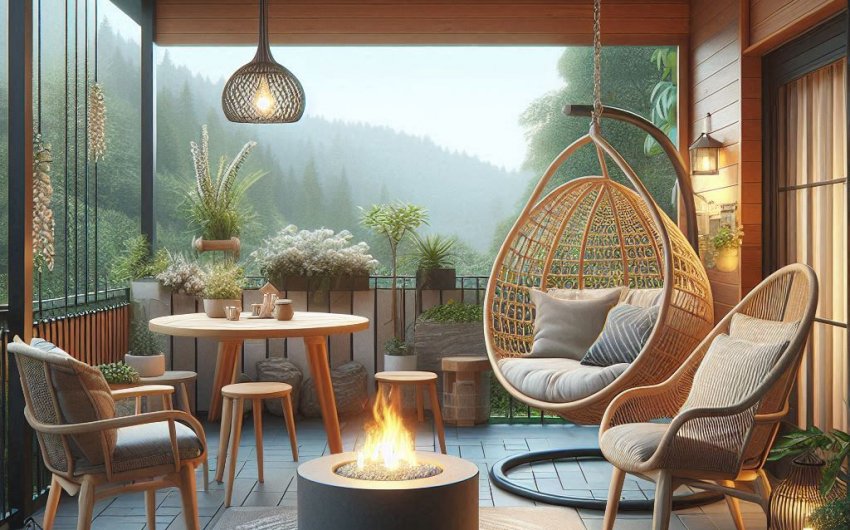
Optimizing every inch of an outdoor area is key, making the choice of patio furniture for small spaces a crucial decision for urban dwellers and those with compact outdoor retreats. Transforming a cozy balcony or a narrow deck into a functional and inviting extension of your home requires thoughtful selection of pieces that prioritize both style and efficiency. This guide will explore the best furniture solutions that maximize comfort and utility without overwhelming limited square footage, proving that even a tiny patio can offer big relaxation.
Why is choosing the right patio furniture crucial for small spaces?
When dealing with a compact outdoor area, the selection of patio furniture for small spaces isn't just about aesthetics; it's a critical design decision that impacts functionality, comfort, and the overall feel of your outdoor living area. A tiny balcony or narrow deck can quickly become cluttered and unusable with the wrong pieces.
Here's why choosing the right patio furniture is crucial for small spaces:
- Maximizing Usable Space: Every inch counts in a small outdoor area. Oversized furniture can quickly consume all available room, leaving no space to move around, walk past, or even place a potted plant. The right furniture ensures that you can utilize the area for its intended purpose, whether it's dining, lounging, or simply enjoying the fresh air.
- Preventing Clutter and Overwhelm: Large or bulky furniture can make a small space feel even smaller, cramped, and visually overwhelming. This defeats the purpose of creating a relaxing outdoor retreat. Furniture designed for compact areas has a lighter footprint, creating an airy and inviting atmosphere.
- Ensuring Functionality: Small spaces demand furniture that performs efficiently. A large dining set might fit, but if it blocks access to a door or makes it impossible to move chairs, it's not functional. The right pieces allow for comfortable movement and support the desired activity (eating, reading, socializing) without compromise.
- Maintaining Flow and Accessibility: You need to be able to easily walk around furniture, open doors, and access different parts of your outdoor area. Choosing slim, foldable, or modular pieces helps maintain clear pathways and prevents awkward maneuvering.
- Comfort and Enjoyment: While space-saving, the furniture must still be comfortable. If it's too small or impractical, you won't want to use it. The goal is to create an inviting spot where you genuinely want to spend time.
- Aesthetics and Design Cohesion: Even in a small space, you want your patio furniture to look good and complement your home's style. Furniture scaled appropriately for the area contributes to a cohesive and intentional design, making the space feel well-thought-out rather than an afterthought.
- Versatility and Adaptability: Small spaces benefit greatly from furniture that can serve multiple purposes or be easily reconfigured. A bench that doubles as storage, or chairs that stack, offer adaptability that fixed, bulky pieces cannot.
In essence, choosing the right patio furniture for small spaces is about thoughtful design, smart solutions, and prioritizing utility without sacrificing style. It's about turning limitations into opportunities to create a cozy, functional, and aesthetically pleasing outdoor extension of your home.
What types of patio furniture designs work best for small spaces?
When furnishing a compact outdoor area, specific patio furniture designs are far more effective at maximizing utility and style than traditional bulky sets. These designs prioritize efficiency, adaptability, and a lighter visual footprint, making them ideal choices for patio furniture for small spaces.
Here are the types of designs that work best:
1. Foldable Furniture
- Description: Chairs and tables that can be easily collapsed flat when not in use.
- Benefits:
- Space-Saving: Can be stored away against a wall, in a shed, or even indoors, freeing up precious floor space when the patio isn't in use.
- Versatility: Allows you to quickly set up a dining area or a lounge spot, and then just as quickly clear the space for other activities or for better flow.
- Seasonal Storage: Easy to store during off-seasons, protecting them from harsh weather.
- Examples: Foldable bistro sets, folding dining chairs, or even compact folding side tables.
- Considerations: Check the ease of folding and unfolding, and the durability of hinges.
2. Stackable Furniture
- Description: Chairs or stools designed to stack neatly on top of each other when not in use.
- Benefits:
- Vertical Storage: Reduces the horizontal footprint of seating.
- Quick Setup: Easy to pull out individual chairs as needed.
- Efficient Cleanup: Simplifies sweeping or cleaning the patio surface underneath.
- Examples: Stackable patio dining chairs, often made from lightweight metal or durable plastic.
- Considerations: Ensure they are stable when stacked and easy to lift.
3. Modular / Sectional Furniture
- Description: Furniture pieces that can be arranged in various configurations to fit different spaces or adapt to different needs.
- Benefits:
- Flexibility: Allows you to create a small sofa, two separate chairs, or an L-shaped sectional, depending on the space and occasion.
- Customization: You can buy only the pieces you need, rather than a fixed set.
- Efficient Use of Corners: Corner sections can maximize seating in tight corners.
- Examples: Small outdoor modular sofa sections, patio sectional sets for small spaces.
- Considerations: Cushions often take up significant space; consider storing them when not in use.
4. Bistro Sets
- Description: Typically a small, round table and two matching chairs.
- Benefits:
- Compact Footprint: Designed for intimate dining or coffee breaks for two.
- Classic Charm: Often have a timeless, elegant look.
- Easy to Move: Usually lightweight and can be easily repositioned.
- Examples: Wrought iron bistro sets, folding wood bistro sets.
- Considerations: Limited to 1-2 people for dining.
5. Multi-Functional Furniture (Storage & Seating)
- Description: Pieces that serve dual purposes, often combining seating with hidden storage.
- Benefits:
- Clutter Reduction: Provides a convenient place to stash cushions, blankets, small gardening tools, or even toys, keeping the patio tidy.
- Space Efficiency: Reduces the need for separate storage units.
- Examples: Outdoor storage benches, ottomans with lift-off tops, or even certain planters with integrated seating.
- Considerations: Ensure storage is waterproof if storing cushions.
6. Wall-Mounted / Railing Furniture
- Description: Tables or bars that attach directly to a wall or balcony railing.
- Benefits:
- Zero Floor Footprint: Maximizes open floor space underneath.
- Customizable Height: Can be set at dining height, bar height, or even a standing desk height.
- Ideal for Very Narrow Spaces: Perfect for balconies where traditional tables won't fit.
- Examples: Balcony railing tables, wall-mounted fold-down tables.
- Considerations: Requires secure installation, may need matching stools if at bar height.
By focusing on these clever designs, you can select the best patio furniture for small spaces, turning a confined area into a functional, comfortable, and stylish outdoor retreat.
What materials are best for small-space patio furniture?
The material of your patio furniture plays a crucial role in its suitability for small spaces, affecting not only its durability and maintenance but also its visual weight and maneuverability. Choosing lightweight, slim-profile, and weather-resistant materials can make a compact area feel more open and easier to manage.
Here are the best materials for patio furniture in small spaces:
1. Aluminum
- Characteristics: Lightweight, rust-resistant, durable, and often comes in sleek, modern designs. Can be powder-coated in various colors.
- Why it's good for small spaces:
- Lightweight: Extremely easy to move and reconfigure, allowing for flexible layouts. Great for foldable or stackable designs.
- Slim Profiles: Can be crafted into thin frames that don't take up much visual or physical space.
- Low Maintenance: Doesn't rust, so it requires minimal upkeep.
- Examples: Aluminum bistro sets, stackable aluminum chairs.
- Considerations: Can sometimes blow over in very strong winds if not heavy enough. Can get hot in direct sun if dark-colored.
2. Wrought Iron (Sparse Designs)
- Characteristics: Very heavy, extremely durable, classic, and elegant. Can be prone to rust if not properly treated or maintained.
- Why it's good for small spaces (with caveats):
- Slim Profiles: While heavy, wrought iron can be forged into delicate, open, and airy designs (like bistro sets or scrollwork chairs) that don't visually block the space.
- Stability: Its weight makes it very stable in windy conditions.
- Examples: Wrought iron bistro tables with open designs.
- Considerations: Heavy and hard to move. Requires proper powder coating or painting to prevent rust.
3. All-Weather Wicker (Synthetic Resin Wicker)
- Characteristics: Made from synthetic fibers (often polyethylene) woven over an aluminum or steel frame. Mimics natural wicker but is much more durable and weather-resistant.
- Why it's good for small spaces:
- Lightweight: Often built on aluminum frames, making it relatively easy to move.
- Visually Light: The woven texture allows light to pass through, creating an airy feel despite potentially larger shapes.
- Comfortable: Often comes with cushions, adding comfort.
- Examples: Small all-weather wicker bistro sets, compact wicker sectional pieces.
- Considerations: Can accumulate dust/dirt in the weave. Quality varies; look for UV-stabilized resin to prevent fading and brittleness.
4. Wood (Teak, Acacia, Eucalyptus - slim designs)
- Characteristics: Natural, warm, durable, and can develop a beautiful patina over time (e.g., teak). Requires some maintenance (oiling) to maintain original color.
- Why it's good for small spaces:
- Natural Aesthetic: Blends beautifully with gardens and natural settings.
- Slim Profiles: Can be crafted into slim, slatted designs that appear light.
- Foldable Options: Many folding patio chairs and bistro tables are made from wood.
- Examples: Teak folding chairs, acacia wood bistro sets.
- Considerations: Requires regular cleaning and oiling (or allowing to gray). Can be heavier than aluminum.
5. Metal Mesh / Expanded Metal
- Characteristics: Often steel that's been expanded or punched into a mesh pattern. Strong, durable, and can be powder-coated.
- Why it's good for small spaces:
- Visually Light: The open mesh design allows light and air to pass through, making pieces feel less bulky.
- Weather-Resistant: Water drains easily through the mesh.
- Stackable: Many mesh chairs are designed to stack.
- Examples: Metal mesh patio chairs, bistro tables.
- Considerations: May require thin cushions for comfort.
Materials to Be Wary Of (for small spaces):
- Heavy, Solid Wood Slabs: While beautiful, too bulky for small patios.
- Large, Plush Outdoor Upholstery: While comfortable, takes up a huge amount of space and can feel overwhelming.
- Solid, Heavy Stone/Concrete: Very durable but immobile and visually very heavy.
When choosing patio furniture for small spaces, prioritize materials that are lightweight, durable, weather-resistant, and visually airy, ensuring your compact outdoor area feels open, inviting, and truly functional.
How can I arrange patio furniture for small spaces effectively?
Beyond choosing the right pieces, arranging patio furniture for small spaces smartly is critical to creating a functional, comfortable, and visually appealing outdoor area. Good layout can make a confined space feel expansive and inviting. It's an art of precision and purpose, transforming limitations into design opportunities.
Here’s how to arrange patio furniture for small spaces effectively:
1. Measure and Plan First
- Take Measurements: Before you buy anything, precisely measure your patio, balcony, or deck. Note down its length, width, and any obstructions (doors, railings, columns, built-in features).
- Sketch a Layout: Draw your space on graph paper. Cut out paper "furniture" pieces (to scale) and move them around to test different arrangements. This helps visualize flow and prevents buying furniture that won't fit.
- Consider Traffic Flow: Ensure there's enough clear space for people to walk comfortably (ideally at least 24-30 inches wide) without bumping into furniture, especially near doors or high-traffic areas.
2. Prioritize Function Over Quantity
- Define Purpose: What is the primary use of this space? Dining? Relaxing? Reading? Socializing? Don't try to fit everything if you only have room for one main function.
- Dining for Two: A bistro set is perfect.
- Relaxing Lounge: One or two comfortable armchairs with a small side table.
- Less is More: It's better to have a few well-chosen pieces that fit and function beautifully than a cramped space filled with too much furniture.
3. Embrace Corners and Walls
- Corner Sectionals: For seating, an L-shaped modular sectional designed for small spaces can utilize a corner efficiently, providing more seating than individual chairs.
- Against Walls: Place the longest pieces of furniture (like a small sofa or bench) flush against a wall or railing. This maximizes open floor space in the center.
- Wall-Mounted Tables: As discussed, wall-mounted or railing-mounted tables free up floor space entirely.
4. Opt for Visual Lightness
- Open Designs: Choose furniture with open backs, slatted tops, or slim legs rather than solid, bulky pieces. These allow light and air to pass through, making the space feel less heavy and more expansive.
- Lighter Colors: White, light gray, or natural wood tones can make furniture appear less dominant and brighter.
- Glass Tabletops: A small outdoor table with a glass top is visually transparent, making the space feel more open.
5. Consider Multi-Functional Pieces
- Storage Benches: A bench with hidden storage can hold cushions or gardening tools, reducing clutter.
- Ottomans/Stools: An ottoman can serve as extra seating, a footrest, or a side table. Lightweight patio stools are versatile.
- Nesting Tables: A set of nesting tables can be pulled apart for guests and then tucked away compactly.
6. Incorporate Vertical Elements
While not furniture, vertical elements help draw the eye upwards, expanding the perceived size of the space.
- Tall Planters: Use tall, slender planters with upright plants or small trees.
- Wall Decor: Add wall-mounted planters or artwork to draw the eye up.
7. Think About Movability
- Lightweight Furniture: Choose materials like aluminum that are easy to lift and move around, allowing you to reconfigure the space as needed.
- Foldable/Stackable: These designs (as discussed in an earlier section) offer the ultimate in flexible arrangement, allowing you to create different zones or clear the space entirely.
By meticulously planning and strategically arranging your patio furniture for small spaces, you can transform even the most compact outdoor area into a highly functional, comfortable, and aesthetically pleasing extension of your living environment.
What accessories and decor enhance small outdoor spaces?
Once you've selected and arranged your patio furniture for small spaces, thoughtful accessories and decor can truly elevate the area, adding personality, comfort, and a touch of luxury without overwhelming the limited square footage. These elements are key to making a small outdoor space feel complete and inviting.
Here are some accessories and decor ideas that enhance small outdoor spaces:
1. Outdoor Cushions and Pillows
- Impact: Instantly adds comfort, color, and texture to plain chairs and benches. They can tie together a color scheme.
- Selection: Choose outdoor-rated fabrics that are water-resistant and UV-fade resistant.
- Consideration: Store them when not in use or during bad weather to prolong their life. Look for compact outdoor cushion storage bags.
2. Area Rugs
- Impact: Defines the space, adds softness underfoot, and introduces color and pattern. It can make a small patio feel like an outdoor "room."
- Selection: Choose outdoor-specific rugs made from durable, weather-resistant materials like polypropylene.
- Consideration: Ensure it's proportional to the furniture grouping and doesn't overwhelm the space. A small outdoor patio rug can make a big difference.
3. Lighting
- Impact: Transforms the ambiance after dark, adding warmth, intimacy, and highlighting features.
- Types for Small Spaces:
- String Lights: Easily strung across railings or walls. Solar-powered outdoor string lights are energy-efficient.
- Lanterns: Place LED outdoor lanterns on tables or hang from hooks.
- Wall Sconces: Permanently mounted, save floor space.
- Consideration: Avoid harsh, bright lights; aim for soft, ambient glow.
4. Planters and Plants
- Impact: Adds life, color, freshness, and softness to the hardscape. Crucial for any outdoor space.
- Types for Small Spaces:
- Vertical Planters: Wall-mounted planters save floor space while bringing in greenery.
- Tall, Slim Planters: Narrow planters utilize vertical space.
- Hanging Baskets: Utilizes overhead space.
- Rail Planters: Attach directly to balcony railings.
- Plant Selection: Choose compact varieties, cascading plants for hanging baskets, or herbs for edible beauty.
5. Small Side Tables
- Impact: Provides a crucial surface for drinks, books, or small decor without taking up much space.
- Types: Folding side tables, nesting tables, or a small garden stool can double as a table.
- Consideration: Choose one that is light and easy to move if needed.
6. Wall Decor
- Impact: Transforms bare walls or fences into focal points, adding personality and art.
- Types: Outdoor metal wall art, mirrors (to create illusion of space), decorative clocks, or wind chimes.
- Consideration: Ensure items are outdoor-rated and securely mounted.
7. Compact Fire Pit or Tabletop Heater
- Impact: Extends the usability of the patio into cooler evenings, adds warmth and ambiance.
- Types: Look for small tabletop fire pits (bioethanol or propane) or a compact patio heater.
- Consideration: Safety is paramount; ensure proper ventilation and clearance from combustibles.
8. Outdoor Storage (Integrated or Discreet)
- Impact: Keeps the small space tidy and clutter-free, which is essential for perceived spaciousness.
- Types: As mentioned, benches with integrated storage are great. Also, small, slim storage boxes that blend into the decor.
- Consideration: Ensure it's waterproof if storing cushions or other items that need protection.
By carefully selecting and positioning these accessories and decor, you can enhance the comfort, functionality, and aesthetic appeal of your small outdoor space, truly maximizing the rewards of your patio furniture for small spaces.