
Can I Use Indoor Furniture on My Patio?
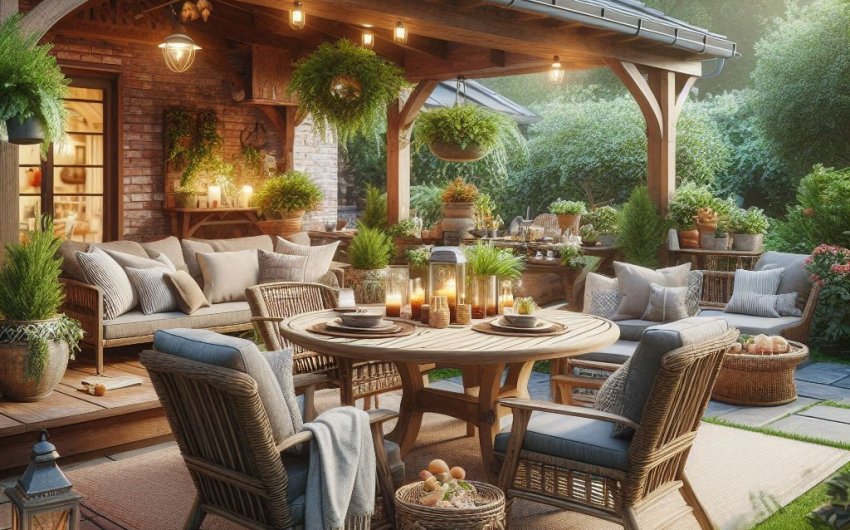
Transforming an outdoor living area into a cozy and inviting space often brings the question of extending your interior design aesthetic outwards. While the appeal of using beloved interior pieces to furnish your patio is strong, the practicality of placing indoor furniture outdoors comes with significant considerations. It's crucial to understand the challenges before moving your comfortable sofa onto the deck, as the elements can be surprisingly harsh on materials not designed for them.
Why is Outdoor Furniture Different from Indoor Furniture?
At first glance, some indoor and outdoor furniture might look similar, especially in terms of style. However, there are fundamental differences in their design, materials, and construction that make outdoor furniture specifically suited for exterior conditions, while indoor furniture is not.
What Materials are Used in Outdoor Furniture?
Outdoor furniture is built to withstand a range of environmental challenges that indoor furniture never faces. This starts with the materials used. Metals like aluminum, wrought iron, and stainless steel are common. Aluminum (like that found in Christopher Knight Home Cane Aluminum Dining Chairs) is lightweight, rust-resistant, and durable. Wrought iron is heavy and extremely sturdy but prone to rust if not properly treated and maintained. Stainless steel is highly corrosion-resistant and strong but often more expensive. These metals are often powder-coated or treated to enhance their weather resistance and appearance.
Plastics and resins are also widely used. High-density polyethylene (HDPE) lumber (like that in Polywood Adirondack Chairs) is an incredibly durable, low-maintenance material made from recycled plastics. It resists fading, cracking, rotting, and insect infestation. Woven resin wicker (often made from synthetic polyethylene) is designed to mimic natural wicker but is much more durable and weather-resistant, able to withstand UV rays and moisture without deteriorating.
For wood, specific types are chosen for their natural resistance to rot, insects, and moisture. Teak is a prime example, rich in natural oils that make it highly durable and weather-resistant, though it will naturally weather to a silver-grey patina over time if left untreated. Other suitable outdoor woods include cedar and shorea. These woods are dense and contain natural compounds that deter pests and fungi.
Finally, fabrics used for outdoor cushions and upholstery (like Sunbrella Fabric) are specially engineered. They are made from synthetic fibers like solution-dyed acrylic or polyester, which are highly resistant to UV fading, mildew, and water absorption. They are often treated with water-repellent finishes. In contrast, indoor fabrics are typically cotton, linen, silk, or rayon blends, which absorb moisture, fade in sunlight, and are highly susceptible to mildew.
What Environmental Factors Affect Outdoor Furniture?
Outdoor furniture must contend with a variety of harsh environmental factors that indoor furniture is simply not designed for.
First and foremost is moisture. This includes rain, dew, humidity, and even splashes from a pool or sprinklers. Exposure to moisture can cause wood to swell, warp, rot, and crack. Metal can rust and corrode. Fabrics can develop mildew and mold, which not only look unsightly but also smell bad and can damage the fibers.
Next is sunlight, specifically ultraviolet (UV) radiation. Prolonged exposure to UV rays causes colors to fade (known as photobleaching), materials to become brittle, and surfaces to crack. Indoor furniture fabrics, painted surfaces, and even some woods will quickly degrade and lose their aesthetic appeal when subjected to direct sunlight.
Temperature fluctuations are another challenge. Outdoor temperatures can swing wildly from freezing to extremely hot, often within a single day or across seasons. These constant changes cause materials to expand and contract, which can lead to stress, cracking, and structural weakening over time. Indoor furniture materials are not designed for such rapid or extreme temperature shifts.
Finally, wind, dirt, and airborne pollutants also contribute to wear and tear. Strong winds can blow furniture around, causing damage. Dust, pollen, leaves, and other debris can accumulate, requiring frequent cleaning. Airborne pollutants, especially in urban areas, can also contribute to the breakdown of materials. Outdoor furniture is manufactured with these factors in mind, incorporating features like drainage holes, protective coatings, and robust construction to mitigate their effects.
What Are the Risks of Using Indoor Furniture Outdoors?
Using indoor furniture outdoors is generally not recommended due to the high risks of damage, deterioration, and potential health issues. The specific vulnerabilities of indoor furniture mean it simply isn't built for the rigors of the elements.
How Does Moisture Damage Indoor Furniture?
Moisture is perhaps the most destructive force for indoor furniture when placed outside. For wooden furniture, even a single rain shower or prolonged high humidity can cause immediate damage. Untreated wood will quickly absorb water, leading to swelling, warping, and cracking as it dries. This destroys the structural integrity and appearance of the piece. Over time, repeated exposure to moisture will lead to rot and fungal growth. Glue joints, common in indoor furniture, can weaken and dissolve, causing the furniture to fall apart.
Upholstered furniture, including sofas, chairs, and cushions, is particularly vulnerable. Standard indoor fabrics are highly absorbent. When they get wet, they become saturated, dry slowly, and become a breeding ground for mildew and mold. This results in a musty odor, unsightly stains, and can trigger allergies or respiratory problems. The foam or padding inside also absorbs water, becoming heavy, soggy, and breaking down over time, providing an even richer environment for mold. Metal springs or frames within upholstered pieces will rust quickly, staining the fabric and compromising the structure.
Even metal indoor furniture not specifically treated for outdoor use will rust rapidly when exposed to rain and humidity, leaving unsightly stains on your patio surface. The rust weakens the metal, potentially leading to structural failure.
What Are the Effects of Sunlight and UV Exposure?
Sunlight and UV exposure can quickly degrade indoor furniture that isn't protected. Fading is one of the most obvious effects. Indoor fabrics and dyes are not designed with the same UV resistance as outdoor fabrics. Within weeks, or even days of constant direct sunlight, colors will lighten, dull, and become unevenly bleached. This is particularly noticeable on dark or vibrant fabrics.
Beyond fading, UV rays can cause materials to become brittle and crack. Plastics used in indoor furniture, finishes on wood, and certain synthetic fibers will become weakened and fragile over time, leading to premature breaking or chipping. Wood finishes, such as lacquers or varnishes, will degrade, peel, and crack, leaving the bare wood exposed and vulnerable to moisture. Leather, if exposed to direct sun, will dry out, crack, and become stiff. The intensity of outdoor UV radiation is far greater than what passes through most windows, so the damage is often swift and severe.
How Do Temperature Changes Impact Indoor Furniture?
Indoor furniture is designed for a relatively stable indoor temperature range. When exposed to the wide temperature swings experienced outdoors, materials react in ways that can cause significant damage.
Expansion and contraction are natural responses of materials to temperature changes. As temperatures rise, materials expand; as they fall, they contract. Indoor furniture, with its various components (wood, metal, fabric, glue) that expand and contract at different rates, is not built to withstand these constant stresses. This differential movement can lead to cracking, splitting, and loosening of joints in wooden furniture. Metal frames can also warp or become stressed.
Extreme cold can cause water absorbed by materials to freeze and expand, leading to further cracking and structural damage, especially in porous materials like untreated wood or certain plastics. Heat, on the other hand, can soften adhesives, potentially causing joints to fail, and can accelerate the breakdown of finishes and fabrics. The continuous cycle of heating and cooling, often exacerbated by moisture, creates a highly damaging environment for materials not specifically designed for outdoor resilience.
What About Pests and Mold Growth?
The outdoor environment is a haven for pests and microorganisms, and indoor furniture provides an ideal habitat for them once exposed. Mold and mildew thrive in damp, humid conditions, especially on organic materials like cotton, linen, and many types of wood. Once indoor upholstered furniture gets wet, it can take a long time to dry thoroughly, creating the perfect breeding ground for mold spores. Mold not only causes unsightly stains and a persistent musty odor, but it can also degrade the fabric and padding, and pose health risks for people with allergies or respiratory issues. Spores can also spread to other outdoor furniture or even back into your home.
Insects and other pests can also find indoor furniture appealing. Termites and carpenter ants are attracted to untreated wood. Spiders, earwigs, and other insects can set up residence in the nooks and crannies of upholstered pieces. If the furniture becomes damp or moldy, it can also attract rodents looking for nesting material. Unlike outdoor furniture, which often uses materials inherently resistant to these pests or is treated to deter them, indoor furniture offers little to no natural defense. The combination of moisture, organic materials, and lack of protective treatments makes indoor furniture a prime target for unwanted inhabitants and damaging fungal growth.
When Can You Potentially Use Indoor Furniture Outdoors?
While generally not recommended, there are a few very specific circumstances where you might be able to get away with using indoor furniture outdoors, but always with extreme caution and proactive protection.
Under a Fully Covered and Enclosed Patio?
The best-case scenario for using indoor furniture outdoors is on a fully covered and enclosed patio or sunroom. This means the space is protected on all sides from direct rain, intense sun, and strong winds. Think of it as an outdoor room.
Even in such a protected space, certain precautions are necessary. Ensure the area has excellent ventilation to prevent humidity buildup, which can still lead to mold and mildew on fabrics and wood. The furniture should be placed on a solid, non-porous floor, not directly on grass or dirt that could transfer moisture.
While direct rain and sun are eliminated, indirect light can still cause some fading over time. Humidity can also cause wood to swell or fabrics to feel damp. You might still want to opt for indoor/outdoor rugs and ensure cushions are kept dry. This setup is less about leaving the furniture fully exposed and more about extending your interior living space with careful consideration. If the patio is only covered but open on the sides, the furniture will still be subjected to humidity, wind-driven rain, and indirect UV, making it a high-risk proposition.
With Extensive Protective Measures and Short-Term Use?
If your patio is not fully enclosed, using indoor furniture should only be considered for short-term use and with extensive protective measures. This is ideal for a special event or party where the furniture will only be outside for a few hours or a day.
Even for short-term use, be prepared to move the furniture inside at the first sign of rain, strong winds, or even heavy dew. For upholstered pieces, consider using waterproof slipcovers specifically designed for outdoor protection, or move cushions indoors overnight. For wooden pieces, ensure they have a water-resistant finish, though this will still offer limited protection.
This approach requires significant effort and vigilance. It's not a set-it-and-forget-it solution. The moment the event is over or the weather changes, the furniture must be promptly moved back indoors. Any unexpected shower or overnight dew could cause irreversible damage. This is more of a temporary staging solution rather than a permanent furnishing strategy. The commitment to constantly monitor weather and move furniture makes this impractical for everyday use.
How Can You Make Indoor Furniture More Suitable for Outdoor Use (Limited Success)?
If you absolutely must use some indoor furniture outdoors, there are steps you can take to try and extend its lifespan, though results are not guaranteed and will always be less effective than using purpose-built outdoor furniture.
What Protective Coatings and Treatments Can You Apply?
For wooden indoor furniture, applying a high-quality, exterior-grade waterproof sealant or marine varnish (like TotalBoat Halcyon Clear Varnish) can offer some temporary protection against moisture and UV rays. This involves thorough cleaning, sanding, and applying multiple coats according to product instructions. This finish will need to be reapplied annually or biennially, as it will break down under outdoor conditions. It will not make indoor wood immune to warping or cracking from temperature swings, but it can significantly slow down water absorption and UV damage.
For metal indoor furniture not designed for outdoor use, you can clean it thoroughly, remove any existing rust, and apply an exterior-grade rust-inhibiting primer followed by an outdoor metal paint (like Rust-Oleum Protective Enamel). This creates a protective barrier against moisture and corrosion. Again, this coating will need to be monitored and reapplied as it wears.
For fabrics, you can apply a fabric protector spray (like Scotchgard Water & Sun Shield) that provides water repellency and some UV resistance. This will help water bead up and roll off, reducing absorption and slowing fading. However, these sprays are not a substitute for outdoor fabrics and will need frequent reapplication, especially after rain. They will also not prevent mold growth if the fabric becomes saturated or remains damp for prolonged periods. These treatments only offer a superficial layer of defense and do not change the inherent vulnerabilities of indoor materials.
How Can You Use Covers, Cushions, and Storage?
Even with protective coatings, the most effective strategy for preserving indoor furniture outdoors is active protection and vigilant management.
Furniture covers are essential. Invest in high-quality, waterproof outdoor furniture covers (like Classic Accessories Veranda Patio Furniture Cover) that fit snugly over your indoor pieces when not in use. Covers protect against rain, dust, UV rays, and even bird droppings. Ensure the covers are breathable to prevent moisture buildup underneath, or allow for some airflow. Always cover your furniture overnight, during rain, or when you know you won't be using it for an extended period.
For upholstered pieces, the most vulnerable component is the fabric and foam. Remove all cushions and pillows after each use and bring them indoors, or store them in a waterproof outdoor storage box (like a Keter Resin Patio Storage Box). Even if you apply fabric protector, constantly leaving cushions outside will lead to mildew and degradation. If cushions do get wet, ensure they are thoroughly dried, ideally in a sunny, airy spot, before storing them away. Consider replacing indoor cushion covers with custom covers made from outdoor-grade fabric like Sunbrella; this is a more permanent solution for the cushions themselves.
Seasonal storage is critical for extending the life of your indoor furniture used outdoors. During the off-season (winter in cold climates, or prolonged rainy seasons), all indoor furniture should be moved indoors to a protected, dry environment. A garage, shed, or basement is ideal. Do not leave it exposed to freezing temperatures, heavy snow, or continuous rain for months on end. Even in mild climates, bringing furniture indoors during the rainiest or most humid months will significantly reduce wear and tear. This level of constant vigilance is what makes using indoor furniture outdoors truly impractical for most.
What Are Better Alternatives to Using Indoor Furniture Outdoors?
Given the significant risks and constant maintenance involved with using indoor furniture outdoors, investing in proper outdoor furniture or exploring other solutions is almost always the better long-term choice for your patio or deck.
What are Key Considerations for Buying Outdoor Furniture?
When buying outdoor furniture, focus on materials and construction designed for the elements. Material choice is paramount. Look for rust-resistant aluminum, naturally weather-resistant woods like teak or cedar, durable synthetic wicker (HDPE or PVC), or recycled plastic lumber. These materials are built to withstand UV, moisture, and temperature fluctuations.
Consider the construction. Look for sturdy frames, strong joints (welded aluminum is better than bolted for long-term durability), and quality hardware that won't rust. Cushions should be made from outdoor-specific fabrics like Sunbrella or Outdura, and ideally have quick-drying foam inserts and zippered covers for easy cleaning. Drainage holes in the frames and seats are a good sign of proper outdoor design.
Think about the weight of the furniture. If you live in a windy area, heavier materials like wrought iron or solid wood might be more stable. For furniture you might move frequently, aluminum or lighter synthetics are better.
Finally, consider the maintenance requirements. Some materials, like HDPE recycled plastic, require very little maintenance beyond occasional cleaning. Teak needs periodic oiling if you want to maintain its golden color, otherwise, it will weather to silver. Wrought iron needs regular inspection for rust and repainting. Choose furniture that matches your willingness to perform upkeep. Investing in quality outdoor furniture will save you time, money, and frustration in the long run.
What are Indoor/Outdoor Specific Items?
There's a growing category of indoor/outdoor specific items that bridge the gap between indoor comfort and outdoor resilience. These are fantastic alternatives that give you the look and feel of indoor decor with the durability of outdoor-rated products.
Indoor/outdoor rugs (like Nourison Indoor/Outdoor Rugs) are made from synthetic materials like polypropylene or PET (recycled plastic bottles) that resist fading, mold, and mildew. They can instantly warm up a patio and define a seating area, just like an indoor rug would. They are easy to clean, often just by hosing them down.
Indoor/outdoor pillows and throws (like Pillow Perfect Outdoor Pillows) are designed with weather-resistant fabrics and quick-drying fills. They add a touch of color, comfort, and softness to your outdoor seating without the worry of moisture damage or fading. You can find them in a wide array of patterns and colors to match any decor style.
For lighting, outdoor-rated lamps are designed to be weather-resistant and safe for exterior use. Look for wet-rated or damp-rated outdoor lamps that can withstand rain and humidity. Similarly, outdoor-rated decorative accents like planters, wall art, and sculptures are made from materials that won't degrade when exposed to the elements. These pieces allow you to bring a sophisticated, indoor-inspired aesthetic to your patio without compromising on durability or safety, creating a cohesive and inviting outdoor living space.