
How to Combat Common Lawn Pests: A Guide to Protecting Your Turf
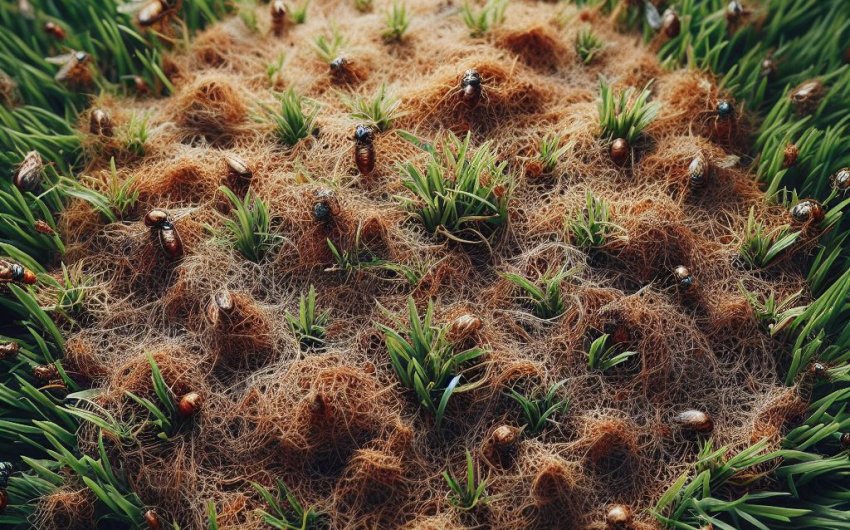
Combatting common lawn pests requires a proactive and informed approach, starting with identifying the specific culprit damaging your grass. Protecting your turf effectively involves understanding pest lifecycles, recognizing symptoms, and applying targeted, integrated pest management strategies. This guide will walk you through keeping your lawn healthy and pest-free.
What Are the Most Common Lawn Pests and How Do They Harm Your Turf?
Understanding the most common lawn pests is the first step in effective turf protection. These tiny invaders can cause significant damage, turning a lush green lawn into a patchy, unhealthy mess if left unchecked. Each pest has distinct feeding habits and signs of damage, which are crucial for accurate identification and successful treatment.
What are the Key Signs of Grubs in Your Lawn?
Grubs are one of the most destructive lawn pests, notoriously causing significant damage to grassroots. These C-shaped larvae of beetles, such as Japanese beetles or masked chafers, live just beneath the soil surface. Recognizing their key signs early is vital for protecting your turf from widespread destruction.
Here are the key signs of grubs:
- Irregular Brown Patches: This is often the first noticeable sign. Unlike drought stress, these patches won't green up with watering. They typically appear in late summer or early fall.
- Spongy Turf: The grass in affected areas will feel soft and spongy underfoot, almost like loose carpet, because the roots have been eaten away.
- Easy to Pull Up Turf: You can easily pull back sections of the grass like a rug, revealing the grubs feeding below. The roots will be visibly damaged or entirely absent.
- Increased Animal Activity: Birds, raccoons, skunks, and moles love to feast on grubs. If you notice these animals digging or tearing up your lawn, it's a strong indicator of a grub infestation.
- Presence of Grubs: The most definitive sign is actually digging up a small section of turf (about 1 square foot) and finding 5 or more C-shaped white grubs per square foot.
How Do Chinch Bugs Damage Grass, and What Do They Look Like?
Chinch bugs are tiny, insidious lawn pests that can cause widespread damage, especially in hot, dry weather. These surface-feeding insects extract sap from grass blades, injecting a toxin that disrupts water flow. Learning to identify their damage and appearance is crucial for protecting your turf from their insidious feeding.
Damage and Appearance:
- Irregular Yellow or Brown Patches: Chinch bug damage often starts as small, yellowing patches that quickly turn brown. These patches tend to expand rapidly, especially in sunny, hot areas of the lawn.
- Appearance Similar to Drought Stress: The damage can be easily mistaken for drought, but watering won't resolve it. The affected areas often appear well-defined and sunken.
- Presence of the Bugs: Chinch bugs are small (about 1/8 to 1/5 inch long) and difficult to see.
- Adults: Have black bodies with white wings folded over their backs, creating a distinctive hourglass or "X" pattern.
- Nymphs (young bugs): Are smaller, bright red with a white band across their backs, turning orange then brown as they mature.
- "Tin Can Test": To confirm chinch bugs, cut both ends off a large can (like a coffee can). Drive it a few inches into the soil in an affected area. Fill the can with water and wait 5-10 minutes. Chinch bugs will float to the surface.
- Found in Thatch: These pests often hide and feed within the thatch layer of your lawn.
What are Armyworms and Sod Webworms, and How Do They Harm Your Lawn?
Armyworms and sod webworms are caterpillars that can quickly devastate a lawn by chewing on grass blades. While they are different species, their feeding damage often looks similar and can spread rapidly. Identifying these foliage-feeding lawn pests is critical for timely intervention and protecting your turf.
Damage and Appearance:
- Armyworms:
- Appearance: Larvae are typically 1-1.5 inches long, often greenish-brown to black, with distinct stripes along their bodies. They have a characteristic inverted "Y" shape on their heads.
- Damage: They march across lawns in "armies," consuming grass blades voraciously. Damage appears as ragged chewing on grass blades, often starting at the edge of a lawn or near structures, and can quickly spread. Severely infested areas look clipped close to the ground.
- Droppings (Frass): Small, dark, pellet-like droppings (frass) are often visible in heavily infested areas.
- Timing: Most active in late summer and early fall, often after heavy rains.
- Sod Webworms:
- Appearance: Larvae are smaller, usually 0.5-0.75 inches long, typically dull gray-green to brown, with dark spots on their bodies.
- Damage: They feed at night, clipping grass blades close to the crown. Damage appears as irregular, brown patches that look like scattered dead spots. Close inspection will reveal chewed-off blades.
- Silken Tunnels: During the day, they hide in silken tunnels they spin near the soil surface or in the thatch layer, especially noticeable if you spread the grass apart.
- Moth Presence: You might notice small, tan or brownish moths (adult webworms) flying in a jerky, zig-zag pattern across the lawn at dusk.
How Do Billbugs Attack Grass, and What Are Their Signs?
Billbugs are another destructive group of lawn pests, though their damage is often mistakenly attributed to other issues like drought or grubs. Both the adult weevils and their larvae cause harm, making them a dual threat to your lawn's health. Recognizing their unique signs is key to effectively protecting your turf.
Damage and Signs:
- Adult Billbugs:
- Appearance: Small weevils (about 1/4 to 1/2 inch long), dark gray to black, with a distinctive long, curved snout (proboscis).
- Damage: Adults cause minor feeding damage to grass blades, but the primary harm comes from their larvae. You might see them walking on driveways or sidewalks, especially in spring.
- Larval Damage (most severe):
- Appearance: Larvae are legless, C-shaped, creamy white grubs with a distinctive brown head capsule, typically smaller than other white grubs (up to 3/8 inch long).
- Damage: Larvae feed inside grass stems first, then drop to the soil to feed on crowns and roots. This internal feeding causes grass blades to turn yellow, then brown, and the plant eventually dies.
- "Tug Test": A classic sign is when infected grass blades (especially stems) can be easily pulled out of the ground, and you'll find saw-dust like material (frass) at the base of the pulled stem.
- Irregular Brown Patches: Similar to grub damage, but often more confined to specific areas initially.
- Timing: Damage typically appears in early to mid-summer.
What is Integrated Pest Management (IPM) for Lawns?
Integrated Pest Management (IPM) is a comprehensive and eco-friendly approach to lawn pest control that emphasizes prevention, monitoring, and using a variety of control methods. Instead of relying solely on chemical pesticides, IPM aims to manage pests sustainably, minimizing harm to beneficial organisms, humans, and the environment while still protecting your turf. It's about smart, long-term solutions.
Why is an IPM Approach Better for Your Lawn and the Environment?
An Integrated Pest Management (IPM) approach offers significant advantages over conventional, purely chemical pest control methods for both your lawn's long-term health and the broader environment. It prioritizes understanding pest biology and ecological balance, leading to more sustainable and effective turf protection. This holistic method ensures a healthier ecosystem around your home.
Benefits of an IPM approach:
- Reduced Chemical Use: Minimizes reliance on synthetic pesticides, lowering exposure risks for people, pets, and wildlife. This is better for overall ecosystem health.
- More Sustainable: Focuses on long-term prevention and ecological balance rather than quick, temporary fixes.
- Protects Beneficial Organisms: Avoids indiscriminate killing of beneficial insects (like ladybugs or ground beetles) and microbes that naturally control pests.
- Prevents Pest Resistance: Rotating control methods (cultural, biological, chemical) reduces the likelihood of pests developing resistance to specific pesticides.
- Healthier Soil and Turf: Emphasizes cultural practices that improve overall lawn health, making the grass naturally more resilient to pests.
- Cost-Effective in the Long Run: While initial efforts might involve more observation, reducing pesticide applications and preventing major infestations can save money over time.
- Environmentally Friendly: Less chemical runoff into waterways and reduced impact on non-target species.
- Safer for Families and Pets: Fewer harsh chemicals mean a safer outdoor space for children and animals to play.
What are the Key Steps in an IPM Strategy for Lawn Pests?
Implementing an effective Integrated Pest Management (IPM) strategy involves a structured approach that moves beyond simply spraying pesticides. It's a cyclical process of observation, decision-making, and action that aims for long-term turf protection. Following these key steps ensures a smart, sustainable way to manage lawn pests.
Key steps in an IPM strategy:
- Identification:
- Accurate Diagnosis: Correctly identify the pest causing the problem (e.g., grub, chinch bug, armyworm). Misidentification can lead to ineffective treatments.
- Learn Life Cycles: Understand the pest's life cycle to know when they are most vulnerable to control methods.
- Monitoring and Scouting:
- Regular Inspections: Periodically check your lawn for signs of pest activity or damage.
- Thresholds: Determine what level of pest presence or damage is acceptable before intervention is needed. Not every pest sighting requires immediate action. For instance, a few grubs might not warrant a full treatment.
- Prevention (Cultural Controls):
- Healthy Lawn Practices: A strong, healthy lawn is your best defense.
- Proper Mowing: Maintain appropriate cutting height to promote dense growth.
- Correct Watering: Deep, infrequent watering encourages strong roots. A smart hose timer can help.
- Timely Fertilization: Provide balanced nutrients for vigor.
- Aeration and Overseeding: Reduce compaction and introduce resilient grass varieties.
- Thatch Management: Control thatch buildup, as many pests live there. A dethatching rake can be useful.
- Resistant Varieties: Choose grass types known to be less susceptible to common pests in your region.
- Healthy Lawn Practices: A strong, healthy lawn is your best defense.
- Action Thresholds:
- Decide When to Act: Based on monitoring, determine if the pest population or damage level has reached a point where control measures are necessary. This avoids unnecessary treatments.
- Control Methods (Least Toxic First):
- Biological Controls: Introduce or encourage natural enemies of the pest.
- Nematodes: Microscopic worms that specifically target grubs. A beneficial nematodes product is a great organic option.
- Beneficial Insects: Attract ladybugs or lacewings to control aphids.
- Physical/Mechanical Controls:
- Hand-picking: For larger pests if feasible.
- Traps: Pheromone traps for adult beetles (though these can sometimes attract more pests).
- Rollers: To crush surface-feeding insects like chinch bugs.
- Cultural Controls (Enhanced): Further refine watering, mowing, or fertilization.
- Least-Toxic Chemical Controls:
- Insecticidal Soaps/Horticultural Oils: For softer-bodied pests, relatively low impact.
- Botanical Pesticides: Derived from plants (e.g., neem oil), often less persistent than synthetic chemicals.
- Conventional Pesticides (Last Resort): Use only when necessary, choosing targeted products, and always following label instructions precisely.
- Biological Controls: Introduce or encourage natural enemies of the pest.
- Evaluation:
- Assess Effectiveness: After applying control measures, monitor your lawn to see if the chosen method worked.
- Adjust Strategy: If the problem persists, re-evaluate your approach and try a different method or combination of methods.
What Are Natural and Organic Solutions for Lawn Pests?
For many homeowners, choosing natural and organic solutions for lawn pests is a priority, aiming to minimize chemical exposure while still effectively protecting their turf. These methods work with nature, promoting a healthier ecosystem in your yard. From encouraging beneficial insects to using eco-friendly sprays, there are many ways to manage pests without harsh chemicals.
How Can Beneficial Insects and Nematodes Help Control Pests?
Beneficial insects and nematodes are powerful allies in the fight against lawn pests, offering a natural and organic form of turf protection. By introducing or encouraging these natural enemies, you create a balanced ecosystem in your yard where pests are kept in check without the need for synthetic chemicals. This biological approach is a cornerstone of sustainable pest management.
Beneficial Insects:
- How They Work: These insects are predators or parasites of common lawn pests. They either eat the pests directly or lay their eggs inside them, ultimately killing them.
- Examples of Beneficial Insects for Lawns:
- Ladybugs (Lady Beetles): Voracious eaters of aphids, mites, and small caterpillars.
- Lacewings: Larvae are highly effective predators of aphids, mealybugs, and small caterpillars.
- Ground Beetles: Patrol the soil surface at night, preying on slugs, cutworms, and other soil-dwelling pests.
- Parasitic Wasps: Tiny wasps that lay eggs inside pest larvae or eggs, disrupting their development.
- How to Attract/Encourage Them:
- Plant Diversity: Grow a variety of flowering plants around your lawn, especially those with small flowers, to provide nectar and pollen for adult beneficial insects. Consider planting pollinator-friendly flower seeds.
- Avoid Broad-Spectrum Pesticides: These can kill beneficial insects along with pests.
- Provide Shelter: Create small areas with undisturbed soil or mulch where beneficial insects can overwinter.
- Purchase and Release: You can sometimes purchase live ladybugs or lacewing larvae for release, though ensuring they stay in your yard can be a challenge.
Beneficial Nematodes:
- What They Are: These are microscopic, unsegmented roundworms that are naturally occurring in soil. Specific types of beneficial nematodes are effective biological controls for certain soil-dwelling pests.
- How They Work: They actively seek out and infect pest larvae (especially grubs, cutworms, and webworms) in the soil. Once inside the host, they release bacteria that kill the pest. The nematodes then reproduce inside the dead pest.
- Target Pests: Primarily effective against grubs (Japanese beetle grubs, chafers, billbug larvae), cutworms, flea beetle larvae, and sod webworms.
- Application:
- Timing: Apply when pest larvae are present and active (e.g., late summer/early fall for grubs), and when soil temperatures are warm (typically 60-90°F or 15-32°C).
- Moisture: Apply to moist soil, and water immediately after application to help them penetrate. Keep the soil moist for several days.
- Storage: Store according to package directions, as they are living organisms. You can often buy grub control nematodes online.
- Advantages: Non-toxic to humans, pets, plants, and other beneficial organisms. Environmentally safe.
What are Organic Sprays and Barriers for Lawn Pest Control?
Beyond biological controls, organic sprays and physical barriers offer effective, non-chemical ways to combat lawn pests, providing robust turf protection while adhering to eco-friendly principles. These methods often work by suffocating, repelling, or physically excluding pests, rather than poisoning them. They are excellent choices for targeted and localized pest problems.
Organic Sprays:
- Neem Oil:
- How it Works: A natural insecticide extracted from the neem tree. It acts as an antifeedant, growth regulator, and repellent. Pests ingest it, disrupting their lifecycle and making them stop feeding.
- Target Pests: Effective against a wide range of soft-bodied insects like aphids, mites, whiteflies, and some caterpillars (including early instar armyworms/sod webworms).
- Application: Mix with water according to package directions and spray thoroughly on affected areas, ensuring good coverage of both top and bottom of grass blades. Use a neem oil spray specifically formulated for plants.
- Insecticidal Soap:
- How it Works: Potassium salts of fatty acids that disrupt the cell membranes of soft-bodied insects, causing them to dehydrate and die.
- Target Pests: Very effective against aphids, mealybugs, spider mites, and chinch bug nymphs.
- Application: Spray directly on pests. It has no residual effect, so direct contact is necessary. Ensure thorough coverage. A ready-to-use insecticidal soap is convenient.
- Pyrethrin-based Sprays (Natural Pyrethrum):
- How it Works: Derived from chrysanthemum flowers, these are natural neurotoxins that quickly paralyze and kill insects on contact.
- Target Pests: Broad-spectrum, effective against many flying and crawling insects, including armyworms and sod webworms.
- Caution: While natural, pyrethrin can still harm beneficial insects if not used carefully. It breaks down quickly in sunlight.
Physical Barriers and Other Methods:
- Hand-Picking: For larger pests or small infestations, manually removing pests (like adult Japanese beetles or some caterpillars) can be effective.
- Traps:
- Pheromone Traps: Can attract specific male insects (e.g., Japanese beetle traps). Caution: These can sometimes attract more pests to your yard than they catch, so use with care and place them away from the area you want to protect.
- Sticky Traps: Small sticky cards can monitor insect populations and catch some flying pests.
- Dethatching and Aeration:
- Dethatching: Removing excess thatch (a layer of dead grass between green blades and soil) eliminates hiding places for pests like chinch bugs and webworms. A manual dethatcher can be effective for smaller lawns.
- Aeration: Improves soil health, reducing stress on grass and making it more resilient.
- Beneficial Organism Barriers:
- Diatomaceous Earth (DE): A fine, natural powder made from fossilized diatoms. When insects crawl over it, the sharp edges abrade their exoskeletons, causing dehydration. Apply as a dust to dry areas where crawling pests are active. Wear a mask when applying.
- Water Control:
- Hosing Off: A strong blast of water can dislodge aphids and mites from grass blades.
- Adjusting Irrigation: Ensuring proper watering helps prevent drought stress that makes grass vulnerable, and avoids overly moist conditions that favor some pests.
What is the Best Time to Treat Lawn Pests for Maximum Effectiveness?
The best time to treat lawn pests is a critical factor for maximizing the effectiveness of your efforts and minimizing the need for repeat applications. Timing your treatments correctly, often aligning with the pest's life cycle, ensures you hit them when they are most vulnerable. This strategic approach is key to successfully protecting your turf and achieving lasting results.
When are Pests Most Vulnerable to Control Measures?
Targeting lawn pests when they are most vulnerable in their life cycle significantly increases the success rate of your control measures. Understanding these optimal windows for treatment ensures you hit the pests at their weakest points, making your efforts more efficient and effective for turf protection. This approach conserves resources and reduces unnecessary pesticide use.
General Timing Guidelines for Common Lawn Pests:
- Grubs:
- Best Time for Preventative (Chemical): Early summer (June-July) for grub preventers. These are often most effective when applied before eggs hatch or when grubs are very young.
- Best Time for Curative (Chemical/Nematodes): Late summer to early fall (August-September). This is when young grubs are actively feeding near the surface and are most vulnerable. Mature grubs in spring are harder to kill effectively.
- Nematodes: Apply when soil temperatures are between 60-90°F (15-32°C) and grubs are young and feeding.
- Chinch Bugs:
- Best Time: Late spring to early summer (May-July) when nymphs are hatching and feeding. They are easier to control when young.
- Monitoring: Perform the "tin can test" when temperatures consistently hit 80°F (27°C).
- Armyworms and Sod Webworms:
- Best Time: As soon as damage is noticed, typically late summer and early fall. Caterpillars are most vulnerable when they are young and actively feeding.
- Monitoring: Look for moths flying at dusk (webworms) or brown patches that rapidly expand.
- Billbugs:
- Adults (Preventative): Early spring (April-May) when adults become active and before they lay eggs.
- Larvae (Curative): Early to mid-summer (June-July) when larvae are hatching and beginning to feed inside grass stems.
Important Timing Considerations:
- Pest Life Cycle: Each pest has a unique life cycle with vulnerable stages (e.g., young larvae, eggs). Research the specific pest's cycle in your region.
- Weather Conditions:
- Temperature: Many pesticides and biological controls (like nematodes) have optimal temperature ranges for effectiveness. Avoid application during extreme heat or cold.
- Rainfall/Moisture: Ensure sufficient moisture for soil-dwelling pests (like grubs for nematode application), but avoid applying liquid pesticides before heavy rain, which can wash them away.
- Grass Health: Avoid treating a stressed or drought-affected lawn, as pesticides can further damage it.
- Product Instructions: Always read and follow the specific instructions on the pest control product label. They often contain critical timing information.
How Can Proper Lawn Maintenance Prevent Future Pest Infestations?
Proper lawn maintenance is your most powerful tool for preventing future pest infestations and maintaining robust turf protection. A healthy, vigorously growing lawn is naturally more resistant to pests and diseases, creating an environment where pests struggle to establish and thrive. This proactive approach significantly reduces the need for reactive pest control, saving you time and money.
What Maintenance Practices Build a Resilient, Pest-Resistant Lawn?
Building a resilient, pest-resistant lawn comes down to consistent, intelligent maintenance practices that foster overall grass health. When your grass is strong and vibrant, it can better fend off stressors, including insect attacks. These fundamental maintenance tasks are the backbone of long-term turf protection and a naturally pest-free yard.
Maintenance practices for a pest-resistant lawn:
- Mowing at the Correct Height:
- Taller Grass: Allows for deeper root growth and shades the soil, making it less attractive to weeds and some surface-feeding pests.
- Clean Cuts: Sharp mower blades prevent ragged edges that can invite disease and pest entry.
- Watering Deeply and Infrequently:
- Strong Roots: Encourages grass to develop deep, extensive root systems, making it more tolerant to drought and more robust against root-feeding pests like grubs.
- Avoid Wet Conditions: Prevents overly moist soil or thatch that can attract pests like chinch bugs and promote fungal growth.
- Fertilizing Appropriately:
- Balanced Nutrients: Provides the grass with the energy it needs to grow strong and resist pest damage.
- Avoid Over-Fertilizing Nitrogen: Excessive nitrogen can lead to lush, tender growth that is more attractive to some insects and less resilient.
- Aeration:
- Relieves Compaction: Improves air, water, and nutrient penetration, allowing roots to grow deeper and making the lawn healthier.
- Reduces Thatch: Helps break down thatch where many pests hide and breed.
- Dethatching (When Necessary):
- Manages Thatch Layer: An excessive thatch layer (over 0.5 inches) provides a perfect habitat for chinch bugs, sod webworms, and billbugs. Regular dethatching helps reduce these hiding spots.
- Overseeding:
- Denser Turf: Fills in bare spots, making the lawn too dense for weeds and pests to easily establish.
- New Varieties: Introduces newer grass varieties that may have improved pest or disease resistance.
- Managing Soil pH:
- Optimal pH: Grass thrives within a specific pH range (typically 6.0-7.0). Maintaining this optimal range ensures nutrients are available to the grass, promoting robust growth. A soil test will indicate if adjustments are needed.
- Cleaning Up Debris:
- Remove fallen leaves, grass clippings (if excessive), and other organic debris. These can provide shelter for pests.
- Edging and Border Control:
- Keep edges of your lawn clearly defined and weed-free to prevent pests from migrating in from surrounding areas.
By consistently implementing these best practices in lawn care, you establish a strong foundation that naturally deters most common lawn pests. This holistic approach to protecting your turf not only results in a more beautiful, vibrant lawn but also creates a more sustainable and enjoyable outdoor space for your family and pets, minimizing the need for reactive interventions.