
5 Essential Lawn Care Tips for a Lush Green Yard
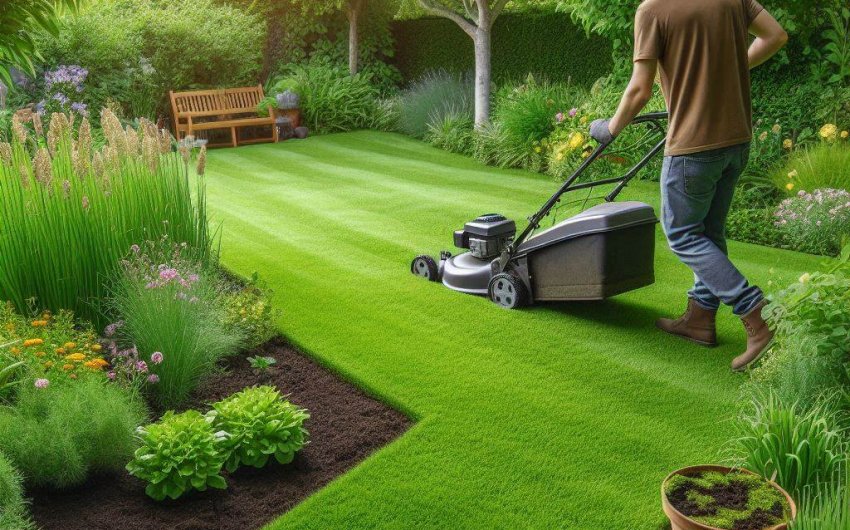
Achieving a lush green yard relies on consistent care and understanding your lawn's specific needs. The five essential tips for a vibrant lawn include proper mowing, effective watering, timely fertilization, diligent weed control, and beneficial aeration. Implementing these practices regularly will transform your grass.
What Are the Most Important Lawn Care Tips for a Green Yard?
The pursuit of a lush green yard is a common goal for homeowners, and it's entirely achievable with a strategic approach to lawn care. Rather than random tasks, a few fundamental practices consistently applied make the biggest difference. These essential tips form the bedrock of a healthy, vibrant lawn, transforming dull grass into a verdant carpet.
Why Are Proper Mowing Techniques Crucial for a Healthy Lawn?
Proper mowing techniques are more than just cutting grass; they are fundamental to the health and appearance of your entire lawn. Incorrect mowing can stress your grass, making it more susceptible to weeds and diseases, while correct methods encourage stronger, denser growth. It's a foundational step in cultivating a lush green yard.
Here's why proper mowing is crucial:
- Promotes Denser Growth: When you cut grass at the right height, it encourages the blades to grow thicker and branch out, creating a denser turf that naturally crowds out weeds.
- Strengthens Root Systems: Taller grass blades allow for deeper root growth. Deeper roots mean the grass can access more water and nutrients, making it more drought-tolerant and resilient.
- Reduces Weed Growth: A thicker, taller lawn shades the soil, preventing weed seeds from germinating by blocking sunlight.
- Prevents Scalping: Cutting the grass too short, or "scalping," severely stresses the plant, weakening it and making it more vulnerable to pests, diseases, and heat damage.
- Minimizes Disease Risk: Clean, sharp cuts heal faster, reducing entry points for disease pathogens. Dull blades tear the grass, leaving ragged edges that are prone to infection and look unsightly.
- Enhances Appearance: A consistently mowed lawn at an optimal height simply looks better, contributing significantly to your home's curb appeal.
How Should You Mow for a Lush Green Yard?
Achieving a lush green yard through mowing involves more than just pushing a machine; it requires understanding the optimal height, frequency, and technique. Adhering to these best practices will not only make your lawn look great but also contribute to its long-term health and resilience. Think of mowing as a regular haircut for your grass, designed to encourage robust growth.
Tips for mowing for a healthy lawn:
- Maintain the Right Height:
- Warm-season grasses (Bermuda, Zoysia, St. Augustine): Generally thrive at 1-2.5 inches.
- Cool-season grasses (Fescue, Kentucky Bluegrass, Ryegrass): Prefer to be kept taller, around 2.5-3.5 inches.
- "One-Third Rule": Never remove more than one-third of the grass blade's total height in a single mowing. Cutting too much at once stresses the plant.
- Mow Frequently:
- During peak growing seasons (spring/early summer), you may need to mow once or twice a week.
- Adjust frequency based on grass growth; if it's not growing much, you don't need to mow as often.
- Keep Blades Sharp:
- Dull mower blades tear the grass, leaving jagged ends that turn brown and are more susceptible to disease.
- Sharpen your mower blades at least once per season, or more often if you notice ragged cuts. A lawn mower blade sharpener can be a handy tool.
- Vary Mowing Patterns:
- Don't mow in the same direction every time. Varying your pattern prevents the grass blades from leaning in one direction and reduces compaction in specific areas.
- Try mowing in alternating directions (north-south, then east-west) or diagonally.
- Leave Grass Clippings:
- Unless they are clumping excessively, leave the grass clippings on the lawn. They act as a natural fertilizer, returning valuable nutrients (nitrogen, phosphorus, potassium) and organic matter to the soil.
- Ensure clippings are small enough to decompose quickly; if they're too long, they can smother the grass and create thatch. A mulching mower helps achieve this.
- Mow When Dry:
- Always mow when the grass is dry. Wet grass clogs the mower, leads to uneven cuts, and can spread disease.
- Mow During Cooler Parts of the Day:
- Mowing in the early morning or late afternoon reduces stress on both you and your grass, especially during hot summer months.
How Does Smart Watering Transform a Brown Yard into a Green Oasis?
Smart watering practices are fundamental to transforming a dry, brown yard into a vibrant, lush green yard. Many people either overwater or underwater, both of which can lead to unhealthy grass. The key is to water deeply and infrequently, encouraging strong root development and greater resilience against environmental stresses. This method efficiently delivers moisture where it's needed most.
What is the Best Way to Water Your Lawn for Optimal Health?
Watering your lawn effectively goes beyond just turning on the sprinkler; it involves understanding when, how much, and how often to water to promote deep root growth and overall grass vitality. Implementing the best watering practices ensures your lawn receives adequate moisture without waste or harm, contributing significantly to a lush green yard.
Best watering practices for lawn health:
- Water Deeply and Infrequently:
- Instead of light, daily sprinklings, aim for 1 inch of water per week (including rainfall) delivered in one or two deep watering sessions.
- Deep watering encourages roots to grow deeper into the soil, making the grass more drought-tolerant. A rain gauge can help measure natural rainfall.
- Water Early in the Morning:
- The best time to water is between 4 AM and 10 AM. This allows the water to soak into the soil before it evaporates in the midday sun.
- It also gives the grass blades time to dry before evening, reducing the risk of fungal diseases that thrive in prolonged dampness.
- Avoid Evening Watering:
- Watering in the evening leaves the grass wet overnight, creating an ideal environment for diseases like brown patch and dollar spot.
- Look for Signs of Thirst:
- Don't just water on a schedule. Your lawn will tell you when it's thirsty.
- Footprints remain in the grass for a long time after walking on it.
- The grass takes on a dull, bluish-gray tint.
- Blades begin to curl or wilt.
- Use the Right Equipment:
- An oscillating sprinkler or impact sprinkler can provide good coverage for larger areas.
- Ensure your sprinklers are properly adjusted to avoid watering sidewalks or driveways.
- Consider a smart sprinkler controller that adjusts watering based on local weather.
- Know Your Soil Type:
- Sandy soils drain quickly and may need slightly more frequent watering.
- Clay soils hold water longer and can be watered less frequently, but ensure water penetrates and doesn't just run off.
- Measure Water Application:
- Place empty tuna cans or rain gauges around your lawn to measure how long it takes your sprinkler to deliver 1 inch of water. This helps you calibrate your watering time.
When Should You Fertilize Your Lawn for Maximum Greenness?
Fertilizing your lawn at the correct times is paramount for achieving and maintaining maximum greenness. Fertilizer provides essential nutrients that fuel vigorous growth, enhance color, and strengthen the grass against environmental stresses. A well-fed lawn is better equipped to resist weeds, pests, and diseases, contributing to a truly lush green yard.
What Type of Fertilizer is Best and When to Apply It?
Choosing the right type of fertilizer and applying it at the optimal times are critical steps in developing a truly vibrant and lush green yard. Fertilizers vary in their nutrient composition and release rates, so selecting wisely based on your grass type and the season is essential for maximizing benefits and avoiding harm.
Understanding Fertilizer Components (N-P-K):
- Fertilizers are labeled with three numbers, representing the percentage of Nitrogen (N), Phosphorus (P), and Potassium (K).
- Nitrogen (N): Promotes lush, green, leafy growth.
- Phosphorus (P): Supports root development and energy transfer.
- Potassium (K): Enhances overall plant health, stress tolerance (drought, cold, disease).
Types of Fertilizer:
- Granular Fertilizers: Most common for lawns.
- Slow-Release: Provide nutrients over a longer period, reducing the risk of burning and encouraging consistent growth. Often preferred for a steady, deep green.
- Fast-Release: Offer a quick green-up but can lead to surge growth and a higher risk of burning if applied improperly.
- Liquid Fertilizers: Applied via a hose-end sprayer, offering fast absorption. Good for quick fixes but may require more frequent application.
- Organic Fertilizers: Derived from natural sources (compost, manure, bone meal). Release nutrients slowly, improve soil health, and are environmentally friendly. Consider an organic lawn fertilizer for sustainable care.
When to Fertilize (Timing is Key):
For Cool-Season Grasses (Kentucky Bluegrass, Fescue, Ryegrass):
- Early Spring (March-April): A light application to kickstart growth after winter. Use a balanced fertilizer or one with a slightly higher nitrogen content.
- Late Spring (May-June): A moderate application to sustain growth before summer stress.
- Early Fall (September-October): The most crucial feeding for cool-season grasses. Use a winterizer fertilizer (higher in potassium) to promote root growth and prepare the lawn for winter. This is vital for deep green color next spring.
- Late Fall (November): Optional light feeding for root development if the grass is still actively growing.
For Warm-Season Grasses (Bermuda, Zoysia, St. Augustine, Centipede):
- Late Spring (April-May): Once the grass has fully emerged from dormancy and temperatures are consistently warm. Use a nitrogen-rich fertilizer to promote lush growth.
- Early Summer (June-July): Another feeding to maintain vigor during peak growth.
- Late Summer (August-September): A final feeding to strengthen the grass before it enters dormancy. Avoid fertilizing too late in fall, as it can stimulate new growth vulnerable to frost.
General Fertilizing Tips:
- Soil Test: Before you start a fertilizing regimen, get a soil test. It tells you exactly what nutrients your lawn needs (and what it doesn't), preventing over-application. A DIY soil test kit can provide quick results.
- Read the Label: Always follow the manufacturer's instructions for application rates and methods.
- Apply Evenly: Use a spreader (rotary or drop) to ensure even distribution and prevent stripes or burned spots. A broadcast spreader works well for larger lawns.
- Water In: After applying granular fertilizer, water the lawn lightly to help the nutrients reach the soil and prevent burning.
- Don't Over-Fertilize: Too much fertilizer can burn your lawn, creating yellow or brown patches. It also contributes to nutrient runoff.
How Can You Effectively Control Weeds to Preserve a Lush Green Yard?
Effective weed control is indispensable for preserving a lush green yard. Weeds compete with your grass for essential resources like water, nutrients, and sunlight, ultimately weakening your turf and making it look patchy and unhealthy. A strategic approach to weed management is key to maintaining a dense, vibrant lawn.
What Are the Best Strategies for a Weed-Free Lawn?
Achieving a weed-free lawn requires a multi-faceted approach, combining proactive prevention with targeted treatment. Simply pulling weeds isn't enough; a comprehensive strategy addresses the underlying conditions that allow weeds to flourish. By implementing these best strategies, you can significantly reduce weed pressure and help your desirable grass thrive, contributing to a truly lush green yard.
Best strategies for a weed-free lawn:
- Promote a Healthy, Dense Lawn (Prevention is Key):
- Proper Mowing: Maintain the recommended grass height to shade out weed seeds.
- Correct Watering: Deep, infrequent watering encourages strong grass roots that outcompete weeds.
- Timely Fertilization: A well-fed lawn grows vigorously and fills in bare spots where weeds might otherwise establish.
- Aeration and Overseeding: Improves soil health and introduces new grass that can outcompete weeds.
- Apply Pre-Emergent Herbicides:
- What it is: A chemical barrier that prevents weed seeds from germinating. It does NOT kill existing weeds.
- When to apply: Crucial for controlling crabgrass and other annual weeds. Apply in early spring before soil temperatures consistently reach 50-55°F (10-13°C) for several days. A good rule of thumb is when forsythia bushes are blooming.
- Application: Follow product instructions carefully. Ensure even coverage. Look for pre-emergent crabgrass control.
- Apply Post-Emergent Herbicides:
- What it is: Chemicals that kill existing weeds after they have germinated and are visible.
- When to apply: Best applied when weeds are actively growing, typically in spring or fall. Avoid application during extreme heat or drought stress.
- Targeted vs. Broadleaf: Choose specific herbicides for broadleaf weeds (dandelions, clover) or grassy weeds (nutsedge) depending on your problem. Always read the label to ensure it's safe for your grass type.
- Spot Treatment: For isolated weeds, use a weed killer spray for spot treatment to minimize chemical use on healthy grass.
- Hand-Pulling and Manual Removal:
- For occasional or young weeds, hand-pulling is an effective, chemical-free method.
- Best done after a rain or watering when the soil is soft, making it easier to remove the entire root.
- A weeding tool can make this task easier.
- Identify Your Weeds:
- Knowing the specific types of weeds you're dealing with (annual vs. perennial, broadleaf vs. grassy) helps you choose the most effective control method.
- Maintain Clean Edges:
- Keep garden beds and pathways edged to prevent weeds from spreading into your lawn.
- Address Bare Spots:
- Weeds love bare soil. Overseed any thin or bare patches in your lawn to encourage desirable grass growth and prevent weed invasion.
Why is Aeration and Overseeding Important for a Vibrant Lawn?
Aeration and overseeding are often overlooked but incredibly important practices for achieving and maintaining a truly vibrant and lush green yard. These techniques work synergistically to improve soil health, enhance nutrient uptake, and encourage dense, resilient grass growth. They are vital for revitalizing struggling lawns and ensuring long-term vitality.
How Do Aeration and Overseeding Benefit Your Lawn?
Aeration and overseeding provide profound benefits that directly address common lawn problems, leading to a healthier and more robust turf. These practices create an optimal environment for grass roots to thrive, making your lawn more resilient to stress and more likely to boast that desired lush green yard appearance. Think of them as giving your lawn a much-needed breath of fresh air and a growth boost.
Benefits of Aeration:
- Relieves Soil Compaction: Over time, foot traffic, mowing, and heavy rainfall compact the soil, making it difficult for water, air, and nutrients to reach the grass roots. Aeration creates small holes, alleviating this compaction.
- Improves Water Penetration: Water can easily seep into the soil rather than running off, ensuring deeper hydration for roots.
- Enhances Nutrient Uptake: Fertilizers can penetrate deeper into the root zone, making nutrients more available to the grass.
- Increases Air Circulation: Allows oxygen to reach the roots, which is crucial for healthy root growth and microbial activity in the soil.
- Breaks Down Thatch: Helps to incorporate thatch (a layer of dead grass between the soil and green blades) into the soil, where it can decompose.
- Strengthens Roots: Encourages deeper, stronger root systems that are more resistant to drought and disease.
Benefits of Overseeding:
- Increases Lawn Density: Fills in bare spots and thins areas, creating a thicker, more uniform turf. A dense lawn naturally crowds out weeds.
- Improves Lawn Color and Texture: Introducing new, improved grass varieties can enhance the overall appearance, color, and texture of your lawn.
- Enhances Disease and Pest Resistance: Newer grass varieties are often bred with better resistance to common lawn diseases and pests, making your lawn more resilient.
- Rejuvenates Older Lawns: As grass ages, it can become less vigorous. Overseeding introduces new, energetic plants, revitalizing the entire lawn.
- Adds Drought Tolerance: Newer grass types often have better drought tolerance, contributing to a more sustainable lawn.
When and How to Aerate and Overseed Your Lawn
Timing and proper technique are essential for maximizing the benefits of aeration and overseeding. Performing these tasks during the right season, when grass is actively growing, ensures quicker recovery and establishment of new seedlings, ultimately leading to a more vibrant and lush green yard.
When to Aerate and Overseed:
- Cool-Season Grasses (Fescue, Kentucky Bluegrass, Ryegrass):
- Best Time: Early fall (late August to October) is ideal. The soil is still warm, which promotes seed germination, and cooler air temperatures are less stressful for young grass.
- Second Best: Early spring (March-April) can also work, but fall is generally preferred as it allows new grass to establish before summer heat and weed competition.
- Warm-Season Grasses (Bermuda, Zoysia, St. Augustine, Centipede):
- Best Time: Late spring to early summer (late April to July), during the grass's peak growing season. This ensures rapid recovery from aeration and strong establishment of new seeds before cooler temperatures arrive.
How to Aerate:
- Mow Your Lawn: Mow the lawn to its normal height a few days before aeration.
- Water the Lawn: Water the lawn thoroughly the day before. Moist soil makes it easier for the aerator to penetrate.
- Use a Core Aerator:
- Rent a core aerator from a local hardware store or garden center. This machine pulls out small plugs (cores) of soil. A manual core aerator is an option for smaller areas.
- Make multiple passes over the lawn, especially in heavily compacted areas, ensuring good coverage.
- Leave the Plugs: Leave the soil plugs on the lawn; they will break down and return nutrients to the soil.
How to Overseed:
- Prepare the Seedbed:
- After aeration, or if not aerating, rake up any heavy thatch or debris to expose the soil. This provides better seed-to-soil contact.
- Choose Quality Grass Seed:
- Select a high-quality grass seed blend that matches your existing lawn type and local climate. Look for varieties with good disease resistance. A premium grass seed blend can make a big difference.
- Apply Evenly:
- Use a spreader (rotary or drop) to distribute the grass seed evenly over the entire lawn. Follow the recommended seeding rate on the package.
- If combining with aeration, apply seed immediately after aerating to allow seeds to fall into the holes.
- Lightly Rake (Optional):
- Lightly rake the seeded areas to ensure good seed-to-soil contact. Avoid burying the seeds too deeply.
- Water Frequently and Lightly:
- This is crucial! Keep the newly seeded areas consistently moist with light, frequent waterings (2-3 times a day) until the seeds germinate and the seedlings are established (typically 2-3 weeks). Avoid heavy watering that can wash away seeds. A garden hose timer can help with this.
- Delay Mowing and Fertilizing:
- Wait until new grass is at least 2-3 inches tall before its first mow.
- Hold off on applying broadleaf herbicides for at least 4-6 weeks after seeding.
By consistently applying these five essential lawn care tips—proper mowing, smart watering, timely fertilization, diligent weed control, and beneficial aeration and overseeding—you're not just maintaining a lawn; you're cultivating a thriving, lush green yard that enhances your home's beauty and provides a welcoming outdoor space.