
Tropical Treasure: Growing Pineapple Guava in Your Garden Paradise
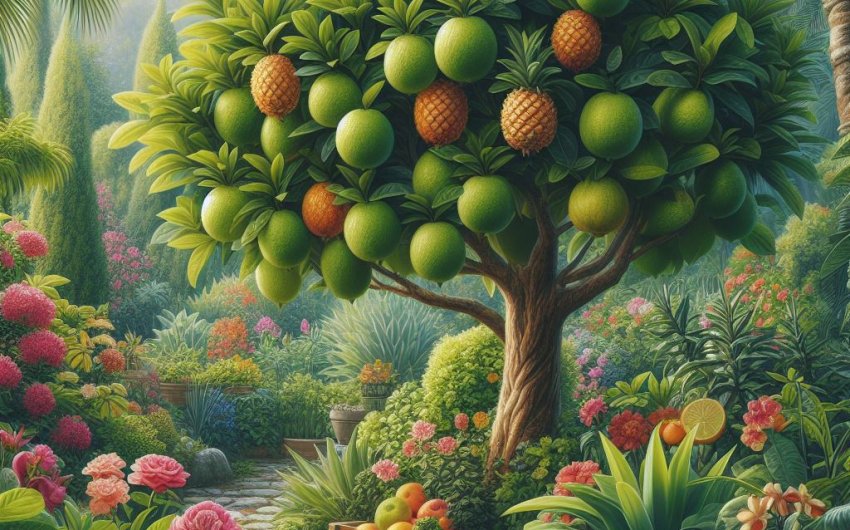
Pineapple guava, also known as Acca sellowiana or feijoa, is a versatile and attractive fruiting shrub that produces delicious, fragrant fruit with a unique flavor profile. It's a fantastic addition to many gardens, offering both ornamental beauty and edible rewards.
What Exactly is Pineapple Guava and Why Should You Grow It?
Pineapple guava is a remarkable evergreen shrub or small tree, native to South America, particularly parts of Brazil, Paraguay, Uruguay, and Argentina. It's cherished for its unique, egg-shaped fruit that boasts a complex flavor, often described as a mix of pineapple, guava, and mint, hence its common name. Beyond its tasty fruit, this plant is also a stunning ornamental, making it a dual-purpose superstar for many garden enthusiasts. You should consider growing it for its edible fruit, beautiful flowers, drought tolerance, and adaptability.
What Makes Pineapple Guava a "Tropical Treasure" for Your Garden?
The moniker "Tropical Treasure" perfectly encapsulates the allure of pineapple guava. It brings an exotic touch to diverse landscapes, defying its somewhat tropical name by thriving in surprisingly varied climates. This plant truly delivers a bounty of delights, from its striking appearance to its delectable harvest, making it a standout choice for any garden paradise.
Here's what makes it a treasure:
- Exotic, Delicious Fruit: The fruit of the feijoa is the star, offering a taste experience unlike any other. It's often eaten fresh by scooping out the pulp, but it also makes fantastic jams, jellies, and desserts.
- Stunning Ornamental Value: Even without the fruit, pineapple guava is a beautiful plant. It features attractive silvery-green, leathery leaves and captivating, edible flowers with fleshy white petals and striking red stamens. These flowers appear in late spring to early summer, adding a unique aesthetic.
- Hardiness and Adaptability: Unlike many genuinely tropical fruits, Acca sellowiana is surprisingly cold-hardy, tolerating temperatures down to 10-15°F (-12 to -9°C) once established. It's also quite drought-tolerant and adaptable to various soil types, making it suitable for a wide range of growing zones.
- Low Maintenance: Once established, pineapple guava requires relatively little fuss. It's not prone to many serious pests or diseases, making it an easy-care option for busy gardeners.
- Versatile in the Landscape: It can be grown as a specimen shrub, a hedge, an espalier, or even a small tree. Its dense foliage also makes it an excellent choice for privacy screening.
- Long-Lived: With proper care, a feijoa plant can provide many years of beauty and fruit production, becoming a long-term asset to your garden.
Where Can Pineapple Guava Thrive? Understanding Its Ideal Climate and Hardiness.
Pineapple guava is remarkably adaptable, making it suitable for a broader range of climates than many other "tropical" fruit plants. It performs best in regions with mild winters and warm summers, but its ability to withstand colder temperatures sets it apart. Understanding its ideal growing conditions ensures a healthy, productive plant.
What Climate Zones are Best for Growing Feijoa?
The feijoa, or pineapple guava, truly shines in specific climate zones that meet its unique needs for both warmth and a touch of chill. While it's tougher than its tropical name suggests, finding the sweet spot in terms of temperature ensures optimal fruit production and plant vigor. This makes it a great choice for temperate regions with occasional cold snaps.
Pineapple guava thrives in:
- USDA Hardiness Zones 8 to 10: This is the sweet spot where it can reliably produce fruit and grow as an evergreen.
- Zone 7: With some protection, especially when young, it can survive and even fruit in Zone 7. Temperatures below 10°F (-12°C) can cause significant damage or even kill younger plants.
- Mediterranean Climates: Regions with warm, dry summers and mild, wet winters, such as California, parts of the Pacific Northwest, and areas of the Southern U.S., are ideal.
- Subtropical Regions: It naturally thrives in areas that mirror its South American origins, with moderate temperatures year-round.
Key considerations for climate:
- Chill Hours: While not strictly required for survival, some sources suggest that a period of chill hours (temperatures below 45°F or 7°C) may enhance fruit production in some varieties.
- Heat Tolerance: It tolerates heat well, but in extremely hot, dry climates, it may benefit from some afternoon shade and consistent watering to prevent stress.
- Frost Tolerance: Established plants can handle brief dips to 10-15°F (-12 to -9°C). Younger plants are more vulnerable and may need covering or be grown in containers that can be moved indoors during severe cold.
How Do You Plant Pineapple Guava for the Best Start?
Proper planting is crucial for establishing a healthy and productive pineapple guava plant. Giving it the best possible start will lead to stronger growth, more beautiful flowers, and an abundant harvest of delicious fruit for years to come. The right location and careful planting technique make all the difference.
What are the Best Soil and Sunlight Requirements for Acca Sellowiana?
The Acca sellowiana, or pineapple guava, is quite forgiving when it comes to soil, but it truly thrives in conditions that offer good drainage and moderate fertility. Adequate sunlight is also non-negotiable for abundant flowering and fruit set. Meeting these basic needs ensures a vigorous and productive plant.
Soil Requirements:
- Well-Draining Soil: This is the most critical factor. Pineapple guava dislikes "wet feet" and will suffer in heavy, waterlogged soils. If your soil is clay-heavy, amend it generously with organic matter like compost, sand, or perlite to improve drainage.
- pH Level: It prefers slightly acidic to neutral soil, with a pH range of 5.5 to 7.0. A soil pH test kit can help you determine your current soil acidity.
- Fertility: While not a heavy feeder, average to moderately fertile soil is ideal. Adding compost or well-rotted manure at planting time can provide a good start.
- Salt Tolerance: It shows good tolerance to coastal conditions and moderate levels of salinity, making it a good choice for seaside gardens.
Sunlight Requirements:
- Full Sun: For optimal fruit production, pineapple guava needs at least 6-8 hours of direct sunlight per day. Full sun encourages more flowers and, consequently, more fruit.
- Partial Shade: It can tolerate partial shade (4-6 hours of sun), especially in hotter climates where it can protect it from intense afternoon sun. However, in partial shade, flowering and fruiting may be reduced.
- Protection from Intense Heat: In scorching desert climates, providing some afternoon shade can prevent leaf scorch and heat stress, ensuring better overall plant health.
Step-by-Step Planting Guide for Pineapple Guava
Planting your pineapple guava correctly ensures it establishes quickly and flourishes in its new home. Taking the time to follow these steps will pay off with a robust plant ready to produce beautiful flowers and delicious fruit. Whether you're planting a single specimen or a hedge, the process is straightforward.
- Choose the Right Time:
- Spring or Early Fall are generally the best times to plant. This allows the plant to establish its root system before extreme summer heat or winter cold.
- Select Your Location:
- Pick a spot with full sun (at least 6-8 hours daily) and well-draining soil.
- Ensure adequate space, as a mature plant can reach 10-15 feet tall and wide if left unpruned. For hedging, space plants 5-8 feet apart.
- Prepare the Planting Hole:
- Dig a hole that is twice as wide as the root ball and just as deep.
- Loosen the soil on the sides of the hole to encourage root growth.
- Inspect the Plant:
- Gently remove the pineapple guava from its nursery pot.
- Carefully untangle any circling roots at the bottom of the root ball. If the roots are very dense, you can make a few vertical cuts with a clean knife.
- Place the Plant:
- Set the plant in the center of the hole so that the top of the root ball is level with the surrounding soil. Do not plant too deep.
- Backfill the Hole:
- Backfill with the excavated soil, mixing in some compost or aged manure if your soil needs enrichment.
- Gently firm the soil around the root ball to remove air pockets.
- Water Thoroughly:
- Water immediately and deeply after planting to settle the soil. Using a soaker hose can ensure even distribution of water.
- Mulch:
- Apply a 2-3 inch layer of organic mulch (such as wood chips, shredded bark, or pine needles) around the base of the plant, keeping it a few inches away from the trunk. Mulch helps retain moisture, suppress weeds, and regulate soil temperature.
- Support (If Needed):
- For taller plants or in windy areas, you might need to stake the plant for its first year to help it establish upright growth.
What's the Secret to Abundant Fruit: Caring for Your Pineapple Guava?
Once established, pineapple guava is a relatively low-maintenance plant, but a little consistent care goes a long way in ensuring a bountiful harvest. Understanding its needs for water, nutrients, and proper pruning will lead to more vibrant flowers and an abundance of that distinctively delicious fruit. Regular attention ensures your plant thrives as a true garden paradise centerpiece.
How Much Water and Fertilizer Does Feijoa Need?
Providing the right amount of water and nutrients is essential for a thriving feijoa plant. While it's known for being somewhat drought-tolerant, consistent moisture, especially during specific growth stages, will dramatically improve fruit size and yield. Knowing when and how to fertilize can also boost its performance.
Watering:
- Establishment Period: For the first year or two after planting, water regularly and deeply to help the plant establish a strong root system. Aim for 1-2 inches of water per week, either from rainfall or irrigation.
- Mature Plants: Once established, pineapple guava is quite drought-tolerant. However, for optimal fruit production, provide consistent watering during dry spells, especially from spring through fruit development in fall.
- Signs of Thirst: Drooping or dull-looking leaves can indicate the plant needs water. A soil moisture meter can help accurately gauge soil dryness before watering.
- Avoid Overwatering: Ensure good drainage, as prolonged soggy conditions can lead to root rot.
Fertilizing:
- First Year: Avoid heavy fertilization in the first year to encourage root development rather than excessive top growth. A light application of compost can be beneficial.
- Established Plants (Year 2 onwards):
- Fertilize in early spring before new growth begins.
- Use a balanced granular fertilizer (e.g., 10-10-10 or 8-8-8) or an organic fruit tree fertilizer. Follow package directions for application rates.
- Alternatively, apply a generous layer of compost around the drip line in spring.
- Avoid Excessive Nitrogen: Too much nitrogen can promote lush leafy growth at the expense of flowers and fruit.
- Signs of Nutrient Deficiency: Yellowing leaves or stunted growth might indicate a need for nutrients, but always check watering first, as it's a more common issue.
When and How Should You Prune Pineapple Guava?
Pruning is an important aspect of caring for pineapple guava, serving multiple purposes: shaping the plant, encouraging fruit production, and maintaining its health. Proper pruning techniques can transform your feijoa from an unruly shrub into a well-structured, productive specimen. Knowing when to prune is as important as knowing how.
When to Prune:
- Late Winter to Early Spring: The best time for most significant pruning is in late winter or early spring, just before new growth begins and after the risk of severe frost has passed. This allows the plant to recover quickly and put energy into new growth and flowers.
- After Fruiting (Light Pruning): You can do light shaping or removal of dead/damaged branches immediately after the fruit harvest in late fall or early winter.
- Avoid Summer Pruning: Heavy pruning in summer can reduce the current season's fruit set and potentially stress the plant during hot weather.
How to Prune:
- Sanitize Tools: Always use clean, sharp pruning shears or loppers to make clean cuts and prevent disease spread. You can sterilize them with rubbing alcohol or a bleach solution. Professional pruning shears are a good investment.
- Remove Dead, Damaged, or Diseased Branches: Start by cutting out any branches that are visibly unhealthy.
- Improve Air Circulation: Thin out congested areas in the interior of the plant to allow better air flow and light penetration, which helps reduce fungal issues and improves fruit ripening.
- Shape the Plant:
- Shrub Form: Allow it to grow naturally, occasionally pruning to maintain desired size and shape.
- Hedge: Shear lightly and regularly to create a dense screen. Keep in mind that heavy shearing can reduce flowering and fruiting as it flowers on new growth.
- Small Tree (Standard): Select a strong central leader and remove lower branches gradually over time to create a clear trunk.
- Encourage Fruiting:
- Pineapple guava flowers and fruits on new growth from the previous season. Avoid aggressively cutting back all new growth.
- Lightly trim branch tips to encourage branching, which in turn creates more surfaces for new growth and flowers.
- Manage Size: Reduce the height and spread by cutting back to a strong side branch or bud. Avoid "topping" the plant by simply cutting straight across the top.
What About Pollination for Pineapple Guava?
Pollination is a crucial factor for a successful pineapple guava harvest, and understanding its specific needs can make the difference between a few fruits and an abundant yield. While some varieties are self-fertile, having multiple plants often dramatically improves fruit set, ensuring you get the most out of your feijoa trees. This aspect is key to maximizing your "Tropical Treasure's" productivity.
Pollination Facts:
- Self-Fertility Varies: Many pineapple guava varieties are partially self-fertile, meaning a single plant can produce some fruit on its own. However, even self-fertile varieties often produce significantly more fruit, and larger fruit, when cross-pollinated by another variety.
- Cross-Pollination is Best: For the best possible harvest, it's highly recommended to plant at least two different varieties of pineapple guava. This ensures successful cross-pollination.
- Pollinators: Pineapple guava flowers are primarily pollinated by birds (especially starlings and mynah birds, which eat the fleshy petals) and bees. These visitors transfer pollen between the flowers.
- Wind Pollination: While some wind pollination may occur, it's not the primary method for this plant.
- Container Plants: If growing in containers, ensure you have multiple varieties if fruit is your main goal. You might even consider gently hand-pollinating with a small brush if natural pollinators are scarce.
Popular Self-Fertile Varieties (often benefit from cross-pollination):
- 'Nazemetz'
- 'Mammoth'
- 'Coolidge'
Varieties that benefit greatly from cross-pollination:
- 'Apollo'
- 'Trinidad'
- 'Unique' (often listed as self-fertile, but does better with a partner)
If you have limited space and only want one plant, choose a variety known for good self-fertility. However, if space allows, always plant two or more different varieties to maximize your fruit production.
How Do You Harvest and Enjoy Pineapple Guava Fruit?
Harvesting and enjoying the unique pineapple guava fruit is the ultimate reward for your gardening efforts. Knowing when and how to pick the fruit ensures you get the best flavor and texture. This delightful harvest brings the "Tropical Treasure" full circle, providing a taste of paradise directly from your garden.
When is Pineapple Guava Fruit Ready to Pick?
Determining the perfect ripeness for pineapple guava fruit is crucial for savoring its best flavor. Unlike many fruits that ripen on the branch, feijoas have a distinct characteristic that signals they're ready for collection. Patience and observation are key to catching them at their peak.
Signs of Ripeness:
- Falling to the Ground: The most reliable indicator that pineapple guava fruit is ripe is when it naturally drops from the tree to the ground. This is when it's typically at its peak flavor and sweetness.
- Softness: Gently squeeze a fruit that has fallen. It should feel slightly soft to the touch, similar to a ripe avocado or a firm pear. Avoid fruit that is mushy.
- Aroma: Ripe feijoa fruit will emit a distinct, sweet, and fragrant aroma.
- Color: While the skin remains green even when ripe, some varieties might show a slight yellowing or blush. Don't rely solely on skin color.
Harvesting Tips:
- Check Daily: During the ripening season (typically late fall to early winter, depending on your climate and variety), check under your plant daily for fallen fruit.
- Gentle Handling: If you wish to pick fruit directly from the plant, it should detach easily with a gentle twist. If it resists, it's not quite ready.
- Avoid Bruising: Collect fallen fruit promptly to prevent bruising or damage from pests.
- Ripening on the Counter: If you pick fruit that is nearly ripe but not quite soft, you can let it sit on your counter for a few days to fully soften and develop its flavor.
Delicious Ways to Use Pineapple Guava Fruit
Once you've harvested your bounty of pineapple guava fruit, a world of culinary possibilities opens up. Its unique flavor profile makes it surprisingly versatile, suitable for both sweet and savory applications. From fresh eating to preserving, there are many ways to enjoy this "Tropical Treasure."
Here are some delicious ways to use it:
- Eat Fresh: The simplest and often best way to enjoy it! Cut the fruit in half and scoop out the juicy pulp with a spoon. Discard the skin, which can be tough and slightly bitter for some.
- Smoothies and Juices: Blend the pulp into refreshing smoothies or juices. It pairs wonderfully with other tropical fruits.
- Jams, Jellies, and Preserves: The high pectin content in feijoa makes it excellent for creating delightful jams and jellies.
- Desserts:
- Add sliced or diced fruit to fruit salads.
- Incorporate into pies, tarts, crumbles, and muffins.
- Make a unique feijoa sorbet or ice cream.
- Use as a topping for yogurt, oatmeal, or pancakes.
- Sauces and Chutneys: The tart-sweet flavor can be a great addition to savory sauces for poultry or pork, or in a vibrant chutney.
- Salsas: Finely diced pineapple guava can add a surprising tropical twist to fresh salsas.
- Dehydrated Fruit: Slice thinly and dehydrate for a chewy, flavorful snack.
When working with pineapple guava fruit, remember that its flavor can be delicate, so avoid overpowering it with too many strong ingredients. Let its unique taste shine!
What Pests or Diseases Should I Watch Out For?
While pineapple guava is generally known for its resilience, no plant is entirely immune to pests and diseases. Being aware of potential issues allows for early detection and prompt action, helping to maintain the health and productivity of your "Tropical Treasure." A proactive approach is always the best defense.
Are There Common Problems for Feijoa Plants?
Fortunately, feijoa plants are not typically plagued by a long list of serious pests or diseases, making them a relatively low-maintenance option for home gardeners. However, a few common problems can occasionally arise, and knowing what to look for can help you keep your plant robust. Most issues are minor and easily manageable.
Common problems for Acca sellowiana:
- Pests:
- Fruit Flies (Mediterranean Fruit Fly): In regions where they are prevalent, fruit flies can lay eggs in ripening fruit, causing damage. Promptly harvesting fallen fruit helps mitigate this.
- Scale Insects: Small, immobile bumps on stems and leaves that suck plant sap. Can be treated with horticultural oil or insecticidal soap.
- Aphids: Small, soft-bodied insects that cluster on new growth. Can be hosed off with water or treated with insecticidal soap.
- Mealybugs: White, cottony pests found in leaf axils or on stems. Similar treatment to aphids.
- Diseases:
- Root Rot: This is primarily a problem in poorly draining, waterlogged soils. Symptoms include yellowing leaves, wilting, and a decline in plant vigor. Ensure excellent drainage to prevent this.
- Leaf Spot Fungi: Occasionally, fungal leaf spots may appear, especially in humid conditions. Good air circulation and avoiding overhead watering can help. Generally not severe enough to warrant chemical treatment.
- Environmental Stress:
- Frost Damage: Leaves and young branches can turn brown or black after severe frosts. Prune damaged parts after the risk of frost has passed.
- Sunburn: In extremely hot, intense sun, leaves can develop yellowish or brown scorched patches.
- Nutrient Deficiencies: Yellowing leaves (chlorosis) can sometimes indicate a lack of iron or nitrogen, but often points to watering issues first.
Prevention is key:
- Proper Site Selection: Choose a location with good drainage and adequate sunlight.
- Good Air Circulation: Space plants appropriately and prune to prevent overly dense growth.
- Consistent Watering: Avoid both prolonged drought and waterlogging.
- Regular Inspection: Periodically check your plant for any signs of pests or disease. Early detection makes treatment much easier.
- Balanced Nutrition: Provide appropriate fertilizer as needed, but don't over-fertilize.
By understanding these common challenges and implementing preventative measures, you can ensure your pineapple guava plant remains healthy and continues to be a beautiful and fruitful addition to your garden paradise. With its unique flavor and hardy nature, it truly is a garden gem worth cultivating.