
Rooted in the City: Unveiling the Beauty of Urban Farming
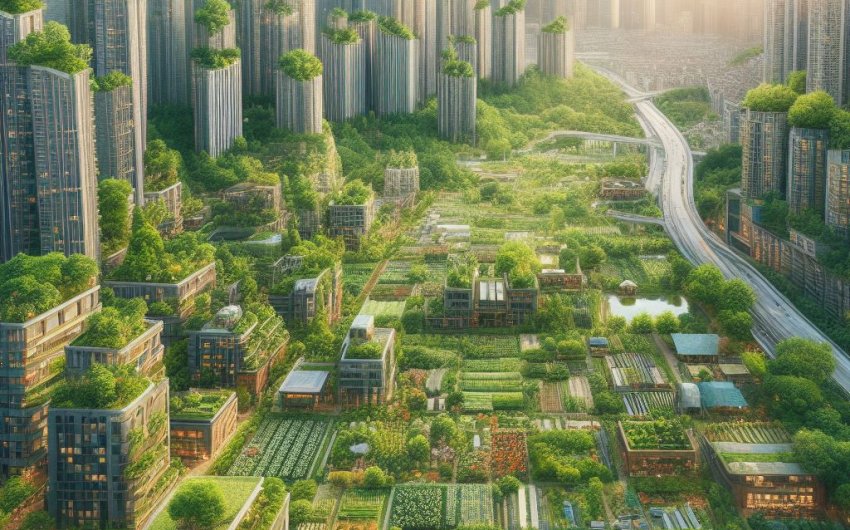
Urban farming is the practice of cultivating, processing, and distributing food in or around urban areas. It transforms underutilized city spaces like rooftops, balconies, and vacant lots into productive green zones, bringing food production closer to consumers.
What Exactly is Urban Farming and Why Does it Matter?
Urban farming is much more than just gardening in the city; it's a comprehensive system that encompasses food production, distribution, and consumption within metropolitan environments. This localized approach to agriculture addresses several modern challenges, making it a crucial component of sustainable urban development. It matters because it fosters food security, community engagement, and environmental stewardship.
Why is Urban Farming Becoming So Popular?
The rise of urban farming reflects a growing desire for fresh, locally sourced food and a greater connection to nature within bustling cities. People are increasingly aware of the environmental and social impacts of conventional food systems, driving them towards more sustainable alternatives. This movement also offers practical benefits for city dwellers.
Reasons for its surging popularity include:
- Freshness and Quality: Food travels shorter distances, meaning it's often harvested closer to ripeness and retains more nutrients.
- Food Security: It provides access to healthy food options, particularly in areas often referred to as food deserts where fresh produce is scarce.
- Environmental Benefits: Urban farms help reduce the carbon footprint associated with transporting food long distances. They also contribute to cleaner air and water.
- Community Building: These projects often become central hubs for social interaction, learning, and local economic development.
- Educational Opportunities: Urban farms serve as living classrooms, teaching people about where their food comes from and sustainable practices.
How Does Urban Farming Help Build Stronger Communities?
Urban farming plays a vital role in community development by creating shared spaces and fostering social connections. These green initiatives often become focal points for neighborhood activities, bringing people together from diverse backgrounds. The collaborative nature of growing food strengthens social bonds and empowers residents.
What Are the Social Benefits of Urban Agriculture?
The social impacts of urban agriculture extend far beyond just growing food; they cultivate a sense of belonging and mutual support. By working together on a common goal, individuals connect with their neighbors and build a stronger, more resilient community fabric. This shared experience often leads to other positive social outcomes.
Key social benefits include:
- Increased Social Interaction: Urban farms provide natural gathering places, encouraging neighbors to meet, interact, and collaborate.
- Skill Sharing and Education: People learn new skills, from planting and harvesting to composting and pest management, often shared between experienced and novice gardeners.
- Empowerment and Ownership: Community gardens give residents a sense of ownership over their food sources and local environment.
- Improved Mental Health: Spending time in nature and engaging in gardening activities has been shown to reduce stress and improve overall well-being.
- Youth Engagement: Urban farms offer valuable hands-on learning experiences for children and teenagers, teaching them about healthy eating and environmental responsibility.
- Cultural Exchange: Different cultures bring their unique gardening traditions and food preferences, enriching the community's diversity.
Can Urban Farming Improve Access to Healthy Food in Cities?
Absolutely, urban farming significantly enhances food access by bringing fresh produce directly into neighborhoods. In many urban areas, particularly low-income communities, access to affordable, nutritious food is limited, leading to what are known as food deserts. Urban farms directly address this disparity by growing food where people live, thereby shortening the supply chain and reducing costs.
How Does Urban Farming Tackle Food Deserts?
Food deserts are areas where residents have limited access to affordable and nutritious food. These areas often rely on convenience stores that offer processed, unhealthy options. Urban farming initiatives combat this problem by creating local food sources, making fresh fruits and vegetables more readily available to those who need them most.
Ways urban farming helps food deserts:
- Local Production: Food is grown within walking or short public transport distance, removing barriers to access.
- Affordable Produce: Community-supported agriculture (CSA) programs, farm stands, and direct sales from urban farms often offer produce at lower prices than conventional supermarkets.
- Increased Availability: Fresh produce becomes a regular offering in areas where it was once scarce.
- Educational Outreach: Urban farms often host workshops on healthy eating, cooking, and nutrition, empowering residents to make better food choices.
- Community Distribution: Many urban farms donate a portion of their harvest to local food banks or distribute it directly to community members.
- Job Creation: Creating and maintaining urban farms can provide employment opportunities within the community.
What Are the Environmental Advantages of Urban Farming?
The environmental benefits of urban farming are substantial, contributing to a more sustainable and resilient urban ecosystem. By integrating nature into the built environment, these green spaces help mitigate some of the negative impacts of urbanization. From air quality to biodiversity, urban farms offer a multitude of ecological advantages.
How Does Urban Farming Contribute to Sustainability?
Urban agriculture is inherently sustainable due to its localized nature and often organic practices. It significantly reduces the resource intensity typically associated with industrial food production and transportation. This shift towards localized food systems has a ripple effect on the broader environment, promoting ecological balance.
Environmental contributions include:
- Reduced Food Miles: Less transportation means lower fossil fuel consumption and fewer greenhouse gas emissions. This directly impacts the carbon footprint of our food.
- Biodiversity Enhancement: Urban farms provide habitats for pollinators like bees and butterflies, as well as beneficial insects, increasing biodiversity in urban landscapes.
- Stormwater Management: Green spaces, including gardens, absorb rainwater, reducing runoff and the burden on city drainage systems, thus preventing urban flooding.
- Improved Air Quality: Plants absorb carbon dioxide and release oxygen, helping to filter air pollutants and improve air quality.
- Waste Reduction: Composting organic waste from the city, like food scraps, reduces landfill volume and creates nutrient-rich soil for the farms. Many urban farms use compost tumblers like this rotating composter bin.
- Urban Heat Island Effect Mitigation: Green spaces help cool urban areas by providing shade and releasing water vapor through evapotranspiration, counteracting the urban heat island effect.
- Water Conservation: Many urban farms employ efficient irrigation techniques such as drip irrigation or rainwater harvesting, reducing overall water consumption. For example, a good drip irrigation kit can save significant water.
What Types of Urban Farming Methods Are There?
Urban farming isn't a one-size-fits-all concept; it encompasses a diverse range of methods and technologies adapted to the unique constraints and opportunities of urban environments. These innovative approaches allow for food production in various settings, maximizing space and resources. Each method has its own benefits and requirements, offering flexibility for different urban spaces.
What Are Popular Urban Farming Techniques?
The choice of urban farming technique often depends on available space, resources, and the desired scale of production. From traditional soil-based gardening to high-tech indoor systems, there's a method suitable for almost any urban dweller or community group looking to grow food. These techniques demonstrate the adaptability and ingenuity of urban growers.
Here's a look at popular techniques:
- Community Gardens: Shared plots of land where individuals or groups cultivate food. These often involve traditional in-ground planting or raised garden beds. Community gardens foster strong social bonds.
- Rooftop Gardens: Utilizing the unused space on building rooftops for growing food. These can be intensive green roofs (deep soil, diverse plants) or extensive green roofs (shallow soil, low-maintenance plants). A sturdy roof garden planter is essential here.
- Vertical Farms: Growing crops in vertically stacked layers, often indoors and in controlled environments. This method maximizes space and can use hydroponics, aeroponics, or aquaponics.
- Hydroponics: Growing plants without soil, using nutrient-rich water solutions. This can be done in various systems, from simple deep water culture to more complex nutrient film technique (NFT). A basic hydroponic growing system can be set up at home.
- Aeroponics: Growing plants by suspending them in the air and misting their roots with a nutrient solution. This uses even less water than hydroponics and promotes rapid growth.
- Aquaponics: A symbiotic system combining aquaculture (raising fish) and hydroponics. Fish waste provides nutrients for the plants, and the plants filter the water for the fish. A small aquaponics starter kit is a great way to learn.
- Container Gardening: Growing plants in pots, barrels, or other containers on balconies, patios, or small yards. This is highly flexible and portable. Diverse fabric grow bags are popular for this.
- Indoor Gardening/Controlled Environment Agriculture (CEA): Growing food in indoor spaces like basements or warehouses, often using LED grow lights and precise environmental controls for temperature, humidity, and CO₂. A good LED grow light is crucial here.
What Tools and Equipment Do I Need for Urban Farming?
Starting an urban farm doesn't necessarily require a huge investment, but having the right tools and equipment can make the process much easier and more efficient. The specific items you'll need will depend on the scale and type of urban farming you choose, from a small balcony garden to a larger community plot. Basic gardening tools are a good starting point for any urban grower.
What Are Essential Tools for Urban Gardeners?
For any aspiring urban farmer, a core set of gardening tools will be indispensable. These tools facilitate everything from soil preparation and planting to watering and harvesting, ensuring a smoother and more enjoyable gardening experience. Investing in durable, high-quality tools will serve you well for many seasons.
Essential tools include:
- Hand Trowel: For digging small holes, transplanting seedlings, and breaking up soil.
- Gardening Gloves: To protect your hands from dirt, thorns, and blisters. Look for durable, comfortable gardening gloves.
- Hand Pruners/Shears: For harvesting, trimming plants, and removing dead or diseased foliage. Sharp pruning shears are key.
- Watering Can or Hose with Sprayer: For efficient and gentle watering. A long-spout watering can is great for containers.
- Soil: A good quality, well-draining potting mix is crucial for container and raised bed gardening. Consider a organic potting mix.
- Containers/Raised Beds: Depending on your space, choose appropriate pots, grow bags, or build raised beds.
- Compost or Fertilizer: To enrich the soil and provide nutrients to your plants.
- Seeds or Seedlings: The starting material for your crops.
- Labels: To identify what you've planted. Waterproof plant labels are very helpful.
- Pest Control (Organic Options): Such as neem oil or insecticidal soap for managing common pests.
- Soil Moisture Meter: A useful tool to gauge when your plants truly need water, preventing both over and under-watering. Using a soil moisture meter can provide accurate readings throughout the pot.
How Can I Start My Own Urban Farm in Limited Space?
Starting an urban farm in limited space might seem challenging, but it's entirely feasible with creative planning and efficient use of vertical and horizontal areas. The key is to think strategically about how to maximize your growing potential, even if you only have a small balcony, patio, or windowsill. Many innovative solutions exist for tiny urban plots.
What Are the Best Plants for Small Urban Gardens?
Choosing the right plants is crucial when gardening in limited urban spaces. Opt for varieties that are compact, have a high yield in small areas, or can be grown vertically. These plants make the most of every inch, ensuring a productive and enjoyable urban farming experience. Focus on species that don't spread aggressively and have shallow root systems.
Great plants for small urban gardens include:
- Leafy Greens: Lettuce, spinach, kale, Swiss chard are compact and provide continuous harvests. They thrive in partial shade.
- Herbs: Basil, mint, parsley, cilantro, rosemary, thyme are excellent for containers and provide fresh flavor. Many can be grown indoors.
- Radishes: Quick-growing and don't require deep soil.
- Bush Beans: Unlike pole beans, bush varieties are more compact and don't need tall support.
- Strawberries: Can be grown in hanging baskets or strawberry planters, offering sweet fruit in small spaces. A vertical strawberry planter works wonders.
- Cherry Tomatoes: Many dwarf or bush varieties are perfect for pots, producing abundant small tomatoes.
- Peppers: Bell peppers and chili peppers come in compact varieties suitable for containers.
- Eggplant (Dwarf Varieties): Some smaller eggplant types do well in pots.
- Carrots (Short Varieties): Choose "Paris Market" or "Danvers Half Long" for shallower containers.
- Edible Flowers: Nasturtiums or pansies add beauty and can be harvested.
Tips for Maximizing Space in Your Urban Garden
Making the most of every available nook and cranny is the hallmark of successful urban farming in limited spaces. This often involves clever design, vertical solutions, and strategic plant placement to ensure adequate sunlight and air circulation. Even the smallest areas can become surprisingly productive with a smart approach.
Tips for maximizing space:
- Go Vertical: Utilize walls, fences, or vertical planters.
- Install a vertical garden system on a wall for herbs and leafy greens. Look for wall-mounted vertical planters.
- Use hanging baskets for strawberries, cherry tomatoes, or cascading herbs.
- Employ trellises or stakes for climbing plants like cucumbers or pole beans.
- Containerize Everything:
- Use a variety of pots, grow bags, and planters of different sizes.
- Choose lightweight materials like fabric grow bags for easy movement.
- Ensure all containers have drainage holes to prevent root rot.
- Choose Compact Varieties:
- Select dwarf, bush, or patio varieties of fruits and vegetables.
- Look for seed packets specifically labeled "compact" or "container friendly."
- Practice Succession Planting:
- Once a crop is harvested, immediately replant with something new to keep the space productive. This is great for leafy greens and radishes.
- Intercropping:
- Plant compatible crops together in the same bed or container. For example, plant fast-growing radishes alongside slower-growing carrots.
- Utilize Windowsills and Shelves:
- For herbs and microgreens, sunny windowsills or shelves with supplemental indoor grow lights can be very productive.
- Consider Hydroponic or Aeroponic Systems:
- These systems require less space and can be very efficient for leafy greens and herbs, often producing higher yields in smaller footprints.
What Are the Challenges of Urban Farming and How Can They Be Overcome?
While urban farming offers numerous benefits, it also comes with its unique set of challenges that urban growers must navigate. From limited space and poor soil quality to regulatory hurdles, these obstacles can seem daunting. However, with innovative solutions and community collaboration, most of these hurdles can be effectively overcome, making urban agriculture a viable reality.
What Obstacles Do Urban Farmers Face?
Urban farmers often contend with a different set of problems compared to their rural counterparts. The unique environment of a city presents specific difficulties that require creative and often collaborative approaches to ensure success. Understanding these obstacles is the first step towards finding effective solutions.
Key obstacles include:
- Limited Space: Finding suitable land for farming in densely populated areas is a primary challenge.
- Soil Contamination: Urban soils can sometimes be contaminated with heavy metals or other pollutants due to historical industrial use or runoff. Testing the soil is crucial. A soil test kit can provide valuable insights.
- Access to Water: Securing reliable and affordable water sources for irrigation can be difficult in urban settings.
- Sunlight Access: Tall buildings can cast shadows, limiting the amount of direct sunlight available for plants, especially on lower levels or in narrow streets.
- Regulatory Hurdles: Zoning laws, building codes, and health regulations can sometimes create barriers for establishing urban farms.
- Lack of Expertise: Many urban dwellers are new to farming and may lack the necessary knowledge and skills.
- Pest and Disease Management: While pests exist everywhere, specific urban pests or rapid spread in dense settings can be an issue.
- Initial Startup Costs: Establishing an urban farm, especially with advanced techniques like vertical farming, can require significant initial investment.
- Security: Theft or vandalism can be concerns in some community garden settings.
- Community Acceptance: Gaining support and buy-in from neighbors and local authorities is essential.
Strategies to Overcome Urban Farming Challenges
Overcoming the challenges of urban farming often requires a blend of ingenuity, community engagement, and leveraging available resources. Rather than viewing these obstacles as roadblocks, urban farmers often see them as opportunities for innovation and collaboration. Solutions are often found through shared knowledge and adaptable practices.
Strategies to overcome challenges:
- Creative Space Utilization:
- Embrace vertical gardening, rooftop farming, and container gardening to maximize small footprints.
- Identify and repurpose vacant lots, unused public spaces, or even industrial rooftops.
- Soil Remediation and Management:
- Conduct soil testing to check for contaminants.
- Use raised garden beds filled with imported, clean organic soil or soil mixes like a raised bed soil mix.
- Implement composting to enrich and amend existing urban soils, building healthy soil over time.
- Water Conservation and Access:
- Install rainwater harvesting systems to collect and store water. A good rain barrel can be a great asset.
- Utilize drip irrigation and soaker hoses to minimize water waste.
- Explore partnerships with local businesses or institutions for water access.
- Addressing Sunlight Limitations:
- Plant shade-tolerant crops in less sunny areas (e.g., leafy greens).
- Use reflective materials to bounce light into darker spots.
- For indoor setups, invest in efficient LED grow lights.
- Navigating Regulations:
- Research local zoning laws and urban agriculture policies.
- Engage with local government officials and community planning departments to advocate for supportive policies.
- Join or form urban farming networks to share information and collectively address policy issues.
- Education and Training:
- Attend workshops, online courses, and local gardening classes to build knowledge.
- Seek mentorship from experienced urban farmers.
- Share knowledge within community garden groups.
- Integrated Pest Management (IPM):
- Focus on preventative measures like companion planting, beneficial insects, and good sanitation.
- Use organic pest control methods like neem oil spray or insecticidal soap as a last resort.
- Funding and Resources:
- Apply for grants from local government, non-profits, or environmental organizations.
- Explore crowdfunding campaigns for larger projects.
- Seek donations of materials from local businesses.
- Community Engagement and Security:
- Foster a strong sense of community ownership to deter vandalism.
- Implement clear rules and responsibilities for community garden members.
- Consider secure fencing and lighting if necessary.
What Impact Does Urban Farming Have on the Local Economy?
Urban farming can have a significant and positive impact on the local economy, creating new jobs, fostering local businesses, and keeping money circulating within the community. By shortening the food supply chain, it reduces reliance on large, distant agricultural operations and promotes a more resilient local food system. This localized economic activity generates multiple benefits for city residents.
How Does Urban Agriculture Create Economic Opportunities?
Urban agriculture stimulates economic growth by establishing new enterprises and supporting existing ones, proving that food production can be a viable economic engine in metropolitan areas. From the direct sale of produce to the development of related services, urban farms cultivate a diverse range of economic opportunities.
Economic opportunities include:
- Job Creation:
- Farmers/Growers: Direct employment in managing and cultivating urban farms.
- Educators/Workshop Leaders: Jobs in teaching gardening, cooking, and sustainability.
- Distributors/Marketers: Roles in selling and delivering produce to local markets, restaurants, and consumers.
- Compost Technicians: Managing waste streams for nutrient cycling.
- Local Business Support:
- Restaurants and Cafes: Purchasing fresh, local ingredients directly from urban farms, enhancing their menus and supporting local growers.
- Seed and Supply Stores: Increased demand for gardening supplies, seeds, and tools.
- Food Processing Businesses: Small-scale processors for value-added products (jams, sauces) using urban-grown produce.
- New Businesses Development:
- Emergence of specialized businesses focused on vertical farming technology, hydroponic supplies, or urban farm design and installation.
- Consulting services for aspiring urban farmers.
- Increased Local Spending: Money spent on urban farm produce stays within the local economy, circulating through multiple hands and boosting economic activity.
- Property Value Enhancement: Well-maintained community gardens and green spaces can enhance the aesthetic appeal and property values of surrounding areas.
- Tourism: Agri-tourism opportunities can arise, with visitors drawn to unique urban farm experiences.
- Reduced Transportation Costs: Less money spent on fuel and logistics for food transport.
What is the Future of Urban Farming in Our Cities?
The future of urban farming looks incredibly bright, with continuous innovation and a growing recognition of its potential to transform cities into more sustainable, resilient, and livable spaces. As urban populations continue to grow, the need for localized food systems will only intensify, driving further advancements in urban agriculture technologies and practices. This evolving movement promises to reshape how we think about food production and urban design.
What Innovations Are Shaping Urban Agriculture?
Innovations in urban agriculture are rapidly transforming the way we grow food in cities, pushing the boundaries of what's possible in limited spaces. These advancements leverage technology and scientific understanding to create more efficient, sustainable, and productive farming systems. From smart sensors to robotics, the landscape of urban farming is constantly evolving.
Key innovations shaping the future:
- Advanced Vertical Farming Systems:
- Integration of AI and machine learning for optimizing plant growth conditions (light, temperature, nutrients).
- Automated planting and harvesting robots reducing labor costs.
- More efficient LED lighting systems tailored to specific plant needs, such as full-spectrum LED grow lights.
- Smart Agriculture and IoT (Internet of Things):
- Sensor technology to monitor soil moisture, pH, nutrient levels, and atmospheric conditions in real-time.
- Automated irrigation systems that deliver precise amounts of water based on plant needs, conserving water.
- Remote monitoring and control via smartphone apps, allowing farmers to manage their operations from anywhere.
- Biotechnology and Crop Development:
- Development of crop varieties specifically optimized for urban environments, such as disease-resistant plants or those that thrive in controlled conditions.
- Research into new plant-based foods that can be efficiently grown in vertical farms.
- Sustainable Resource Management:
- Closed-loop water systems in hydroponics and aquaponics that minimize water waste.
- Integrated pest management (IPM) strategies that rely on biological controls and minimal chemical intervention.
- Advanced composting and waste-to-nutrient conversion technologies.
- Community Integration and Accessibility:
- Modular and easily deployable urban farm kits for homes and schools.
- Public education programs and workshops that make urban farming knowledge accessible to all.
- Expansion of community-supported agriculture (CSA) models and direct-to-consumer sales to strengthen local food systems.
- Integration with Urban Planning:
- "Edible cities" initiatives where food production is a central element of urban design, incorporating farms into parks, public buildings, and transportation corridors.
- Policies that incentivize rooftop gardens, green walls, and community plots in new developments.
As cities continue to grow and evolve, urban farming stands as a powerful force for positive change. It transforms concrete jungles into vibrant, productive landscapes, nurturing communities, safeguarding the environment, and bolstering local economies. The ongoing innovations in this field promise an even more fruitful future for those rooted in the city, driving fresh, local food onto our plates and creating a greener urban tapestry for generations to come.