
Aquatic Symphony: Dive into Stunning Aquascape Design
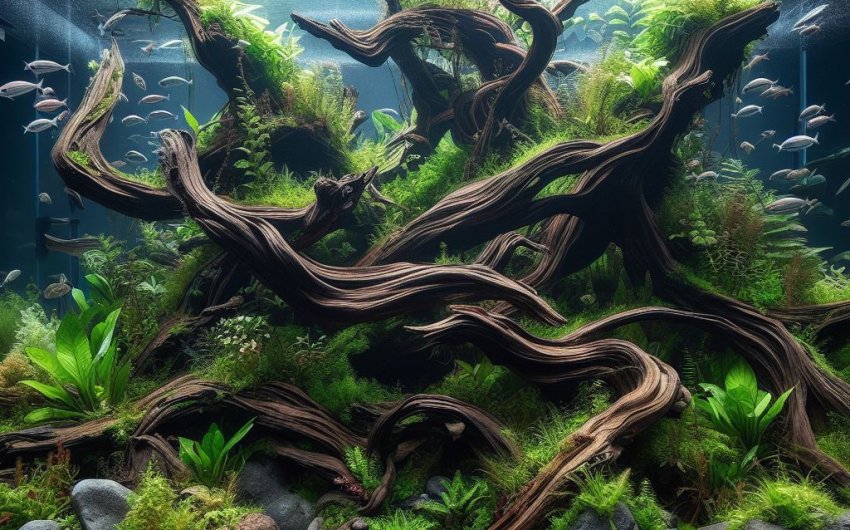
Diving into stunning aquascape design reveals an aquatic symphony, transforming an ordinary fish tank into a captivating underwater landscape. This involves meticulously arranging hardscape (rocks and driftwood) and live aquatic plants, guided by artistic principles like the rule of thirds and focal points, to create a harmonious and visually immersive ecosystem for fish and viewers alike.
Why is aquascape design more than just decorating a fish tank?
Aquascape design is an intricate art form that transcends simply decorating a fish tank; it's about transforming an ordinary glass box into a living, breathing, and visually stunning underwater landscape—an aquatic symphony. Far from just housing fish, aquascaping meticulously arranges hardscape (rocks and driftwood) and live aquatic plants to create captivating scenes that evoke natural terrestrial environments, offering a profound sense of tranquility, artistic expression, and a unique connection to the underwater world.
What defines "aquascape design" as an art form?
Aquascape design elevates aquarium keeping to an art, guided by principles found in terrestrial landscape design.
- Miniature Underwater Landscape:
- DO: Creates a scaled-down, self-contained replica of a natural scene (e.g., a mountain range, a forest, a riverbed, an abstract garden) entirely underwater.
- Aesthetic Principles:
- DO: Applies artistic principles such as the rule of thirds, golden ratio, balance, contrast, repetition, and perspective to arrange elements harmoniously.
- Living Composition:
- DO: Integrates live aquatic plants and hardscape (rocks, driftwood) as primary design elements.
- Why: Unlike artificial decor, live plants grow, change, and contribute to the ecosystem.
- Harmony and Flow:
- DO: Aims for a sense of natural flow and visual cohesion, guiding the viewer's eye through the scene.
- Patience and Evolution:
- DO: Aquascaping is a long-term project. The "landscape" evolves as plants grow, requiring regular maintenance and artistic pruning.
- Evokes Emotion:
- DO: A well-designed aquascape can evoke feelings of peace, wonder, contemplation, or dramatic awe.
What are the compelling benefits of a stunning aquascape design?
Investing in aquascaping yields advantages beyond just a pretty tank.
- Enhanced Aesthetics (Core Benefit):
- DO: Transforms an aquarium into a captivating focal point in any room, a living art piece that enhances interior decor.
- Stress Reduction and Well-being:
- DO: Observing a serene, harmonious aquascape has a proven calming effect, reducing stress and promoting relaxation.
- Why: Provides a unique connection to nature.
- Improved Water Quality:
- DO: Live aquatic plants absorb nitrates and other fish waste products, naturally helping to filter the water and improve its quality for fish.
- Why: Creates a healthier environment for fish, reducing algae.
- Enriched Fish Habitat:
- DO: A well-designed aquascape provides natural hiding places, territories, and stimulating environments for fish, reducing their stress and promoting natural behaviors.
- Educational:
- DO: Offers a fascinating, hands-on way to learn about botany, aquatic ecology, water chemistry, and fish behavior.
- Creative Outlet:
- DO: Provides a unique and challenging medium for artistic expression and problem-solving.
- Boosts Property Value:
- DO: A meticulously maintained, stunning aquascape can be a luxurious and attractive feature in a home.
Aquascape design is a profound journey into creating underwater beauty. By merging artistic principles with horticultural science, you transform a simple aquarium into an aquatic symphony, a captivating living landscape that enchants both the eyes and the soul.
What are the different styles of aquascape design?
Aquascape design is a diverse art form, with several distinct styles that have emerged, each guided by specific aesthetic principles and inspirations. Understanding these different styles is the first step in choosing a direction for your own aquatic symphony, allowing you to select plants and hardscape that perfectly evoke your desired underwater landscape.
1. Iwagumi Style: Minimalist and Natural Stone Dominance
- Origin: Japanese, influenced by Zen rock gardens.
- Characteristics:
- Minimalism: Emphasizes simple, clean lines and a restrained plant palette.
- Stone Dominance: Focuses heavily on the arrangement of carefully selected natural stones (hardscape) as the primary focal point and structural elements.
- Rule of Thirds/Golden Ratio: Stones are often arranged in odd numbers (e.g., three main stones: a larger "main stone," and two smaller "assistant stones") according to classic artistic principles.
- Subtle Plantings: Sparse use of carpeting plants (e.g., dwarf hairgrass, glosso) and very few, if any, stem plants.
- Open Space: Incorporates significant areas of open substrate to create a sense of vastness and tranquility.
- Evokes: Rocky shores, mountain ranges, or vast underwater landscapes.
- Best For: Creating a serene, contemplative, and aesthetically pure underwater scene.
2. Nature Aquarium (Amano Style): Recreating Terrestrial Landscapes
- Origin: Popularized by the late Takashi Amano, a Japanese aquascaper and photographer.
- Characteristics:
- Naturalistic: Aims to recreate a terrestrial landscape entirely underwater, such as a lush forest, a mountain valley, or a dense jungle.
- Hardscape and Plants in Balance: Utilizes a harmonious balance of driftwood (roots, branches) and live aquatic plants to build intricate, realistic scenes.
- Depth and Perspective: Creates a strong sense of depth and perspective through the careful placement of hardscape and varying plant heights/textures (e.g., taller plants in the back, shorter in the front).
- Visual Flow: Emphasizes a natural flow, guiding the viewer's eye.
- Evokes: Lush, overgrown natural beauty.
- Best For: Creating highly detailed, dynamic, and visually stunning underwater ecosystems that are rich in plants and intricate details.
3. Dutch Style: Lush Botanical Gardens of Color
- Origin: European, with a history in formal plant displays.
- Characteristics:
- Plant-Focused: Exclusively focuses on the dense arrangement of various live aquatic plants. Hardscape (rocks, driftwood) is used very sparingly, if at all.
- "Plant Streets": Plants are often arranged in "streets" or rows of a single species, creating distinct blocks of color, texture, and height.
- Color and Texture Contrast: Emphasizes the contrast between different plant species based on their leaf shape, color, and size.
- No Visible Substrate: Plants are planted so densely that the substrate is entirely covered.
- Evokes: An underwater flower garden or meticulously cultivated botanical display.
- Best For: Showcasing a wide variety of colorful and diverse aquatic plants in a formal, structured manner.
4. Jungle Style: Wild, Untamed Lushness
- Origin: Inspired by dense, overgrown tropical rainforests.
- Characteristics:
- Untamed Abundance: Characterized by a dense, wild, and seemingly unmanaged growth of large-leaved, fast-growing aquatic plants.
- Less Formal: Fewer rigid rules than Dutch or Nature Aquarium styles.
- Natural Hiding Spots: Creates abundant hiding spots and territories for fish.
- Hardscape as Background: Hardscape (driftwood, large rocks) is often used as a backdrop or buried within dense plantings, rather than being a primary focal point.
- Evokes: A wild, natural riverbed or overgrown tropical pool.
- Best For: Providing a rich, dynamic, and natural habitat for fish, with a focus on lush, abundant plant growth.
5. Biotope Style: Recreating Specific Natural Habitats
- Origin: Focuses on ecological accuracy.
- Characteristics:
- Species-Specific: Aims to accurately replicate a specific aquatic habitat found in nature (e.g., a section of the Amazon River, an African Rift Lake, a Southeast Asian stream).
- Geographic Accuracy: Uses only plants, fish, and hardscape materials that would naturally be found together in that exact geographical location.
- Ecological Balance: Prioritizes ecological functionality and providing the correct environment for the chosen fish and plant species.
- Less Focus on "Artistic" Arrangement: While aesthetics are considered, ecological accuracy takes precedence over purely artistic composition.
- Evokes: A slice of a real underwater world.
- Best For: Those passionate about creating an ecologically authentic habitat for specific fish species and learning about aquatic biogeography.
Each of these aquascape styles offers a unique way to dive into stunning aquascape design, allowing you to create an aquatic symphony that resonates with your personal aesthetic and passion for the underwater world.
What essential equipment do I need for aquascape design?
Embarking on the journey of aquascape design requires more than just an artistic vision; it demands a specific set of essential equipment that supports both the aesthetic elements and the delicate biological balance of an underwater ecosystem. Understanding and acquiring these components are fundamental for cultivating stunning blooms without soil and maintaining a healthy aquatic symphony.
1. The Aquarium and Filtration System: The Foundation.
- Aquarium (Tank):
- DO: Choose a glass or acrylic aquarium of appropriate size for your desired aquascape style and any fish you plan to keep. Larger tanks offer more stability and design flexibility.
- Why: Provides the enclosed environment for your underwater landscape.
- Filtration System:
- DO: A robust filter is crucial for maintaining water quality. Options include hang-on-back (HOB) filters, canister filters, or sumps.
- Why: Removes physical debris, breaks down ammonia and nitrites (biological filtration), and removes dissolved pollutants (chemical filtration).
- Key: Good filtration is paramount for plant and fish health.
2. Substrate: The Groundwork of Your Design.
The substrate forms the "soil" for your aquatic plants and the base for your hardscape.
- Aqua Soil (Nutrient-Rich Substrate):
- DO: For planted aquascapes, use a specialized aqua soil (e.g., ADA Aquasoil, Fluval Stratum). These are nutrient-rich clay-based substrates.
- Why: Provides essential nutrients for aquatic plants (especially root feeders) and helps buffer pH to the slightly acidic range many plants prefer.
- Application: Apply a layer of 1-3 inches, often sloped for perspective.
- Inert Sand or Gravel:
- DO: For Iwagumi styles or decorative areas, use fine-grained, inert (non-calcium-based) sand or small gravel.
- Why: Provides aesthetic appeal and contrast without altering water chemistry.
- Pre-treatment: Rinse thoroughly to remove dust.
- Power Sand (Optional Base Layer):
- DO: A layer of nutrient-rich, porous volcanic rock used beneath aqua soil.
- Why: Provides long-term nutrient storage and enhances beneficial bacteria colonization.
3. Lighting: The Sun for Your Underwater World.
Adequate lighting is essential for plant growth and vibrant colors.
- Full-Spectrum LED Aquarium Lights:
- DO: Invest in high-quality full-spectrum LED aquarium lights designed for planted aquariums.
- Why: Provides the specific wavelengths (red and blue) and intensity of light that aquatic plants need for photosynthesis. Also enhances fish and plant colors.
- Control: Many come with timers and dimmers for precise control.
- Timer:
- DO: A simple electrical timer automates the light cycle (typically 8-10 hours per day for planted tanks).
- Why: Consistent light cycles are crucial for preventing algae growth and promoting plant health.
4. CO₂ System (Optional but Recommended for Lush Plants).
Carbon dioxide is often a limiting factor for vigorous aquatic plant growth.
- CO₂ Injection Kit:
- DO: For dense, high-tech planted aquascapes, consider a pressurized CO₂ injection system (CO₂ tank, regulator, diffuser, check valve).
- Why: Supplementing CO₂ significantly boosts plant growth and health.
- Liquid Carbon (CO₂ alternative):
- DO: For low-tech setups, liquid carbon supplements (e.g., Seachem Flourish Excel) can provide some CO₂.
5. Hardscape: The Artistic Framework.
Hardscape forms the non-living structure and artistic foundation.
- Rocks:
- DO: Choose natural, inert (non-calcium-based) rocks like Seiryu stone,
- DO: Choose natural, inert (non-calcium-based) rocks like Seiryu stone,