
Green Gold: Crafting DIY Compost for a Thriving Garden
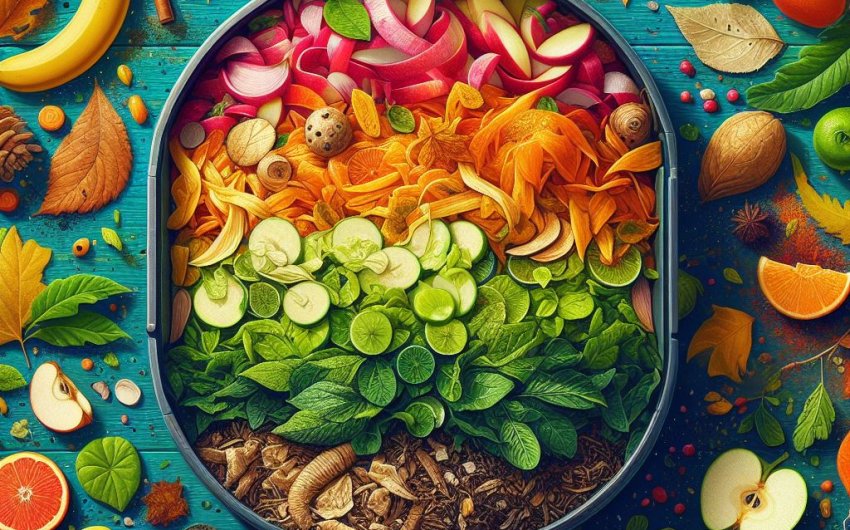
Crafting DIY compost for a thriving garden creates "green gold," transforming kitchen scraps and yard waste into nutrient-rich soil. This involves balancing "green" (nitrogen-rich) and "brown" (carbon-rich) materials, maintaining optimal moisture (like a wrung-out sponge), and ensuring regular aeration to facilitate decomposition by microorganisms, resulting in a powerhouse amendment for healthier plants and soil.
Why is crafting DIY compost a game-changer for your garden?
Crafting DIY compost is a truly transformative practice, turning everyday organic waste into "green gold"—a nutrient-rich, dark, crumbly soil amendment that fundamentally revitalizes your garden. Far from being a complex chore, creating your own compost is an accessible, sustainable, and incredibly rewarding process that fosters healthier plants, enriches soil, and reduces your environmental footprint. It's a game-changer for cultivating a thriving garden, naturally.
What exactly is compost and why is it so powerful?
Compost is the result of nature's recycling process, concentrated into a superfood for your soil.
- Definition: Compost is stable, decomposed organic matter created through the controlled biological breakdown of various organic materials (food scraps, yard waste, leaves). The finished product is primarily composed of humus.
- The Power of Humus: Humus is the stable, dark, spongy end-product of decomposition. It's incredibly beneficial for soil.
- Benefits of Compost (Why it's "Green Gold"):
- Improves Soil Structure (Physical): In clay soils, it creates air pockets and improves drainage. In sandy soils, it improves water and nutrient retention. It makes all soil more friable and easier to work.
- Enriches Soil Fertility (Chemical): Provides a balanced, slow-release source of macro- (N, P, K) and micronutrients. It also increases the soil's cation exchange capacity (CEC), improving its ability to hold onto nutrients.
- Fosters Soil Life (Biological): It's teeming with beneficial microorganisms (bacteria, fungi, earthworms) that continue to live and work in the soil, cycling nutrients, suppressing diseases, and building a healthy soil food web.
- Buffers pH: Finished compost generally has a near-neutral pH (6.5-7.5) and helps stabilize extreme soil pH values.
- Reduces Waste: Diverts a significant portion of household and yard waste from landfills.
- Eco-Friendly: Reduces methane emissions from landfills and lessens reliance on synthetic fertilizers.
What are the main types of composting methods for DIYers?
DIY composting can be tailored to your space and effort level.
- 1. Cold Composting (Passive):
- How it Works: Simply pile up organic materials and let nature take its course over a longer period (6 months to 2 years) with minimal active management (less turning, no specific temperature monitoring).
- Benefits: Easiest, lowest effort, still produces good compost.
- Drawbacks: Slower, may not kill all weed seeds or pathogens.
- 2. Hot Composting (Active):
- How it Works: Achieved by carefully balancing "greens" (nitrogen) and "browns" (carbon), maintaining optimal moisture, and regularly turning the pile to introduce oxygen. Microbial activity raises the internal temperature to 130-160°F (55-71°C) for several days.
- Benefits: Rapid decomposition (weeks to months), kills most weed seeds, and kills most plant pathogens.
- Drawbacks: Requires more effort and consistent management.
- 3. Vermicomposting (Worm Composting):
- How it Works: Specialized composting worms (red wigglers) consume organic waste (food scraps) and excrete nutrient-rich material called worm castings.
- Benefits: Excellent for indoor composting of food scraps, produces incredibly rich compost (castings), usually odorless.
- Drawbacks: Only processes certain materials (no meat/dairy), slower for bulk yard waste.
- 4. Trench Composting:
- How it Works: Bury kitchen scraps directly into a trench in the garden.
- Benefits: Very simple, no bin needed, feeds soil directly.
- Drawbacks: Takes longer, limited capacity.
By understanding the power of compost and exploring these DIY methods, gardeners can easily start crafting their own "green gold," transforming waste into a valuable resource for a thriving garden.
What are the essential ingredients for crafting DIY compost?
Crafting DIY compost relies on balancing specific types of organic matter—"greens" and "browns"—with optimal levels of moisture and aeration. These essential ingredients provide the perfect nutritional and environmental conditions for the beneficial microorganisms that drive the decomposition process, turning kitchen scraps and yard waste into valuable "green gold."
1. "Greens" (Nitrogen-rich Materials): The Fuel.
"Greens" are the nitrogen-rich, typically fresh and moist materials that act as the "fuel" for microbial growth and decomposition.
- Characteristics: High in nitrogen, usually fresh, moist, and soft. They break down relatively quickly.
- Function: Provide the nitrogen that microorganisms need for their protein synthesis and reproduction. This drives the decomposition process and generates heat.
- Examples of "Greens" to DO add:
- Fruit and Vegetable Scraps: Peelings, cores, wilted produce, rotten fruit. Chop into small pieces.
- Coffee Grounds: Excellent source of nitrogen and trace minerals, nearly pH neutral when used. Can include paper filters.
- Tea Bags: (Remove staples if plastic-coated, avoid synthetic tea bags).
- Fresh Grass Clippings: Use in moderation; too much at once can compact and become anaerobic. Mix well with browns.
- Green Plant Trimmings: From garden plants, non-woody.
- Manure (Herbivore): From cows, horses, chickens, rabbits (well-aged preferred).
- DON'T add: Meat, fish, bones, dairy, oily foods (attract pests, odors), pet waste (pathogens), diseased plants, weeds with mature seeds.
2. "Browns" (Carbon-rich Materials): The Energy and Structure.
"Browns" are the carbon-rich, typically dry and fibrous materials that provide energy for microbes and give the compost pile its structure.
- Characteristics: High in carbon, usually dry, woody, and fibrous. They break down more slowly.
- Function: Provide the energy source for microorganisms and create bulk and structure, which allows air to circulate within the pile. Without browns, a pile becomes dense, wet, and smelly.
- Examples of "Browns" to DO add:
- Dried Leaves: An abundant and excellent carbon source. Shredding them speeds decomposition.
- Straw and Hay: (Ensure it's not treated with persistent herbicides). Provides good aeration.
- Shredded Newspaper and Cardboard: (Avoid glossy or heavily dyed paper). Tear into small pieces.
- Wood Chips and Sawdust: Use in moderation (they are very high carbon), and balance with extra greens. Avoid from treated wood.
- Pine Needles: Adds acidity, which can be beneficial for acid-loving plants in the garden.
- Corn Stalks and Cobs: Break into smaller pieces.
- DON'T add: Treated wood, anything plastic/synthetic.
3. Water (Moisture): The Lifeblood.
Water is absolutely essential for microbial activity and efficient decomposition.
- Optimal Level:
- DO: Keep the compost pile consistently damp, like a wrung-out sponge. Not dripping wet, not bone dry.
- Why: Microbes need water to survive and function. Too dry, they go dormant. Too wet, they drown.
- Adjust as Needed:
- DO: If the pile appears dry or decomposition slows, add water gradually with a hose or watering can while turning the pile.
- DO: If it's too wet and soggy (often indicated by a foul smell), add more dry "brown" materials and turn thoroughly to absorb excess moisture.
4. Oxygen (Air): The Breath of Decomposition.
Oxygen is vital for the beneficial aerobic microorganisms that decompose organic matter efficiently and without foul odors.
- Aeration:
- DO: Ensure good airflow within the pile. This is achieved by:
- Layering: Alternating greens and browns, creating pockets.
- Chopping Materials: Smaller pieces prevent compaction.
- Turning the Pile: Regularly turning with a pitchfork or compost aerator tool.
- Why: Aerobic microbes break down materials quickly and cleanly. Without oxygen, anaerobic microbes take over, producing foul-smelling gases.
- DO: Ensure good airflow within the pile. This is achieved by:
5. The Crucial Carbon-to-Nitrogen (C:N) Ratio: The Balance.
Maintaining the correct C:N ratio is critical for fast, efficient, and odor-free decomposition.
- Target Ratio: Aim for an overall C:N ratio of approximately 25:1 to 30:1. This means 25-30 parts carbon for every 1 part nitrogen.
- Practical Volume Ratio: Since "browns" are often bulkier than "greens," this typically translates to a volume ratio of roughly 2-3 parts brown material to 1 part green material.
- Don't Stress Perfection: For home composting, don't worry about exact measurements. A general awareness of balancing your wet, fresh, green stuff with dry, woody, brown stuff will typically guide you.
By meticulously understanding and balancing these essential ingredients, you provide the perfect environment for microorganisms to efficiently transform your organic waste into rich, life-giving "green gold" for your thriving garden.
How do I build and maintain my DIY compost pile?
Building and maintaining your DIY compost pile is an active, ongoing process that transforms kitchen scraps and yard waste into "green gold." It requires attention to layering, moisture, aeration, and location to ensure efficient decomposition, prevent problems, and consistently yield nutrient-rich compost for your thriving garden.
1. Choose the best location and type of compost bin.
Starting with the right setup is crucial for managing your compost effectively.
- Location Considerations:
- Partial Shade:
- DO: Choose a spot that receives partial shade.
- Why: Prevents the pile from drying out too quickly in hot sun, helping to maintain consistent moisture.
- Well-Drained Area:
- DO: Avoid low spots where water might pool.
- Why: Prevents the pile from becoming waterlogged.
- Access to Water:
- DO: Ensure easy access to a garden hose or watering can for moistening the pile.
- Convenience:
- DO: Place it close enough to your kitchen for food scraps and to garden beds for yard waste, but far enough from your house or neighbors to avoid any potential odors.
- Partial Shade:
- Compost Bin Types for DIYers:
- Open Pile:
- Pros: Simplest, just a heap. Good for large volumes of yard waste.
- Cons: Can be messy, lose heat/moisture quickly, and attract pests if not managed well.
- Wire/Pallet Bin:
- Pros: Inexpensive DIY options, offer good airflow.
- Cons: Can dry out quickly.
- Plastic Static Bin:
- Pros: Enclosed, tidy, helps retain heat and moisture, good for small spaces.
- Cons: Harder to turn. A good compost bin plastic can work well.
- Compost Tumbler:
- Pros: Sealed drum that rotates for easy turning. Great for odor/pest control and faster decomposition.
- Cons: More expensive than static bins. A good compost tumbler can make the process easier.
- Worm Bin (Vermicomposting):
- Pros: Ideal for indoor composting of food scraps, produces incredibly rich compost (castings), usually odorless.
- Cons: Only processes certain materials (no meat/dairy), slower for bulk yard waste.
- Open Pile:
Step-by-step guide to building a compost pile.
Proper layering creates an optimal environment for microbial activity.
- Start with a Base Layer (Browns):
- DO: Begin with a 4-6 inch layer of coarse "brown" materials (small twigs, straw, wood chips) at the bottom.
- Why: This provides good drainage and airflow at the base, essential for preventing anaerobic conditions.
- Alternate Layers:
- DO: Add alternating layers of "greens" (nitrogen-rich) and "browns" (carbon-rich).
- Green Layer: About 6-8 inches thick (e.g., food scraps, grass clippings).
- Brown Layer: About 12-18 inches thick (e.g., dried leaves, shredded paper).
- Rule of Thumb: Aim for roughly 2-3 times more browns than greens by volume.
- DO: Add alternating layers of "greens" (nitrogen-rich) and "browns" (carbon-rich).
- Bury Food Scraps:
- DO: Always bury new food scraps (greens) completely under a layer of browns or existing compost.
- Why: This is crucial to deter pests (rodents, flies) and reduce foul odors.
- Moisten Each Layer:
- DO: As you build, lightly spray each layer with water until it's damp, like a wrung-out sponge.
- Why: Microbes need consistent moisture.
- Chop Materials:
- DO: Break down larger items (corn cobs, fruit rinds, tough stems, shredded paper) into smaller pieces.
- Why: Smaller pieces have a greater surface area for microbes to act on, speeding up decomposition.
- Build to Size:
- DO: For optimal heat generation (hot composting), aim for a pile at least 3 feet wide, 3 feet deep, and 3 feet tall (0.9 x 0.9 x 0.9 meters). Smaller piles will be cooler and decompose slower (cold composting).
How do I maintain an active and healthy compost pile?
Ongoing care ensures continuous decomposition and a high-quality product.
- Monitor Moisture:
- DO: Check regularly by sticking your hand into the pile. If it feels dry, add water while turning.
- DO: If it feels soggy (and smells bad), add more dry "browns" and turn thoroughly.
- Aerate (Turn) Regularly:
- DO (Hot Composting): Turn every few days to a week, especially when the pile is hot. This introduces oxygen and mixes materials.
- DO (Cold Composting): Turn every 2-4 weeks, or whenever adding a significant amount of new material.
- Tools: Use a garden fork, shovel, or a compost aerator tool.
- Add New Materials:
- DO: Continue to add greens and browns in balance, burying food scraps.
- Monitor Temperature (Optional for Hot Composting):
- DO: Use a compost thermometer to check internal temperature. If it drops below 130°F (55°C) for several days, it may need turning or more "greens."
- Troubleshooting (Quick Fixes):
- Smells like Ammonia: Too many "greens," not enough "browns," or not enough oxygen. Add browns and turn.
- Smells like Rotten Eggs/Sulfur: Too wet, lack of oxygen (anaerobic). Add browns and turn aggressively.
- Pile Isn't Heating Up: Too dry, too many "browns," or too small. Add water, add more "greens," or build a larger pile.
- Pests: You're probably adding prohibited materials (meat, dairy, fats) or not burying food scraps.
By diligently building and maintaining your DIY compost pile, you actively facilitate the transformative journey from kitchen scraps to nutrient-rich soil, creating a sustainable and incredibly valuable resource—green gold—for your thriving garden.
How do I reactivate my cold-weather compost pile and harvest "green gold"?
Cold-weather composting means decomposition slows or pauses, acting as a "holding bin" for organic materials. Reactivating your pile in spring and knowing when to harvest your finished "green gold" are the final, rewarding steps in your year-round composting journey, transforming winter's stored waste into valuable garden enrichment.
1. Reactivating your compost pile in spring.
Spring's warmth provides the perfect trigger for your dormant compost pile.
- Give it a Good Turn:
- DO: As soon as the pile thaws and the ground is workable, give your compost pile a thorough turning. Use a pitchfork or compost aerator tool.
- Why: This introduces fresh oxygen, mixes all the winter's additions, and redistributes dormant microorganisms, rapidly kickstarting the decomposition process.
- Check Moisture Levels:
- DO: Ensure the pile is consistently damp, like a wrung-out sponge.
- Why: Microbes need water to become active. If the pile dried out over winter, add water gradually while turning. If it became too soggy (common after thawing from a wet winter), add more dry "brown" materials and turn well.
- Add "Green" Material (Optional):
- DO: If your pile seems slow to heat up, or if you have an abundance of "brown" materials from winter additions, add a layer of fresh, nitrogen-rich "green" material (e.g., fresh grass clippings, coffee grounds, fresh food scraps).
- Why: This provides a quick energy boost for the awakened microbes, helping the pile heat up.
- Monitor for Heat:
- DO: Within a few days of turning and adjusting moisture, a healthy, active pile should start to heat up, signaling that decomposition is in full swing. Use a compost thermometer if you're aiming for hot composting.
2. When is my compost considered "finished" and ready to use?
Using finished, mature compost is crucial. Unfinished compost can harm plants.
- Appearance: Finished compost should be dark brown to black and crumbly, resembling rich, earthy soil.
- Texture: It should be loose and uniform, with no identifiable large pieces of original organic material (though a few small, un-decomposed twigs or bits of eggshell are fine).
- Smell: It should have a pleasant, earthy aroma, like forest soil after rain. There should be no foul or sour odors.
- Temperature: If you were hot composting, the pile should have cooled down to ambient temperature and stayed cool for several weeks.
- Timeframe: Depending on how active your pile was over winter and how well it reactivates in spring, finished compost can be ready anywhere from a few weeks to a few months after spring's restart.
- Sieve (Optional): For a finer product, especially for seed starting or top-dressing containers, you can sieve (sift) the compost through a coarse screen or hardware cloth. Any larger, uncomposted pieces can be returned to the active compost pile.
3. How do I harvest compost from my bin?
The method of harvesting depends on your compost system.
- Open Piles/Wire Bins:
- DO: Simply use a shovel or pitchfork to take finished compost from the bottom or center of the pile. The outer layers are usually still decomposing and can be added back to a new pile.
- Static Bins (e.g., Earth Machine):
- DO: Most have an access door at the bottom, allowing you to shovel out finished compost while fresh materials continue to decompose on top.
- Compost Tumblers:
- DO: Once a batch is finished, simply rotate the tumbler to loosen the compost, then open the access door and empty it. Some tumblers have two chambers, allowing one to "cook" while the other is being filled.
- Worm Bins (Vermicomposting):
- DO: Use the migration method (feeding worms to one side) or the dump-and-sort method (gently sorting worms from castings).
4. What are the best uses for winter-composted "green gold" in your garden?
Your winter-made compost is an invaluable resource for your spring and summer garden.
- Soil Amendment for Garden Beds:
- DO: Spread a 1-3 inch layer of finished compost evenly over the surface of your garden beds in spring before planting. Gently rake it in or leave it on the surface.
- Why: Improves soil structure, boosts fertility, adds beneficial microbes, and helps retain moisture.
- New Plantings and Transplants:
- DO: Mix compost with the excavated soil for planting holes (e.g., 1 part compost to 2-3 parts native soil) when planting new trees, shrubs, perennials, or vegetables.
- Why: Gives new plants a nutrient-rich, well-structured, and biologically active start, reducing transplant shock.
- Container Gardening:
- DO: Mix finished compost into your standard potting mix at a ratio of 1 part compost to 3-4 parts potting mix when refreshing containers for spring planting.
- Why: Improves water retention, provides slow-release nutrients, and enhances microbial activity in the confined container environment. A good organic potting mix like Foxfarm Ocean Forest Potting Soil is excellent.
- DO: Top-dress established container plants with a thin layer of compost once or twice a season.
- Seed Starting (Component):
- DO: A small amount (e.g., 10-20% by volume) of fine, sieved compost can be added to a sterile seed-starting mix to provide gentle nutrients for emerging seedlings.
- Compost Tea:
- DO: Steep finished compost in water for 1-3 days to create "compost tea." Dilute it and use it to water plants or as a foliar spray.
- Why: Provides a liquid nutrient boost and a rush of beneficial microbes.
- Lawn Top-Dressing:
- DO: Spread a thin layer (1/4 to 1/2 inch) of fine, sieved compost over your lawn in spring. Rake it in to promote healthier grass and improve soil structure.
By skillfully reactivating your compost pile in spring and utilizing its finished product, you complete the cold-weather composting journey, transforming winter's stored organic waste into a powerful resource—green gold—that nourishes your garden and exemplifies sustainable living year after year.